How Much Does It Cost for Solar Panels?
How Much Does It Cost for Solar Panels?
Solar panels typically cost between $100 and $400 per panel, while a complete residential solar system usually ranges from $15,000 to $30,000 before incentives. The final price depends on panel wattage, system size, installation complexity, equipment quality, and location.
When homeowners ask how much does it cost for solar panels, they often expect the price of one panel. However, a solar project is not simply about buying panels—it involves designing an energy system that matches actual electricity needs.
Through years of working with Bright Solar customers, I have reviewed solar projects for homes, RVs, marine applications, and off-grid systems. One pattern appears repeatedly: the lowest panel price does not always create the lowest overall cost.
A homeowner may save money on equipment but spend more later because the system produces less energy or requires additional upgrades.
Solar pricing is a combination of hardware, engineering, installation conditions, and long-term performance.
What Is the Average Cost of Solar Panels?
Solar panel prices vary depending on technology, efficiency, manufacturer, and purchase quantity.
Typical individual panel prices:
| Solar Panel Type | Average Price Range |
|---|---|
| 100W solar panel | $80–$180 |
| 200W solar panel | $180–$350 |
| 300W solar panel | $280–$500 |
| 400W solar panel | $400–$700 |
| Premium high-efficiency panels | $450+ |
For residential installations, homeowners usually purchase multiple panels as part of a complete system rather than buying individual modules.
For example:
A 6kW home solar system using 400W panels requires approximately:
6,000W ÷ 400W = 15 solar panels
The panel cost is only one part of the final investment.
How Much Does a Complete Solar System Cost?
The total cost of solar depends mainly on system capacity.
Typical residential solar installation costs:
| System Size | Estimated Total Cost Before Incentives |
|---|---|
| 3kW system | $9,000–$13,000 |
| 5kW system | $14,000–$20,000 |
| 7kW system | $18,000–$27,000 |
| 10kW system | $25,000–$35,000 |
According to the Solar Energy Industries Association (SEIA), residential solar pricing depends on system size, installation environment, market conditions, and financing structure.
Source:
https://www.seia.org/
A complete solar project usually includes:
- Solar panels
- Inverter
- Mounting system
- Wiring and electrical equipment
- Labor
- Permits
- System design
Many first-time buyers focus only on panel prices, but installation-related expenses can represent a significant portion of the final cost.
What Factors Affect Solar Panel Prices?
1. Solar Panel Wattage
The wattage of a solar panel directly affects how much electricity it can produce.
Common residential panel ratings include:
- 350W
- 400W
- 450W
- 500W+
A higher-wattage panel may have a higher upfront price, but fewer panels may be needed to achieve the same system capacity.
For example:
| System Target | 300W Panels | 400W Panels |
|---|---|---|
| 6kW system | 20 panels | 15 panels |
For homeowners with limited roof space, choosing higher-efficiency panels can sometimes reduce installation complexity.
2. Solar Installation Location
Where the solar panels are installed can significantly influence cost.
Important factors include:
- Roof material
- Roof angle
- Accessibility
- Local labor rates
- Permitting requirements
- Electrical system condition
I once reviewed a residential project where the customer assumed installation would be straightforward because the roof had enough space. After inspection, additional electrical work was required because the existing panel could not support the new solar equipment.
That detail changed the budget before installation even started.
Are Solar Panels More Expensive for Special Applications?
Yes. Specialized solar panels may have different pricing because they solve different installation challenges.
For example:
Flexible Solar Panels
Flexible panels are often used for:
- RVs
- Boats
- Marine applications
- Curved surfaces
- Lightweight structures
They usually cost more per watt because they require specialized materials, lightweight construction, and durability features.
At Bright Solar, we often recommend flexible solar panels when installation space or weight limitations matter more than the lowest upfront price.
The right solar panel is determined by the application, not only by the price tag.
How Much Does Solar Installation Add to the Total Cost?
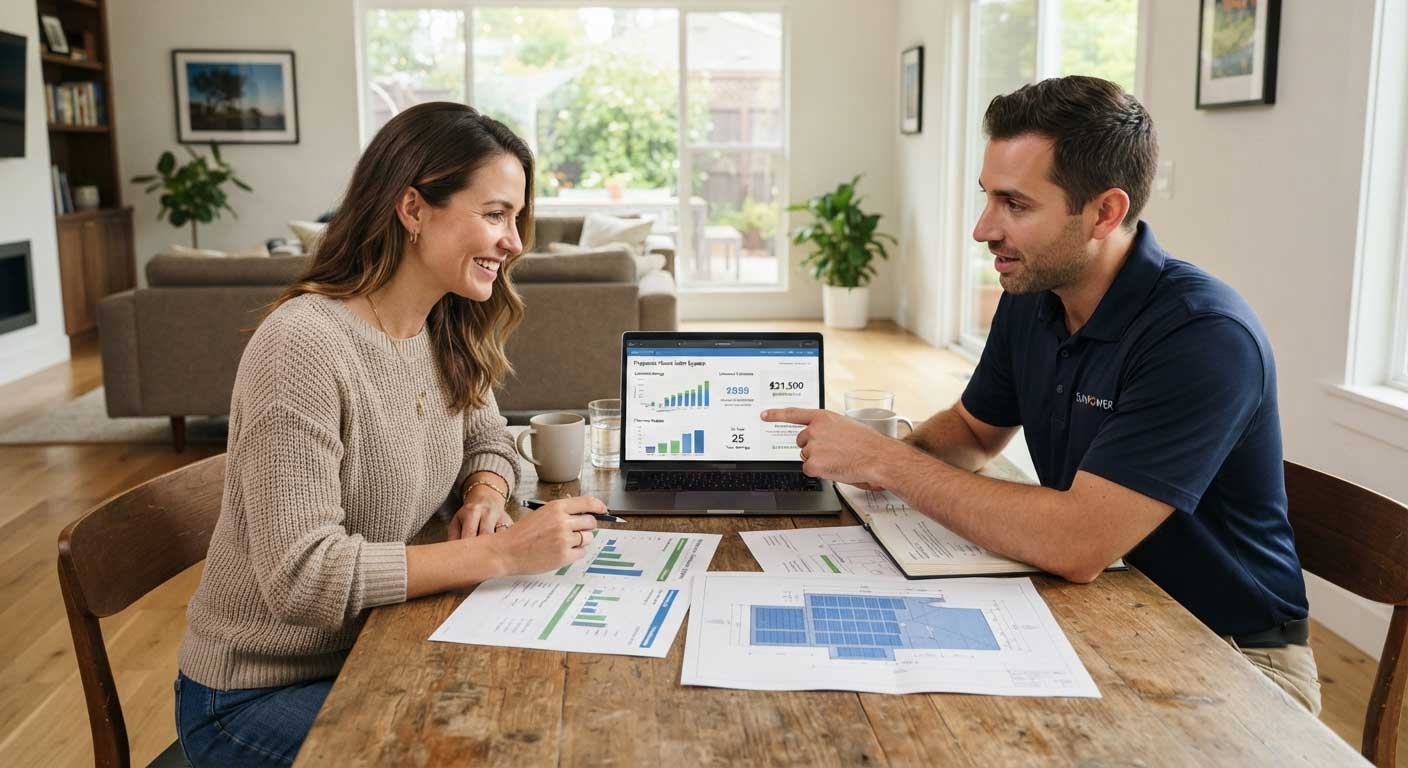
Many homeowners searching how much does it cost for solar panels focus on the modules themselves, but the installation process has a major impact on the final budget.
A complete solar project includes more than equipment. Professional installation ensures that panels, wiring, inverters, and safety components work together correctly.
Typical cost distribution:
| Component | Approximate Share of Total Cost |
|---|---|
| Solar panels | 20–30% |
| Inverter | 10–15% |
| Mounting hardware | Around 10% |
| Labor and installation | 25–35% |
| Permits and electrical work | 10–20% |
Installation costs can vary because every property is different.
A simple roof installation with easy access may require less labor, while a complex roof with multiple angles, shading issues, or electrical upgrades can increase the project price.
From my experience working with Bright Solar projects, the installation details often determine whether a solar system performs smoothly for decades or requires unexpected adjustments later.
How Much Can You Save After Installing Solar Panels?
The cost of solar panels should be evaluated together with their long-term energy benefits.
A solar system may help homeowners reduce:
- Monthly electricity bills
- Exposure to rising utility rates
- Dependence on traditional energy sources
However, savings depend on:
- Local electricity prices
- Solar production
- System size
- Financing method
- Energy consumption habits
The National Renewable Energy Laboratory (NREL) provides solar performance modeling tools that help estimate energy production based on location, system design, and environmental conditions.
Source:
https://www.nrel.gov/
A common mistake is comparing solar only by purchase price. A slightly more expensive system that generates more electricity may provide better value over its lifetime.
Does Solar Panel Quality Change the Cost?
Yes. Solar panel quality can affect both upfront pricing and long-term performance.
Lower-cost panels may appear attractive initially, but homeowners should also consider:
- Efficiency rating
- Product warranty
- Temperature performance
- Material durability
- Manufacturer reliability
For example, flexible solar panels designed for RVs or marine environments often include additional protection layers because they must handle vibration, moisture, and changing weather conditions.
At Bright Solar, we have seen customers choose panels based only on price and later realize that application requirements were more important.
A solar panel for a house roof and a solar panel for a moving RV are solving different problems.
FAQ About How Much Does It Cost for Solar Panels?
How much does it cost for solar panels on a house?
A complete home solar system typically costs around $15,000–$30,000 before incentives. The final price depends on electricity usage, system size, equipment, and installation conditions.
How much does one solar panel cost?
A single solar panel usually costs between $100 and $400, although higher-power and specialized panels may cost more.
How much are 400 watt solar panels?
A 400W solar panel commonly costs around $400–$700 depending on efficiency, brand, materials, and purchase quantity.
Is solar cheaper if I buy more panels?
Often yes. Larger solar projects may reduce the average cost per watt because installation and equipment costs are distributed across a larger system.
Are flexible solar panels more expensive?
Usually, yes. Flexible panels often cost more because they use lightweight materials and are designed for specialized applications such as RVs, boats, and portable systems.
What is the cheapest way to install solar panels?
The most cost-effective approach is usually choosing the correct system size, comparing professional installers, and selecting equipment that matches your actual energy needs.
Conclusion
The answer to how much does it cost for solar panels depends on much more than the price printed on a product page.
A solar investment includes panel selection, system design, installation quality, and expected energy production. After years of supporting Bright Solar customers, I have learned that successful solar projects are built around real usage data rather than simply choosing the cheapest available option.
A homeowner with limited roof space may benefit from higher-efficiency panels. A camper owner may prioritize lightweight flexible modules. A large family home may need a larger system designed for future electricity demand.
The best solar system is the one that matches your situation and delivers reliable energy for years.
Before purchasing solar panels, evaluate your electricity consumption, installation environment, and long-term goals. A well-designed system can turn the initial investment into lasting energy value.
Related recommendations
-

How Do Solar Panels Work at Night?
181How do solar panels work at night? Learn how solar systems use batteries, grid power, and energy storage solutions to provide electricity after sunset.
View details -
do solar panels work on cloudy days?
302Discover do solar panels work on cloudy days with real performance data, field-tested output rates, and Bright solar engineering insights from global installations.
View details -
What Are Solar Panels?
104What are solar panels and how do they work? Learn about solar panel types, efficiency, applications, and real-world performance in this complete Bright Solar guide.
View details -
How To Set Up Solar Panel System At Home Off Grid?
146How to set up solar panel system at home off grid? Learn off-grid solar design, battery sizing, installation steps, and expert tips from Bright Solar.
View details