Submit your requirements here
Bright solar expert will contact you shortly.

OEM / ODM Solar Panel MANUFACTURER
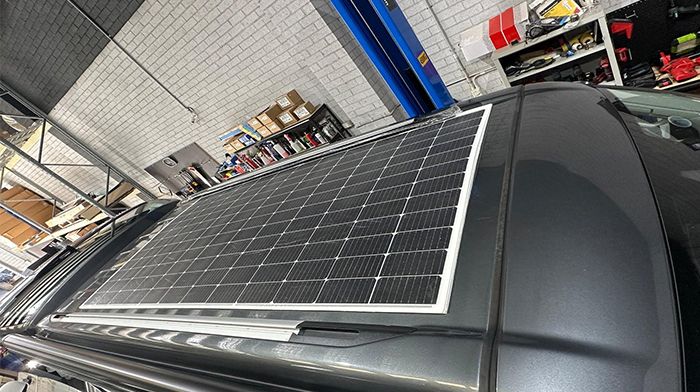
Every project is unique. Whether you need a specific size, shape, voltage, or power output, we deliver tailor-made Lightweight solar panel solutions that fit your application perfectly. From prototyping to mass production, we are your dedicated OEM/ODM partner.
We provide online technical support for our engineering team
01
Professional Technical Engineering Support
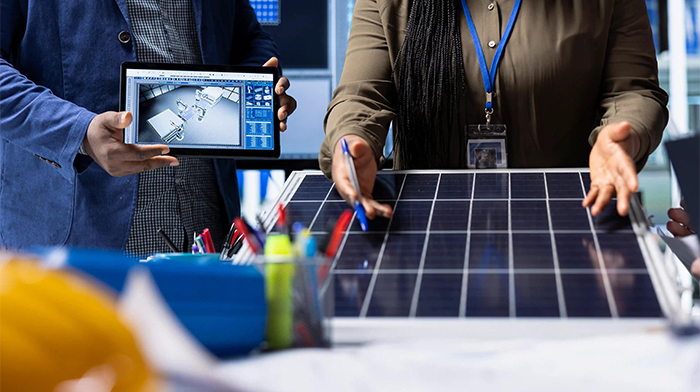
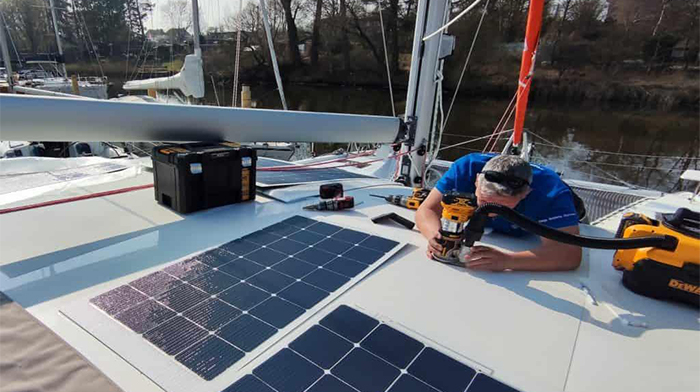
Our in-house technical team is with you from day one. We help solve every product-related challenge — from cell layout to system compatibility. We also offer remote troubleshooting, and when needed, on-site product training and installation guidance to ensure your team or end-users handle the panels correctly.
02
17+ Years of Non-Standard / Project Experience
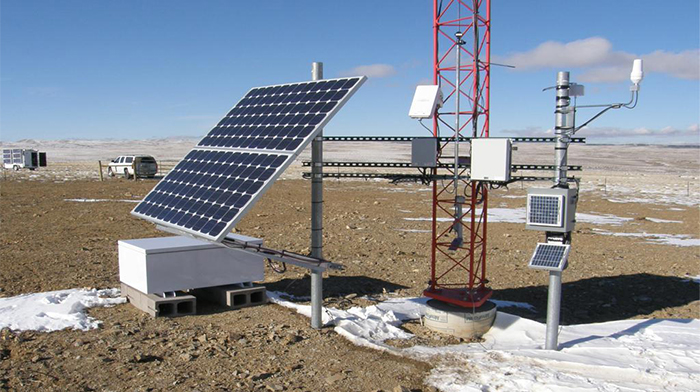
With nearly two decades of expertise in RV, marine, and off-grid system projects, we have encountered and solved nearly every complex installation scenario. You aren’t a test case — you are working with seasoned professionals who understand real-world applications.
03
Ultra-Fast Response Times
We respect your timelines. Our sales team responds to all inquiries within 24 hours, and our technical engineering team delivers preliminary CAD drawings within 48 hours — keeping your project moving without unnecessary delays.
04
Consistency in Mass Production
What we draw is exactly what we sample, and what we sample is exactly what we mass-produce. With rigorous first-article inspections and in-process quality control, repeat orders are always identical. You never have to “gamble” on quality fluctuations between batches.
05
Reliable After-Sales Service
We view every partnership as a long-term relationship, not a one-off transaction. Our after-sales team remains available for warranty support, spare parts, replacement panels, and technical updates long after delivery — giving you complete peace of mind.
06
Honest & Transparent Consultation
We believe in straight talk. If your intended application is not suitable for flexible solar technology, we will tell you honestly and explain why. More importantly, we will work with you to redesign a feasible and optimized solution that actually works, saving you time, money, and frustration in the long run.