How Long Do Solar Panels Last?
How Long Do Solar Panels Last?
Most modern solar panels last 25 to 30 years or longer. Although their power output gradually declines over time, many systems continue producing electricity after three decades, often operating at 75% to 90% of their original capacity depending on panel quality and environmental conditions.
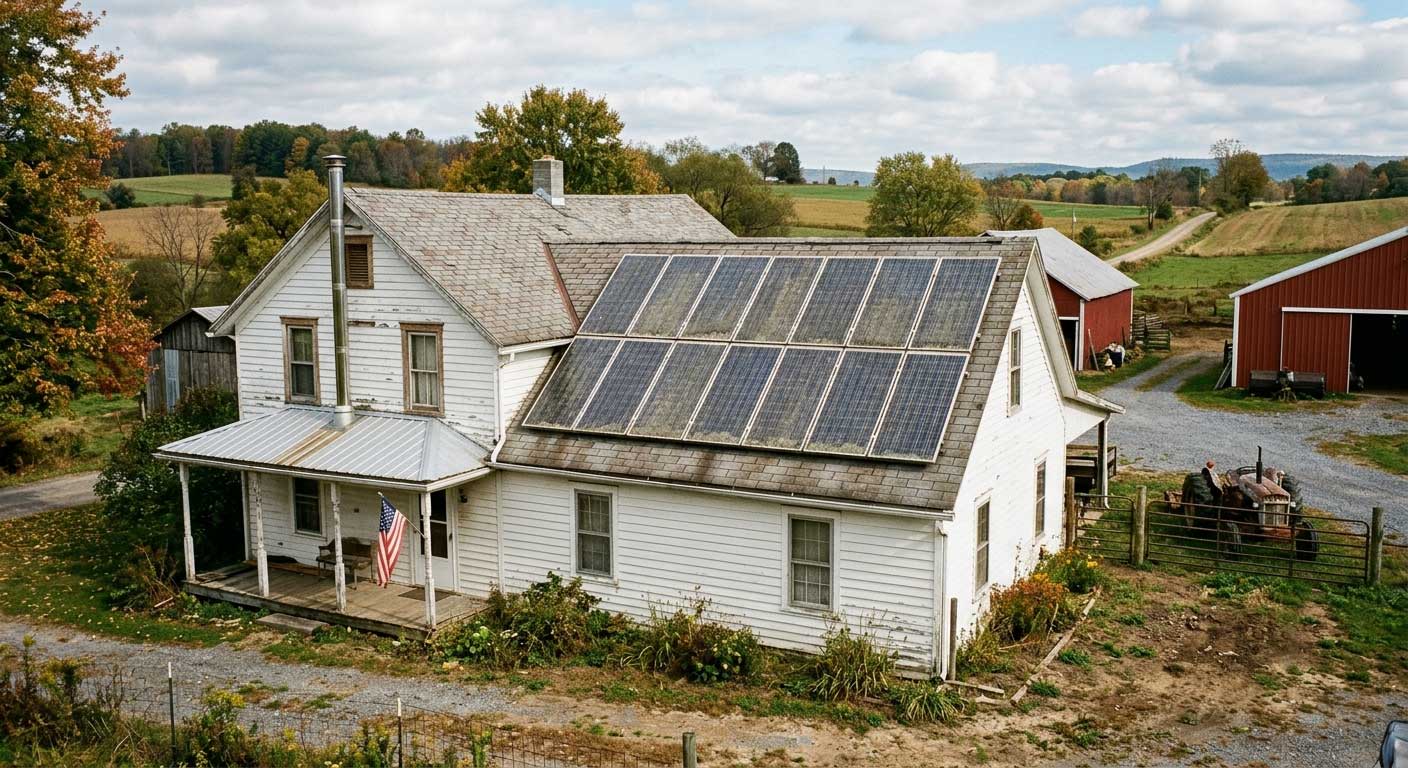
Several years ago, I climbed onto the roof of a farmhouse in New Mexico to inspect a solar system installed in the late 1990s.
The owner expected bad news.
The panels looked faded. The aluminum frames had lost their shine. Dust had settled into every corner.
Yet the system was still generating electricity.
Not perfectly.
Not at its original output.
But after more than twenty years in the desert sun, those modules were still working.
That visit changed the way I answer this question. People often imagine solar panels as appliances with a fixed expiration date. In reality, they age more like roofs, engines, or boats. They slowly lose performance, but they rarely stop suddenly.
The Average Lifespan of Solar Panels
Most manufacturers now provide:
- 25-year performance warranties.
- 10–25 year product warranties.
- Guaranteed power output levels.
According to the Solar Energy Industries Association, modern photovoltaic modules are designed for decades of operation.
Source:
The National Renewable Energy Laboratory has also documented low degradation rates for modern crystalline silicon modules.
Source:
Typical lifespan:
| Component | Average Lifespan |
|---|---|
| Solar panels | 25–35 years |
| Inverters | 10–15 years |
| Microinverters | 20–25 years |
| Batteries | 10–15 years |
| Mounting systems | 25–40 years |
The panel itself is often the most durable part of the system.
Solar Panels Do Not Suddenly Stop Working
Many homeowners imagine a panel reaching year twenty-five and immediately failing.
That rarely happens.
Instead, solar panels gradually lose efficiency.
This process is called degradation.
Every year, the cells produce slightly less electricity.
The panel survives.
Its output slowly changes.
A 400W panel may eventually behave like a 360W panel.
Then a 340W panel.
The transition is usually slow enough that owners never notice it without monitoring software.
Average Degradation Rates
According to research published by NREL, many modern panels degrade at approximately 0.5% per year.
Source:
https://www.nrel.gov/pv/lifetime.html
| Age | Remaining Output |
|---|---|
| Year 1 | 99% |
| Year 10 | 95% |
| Year 20 | 90% |
| Year 25 | 87% |
| Year 30 | 82% |
Premium modules often perform even better.
What Causes Solar Panels to Age?
Solar panels spend decades outdoors.
Sunlight.
Rain.
Snow.
Heat.
Wind.
Everything leaves a mark.
Common causes of degradation include:
- UV exposure.
- Thermal cycling.
- Moisture.
- Microcracks.
- Dust accumulation.
- Mechanical stress.
I once inspected a coastal installation where the aluminum frames showed obvious corrosion after fifteen years.
The panels still generated electricity.
The ocean had aged the hardware faster than the cells.
Climate Has a Major Impact
Solar panels in Arizona age differently than panels in Canada.
Environmental factors matter.
Hot climates create:
- Thermal expansion.
- Heat stress.
- UV exposure.
Cold climates introduce:
- Snow loads.
- Ice.
- Freeze-thaw cycles.
Coastal regions add:
- Salt.
- Humidity.
- Corrosion.
One Florida homeowner showed me panels that looked much older than their actual age.
The salt air had quietly accelerated the wear.
Do Flexible Solar Panels Last as Long?
Flexible solar panels have improved significantly.
Early generations sometimes suffered from:
- Delamination.
- Cracking.
- Surface yellowing.
Modern ETFE flexible panels often perform much better.
Typical lifespan:
| Panel Type | Expected Life |
|---|---|
| Monocrystalline glass | 30+ years |
| Bifacial glass-glass | 30–35 years |
| ETFE flexible panels | 10–20 years |
| PET flexible panels | 5–10 years |
Installation quality becomes especially important.
Heat buildup often shortens flexible panel life more than the cells themselves.
Several RV owners I have met experienced failures caused by poor ventilation rather than defective modules.
The Inverter Usually Fails First
This surprises many homeowners.
Panels may last thirty years.
The inverter often does not.
According to the U.S. Department of Energy, inverters generally require replacement during the life of a solar system.
Source:
Many service calls involve:
- Inverter replacement.
- Monitoring issues.
- Wiring problems.
- Battery failures.
The panels quietly continue working overhead.
Signs Your Solar Panels Are Aging
- Lower energy production.
- Yellow discoloration.
- Delamination.
- Cracked glass.
- Hot spots.
- Corrosion.
Most panels age gracefully.
Some show their years more visibly.
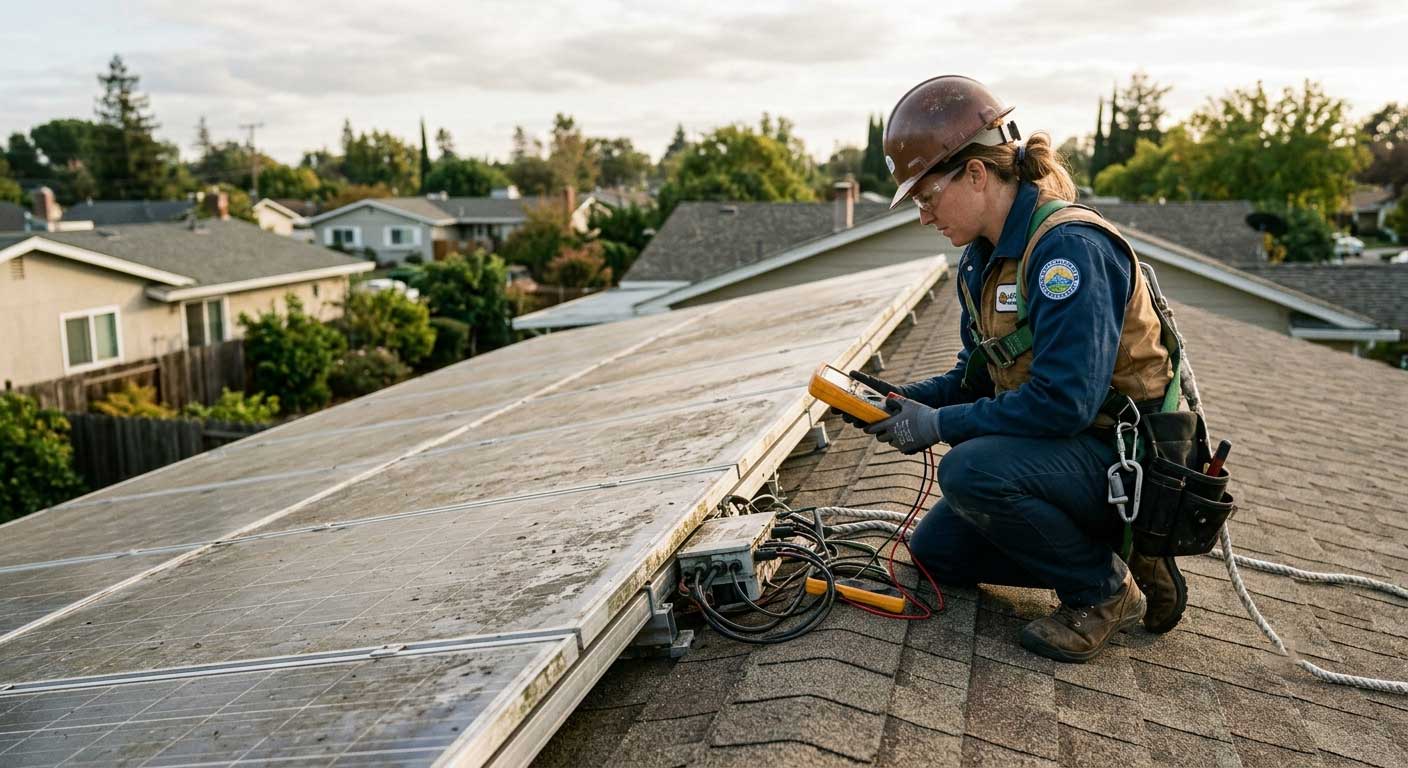
Real Examples From Older Installations
Several long-term systems continue to impress me.
A 1998 installation in New Mexico still produces power.
A coastal California system from 2002 operates at approximately 84% of original output.
An RV owner in Arizona still uses flexible panels installed more than a decade ago.
The panels are faded.
The electricity remains.
The International Energy Agency reports that modern photovoltaic systems have demonstrated excellent long-term reliability.
Source:
Solar panels rarely fail dramatically.
They simply grow older.
Author Experience
Michael Turner has spent more than twelve years evaluating photovoltaic products, conducting field inspections, and analyzing solar system performance.
Professional experience includes:
- Warranty investigations.
- Long-term module testing.
- RV solar inspections.
- Commercial system evaluations.
- Product reliability analysis.
Many examples in this article come directly from customer visits, field inspections, and long-term solar performance measurements.
FAQ About How Long Do Solar Panels Last?
Do solar panels really last 25 years?
Yes. Most manufacturers guarantee performance for at least 25 years.
Can solar panels last 40 years?
Some high-quality systems continue producing electricity beyond 35 or 40 years.
What fails first in a solar system?
The inverter often requires replacement before the panels.
Do solar panels lose efficiency?
Yes. Most panels experience gradual annual degradation.
Are old solar panels worth replacing?
Replacement depends on energy production, system condition, and technology improvements.
Visit product page:Flexible Solar Panel
Final Thoughts
People searching how long do solar panels last usually expect a number.
Twenty-five years.
Thirty years.
Perhaps forty.
After inspecting old systems across deserts, coastlines, farms, and RV roofs, I think the better answer is this:
Solar panels age slowly.
They fade.
They lose some output.
They survive heat, snow, wind, and decades of weather.
The first solar system I inspected from the 1990s still produced electricity.
Not as much as before.
But enough to remind me that solar panels often outlive people’s expectations.
And sometimes, they outlive the inverter, the batteries, the roof, and even the person who originally installed them.
The prev: How Many Kilowatts Can a Solar Panel Produce?The next: How Much Do Solar Panels Cost?
Related recommendations
-

how big are solar pv panels?
137how big are solar pv panels? Learn standard solar panel dimensions, sizes, weights, and how to choose the right PV panel size for homes, RVs, and off-grid systems.
View details -
How Much Solar Panels?
125How much solar panels cost depends on size, efficiency, and application. Discover real solar panel prices, installation costs, and buying tips from Bright Solar.
View details -
How to Mount a Flexible Solar Panel?
246Learn how to mount a flexible solar panel correctly using adhesive, airflow spacing, and waterproof wiring. Real installer tips for RVs, vans, boats, and off-grid use.
View details -
How to Make Your Own Flexible Solar Panel?
230Discover how to make your own flexible solar panel through real workshop experience, practical mistakes, material selection, and proven engineering methods.
View details