
Flexible Solar Panel MOQ: What 1, 10 and 100 pcs Cost
MOQ – minimum order quantity – gets quoted like a single number, but in flexible solar panel manufacturing it is really three different thresholds with three different cost structures: one panel for engineering validation, ten for a pilot batch, and one hundred or more for production pricing. The rule: what changes between the tiers is not the panel – it is how much of the factory’s fixed time, and how much of the freight bill, each panel has to carry alone.
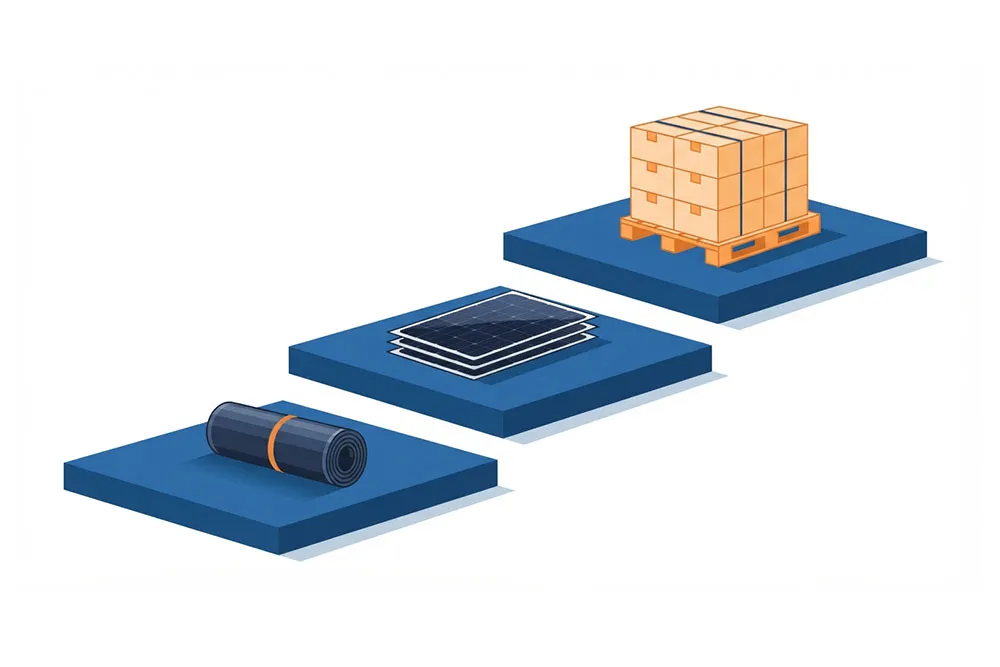
The Three Tiers at a Glance
| Tier | Quantity | Unit price logic | Freight mode | Purpose |
|---|---|---|---|---|
| Sample | 1 pc | About 1.5-2x production price (indicative) | Air courier | Engineering validation |
| Pilot | 10 pcs | 15-25% above production price | LCL sea freight | Market test, installer trial |
| Production | 100-500 pcs | Standard factory price | LCL or full container | Regular supply |
Two of these thresholds are published, not estimated: custom and private-label runs carry a 100-500 piece MOQ depending on wattage, and orders below the production tier carry a 15-25 percent unit premium on standard models – both are stated on our custom solar panel page. The sample premium of roughly 1.5-2x is the industry norm for one-off runs; treat it as indicative until quoted per model.
Why One Panel Costs More Than a Hundred
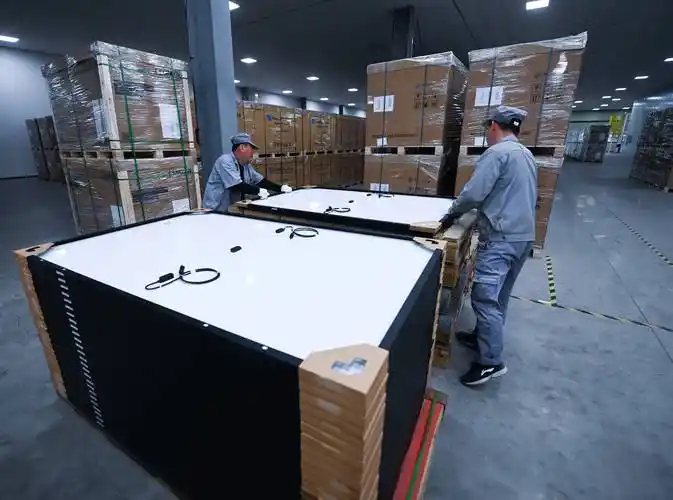
A single panel is not a small production run – it is a full factory wake-up. The lamination line gets set up and torn down for one unit, the packing line is configured for a carton that will never repeat, and the same 11-point inspection and EL imaging that covers a 500-piece run has to be done for the one. The rule: a sample price is not a worse price, it is the full cost of the line stopping for you – which is why our sample cost is credited against your first bulk order instead of discounted.
Freight Is the Hidden MOQ
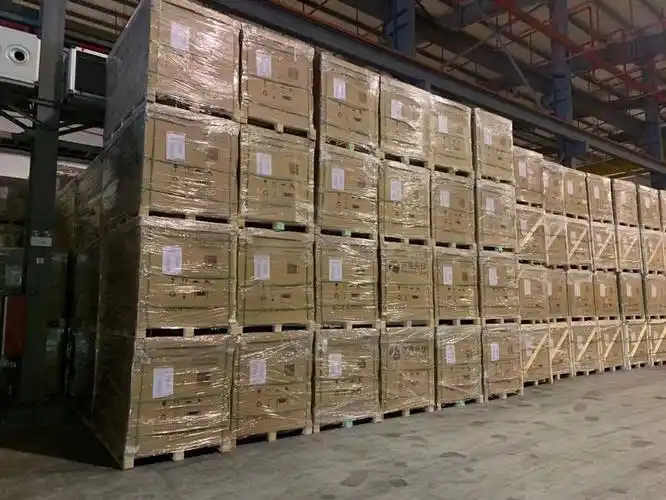
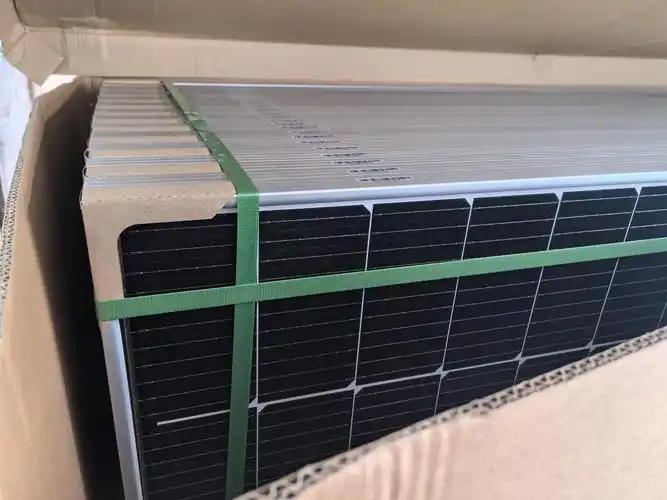
A 100W flexible panel packs flat: one carton of 535 x 555 x 45 mm, about 0.013 cubic metres and 1.8 kg of product. A hundred panels therefore occupy just 1.3 cbm and 180 kg – small enough for LCL, which is charged by the cubic metre, not the kilogram. The rule: flexible panels cube out long before they weigh out, so your real MOQ decision is a freight decision.
| Freight mode | Cost per 100W panel (indicative) | Transit | When it makes sense |
|---|---|---|---|
| Air courier | $10-16 | 4-6 days | Samples and urgent pilots |
| LCL sea | $5-8 | 25-40 days | 10 to a few hundred panels |
| FCL 20GP | About $0.8-1.1 | 25-40 days | From roughly 2,000 panels |
| FCL 40HQ | About $0.8-1.0 | 25-40 days | From roughly 4,000 panels |
At container scale the arithmetic flips. A 20GP swallows about 1,900-2,200 one-panel-per-carton 100W cartons and a 40HQ about 4,400-5,100 at 70-80 percent fill – figures from our published OEM loading tables – which puts ocean freight at roughly one dollar per panel. That is one-fifth of LCL and one-fifteenth of air, on a panel whose factory price is itself only a few dollars per watt.
The published per-watt prices these tiers feed into are charted on the factory-to-distributor cost page.
Consolidation: The Practical Answer Between 100 and 2,000
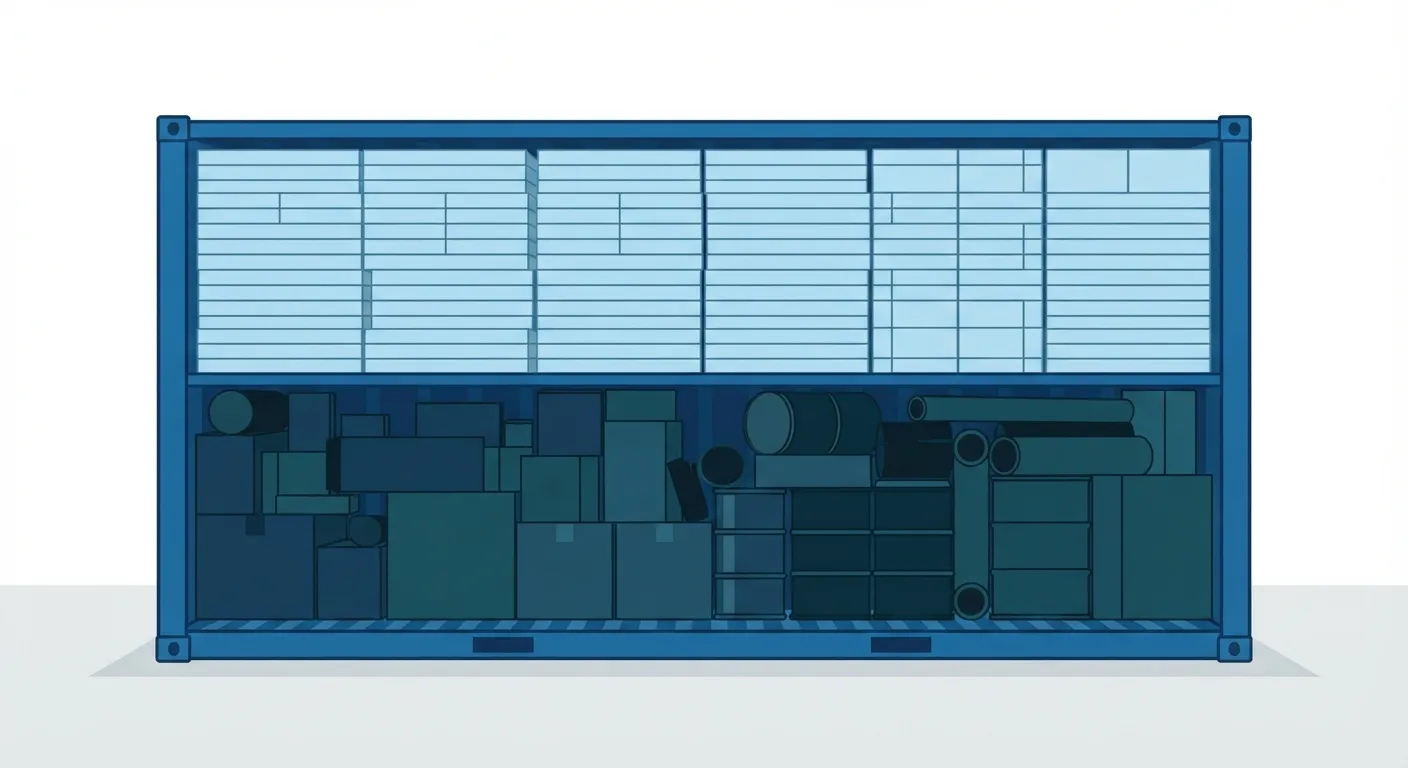
Between the pilot batch and the full container sits the zone most distributors actually live in: 100 to 1,000 panels. The practical answer is consolidation. Because flexible panels cube out before they weigh out, they are the ideal light cargo to share a container with dense goods: about 500 flexible panels take up roughly 6.7 cbm while weighing under a tonne, so pairing them with batteries, controllers or mounting rails – yours or another supplier’s – pulls the panels’ freight share down toward full-container economics. The rule: never let flexible panels fill a container alone unless you are near the 2,000-panel mark.
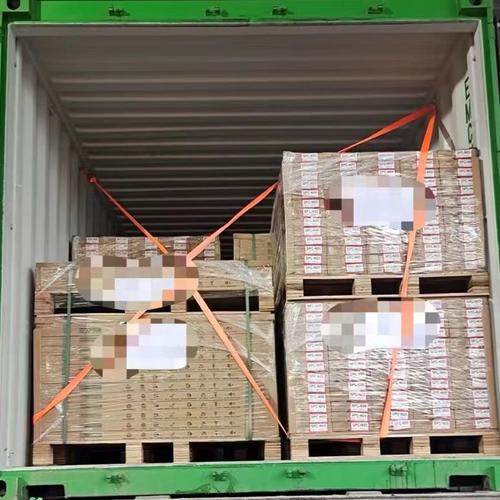
One habit that compounds the saving: order in multiples of a pallet layer. The 100W cartons stack to a 1.8-metre pallet height at about 160 cartons per pallet (indicative), so quantities of 160, 320 or 480 panels keep every pallet full and every cubic metre paid for.
How Customization Changes the Number
Standard-model MOQ and custom MOQ are different animals. Standard 100W-300W builds start from the production tier above; private-label and custom-size projects carry a 100-500 piece MOQ depending on wattage, because a custom run means a new lamination recipe, dedicated QC criteria and a separate production slot. The full route from drawing to mass production, including tooling and the credited sample process, is laid out step by step on our custom solar panel page.
There is a middle path: silkscreen logo or label branding on a standard model usually carries a lower threshold than a size change, because the production process itself does not move. If you need a wattage between the standard sizes, the custom page explains what reopens tooling and what does not.
FAQ
Can I order a single flexible solar panel as a sample?
Yes. A standard-model sample ships in days; a custom prototype takes 2 working days for the drawing and 10-15 working days to build, shipped with EL image and flash test data. Sample cost is quoted per model and credited against your bulk order.
Why is the MOQ higher for custom panels than for standard models?
A custom size reopens the lamination recipe, the QA criteria and the production slot. The 100-500 piece floor is what makes that setup economical; standard models ride the existing recipe, so they start lower.
What is the cheapest way to ship 50 flexible solar panels?
LCL with consolidation. Fifty 100W panels take about 0.7 cbm and 90 kg of product – tiny – so the savings come from sharing container space with dense cargo rather than booking the panels alone.
Can the production MOQ be split across wattages?
Yes. A 100-piece production order can mix 100W, 200W and 300W panels on the same line slot, as long as each wattage is above 20 pieces for packing and QC batching.
Conclusion: Match the Tier to What Is Actually New
MOQ is a logistics question wearing a sales question’s clothes. The panel does not change between one unit and one thousand – the factory time and the freight per panel do. The rule: buy a 1-panel sample when the panel is new to you, a 10-panel pilot when the market is new to you, and reserve the 100-plus production order for when the roof math and the seller are both settled – then consolidate the shipment with heavy goods and let the panels ride cheap. Send us quantity and destination port and the quotation comes back with the freight share per panel shown, not just the unit price.
Related recommendations
-

Black Flexible Solar Panel: Design, Performance, and Applications
184A black flexible solar panel combines a dark photovoltaic surface with lightweight construction for controlled curved-surface installations. Selection should...
View details -
what is bifacial solar panel – Bright Solar explains in simple terms
755what is bifacial solar panel and why does it generate more power than conventional modules? Bright Solar explains how bifacial design, installation angle and reflective surfaces boost energy yield for utility and commercial projects.
View details -
Flexible Fabric Solar Panels: Uses, Design and Buying Guide
201Flexible fabric solar panels integrate photovoltaic technology with lightweight fabric-compatible structures for portable, curved, and flexible applications.
View details -
Solar Panels for Semi Trucks: Complete Guide to Truck Solar Power Systems
280Solar panels for semi trucks provide reliable power for long-haul vehicles. Learn system sizing, installation, benefits, and real truck applications with Bright Solar flexible solar solutions.
View details