Residential Solar Energy Challenges

  • 01

    Solar Energy Timing Gap

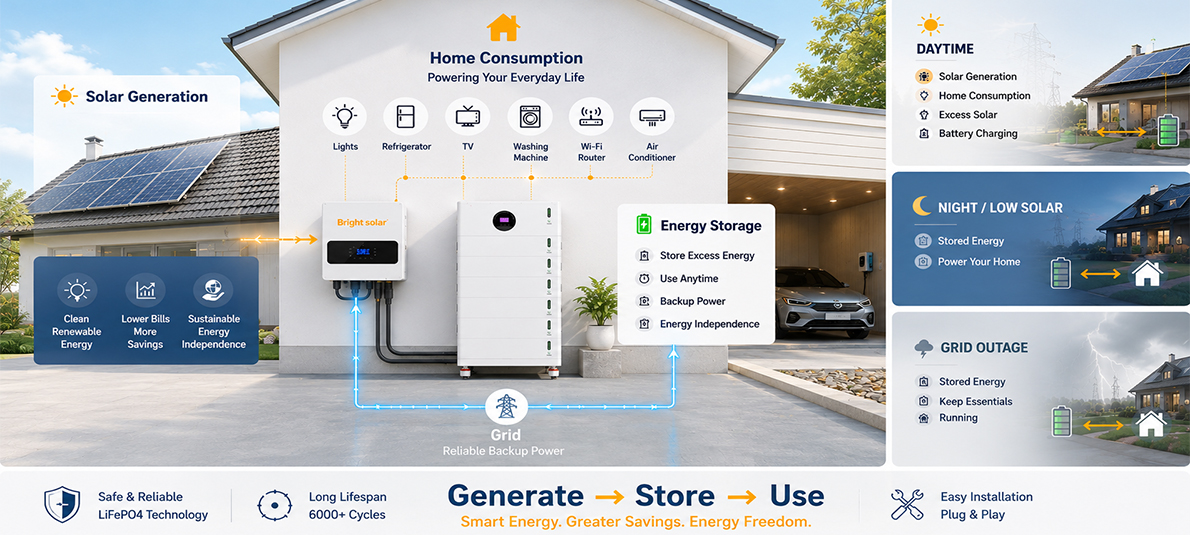
    Solar Energy Timing Gap. Solar panels generate most of their electricity during daylight hours, while residential energy demand can remain high in the evening when solar production is falling. This creates a gap between solar generation and household energy consumption. A solar battery storage system can store daytime generation and provide energy later when it is needed.
  • 02

    Excess Solar Energy

    When a residential solar system produces more electricity than the home can use immediately, the excess solar power may be exported to the grid or otherwise not used at that moment. Battery energy storage allows homeowners to capture more of this excess solar energy and use it later, increasing solar self-consumption and improving the utilization of the PV system.
  • 03

    Peak Electricity Demand

    Household electricity demand often increases during periods when solar generation is lower, such as evenings, while electricity prices may also vary by time of use. Home battery storage can shift stored solar energy to higher-demand or higher-cost periods, helping homeowners manage when they consume grid electricity. The actual savings depend on local electricity tariffs, system design and operating strategy.
  • 04

    Grid Dependence & Outages

    A typical grid-connected solar system may shut down during a power outage unless it is designed with the appropriate inverter and energy storage system. Solar plus storage can provide backup power for selected household loads during grid interruptions, while also reducing reliance on grid electricity during normal operation.

Maximize Residential Solar Energy with Energy Storage

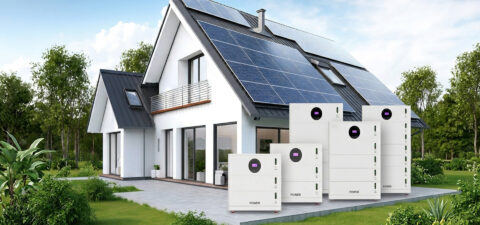
Solar power generation is primarily concentrated during the day, whilst household electricity demand extends throughout the day at various times. Combining solar panels with an energy storage system allows immediate household electricity needs to be met as a priority, whilst storing surplus solar energy for use at night, during periods of low sunlight or in the event of a power cut. Through the integrated configuration of ‘Solar + Storage’, the rate of self-consumption of solar energy can be increased, reliance on the grid can be reduced, and more flexible and reliable energy solutions can be provided for a range of residential applications.
Maximize Residential Solar Energy with Energy Storage

Solar & Storage Solutions for Different Projects

  • Rooftop Energy Storage System3

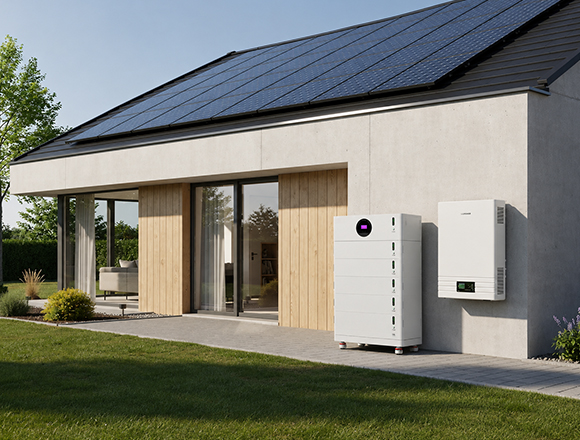
    Rooftop Energy Storage System

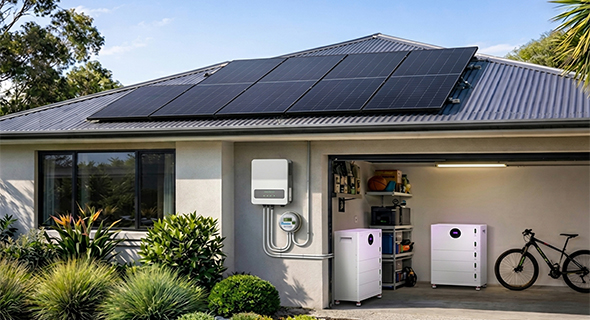
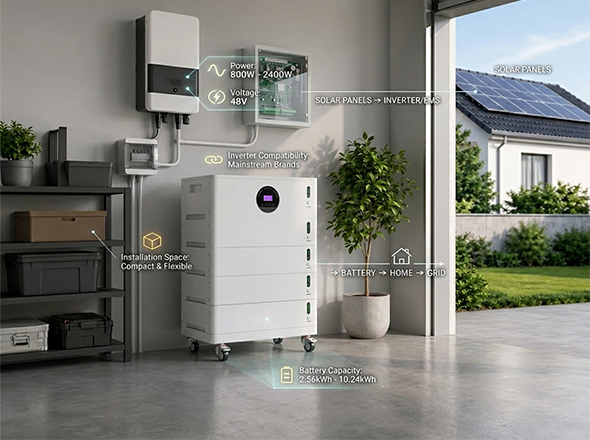
    For homes with available rooftop space, solar panels can generate electricity during the day while a home battery stores excess solar energy for later use. This configuration helps increase solar self-consumption, reduce reliance on grid electricity and provide backup power when needed.
  • balcony

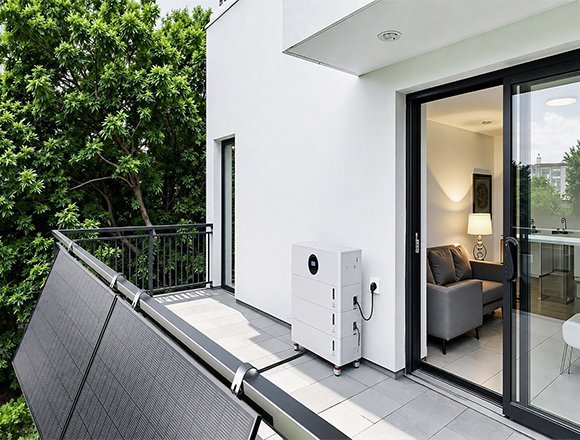
    Balcony Energy Storage System

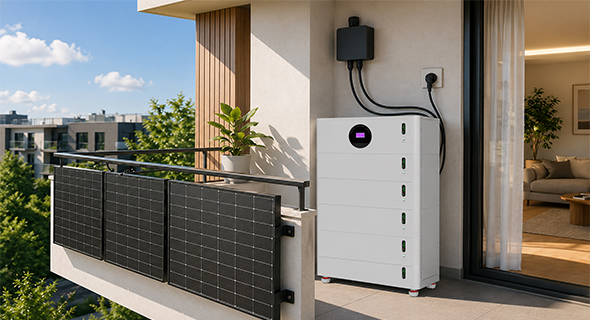
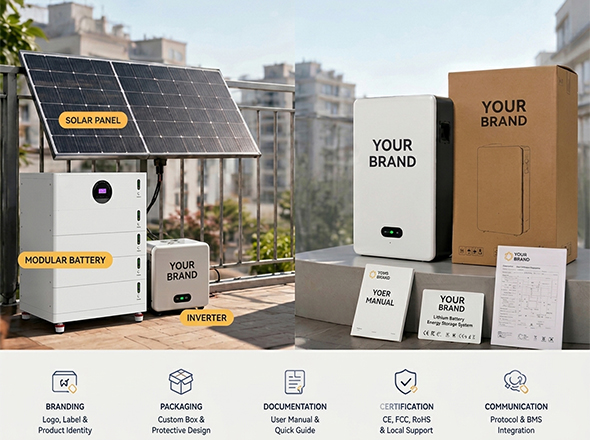
    For apartments, urban homes and properties with limited roof space, balcony solar panels can be combined with a compact battery storage system to create a flexible residential energy solution. Solar energy generated during the day can be used directly or stored in the battery for later use, helping households make better use of limited installation space while reducing dependence on grid electricity.

Complete Solar & Energy Storage System

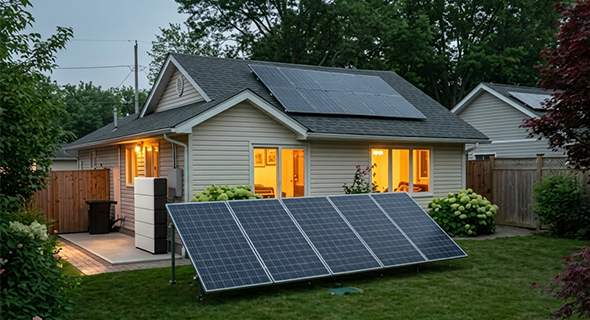
We provide integrated solar and energy storage solutions combining solar panels, battery storage, inverters and system accessories for different residential applications. From rooftop solar and home battery systems to balcony solar storage and off-grid applications, we help B2B partners configure the right combination of components based on power requirements, installation space, system voltage and energy storage needs.
  • Application 1
  • Application 2
  • 3
  • Application 4

Custom Solar & Energy Storage Solutions

  • cutomize
  • customize 2

Build Your Home Solar & Storage Solution

Start Your Custom Project

Home Solar & Energy Storage FAQ

When choosing a residential solar energy storage system, it is important not only to consider battery capacity but also to comprehensively evaluate solar panel power output, inverter compatibility, installation conditions, backup power requirements, and future expansion needs.
  • What is a home solar and energy storage system?

    A home solar and energy storage system combines solar panels, battery storage, an inverter and system accessories to generate, store and use solar energy for residential applications. It can support rooftop, balcony and off-grid solar solutions.
  • How do solar panels and battery storage work together?

    Solar panels generate electricity during the day. Power can be used directly by the home, while excess solar energy is stored in the battery storage system and used later when solar generation is low. Solar → Inverter → Home Loads + Battery → Later Use
  • Are solar panels and batteries compatible with all inverters?

    No. Inverter compatibility depends on voltage range, current, MPPT range, battery communication and system architecture. The inverter model and battery specifications should be confirmed before system configuration.
  • Can balcony solar panels be combined with energy storage?

    Yes. A Balcony Solar + Energy Storage system can combine balcony solar panels, microinverters and battery storage to generate and store solar energy for apartments and homes with limited installation space.
  • Can I add battery storage to an existing solar system?

    Yes, depending on the existing PV system, inverter type, AC/DC architecture and battery compatibility. AC-coupled storage is one common approach for upgrading existing grid-tied solar systems.
  • Can a home solar battery provide backup power?

    Yes. With a compatible inverter and backup configuration, stored energy can power selected essential home loads during grid outages. Backup duration depends on battery capacity, load priority and system configuration.
  • What should B2B buyers consider when sourcing a residential ESS?

    Key factors include battery capacity, solar PV capacity, inverter compatibility, system voltage, installation space, backup requirements, monitoring, certifications and future expansion.
  • Can you provide a complete solar and energy storage solution?

    Yes. A complete solution can integrate solar panels, battery storage, microinverters or hybrid inverters, controllers and system accessories according to the application and project requirements.
  • Can you customize solar and energy storage systems for our brand?

    Yes. OEM/ODM and Private Label solutions can be developed according to requirements such as solar panel configuration, battery capacity, system voltage, inverter compatibility, branding, packaging and system components.