How Much Is a Solar Panel for a House?
How much is a solar panel for a house? A single residential solar panel usually costs between $100 and $350, while premium, high-efficiency, or flexible solar panels can cost more depending on wattage, technology, and application requirements.
When homeowners ask me about solar panel prices, they often expect the cost of one panel to tell the full story. In practice, the panel is only one part of a complete solar investment.
I have reviewed residential solar projects where the same number of panels produced completely different total quotes. One homeowner focused on finding the lowest panel price, but later discovered that installation hardware, inverter selection, roof preparation, and labor costs had a much larger impact on the final budget.
At Bright Solar, we evaluate solar solutions based on the actual application rather than only the price of one module. A solar panel should provide reliable energy production for years, not simply appear inexpensive at the time of purchase.
What Is the Average Price of One Solar Panel for a House?
The price of a solar panel depends mainly on its power rating, efficiency, material quality, and manufacturer.
Typical residential solar panel prices:
| Solar Panel Type | Typical Price Range |
|---|---|
| 100W solar panel | $80–$180 |
| 200W solar panel | $150–$350 |
| 300W solar panel | $280–$500 |
| 400W solar panel | $400–$700 |
| 500W+ solar panel | $500–$900+ |
For standard rooftop residential systems, many homeowners choose panels between 350W and 450W because they offer a good balance between output and installation space.
According to the National Renewable Energy Laboratory (NREL), photovoltaic module prices have declined significantly over time due to improvements in manufacturing efficiency, technology development, and increased production scale.
Source:
- National Renewable Energy Laboratory (NREL): https://www.nrel.gov
How Much Does a 400 Watt Solar Panel Cost for a House?
A 400W solar panel is one of the most common residential solar module sizes today.
Typical price range:
$140–$350 per panel
The final price depends on:
- Solar cell technology
- Panel efficiency
- Brand reputation
- Warranty period
- Quantity purchased
- Application requirements
A premium 400W panel may cost more because it offers:
- Higher efficiency
- Better temperature performance
- Stronger durability
- Longer product warranty
However, choosing a solar panel should not be based only on the lowest purchase price.
A cheaper panel may not always provide the best long-term value if it has lower efficiency or limited warranty support.
What Factors Affect the Price of a Solar Panel?
The cost of a solar panel for a house changes depending on several technical factors.
1. Solar Panel Wattage
Higher wattage panels usually cost more because they contain more photovoltaic cells and provide greater electricity output.
Common residential options:
| Wattage | Typical Application |
|---|---|
| 100W–200W | Portable solar, RV, small systems |
| 300W–400W | Residential rooftops |
| 450W–600W | High-output installations |
For example:
A 200W panel may be affordable for a small off-grid project, while a homeowner installing a complete rooftop system may prefer multiple 400W panels.
2. Solar Cell Technology
Different technologies influence solar panel prices.
Monocrystalline Solar Panels
Most residential systems use monocrystalline panels because they provide:
- High efficiency
- Better space utilization
- Reliable outdoor performance
Bifacial Solar Panels
Bifacial modules can generate electricity from both sides under suitable installation conditions.
Flexible Solar Panels
Flexible solar panels are designed for applications where traditional rigid panels may not be practical.
Common uses include:
- RV roofs
- Boats
- Curved surfaces
- Portable energy systems
- Lightweight structures
Bright Solar develops flexible solar solutions for customers who need adaptable photovoltaic products.
Are Solar Panels the Biggest Part of Home Solar Costs?
No. The solar panel itself is only one component of a complete home solar system.
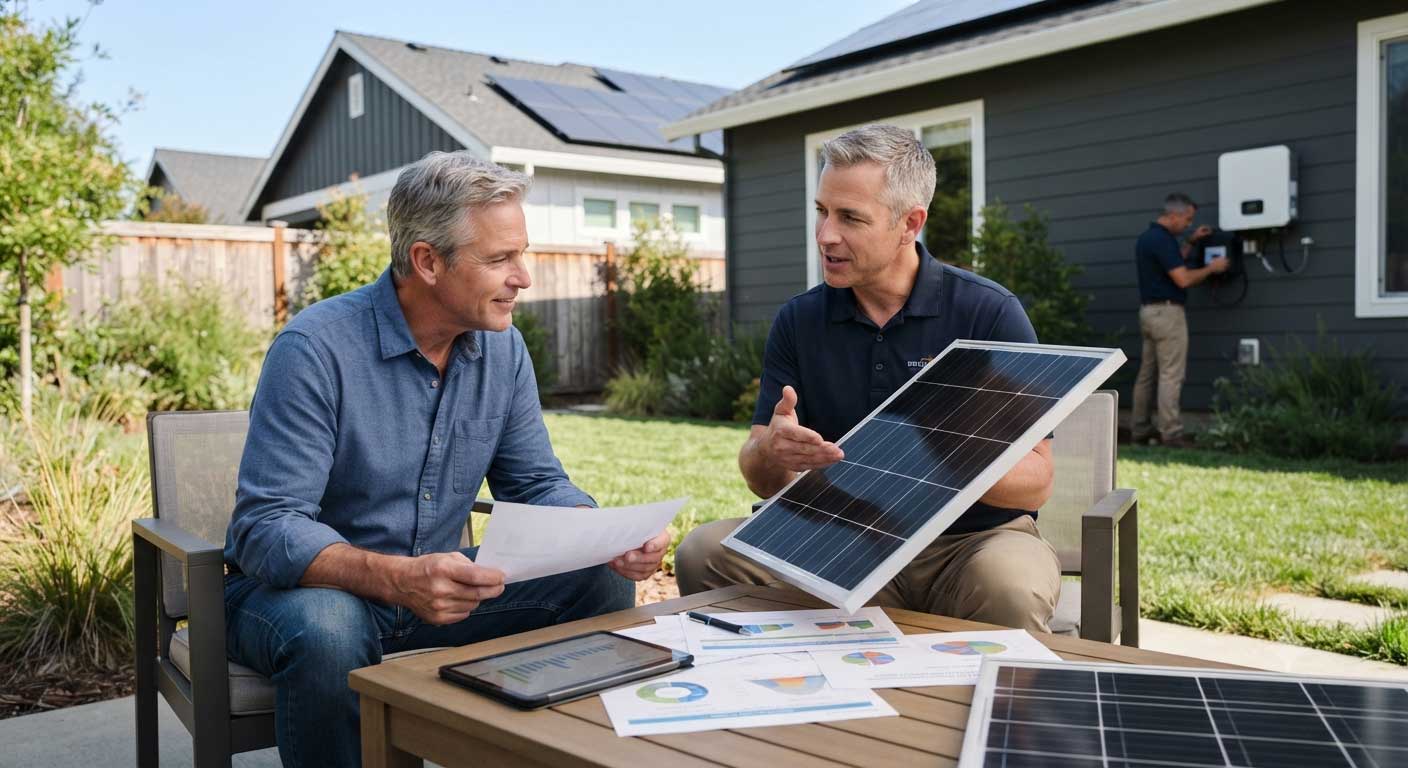
A complete installation may include:
| Component | Approximate Cost Share |
|---|---|
| Solar panels | 20–30% |
| Inverter | 10–15% |
| Mounting equipment | Around 10% |
| Labor | 25–35% |
| Electrical work | 10–15% |
| Permits and design | 10–15% |
Many homeowners are surprised when they compare panel prices with complete installation quotes.
The reason is simple: generating solar electricity requires more than photovoltaic modules.
A complete system needs:
- Energy conversion equipment
- Structural mounting
- Electrical connection
- Safety inspection
- Professional installation
How Many Solar Panels Does a House Need?
The number of solar panels required depends on electricity consumption rather than home size alone.
Factors include:
- Monthly electricity usage
- Roof space
- Panel wattage
- Sunlight availability
- Energy goals
Example:
| Home Electricity Usage | Approximate Number of 400W Panels |
|---|---|
| 300 kWh/month | 6–10 panels |
| 600 kWh/month | 10–18 panels |
| 900 kWh/month | 15–25 panels |
| 1,200 kWh/month | 20–35 panels |
According to the U.S. Energy Information Administration (EIA), the average U.S. residential customer uses approximately 886 kWh of electricity per month.
Source:
- U.S. Energy Information Administration (EIA): https://www.eia.gov
This means many homes require multiple solar panels rather than a single module.
Does a More Expensive Solar Panel Produce More Electricity?
Not necessarily.
A higher-priced solar panel may include:
- Better efficiency
- Improved materials
- Longer warranty
- Stronger environmental resistance
However, electricity production depends on the complete installation.
A lower-cost panel installed in excellent sunlight conditions may outperform an expensive panel installed in poor conditions.
During a solar project review, I once found that improving the installation angle increased energy production more effectively than upgrading to a more expensive panel model.
The lesson was clear: good system design matters as much as product selection.
Why Choose Bright Solar Solar Panels for Home Applications?
Bright Solar focuses on creating solar solutions that balance:
- Energy performance
- Installation flexibility
- Product durability
- Real-world usability
Our solar panels support different applications, including:
- Residential energy systems
- RV solar power
- Marine applications
- Portable solar solutions
- Off-grid projects
For homeowners and installers, the best solar panel is the one that matches the environment and energy requirements.
How Can Homeowners Reduce the Cost of Solar Panels?
Reducing solar costs does not always mean buying the cheapest panel available. A better approach is selecting a system that provides the right balance between upfront price, energy production, and long-term reliability.
Several methods can help reduce the total investment.
1. Buy the Right Panel Size for Your Energy Needs
One common mistake is choosing solar panels based only on price per unit.
A homeowner should first understand:
- Monthly electricity consumption
- Available roof area
- Future energy requirements
- Local sunlight conditions
For example, purchasing inexpensive low-wattage panels may require more modules, additional mounting equipment, and more installation labor.
A higher-efficiency panel with a higher upfront cost may actually reduce the total system cost because fewer panels are required.
2. Compare Complete Solar System Quotes
When comparing solar suppliers, homeowners should not only compare the price of individual panels.
A complete comparison should include:
| Evaluation Item | Why It Matters |
|---|---|
| Panel efficiency | Determines energy output from available space |
| Product warranty | Protects long-term investment |
| Temperature performance | Influences output in hot climates |
| Installation method | Affects safety and durability |
| Expected annual production | Shows real energy value |
A solar panel that costs slightly more but produces more electricity over 25 years may provide better overall value.
3. Consider Flexible Solar Panels for Special Home Applications
Traditional rigid solar panels are suitable for many residential rooftops, but some homes require alternative solutions.
Flexible solar panels can be useful when:
- Roof structures have weight limitations
- Installation surfaces are curved
- Mobility is important
- Portable energy is required
Bright Solar flexible solar panels are designed for applications where lightweight and adaptable solar technology is valuable.
For example, an RV owner may have enough space for solar installation but limited roof load capacity. A lightweight flexible panel can solve the installation challenge without sacrificing renewable energy production.
How Long Does a Solar Panel Last for a House?
Most residential solar panels are designed for long-term operation.
A quality solar panel typically lasts:
25 years or more
However, solar panels do not suddenly stop working after this period. Instead, their electricity production gradually decreases over time.
Typical lifespan:
| Component | Expected Service Life |
|---|---|
| Solar panels | 25–30 years |
| Solar inverter | 10–15 years |
| Mounting system | 25+ years |
| Battery storage | 10–15 years |
Most manufacturers provide performance warranties that guarantee a certain percentage of original output after 25 years.
The actual lifespan depends on:
- Material quality
- Weather exposure
- Installation quality
- Maintenance practices
Is Buying Solar Panels for a House Worth It?
For many homeowners, solar panels can provide long-term financial and environmental benefits.
The main advantages include:
- Lower electricity expenses
- Reduced dependence on utility companies
- Renewable energy generation
- Protection against future electricity price increases
The U.S. Department of Energy (DOE) notes that solar photovoltaic systems have low operating costs after installation because sunlight is free and systems require limited ongoing maintenance.
Source:
- U.S. Department of Energy: https://www.energy.gov
However, the return on investment depends on:
- Electricity prices
- Solar resources
- Installation cost
- System performance
- Available incentives
A solar system should be evaluated as a long-term energy investment rather than only an equipment purchase.
How Bright Solar Provides Reliable Solar Solutions
At Bright Solar, we believe solar products should solve real customer problems.
The cost of a solar panel is important, but the final decision should consider:
- Where the panel will be installed
- How much electricity is required
- Environmental conditions
- Long-term performance expectations
Bright Solar flexible solar panels are developed for customers who need:
- Lightweight photovoltaic solutions
- Durable outdoor performance
- Flexible installation options
- Portable renewable energy
From residential applications to mobile energy projects, the goal is the same: provide dependable solar power where traditional solutions may not be suitable.
FAQ About How Much Is a Solar Panel for a House?
How much is a solar panel for a house?
A single residential solar panel usually costs around $100–$350, while higher-performance and flexible solar panels may cost more depending on wattage and technology.
How much does a complete home solar system cost?
A complete residential solar system commonly costs around $15,000–$30,000 before incentives, depending on system size, equipment, and installation conditions.
Are expensive solar panels better?
Not always. A more expensive panel may provide better efficiency or durability, but the best choice depends on installation conditions and energy requirements.
How many solar panels does an average house need?
Many homes require approximately 15–25 solar panels, depending on electricity usage, panel wattage, sunlight conditions, and system design.
Can one solar panel power a house?
Usually no. One panel can provide electricity for small devices, but most homes require multiple panels connected into a complete solar system.
Are flexible solar panels suitable for homes?
Yes. Flexible solar panels are suitable for homes and other applications where lightweight construction, curved surfaces, or installation flexibility are important.
How often do solar panels need maintenance?
Solar panels usually require minimal maintenance. Periodic cleaning and system inspections help maintain reliable energy production.
How Much Is A Solar Panel For House?
A single solar panel for a house usually costs between $100 and $500, depending on wattage, technology, and brand. However, a complete home solar system requires multiple panels, inverters, mounting equipment, and installation services.Learn more about “How Much Is A Solar Panel For House“
How Much Are Solar Panels for House?
Solar panels for a house typically cost $15,000–$30,000 before incentives for a complete residential system. The final price depends on electricity usage, system size, panel efficiency, installation conditions, location, and equipment selection.Learn more about “How Much Are Solar Panels for House“
how much are solar panels for a house?
how much are solar panels for a house typically ranges from $15,000 to $30,000 for a full installed residential system in 2026. Costs vary based on system size, roof type, and location. In most real projects, installation and soft costs make up nearly half of the total price.Learn more about “how much are solar panels for a house“
Conclusion: Understanding How Much Is a Solar Panel for a House
How much is a solar panel for a house? A typical residential solar panel costs between $100 and $350, while the final investment depends on panel technology, wattage, installation requirements, and system design.
After working with solar products and reviewing different installation scenarios, I have learned that the cheapest panel is not always the most economical choice. The right solar panel is the one that matches the application and delivers reliable energy over many years.
Bright Solar continues developing flexible and efficient solar solutions for homeowners, RV users, and off-grid applications.
Understanding solar panel pricing helps customers make smarter decisions and choose renewable energy solutions that fit their actual needs.
The prev: How Are Solar Panels Made Step by Step?The next: What will a 100 watt solar panel kit run?
Related recommendations
-

What a Solar Panel Is Made Of?
257A solar panel combines silicon cells, protective layers, encapsulants, structural materials, and electrical components to generate and protect solar power.
View details -
How Many Kilowatts Can a Solar Panel Produce?
281How many kilowatts can a solar panel produce? Learn typical solar panel power output, real-world performance, and expert insights from Bright Solar to estimate your energy production.
View details -
how many kilowatts does a solar panel generate?
130A solar panel’s rated power typically ranges from about 0.3–0.7 kW, while actual energy production varies with site and operating conditions.
View details -
How Much To Install Solar Panels On My House?
255How much to install solar panels on my house? Learn real solar installation costs, system factors, and expert advice from Bright Solar for homeowners.
View details