flexible solar panels 100w: Lightweight Solar Solution for Portable Energy Applications
Flexible solar panels 100w are lightweight photovoltaic solutions designed to provide reliable solar power for RVs, boats, camping systems, and off-grid applications. They deliver efficient energy generation where traditional rigid solar panels are difficult to install.
At Bright Solar, we develop flexible photovoltaic products for real-world applications where weight, space, and installation conditions matter. A 100W flexible solar panel is not designed to compete with large rooftop solar systems; its strength is providing practical energy in places where conventional modules cannot fit.
During product testing and customer discussions, one common requirement appears repeatedly: users want solar power without carrying heavy equipment.
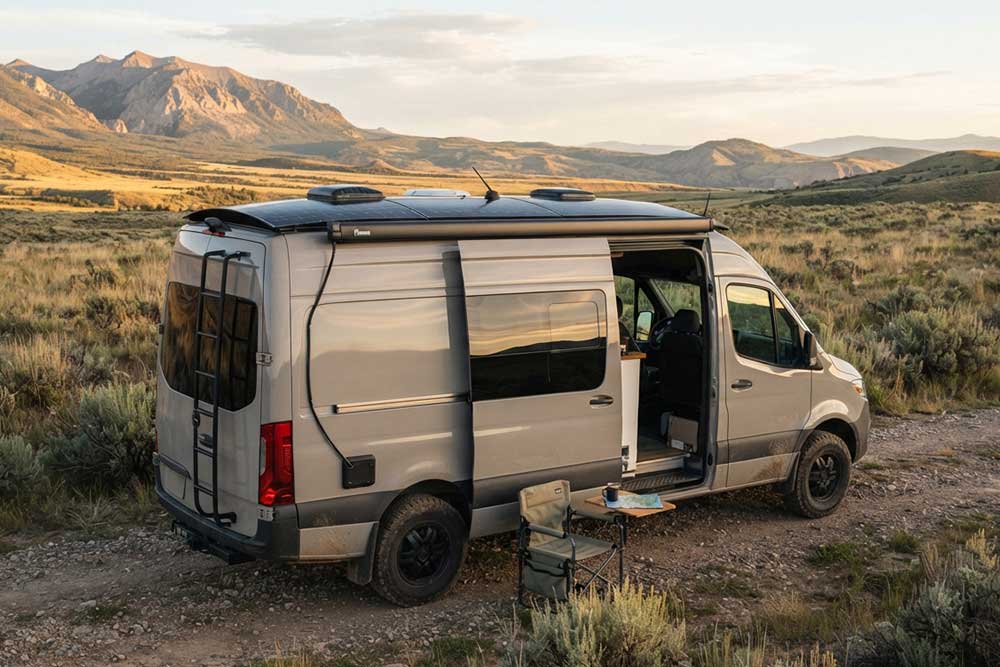
A camper owner in Germany once explained that every kilogram added to his converted van affected storage capacity and driving efficiency. Instead of installing a traditional glass solar panel, he selected a lightweight flexible solution that matched the curved roof structure and reduced installation complexity.
This type of feedback has shaped how Bright Solar approaches flexible solar development.
What are flexible solar panels 100w?
Flexible solar panels 100w are photovoltaic modules capable of producing up to 100 watts of electrical power under standard test conditions while maintaining a lightweight and bendable structure.
Unlike traditional rigid solar panels that use thick glass and aluminum frames, flexible solar panels typically use:
| Component | Purpose |
|---|---|
| Monocrystalline solar cells | Convert sunlight into electricity |
| ETFE coating | Protect against UV rays and weather |
| Flexible substrate | Allows bending and lightweight installation |
| Encapsulation layer | Protect internal solar components |
| Junction box | Transfers generated electricity |
The main advantage is installation flexibility.
A traditional solar panel usually requires:
- Flat mounting surfaces
- Strong brackets
- Additional support structures
A 100W flexible solar panel can be installed on:
- RV roofs
- Boat decks
- Camping equipment
- Portable power stations
- Curved surfaces
According to the National Renewable Energy Laboratory (NREL), photovoltaic energy production depends on solar irradiance, temperature, module efficiency, and system design.
This means the panel specification alone does not determine performance. Installation environment and system matching are equally important.
Why choose flexible solar panels 100w?
A 100W flexible solar panel is popular because it balances power output, size, and portability.
For many mobile applications, larger solar systems are not always better.
Users often face limitations:
- Limited roof area
- Weight restrictions
- Curved installation surfaces
- Need for easy transportation
A 100W flexible panel provides a practical middle option.
Lightweight design for mobile applications
Weight is a major consideration for mobile energy systems.
For example:
An RV owner may already carry:
- Water tanks
- Batteries
- Camping equipment
- Kitchen systems
Adding heavy solar equipment increases vehicle load.
Flexible solar panels reduce weight by removing traditional glass frames.
Benefits include:
- Easier transportation
- Lower roof load
- Simpler installation
- Better suitability for mobile environments
Flexible installation on uneven surfaces
Many outdoor applications do not have perfectly flat mounting areas.
Examples:
RV roofs
RV roofs often include:
- Curved sections
- Vent openings
- Air conditioners
- Storage areas
Flexible panels can use available space more efficiently.
Marine applications
Boat surfaces often include:
- Curved cabins
- Limited deck areas
- Lightweight structures
Flexible solar technology provides more installation options.
Technical features of Bright Solar flexible solar panels 100w
At Bright Solar, the design focus is not only power output.
A reliable flexible solar panel needs to handle real outdoor conditions.
High-efficiency monocrystalline solar cells
Space is limited in portable applications.
A 100W panel must generate meaningful power from a compact surface area.
Monocrystalline cells provide:
- Higher conversion efficiency
- Better low-light performance
- Compact panel design
This makes them suitable for:
- Camping
- RV travel
- Marine applications
- Remote power systems
ETFE surface protection
Outdoor solar products face continuous exposure to:
- Sunlight
- Rain
- Dust
- Temperature changes
Bright Solar flexible panels use durable surface materials designed for outdoor environments.
ETFE coating provides:
- UV resistance
- Scratch resistance
- High transparency
- Long-term weather protection
This is especially important for mobile solar applications where replacement is inconvenient.
Lightweight and durable structure
A flexible panel must maintain durability while reducing weight.
The engineering challenge is balancing:
- Flexibility
- Electrical stability
- Mechanical strength
A good flexible solar panel should not simply bend; it must continue operating reliably after repeated outdoor use.
How much power can flexible solar panels 100w generate?
The actual output of a 100W flexible solar panel depends on:
- Sunlight intensity
- Installation angle
- Temperature
- Location
- Charge controller efficiency
A basic calculation:
Daily Energy = Solar Capacity × Peak Sun Hours × System Efficiency
Example:
100W × 5 sunlight hours × 80%
≈ 400Wh per day
This can support:
| Application | Estimated Usage |
|---|---|
| Smartphone charging | Multiple charges |
| LED lighting | Several hours |
| Small refrigerator support | Partial operation |
| Portable battery charging | Daily energy input |
The U.S. Department of Energy Solar Energy Technologies Office explains that solar output varies depending on geographic location, sunlight availability, and system conditions.
Real application case: 100W flexible solar panel for RV travel
Bright Solar received feedback from a European RV user who wanted additional energy during long-distance camping trips.
The original setup used a portable generator, but the customer wanted:
- Lower maintenance
- Quiet operation
- Renewable energy
- Less storage requirement
The final system used a 100W flexible solar panel connected to a portable battery system.
The user mainly powered:
- LED lights
- Mobile devices
- Small electronics
After several months of outdoor use, the customer reported that the lightweight installation was easier to manage compared with previous rigid solar equipment.
The important lesson from this project was simple:
Small solar systems succeed when they match actual energy needs.
A 100W panel is not intended to power an entire house. It is designed to provide dependable energy where mobility matters.
Applications of flexible solar panels 100w
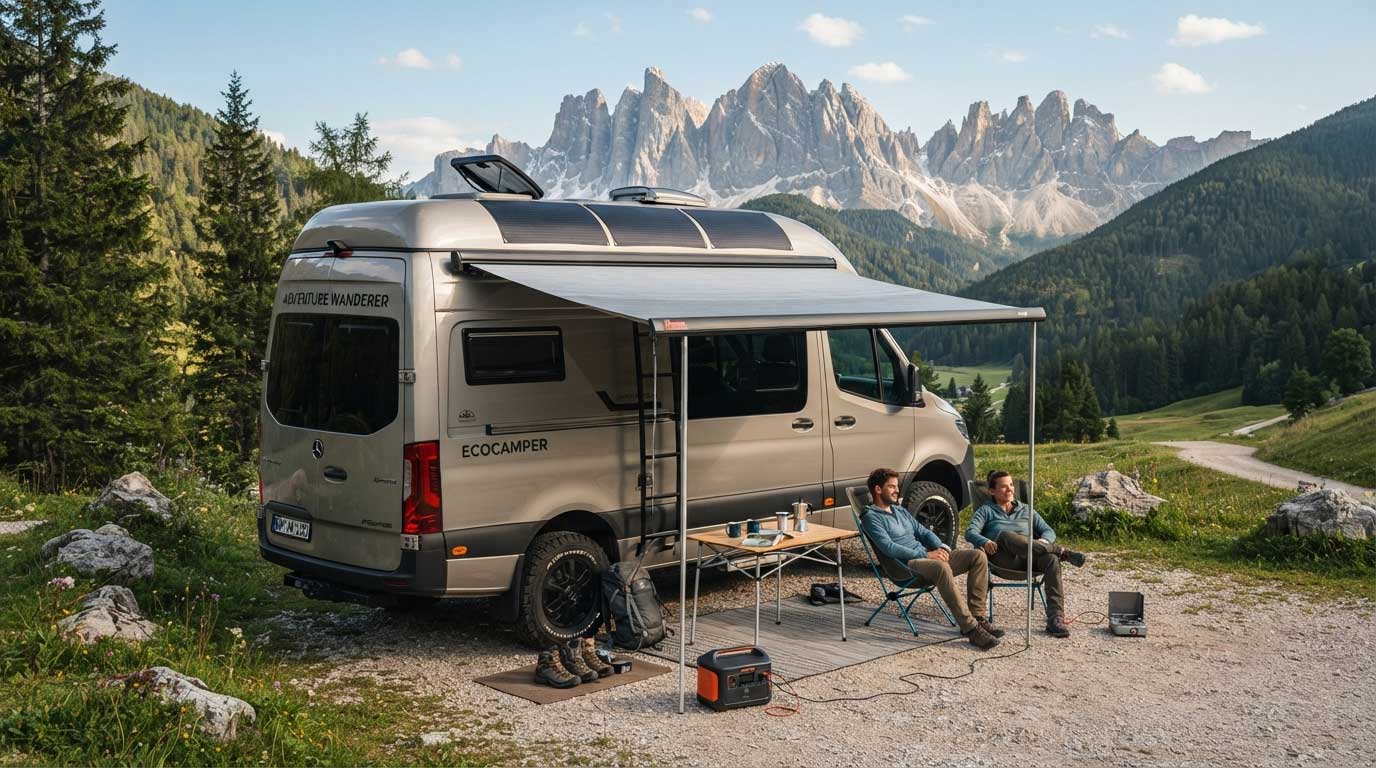
RV and camper solar systems
RV users often choose 100W flexible panels because they provide a balance between:
- Power output
- Roof space
- Weight
Typical uses include:
- Battery charging
- Lighting systems
- Communication devices
- Camping electronics
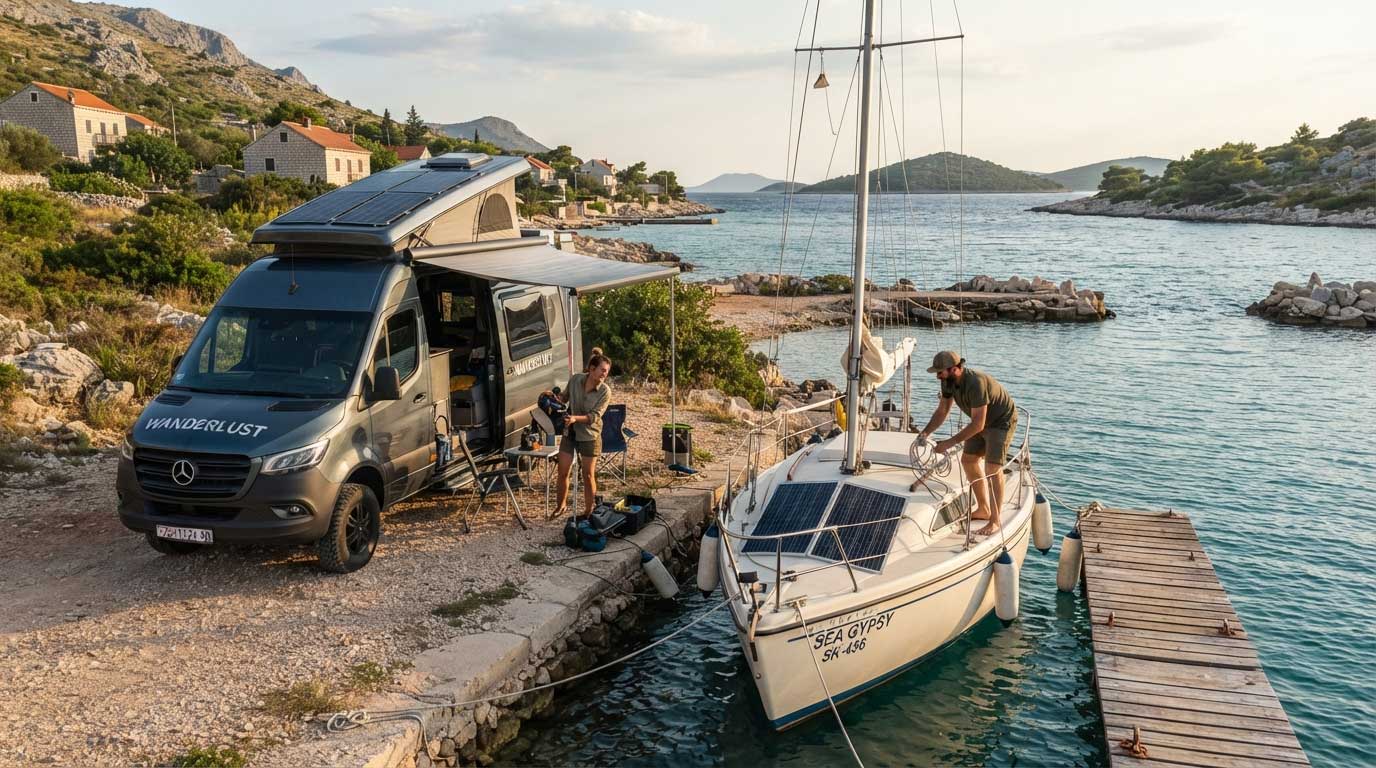
Marine and boat applications
Boats require lightweight energy solutions.
Flexible solar panels 100w can be installed on:
- Cabin roofs
- Small yachts
- Fishing boats
- Sailing equipment
Their low-profile design helps maintain the original appearance of the vessel.
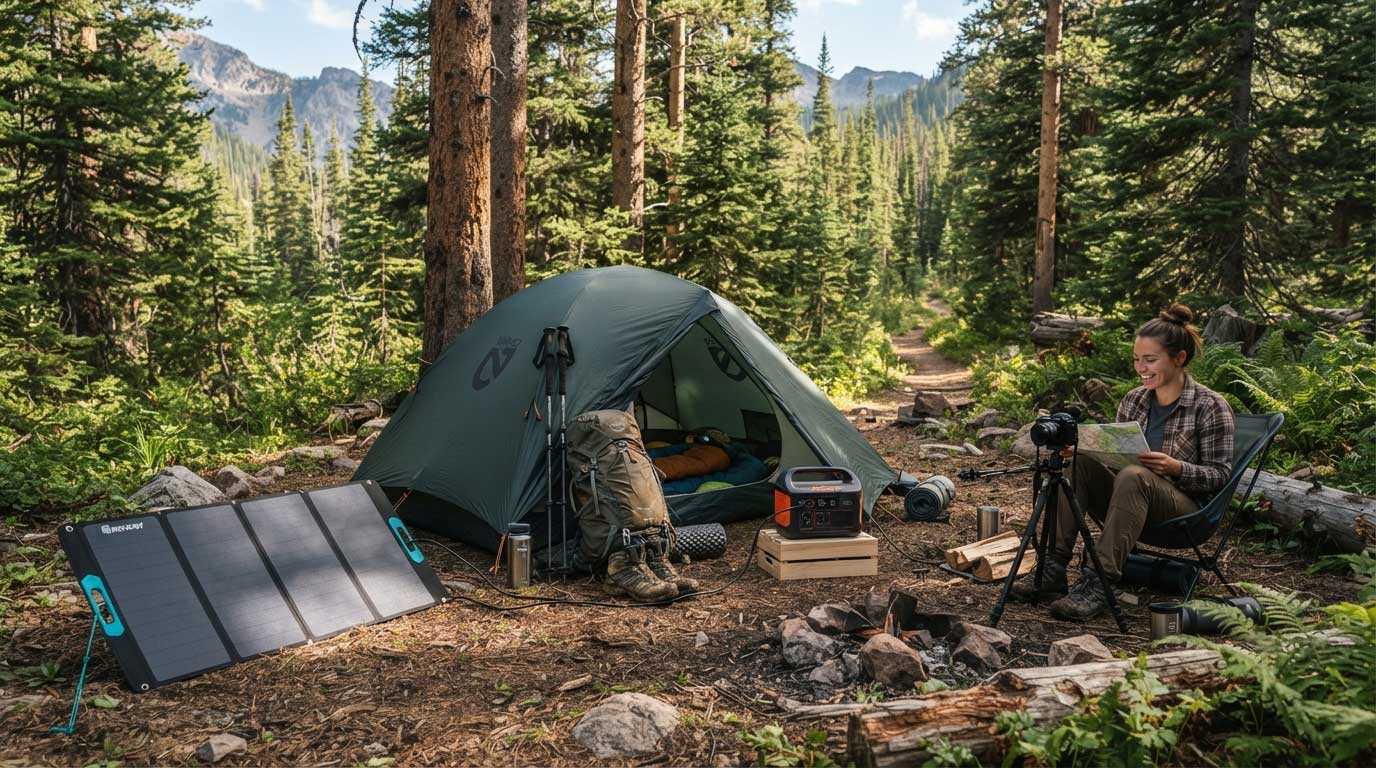
Portable off-grid power
For outdoor users, 100W flexible panels work well with:
- Portable power stations
- Emergency systems
- Remote monitoring equipment
They provide an alternative energy source without requiring permanent infrastructure.
How to install flexible solar panels 100w?
Installing flexible solar panels 100w is easier than installing traditional framed solar modules, but proper preparation is still important.
At Bright Solar, we have found that many installation problems are not caused by the solar panel itself. They usually come from incorrect surface preparation, unsuitable mounting methods, or poor electrical connections.
A reliable installation should focus on three areas:
- Mechanical attachment
- Electrical connection
- Long-term outdoor protection
Step 1: Choose the correct installation location
The first step is selecting a location with maximum sunlight exposure.
Common installation surfaces include:
| Application | Recommended Location |
|---|---|
| RV | Roof area without shade |
| Boat | Cabin roof or bimini |
| Camping system | Portable ground setup |
| Off-grid equipment | Outdoor exposed surface |
Before installation, check:
- Shade from trees or equipment
- Surface condition
- Available dimensions
- Cable routing options
A 100W panel requires enough sunlight to perform effectively.
Even partial shading from:
- Roof vents
- Antennas
- Roof racks
can reduce daily energy production.
Step 2: Prepare the mounting surface
For adhesive installation, surface preparation directly affects reliability.
Recommended preparation:
Clean the surface
Remove:
- Dust
- Oil
- Dirt
- Moisture
Dry completely
The bonding surface should be:
- Clean
- Dry
- Smooth
Test the position
Before attaching permanently:
- Place the panel
- Check alignment
- Confirm cable direction
This simple step prevents installation mistakes.
Step 3: Connect the solar charging system
A complete 100W flexible solar system normally includes:
Solar Panel → Charge Controller → Battery → Electrical Devices
Important components:
| Component | Function |
|---|---|
| Flexible solar panel | Produces electricity |
| MPPT/PWM controller | Controls charging |
| Battery | Stores energy |
| Inverter | Converts power when needed |
| Fuse protection | Improves safety |
For most RV and marine applications, an MPPT controller is preferred because it can improve energy harvesting under changing sunlight conditions.
Flexible solar panels 100w adhesive mounting vs bracket mounting
Choosing the mounting method depends on the application.
Adhesive mounting
Adhesive installation is popular for flexible solar panels because it keeps the system lightweight.
Advantages:
- No drilling
- Lower installation weight
- Cleaner appearance
- Better aerodynamic performance
Common applications:
- RV roofs
- Camper vans
- Boat cabins
Potential disadvantages:
- More difficult removal
- Requires careful surface preparation
Bracket mounting
Bracket installation provides a more traditional mounting approach.
Advantages:
- Easier replacement
- Adjustable positioning
- Better airflow underneath the panel
Suitable for:
- Temporary systems
- Larger solar arrays
- Specialized equipment
However, brackets add:
- Weight
- Hardware cost
- Installation complexity
For most mobile applications, flexible adhesive-mounted solar panels are preferred because mobility and simplicity are important.
How to match a battery with flexible solar panels 100w?
A common mistake is selecting a solar panel without considering battery capacity.
A 100W flexible solar panel can work with:
- Lithium batteries
- AGM batteries
- Gel batteries
Example:
A 100W panel generating approximately 400Wh daily can support:
- 500Wh portable power stations
- Small RV batteries
- Emergency backup systems
Battery selection depends on:
- Daily electricity usage
- Required backup time
- Charging speed
Example:
If a user consumes:
- 50Wh lighting
- 100Wh electronics
- 200Wh refrigerator support
Daily requirement:
≈350Wh
A 100W solar panel may provide suitable support under good sunlight conditions.
How much do flexible solar panels 100w cost?
The price of flexible solar panels 100w varies depending on:
- Solar cell quality
- Surface materials
- Waterproof rating
- Manufacturing process
- Custom requirements
Typical market range:
| Product Type | Approximate Price |
|---|---|
| Basic flexible 100W panel | $100–$150 |
| Premium ETFE flexible 100W panel | $150–$250 |
| Customized marine/RV solution | Depends on specification |
Although flexible panels can have a higher cost per watt than standard rigid modules, many users choose them because installation advantages are valuable.
The total system cost should include:
- Solar panel
- Controller
- Battery
- Wiring
- Installation materials
Why choose Bright Solar flexible solar panels 100w?
Bright Solar focuses on developing flexible solar solutions for practical outdoor applications.
Our experience covers:
- RV solar systems
- Marine solar applications
- Portable energy solutions
- Customized solar products
The development process considers real customer environments.
A solar panel used outdoors must survive more than laboratory conditions.
It needs to handle:
- Heat
- Rain
- UV exposure
- Transportation
- Frequent installation changes
Product development based on customer applications
Different users have different requirements.
An RV customer may need:
- Lightweight design
- Easy installation
A marine customer may prioritize:
- Waterproof protection
- Corrosion resistance
A portable power user may require:
- Compact size
- Easy transportation
Bright Solar develops flexible solar products based on these practical requirements.
Quality considerations for flexible solar panels 100w
When evaluating a 100W flexible solar panel, buyers should check:
Solar cell efficiency
Higher efficiency allows better energy output from limited space.
Surface protection
Outdoor panels need protection against:
- UV radiation
- Scratches
- Weather exposure
Electrical reliability
Important factors include:
- Junction box quality
- Cable durability
- Connector performance
How to choose the best flexible solar panels 100w?
Before purchasing, consider these points.
1. Define your application
Different applications require different designs.
RV users focus on:
- Lightweight installation
Boat users focus on:
- Marine durability
Campers focus on:
- Portability
2. Check real power requirements
Do not select solar capacity only because of available space.
Calculate:
- Daily energy consumption
- Battery capacity
- Expected sunlight
A correctly sized system performs better than an oversized system with poor installation.
3. Consider environmental conditions
Outdoor conditions matter.
For harsh environments, look for:
- Waterproof construction
- UV-resistant coating
- Strong encapsulation
FAQ About flexible solar panels 100w?
What can a 100W flexible solar panel power?
A 100W flexible solar panel can support devices such as LED lights, mobile electronics, portable batteries, and small appliances depending on energy consumption.
Are flexible solar panels 100w waterproof?
Many flexible solar panels designed for outdoor applications include waterproof protection, but users should check product specifications before installation.
Can flexible solar panels 100w be installed on RV roofs?
Yes. They are widely used for RV roofs because they are lightweight and can adapt to curved surfaces.
How long do flexible solar panels 100w last?
The lifespan depends on materials, manufacturing quality, and environmental exposure. Premium flexible panels designed for outdoor use can provide long-term performance.
Can a 100W flexible solar panel charge a battery?
Yes. When connected through a suitable solar charge controller, it can charge compatible battery systems.
Are flexible solar panels better than rigid solar panels?
They are better for applications requiring low weight, flexibility, and easier installation. Rigid panels may still be preferred for large permanent solar systems.
Can flexible solar panels 100w work in cloudy weather?
Yes, they can still generate electricity under cloudy conditions, but output will be lower compared with direct sunlight.
Conclusion: Are flexible solar panels 100w the right choice?
Flexible solar panels 100w provide a practical balance between portability, efficiency, and installation flexibility.
They are especially suitable for users who need renewable energy in mobile environments such as:
- RV travel
- Marine applications
- Camping
- Remote power systems
At Bright Solar, we believe flexible solar technology should solve real problems, not simply provide higher specifications.
A successful solar solution depends on matching:
- Panel design
- Installation environment
- Energy requirements
With lightweight construction, durable materials, and flexible installation options, 100W flexible solar panels continue to become an important choice for modern outdoor energy applications.
Related recommendations
-

400 Watt Solar Panel: Real Performance, Efficiency, and Buying Guide
303400 watt solar panel systems deliver reliable off-grid and residential power. Learn efficiency, output, installation tips, and real-world performance.
View details -
12V Flexible Solar Panel Kit: The Complete Guide for Mobile Solar Power
127Discover how a 12V flexible solar panel kit provides lightweight, efficient power for RVs, boats, campervans, and off-grid systems. Installation tips included.
View details -
Solar Panels for Battery Charging: How to Choose the Right System and Maximize Battery Performance
153Discover how solar panels for battery charging work, how to size the right system, avoid charging mistakes, and maximize battery life with Bright Solar solutions.
View details -
Flexible Film Solar Panels: Technology, Applications and Buying Guide
49Flexible film solar panels use lightweight photovoltaic structures on flexible substrates for curved, weight-sensitive, mobile, marine, and specialty surfaces.
View details