flexible solar panel 100w: Lightweight Solar Solution for RV, Marine and Off-Grid Applications
A flexible solar panel 100w provides 100 watts of portable solar power in a lightweight and adaptable design. It is ideal for RVs, boats, camping equipment, and off-grid systems where traditional rigid solar panels are too heavy or difficult to install.
At Bright Solar, we have worked with flexible photovoltaic products for different outdoor applications, including recreational vehicles, marine equipment, portable power systems, and customized solar solutions. Through these projects, we learned that customers rarely struggle with finding a solar panel that produces electricity. The real challenge is finding a panel that fits their environment.
A rigid solar module may offer excellent efficiency on a large flat roof, but it becomes inconvenient when the installation surface is curved, lightweight construction is required, or the system needs to be transported frequently.
A flexible solar panel 100w solves these practical problems by combining solar output, portability, and installation freedom.
What is a flexible solar panel 100w?
A flexible solar panel 100w is a photovoltaic module designed to generate up to 100 watts of power under Standard Test Conditions (STC) while maintaining a lightweight and flexible structure.
Unlike conventional glass solar panels, flexible solar panels use alternative materials such as polymer layers, composite back sheets, and protective films instead of heavy glass and aluminum frames.
The typical structure includes:
| Component | Function |
|---|---|
| Monocrystalline solar cells | Convert sunlight into electrical energy |
| ETFE protective surface | Provides UV resistance and surface durability |
| Flexible substrate | Allows adaptation to curved surfaces |
| Encapsulation layer | Protects internal components |
| Junction box | Transfers electricity to the solar system |
According to the National Renewable Energy Laboratory (NREL), photovoltaic module performance depends on multiple factors, including solar irradiance, temperature, module technology, and installation conditions.
This is why a professional solar solution cannot be judged only by wattage.
A 100W flexible panel installed correctly on a camper roof, boat deck, or portable structure can provide more practical value than a higher-output panel that cannot fit the application.
Why choose a flexible solar panel 100w?
When customers first contact Bright Solar, many ask the same question:
“Should I choose a flexible panel or a traditional solar panel?”
The answer depends on the installation environment.
A 100W flexible solar panel is especially suitable when the project requires:
- Low weight
- Easy transportation
- Curved surface installation
- Minimal mounting structure
- Portable energy generation
Lightweight design for mobile solar applications
Weight is one of the biggest advantages of flexible solar technology.
Traditional framed solar panels usually contain:
- Tempered glass
- Aluminum frame
- Metal mounting hardware
These components improve rigidity but increase weight.
For mobile applications, excessive weight creates problems.
Examples:
- RV fuel efficiency may be affected.
- Boat balance can become a concern.
- Portable systems become harder to carry.
- Installation becomes more complicated.
A flexible solar panel 100w reduces these limitations.
For example, during a Bright Solar application project with a European camper equipment supplier, the customer needed additional solar capacity but had strict roof weight requirements.
The original plan used rigid panels.
However, testing showed:
- Roof reinforcement was required.
- Installation time increased.
- Some curved roof areas remained unused.
After switching to flexible solar modules, the installation team reduced mounting components and improved available solar coverage.
The final system design used the roof area more effectively without adding unnecessary structural load.
How much power does a flexible solar panel 100w produce?
A flexible solar panel 100w can generate different amounts of electricity depending on sunlight conditions and system design.
The basic calculation:
Daily Energy Production = Solar Panel Wattage × Peak Sun Hours × System Efficiency
Example:
100W × 5 peak sun hours × 80% system efficiency
= approximately 400Wh per day
Actual production depends on:
- Location
- Weather
- Panel angle
- Temperature
- Shading
- Charge controller efficiency
The U.S. Department of Energy Solar Energy Technologies Office explains that solar energy output changes according to geographic location, solar resources, orientation, and system components.
A 100W flexible solar panel is commonly used for:
| Application | Typical Energy Requirements |
|---|---|
| Camping | Phones, lights, GPS, portable batteries |
| RV | Battery charging and small appliances |
| Marine | Navigation equipment and sensors |
| Remote monitoring | Communication devices |
Technology behind Bright Solar flexible solar panel 100w
Producing a reliable flexible solar panel requires balancing power output, flexibility, and durability.
At Bright Solar, we focus on solving real application problems instead of only increasing specifications.
A good flexible solar product needs to perform under actual outdoor conditions.
High-efficiency monocrystalline solar cells
Most modern flexible solar panels use monocrystalline photovoltaic cells because they provide higher efficiency compared with older solar cell technologies.
This is important because flexible panels are often installed where space is limited.
For a 100W module, higher efficiency helps achieve:
- Better output from limited surface area
- Smaller system size
- Easier integration
- Improved portability
For example, an RV roof may only provide a limited installation area after considering vents, windows, and equipment.
Every usable section matters.
ETFE surface protection for outdoor durability
Outdoor solar panels must withstand changing environmental conditions.
Common challenges include:
- UV exposure
- Rain
- Dust
- Temperature cycles
- Physical contact
Flexible solar panels with ETFE surface layers provide advantages such as:
- Strong UV resistance
- High transparency
- Scratch protection
- Improved outdoor durability
This is especially important for marine and outdoor applications.
A solar panel installed on a boat or camper may experience conditions very different from a stationary rooftop system.
Flexible structure for curved installation areas
The biggest difference between flexible and rigid solar technology is installation freedom.
Flexible panels can adapt to:
- RV roofs
- Boat decks
- Outdoor shelters
- Portable structures
- Custom equipment surfaces
However, flexibility has limits.
A professional installation should always consider:
- Maximum bending radius
- Surface compatibility
- Mounting method
- Cable protection
During customer consultations, Bright Solar often recommends evaluating the installation surface before selecting the panel size.
The correct panel is not always the biggest one.
It is the one that fits the real environment.
Applications of flexible solar panel 100w in real projects
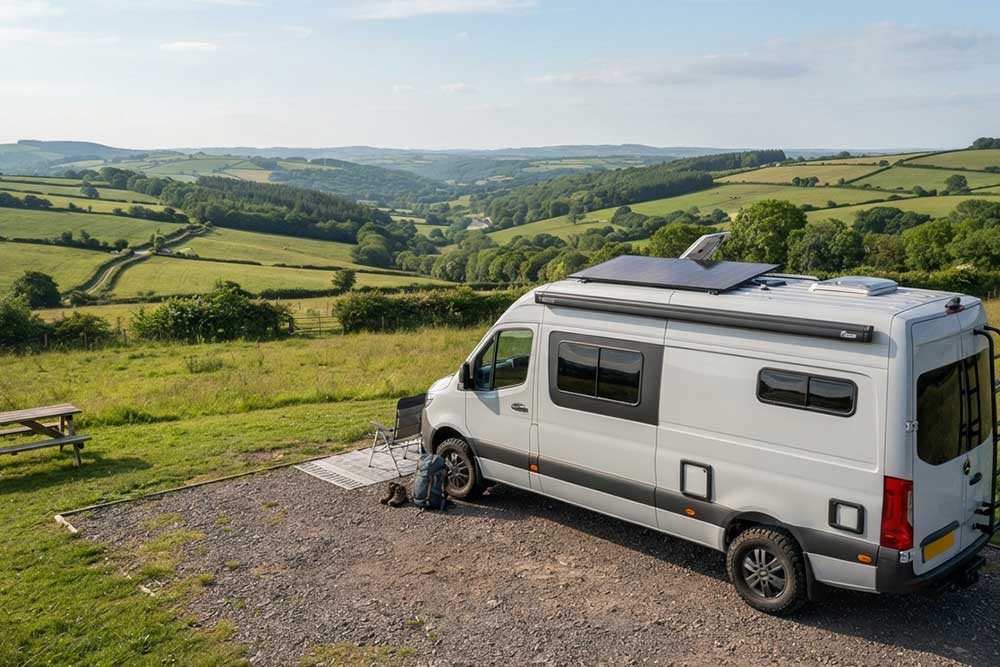
RV and camper solar systems
RV users often need independent electricity while traveling.
A 100W flexible solar panel can support:
- Battery maintenance
- LED lighting
- Mobile devices
- Communication equipment
Its lightweight structure makes it attractive for camper conversions where roof loading is limited.
Many RV owners prefer clean installations without large brackets or complicated mounting systems.
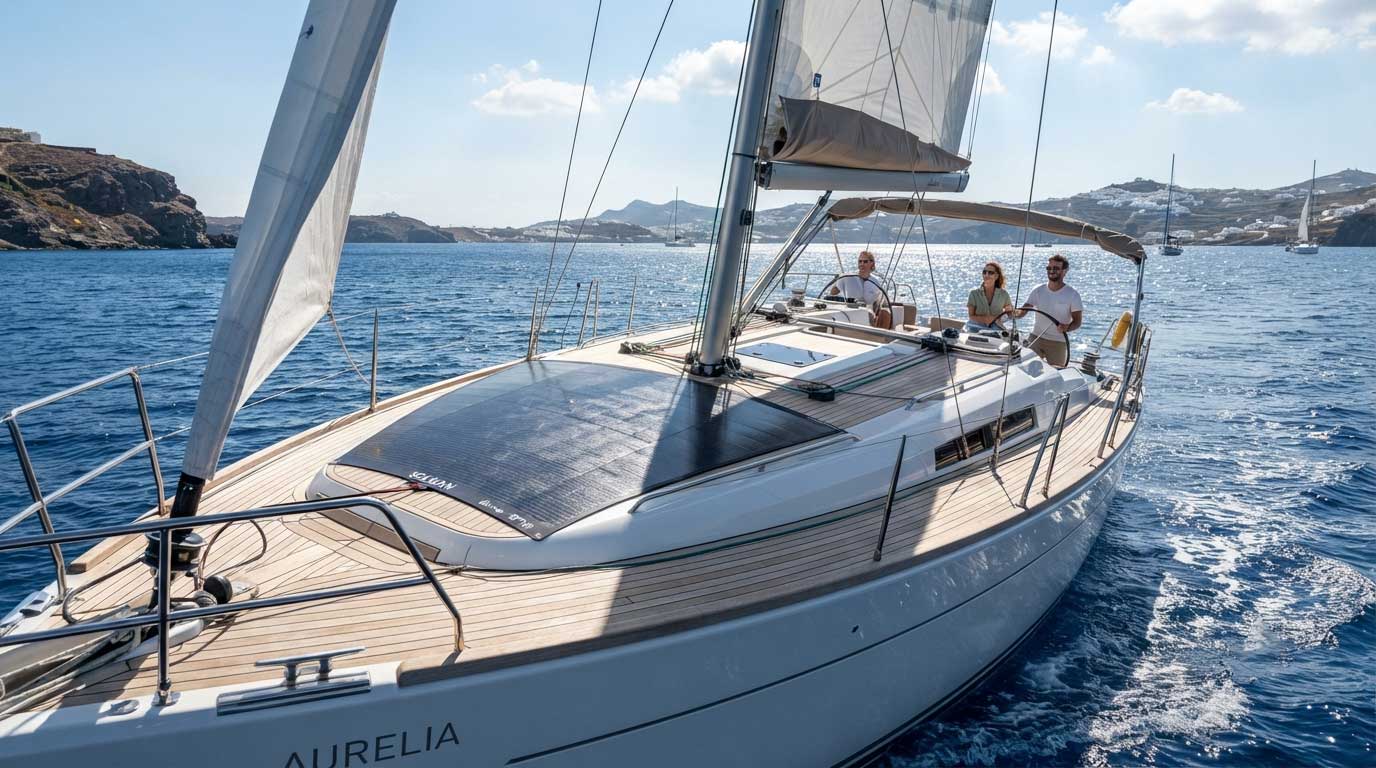
Marine solar applications
Marine environments create special installation challenges.
Boat owners often face:
- Limited available area
- Curved surfaces
- Salt exposure
- Continuous vibration
Flexible solar panels can integrate more naturally into boat designs.
They can be installed on:
- Cabin roofs
- Deck areas
- Curved surfaces
without significantly changing the vessel appearance.
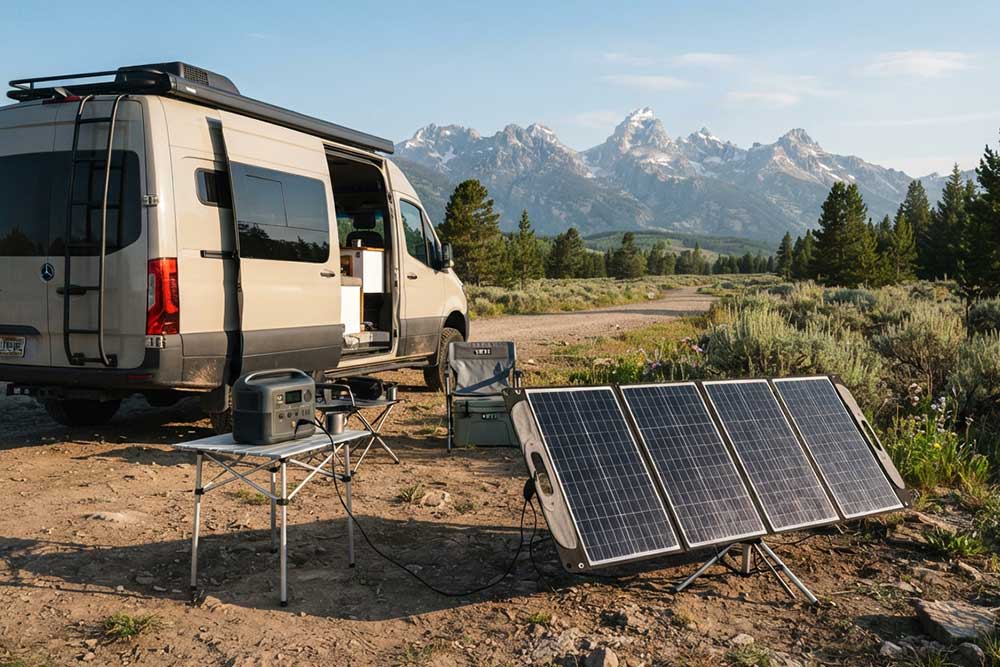
Camping and portable energy systems
Outdoor users increasingly rely on solar charging instead of fuel generators.
A flexible 100W solar panel can connect with:
- Portable power stations
- Lithium batteries
- USB charging systems
Benefits include:
- Silent operation
- Renewable energy
- Easy transportation
- Low maintenance

Real application case: Flexible solar panel 100w for portable energy equipment
One Bright Solar customer project involved a European outdoor equipment company developing compact emergency charging kits.
The customer needed a solar solution that could be:
- Easily transported
- Quickly deployed
- Used in remote locations
- Integrated with portable batteries
The first design used rigid solar panels.
However, field testing revealed several problems:
| Problem | Impact |
|---|---|
| Larger package size | Increased transportation difficulty |
| Rigid structure | Limited installation options |
| Higher weight | Reduced portability |
After switching to flexible solar technology, the company improved product integration.
The final design achieved:
- Smaller storage size
- Easier transportation
- Faster setup process
- Better user experience
The project demonstrated that solar technology is not only about electricity production.
For mobile energy products, usability determines whether the solution succeeds.
How to install a flexible solar panel 100w correctly?
Installing a flexible solar panel 100w is easier than installing many traditional framed modules, but correct preparation still determines long-term performance.
From Bright Solar’s experience with RV, marine, and portable solar projects, installation problems usually happen because of three reasons:
- The mounting surface was not prepared properly.
- The electrical system was not matched correctly.
- The panel was installed in an unsuitable location.
A flexible solar panel is designed to make installation easier, not to remove the need for proper system planning.
Step 1: Evaluate the installation surface
Before installation, check the available mounting area.
Important factors include:
- Surface size
- Curvature
- Sun exposure
- Temperature conditions
- Cable routing location
For RV installations, common obstacles include:
- Roof vents
- Air conditioners
- Satellite antennas
- Storage racks
For marine applications, consider:
- Saltwater exposure
- Walking areas
- Water drainage
- Mechanical movement
A small amount of planning can significantly improve daily energy production.
During one Bright Solar RV project review, a customer installed a flexible panel near a roof vent because the area was convenient. However, afternoon shadows reduced charging efficiency.
After moving the panel to a clearer section of the roof, the system achieved more stable performance without changing the equipment.
The lesson was simple:
The best installation location is determined by sunlight, not convenience.
Step 2: Prepare the mounting surface
A clean surface improves installation reliability.
Recommended preparation:
Remove contamination
Clean:
- Dust
- Oil
- Dirt
- Moisture
Check surface compatibility
Common installation surfaces include:
| Surface Type | Common Application |
|---|---|
| Fiberglass | RV roofs |
| Aluminum | Marine equipment |
| Composite materials | Outdoor structures |
| Plastic surfaces | Portable systems |
For adhesive installation, the surface condition directly affects bonding performance.
A properly prepared surface helps reduce:
- Panel movement
- Moisture intrusion
- Mechanical stress
Step 3: Connect the electrical system
A typical 100W flexible solar system includes:
Flexible Solar Panel → Charge Controller → Battery → Load
Important specifications:
| Specification | Purpose |
|---|---|
| Voltage | Ensures compatibility |
| Current | Determines cable size |
| Battery capacity | Controls stored energy |
| Controller type | Improves charging performance |
For battery charging applications, MPPT controllers are commonly selected because they can optimize solar energy harvesting under changing conditions.
Flexible solar panel 100w vs traditional 100W rigid solar panel
Choosing between flexible and rigid solar panels depends on the application.
Both technologies have advantages.
| Comparison | Flexible solar panel 100w | Traditional 100W rigid solar panel |
|---|---|---|
| Weight | Lightweight | Heavier |
| Installation | Simple mounting options | Requires brackets |
| Surface requirement | Curved and irregular surfaces | Flat surfaces |
| Transportation | Easier | More fragile |
| RV application | Excellent | Limited by roof design |
| Marine application | Very suitable | More difficult |
| Fixed buildings | Application dependent | Common choice |
A rigid panel remains popular for permanent installations because of its standardized mounting systems.
However, flexible technology provides advantages when:
- Weight matters
- Space is limited
- The surface is curved
- Mobility is required
For example, a boat owner may have enough sunlight but no suitable flat area for rigid panels.
A flexible solar panel solves the installation problem rather than simply increasing panel size.
How much does a flexible solar panel 100w cost?
The price of a flexible solar panel 100w depends on:
- Solar cell technology
- Protective materials
- Manufacturing quality
- Waterproof design
- Certification requirements
- Order quantity
Typical market pricing:
| Product Type | Estimated Price Range |
|---|---|
| Basic flexible 100W panel | $80–$150 |
| Premium ETFE flexible panel | $150–$250 |
| Customized OEM model | Depends on specifications |
Flexible panels usually cost more per watt than standard rigid modules because they require specialized materials and manufacturing processes.
According to photovoltaic industry analysis from the International Energy Agency (IEA), solar module prices have decreased significantly due to manufacturing scale and technology improvements. However, specialized lightweight products continue to have additional costs because of their unique construction.
When comparing suppliers, customers should consider:
- Expected service life
- Warranty support
- Material quality
- Manufacturing capability
- Application experience
A lower purchase price does not always mean lower total cost.
How Bright Solar manufactures flexible solar panel 100w solutions
At Bright Solar, flexible solar development focuses on real-world applications.
The engineering process considers:
- Where the panel will be installed
- How users transport it
- What environmental conditions it faces
- How it connects with other equipment
A flexible solar panel designed for a camper is different from one designed for marine equipment.
Material selection and product reliability
Bright Solar evaluates:
- Solar cell performance
- Surface protection materials
- Encapsulation structure
- Electrical components
Outdoor solar products experience thousands of environmental changes during their lifetime.
A reliable product needs to handle:
- Strong sunlight
- Temperature fluctuations
- Humidity
- Mechanical movement
Customized flexible solar solutions
Different customers have different requirements.
Bright Solar supports customization options such as:
- Panel dimensions
- Cable configuration
- Connector selection
- Branding requirements
- Application-specific designs
This is especially useful for:
- RV manufacturers
- Marine equipment companies
- Outdoor product brands
- Portable energy companies
How to choose the best flexible solar panel 100w?
Before purchasing a 100W flexible solar module, consider these factors.
1. Check electrical specifications
Important technical information includes:
- Maximum power
- Open circuit voltage
- Working voltage
- Short circuit current
- Weight
- Dimensions
These specifications determine whether the panel matches your energy system.
2. Evaluate outdoor durability
For outdoor applications, check:
- UV resistance
- Waterproof performance
- Surface protection
- Temperature tolerance
A solar panel installed on an RV or boat faces more environmental changes than a panel installed in a controlled environment.
3. Select based on application
Different applications require different designs.
| Application | Recommended Focus |
|---|---|
| RV | Lightweight and easy installation |
| Marine | Waterproof and corrosion resistance |
| Camping | Portability |
| Off-grid | Reliable long-term operation |
The right product is the one designed for the environment where it will operate.
FAQ About flexible solar panel 100w
What can a flexible solar panel 100w power?
A 100W flexible solar panel can support small electronics, battery charging, camping equipment, RV accessories, communication devices, and other low-power applications.
Is a flexible solar panel 100w suitable for RV use?
Yes. It is commonly used for RV applications because it is lightweight and can fit curved roof surfaces where rigid panels may be difficult to install.
How much electricity can a 100W flexible solar panel generate?
A 100W flexible solar panel can typically generate around 300–500Wh per day depending on sunlight conditions, system efficiency, location, and installation angle.
Can a flexible solar panel 100w be installed on boats?
Yes. Marine applications are one of the common uses because flexible panels can adapt to curved surfaces and reduce installation weight.
Are flexible solar panels waterproof?
Quality flexible solar panels are designed for outdoor use and include protective layers. Actual waterproof performance depends on product construction and installation method.
How long can a flexible solar panel 100w last?
The lifespan depends on materials, manufacturing quality, installation environment, and maintenance. High-quality flexible solar products are designed for long-term outdoor operation.
Can a 100W flexible solar panel work in cloudy weather?
Yes, but the output will decrease because solar generation depends on available sunlight intensity.
Conclusion: Is flexible solar panel 100w the right choice?
A flexible solar panel 100w is a practical solution for users who need lightweight, adaptable, and portable solar power.
It is especially suitable for:
- RV travel
- Marine applications
- Camping systems
- Small off-grid projects
The biggest advantage of flexible solar technology is not only the electricity it produces. It is the freedom to install solar power in places where traditional panels are difficult to use.
At Bright Solar, we focus on developing flexible solar solutions that combine reliable performance, lightweight design, and real-world usability.
For mobile and compact energy systems, a properly selected 100W flexible solar panel can provide dependable power wherever sunlight is available.
Related recommendations
-

Flexible 200W Solar Panel: Output, Uses and Installation Guide
128A flexible 200W solar panel can suit selected RV, marine, and off-grid systems, but actual output depends on sunlight, temperature, shading, orientation, and...
View details -
Solar Panel Foldable 100W: Output, Uses and Buying Guide
45A 100W foldable solar panel provides portable electricity for camping, RV travel, and small off-grid needs. Its actual energy output depends on sunlight, ori...
View details -
Solar Panel for Electric Fence: How to Choose the Right System
255Learn how to choose a solar panel for electric fence systems, size the battery and panel correctly, reduce downtime, and keep remote livestock fencing reliable.
View details -
diy solar installation kits: What Actually Matters Before You Buy One
147Explore diy solar installation kits for RVs, cabins, boats, and homes. Learn real installation tips, wiring advice, costs, and mistakes to avoid.
View details