How Much Does Solar Panels Cost?
How Much Does Solar Panels Cost?
Solar panels typically cost $100–$400 per panel, while a complete home solar system usually costs $15,000–$30,000 before incentives. The final price depends on panel type, system size, installation requirements, location, and equipment quality.
When homeowners search how much does solar panels cost, they often expect a simple price list. However, solar pricing is not determined by the panels alone. A complete solar solution includes equipment, engineering, installation, and long-term performance considerations.
After years of working with Bright Solar customers across residential, RV, marine, and off-grid applications, I have seen many different approaches to solar investment. Some buyers focus only on the lowest panel price, while experienced buyers look at the total value the system can provide over decades.
A solar panel that costs slightly more may deliver better efficiency, improved durability, and higher energy production. In many cases, the cheapest option is not the most economical choice over the system’s lifetime.
What Is the Average Cost of Solar Panels?
Solar panel prices vary depending on wattage, technology, materials, and purchasing volume.
Typical individual solar panel prices:
| Solar Panel Type | Average Cost Range |
|---|---|
| 100W solar panel | $80–$180 |
| 200W solar panel | $180–$350 |
| 300W solar panel | $280–$500 |
| 400W solar panel | $400–$700 |
| High-efficiency panels | $450+ |
For residential projects, homeowners usually purchase a complete system instead of individual panels.
Example:
A 6kW residential solar system using 400W panels requires:
6,000W ÷ 400W = approximately 15 panels
The total project price will include not only the panels but also:
- Solar inverter
- Mounting structure
- Electrical components
- Wiring
- Installation labor
- Permits
- System design
How Much Does a Complete Solar System Cost?
The cost of a complete solar installation depends mainly on the system capacity required to meet household electricity usage.
Typical residential solar system prices:
| System Size | Estimated Cost Before Incentives |
|---|---|
| 3kW system | $9,000–$13,000 |
| 5kW system | $14,000–$20,000 |
| 7kW system | $18,000–$27,000 |
| 10kW system | $25,000–$35,000 |
According to the Solar Energy Industries Association (SEIA), solar installation costs depend on equipment prices, labor expenses, system design, market conditions, and financing methods.
Source:
https://www.seia.org/
A larger solar system usually costs more upfront, but it may also provide greater energy savings if the household has high electricity consumption.
What Factors Affect Solar Panel Cost?
1. Solar Panel Efficiency and Wattage
Panel efficiency directly affects how much electricity can be produced from available space.
Common residential solar panel ratings include:
- 350W
- 400W
- 450W
- 500W
For example:
| Target System Size | 300W Panels | 400W Panels |
|---|---|---|
| 6kW system | About 20 panels | About 15 panels |
A higher-efficiency panel may have a higher purchase price but can reduce the total number of panels required.
This becomes especially important for:
- Small rooftops
- RV installations
- Marine applications
- Limited installation areas
At Bright Solar, we often help customers choose between lower-cost panels and higher-efficiency solutions by comparing actual energy goals rather than only looking at the initial purchase price.
2. Installation Location and Roof Conditions
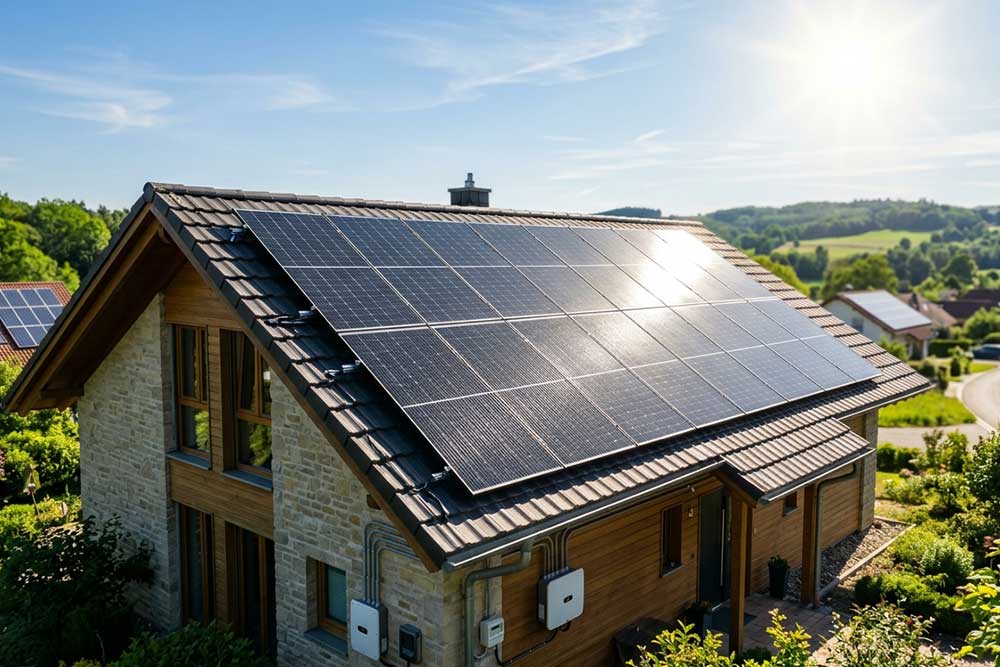
The installation environment can significantly change the final solar power panels cost.
Factors include:
- Roof material
- Roof angle
- Available space
- Shading conditions
- Electrical system condition
- Local labor rates
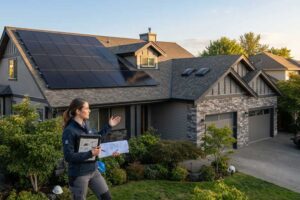
I remember reviewing a residential project where the homeowner expected a straightforward installation because the roof appeared large enough. After inspection, additional electrical upgrades were required before the solar system could be connected.
The panels were not the expensive part—the preparation work changed the final budget.
This is why professional evaluation matters before purchasing solar equipment.
Are Solar Panels More Expensive for Different Applications?
Yes. Solar panel prices change depending on the intended use.
Residential rooftop panels are designed differently from specialized products.
Examples:
| Application | Common Solar Panel Type |
|---|---|
| Home rooftop | Rigid solar panels |
| RV | Flexible solar panels |
| Boat | Marine solar panels |
| Portable power | Lightweight solar panels |
Flexible solar panels usually cost more per watt because they require lightweight construction, protective layers, and specialized manufacturing.
Bright Solar flexible panels are designed for customers who need solar power in locations where traditional rigid panels are difficult to install.
How Much Does Solar Installation Add to the Total Cost?
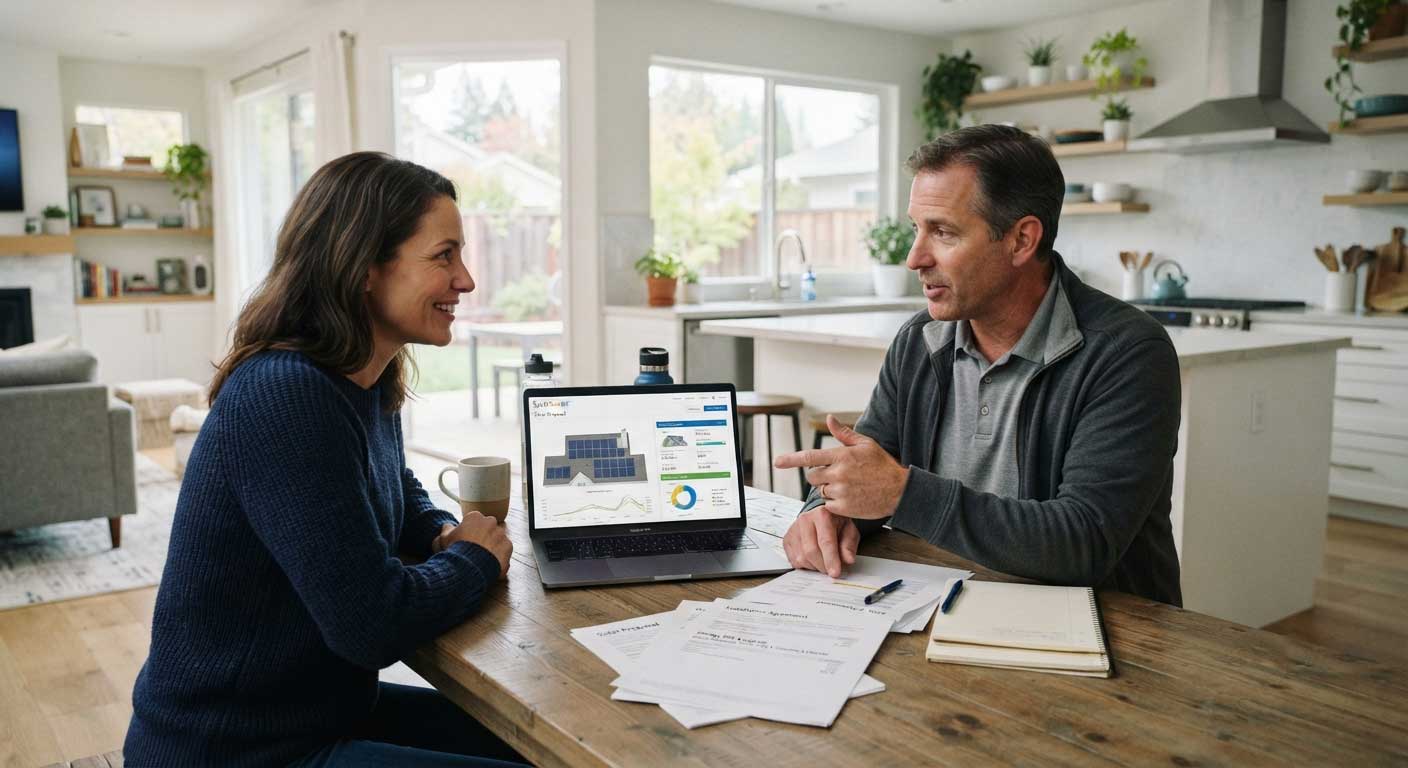
When people search how much does solar panels cost, they often focus only on the price of the modules. In reality, the installation process represents a significant part of the final investment.
A complete solar project requires professional planning to ensure that every component works together correctly.
Typical cost distribution:
| Solar Component | Approximate Share of Total Cost |
|---|---|
| Solar panels | 20–30% |
| Inverter | 10–15% |
| Mounting system | Around 10% |
| Labor and installation | 25–35% |
| Permits and electrical work | 10–20% |
Installation costs can vary because every property has different challenges.
For example:
- A simple roof with easy access may reduce labor costs.
- A steep roof may require additional safety equipment.
- Older electrical systems may require upgrades.
- Shading issues may require additional design adjustments.
During Bright Solar project evaluations, I have found that installation details often determine the final project quality. A well-installed system can continue producing reliable energy for decades, while a poorly planned installation may create unnecessary maintenance problems.
How Much Do Solar Panels Cost After Incentives?
The amount homeowners actually pay can be lower after applying available incentives.
solar power panels cost may be affected by:
- Federal tax incentives
- State rebates
- Local utility programs
- Financing options
In the United States, the federal solar investment tax credit has historically helped reduce residential solar expenses. However, incentive availability changes over time, so homeowners should verify current programs before making decisions.
The U.S. Department of Energy recommends evaluating solar based on long-term energy savings, system performance, and local conditions rather than only focusing on the initial price.
Source:
https://www.energy.gov/
A good solar quote should clearly show:
- Total system cost
- Incentive assumptions
- Expected annual production
- Estimated savings
This makes it easier to compare different solar providers.
Does Adding Battery Storage Increase Solar Panel Costs?
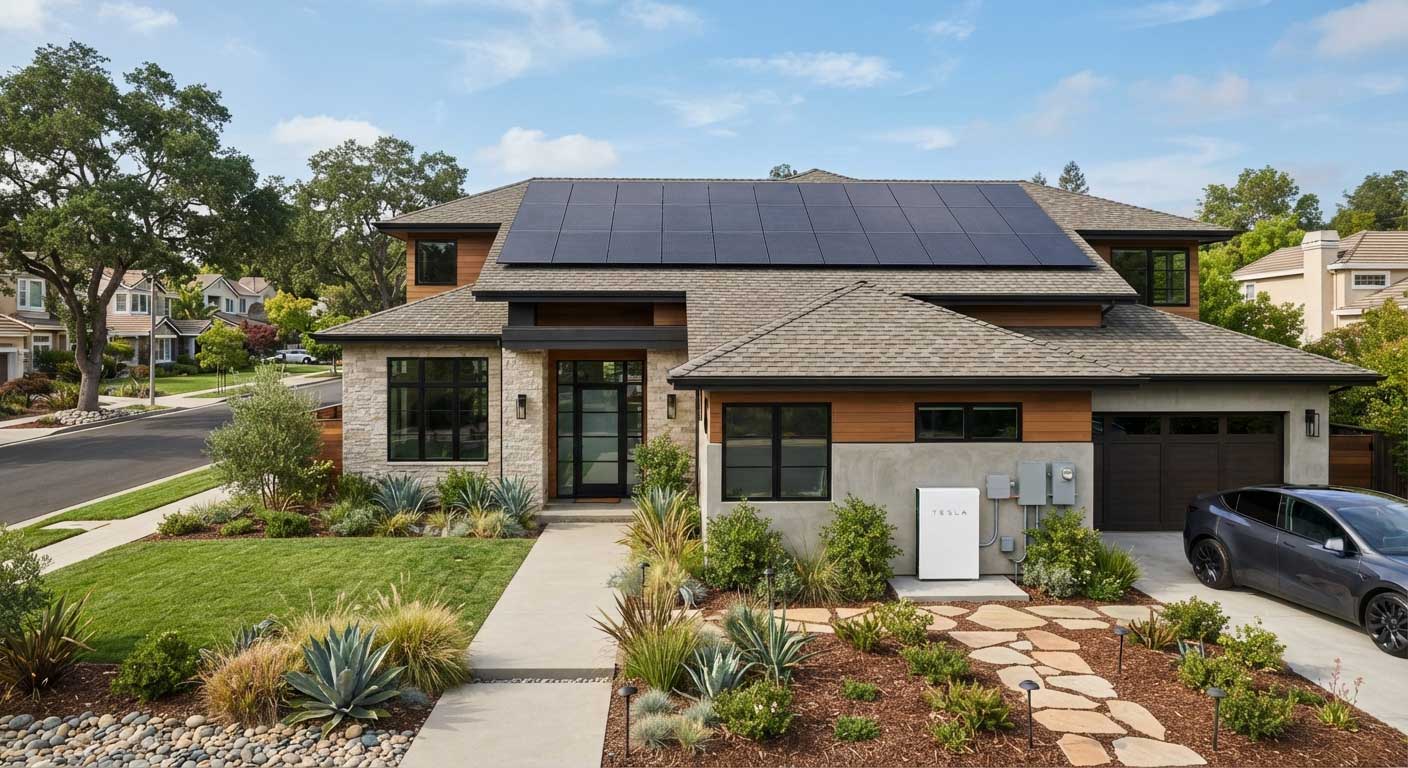
Yes. Adding battery storage increases the upfront investment, but it provides additional energy flexibility.
A solar battery allows homeowners to:
- Store excess daytime electricity
- Use stored energy at night
- Maintain power during outages
- Reduce dependence on grid electricity
The additional cost depends on:
- Battery capacity
- Brand
- Installation requirements
- Energy management equipment
From my experience with off-grid and backup energy projects, batteries are most valuable for homeowners who need reliability during outages or want greater energy independence.
For households with stable grid access, a standard solar system without storage may provide better financial value.
Are Solar Panels Worth the Cost?
Whether solar panels are worth the investment depends on several factors:
- Local electricity prices
- Available sunlight
- System size
- Installation quality
- Length of ownership
Solar panels can provide long-term benefits by reducing electricity expenses and improving energy independence.
However, the best solar decision is not always choosing the lowest-priced equipment.
A system should be designed around:
- Current electricity usage
- Future energy plans
- Available roof space
- Expected performance
I have seen homeowners save money by investing in the correct system size instead of purchasing the cheapest equipment available. The right design can prevent costly changes later.
FAQ About How Much Does Solar Panels Cost?
How much does solar panels cost for a house?
A complete home solar system usually costs around $15,000–$30,000 before incentives. The final price depends on system size, equipment, location, and installation conditions.
How much does one solar panel cost?</h3>
A single solar panel commonly costs between $100 and $400, although high-efficiency and specialized panels may cost more.
How much do 400 watt solar panels cost?
A 400W solar panel typically costs around $400–$700 depending on manufacturer, efficiency, materials, and purchase quantity.
Why are solar panel prices different between companies?
Solar prices vary because companies may use different panel brands, installation methods, warranties, labor costs, and system designs.
Are cheap solar panels a good investment?
Not always. Lower-priced panels may reduce upfront costs, but efficiency, durability, warranty, and long-term energy production should also be considered.
How can I reduce solar panel installation costs?
Homeowners can reduce costs by selecting the correct system size, comparing multiple quotes, using available incentives, and choosing equipment that matches their actual energy needs.
How Much Is A Solar Panel For House?
A single solar panel for a house usually costs between $100 and $500, depending on wattage, technology, and brand. However, a complete home solar system requires multiple panels, inverters, mounting equipment, and installation services.Learn more about “How Much Is A Solar Panel For House“
How Much Are Solar Panels for House?
Solar panels for a house typically cost $15,000–$30,000 before incentives for a complete residential system. The final price depends on electricity usage, system size, panel efficiency, installation conditions, location, and equipment selection.Learn more about “How Much Are Solar Panels for House“
how much are solar panels for a house?
how much are solar panels for a house typically ranges from $15,000 to $30,000 for a full installed residential system in 2026. Costs vary based on system size, roof type, and location. In most real projects, installation and soft costs make up nearly half of the total price.Learn more about “how much are solar panels for a house“
How Much Are Solar Panels?
Solar panels typically cost between $100 and $350 per panel, while complete residential solar systems generally range from $15,000 to $30,000 before incentives. Final costs depend on panel efficiency, system size, installation complexity, and local labor expenses.Learn more about “How Much Are Solar Panels“
How Much Do Solar Panels Cost?
Solar panels typically cost between $0.20 and $0.50 per watt for panels alone, while complete residential solar systems usually range from $15,000 to $30,000 before incentives. Actual costs depend on system size, panel type, installation complexity, and local labor expenses.Learn more about “How Much Do Solar Panels Cost“
How Much Do Solar Panels Cost Per Panel?
Solar panels usually cost between $100 and $500 per panel for residential use, depending on wattage, efficiency, technology, and manufacturer. A complete solar system costs more because it includes inverters, mounting equipment, wiring, and installation.Learn more about “How Much Do Solar Panels Cost Per Panel“
how much is solar panel installation?
How much is solar panel installation depends on system size, equipment quality, labor costs, roof conditions, and local incentives. In the United States, most residential solar installations cost about $15,000–$30,000 before incentives, with average installed prices around $2.50–$3.50 per watt.Learn more about “how much is solar panel installation“
how much to install solar panels?
how much to install solar panels typically ranges from $15,000 to $30,000 for a residential system in 2026. The cost depends on system size, roof structure, labor complexity, and equipment choice. In real installations, soft costs often account for nearly half of the total price.Learn more about “how much to install solar panels“
Conclusion
The answer to how much does solar panels cost depends on much more than the price of individual modules.
A complete solar investment includes equipment selection, system design, installation quality, and long-term electricity production. After years of working with Bright Solar projects, I have learned that the most successful installations come from understanding the customer’s real energy needs first.
The cheapest solar panel is not always the best choice. A reliable system should balance upfront investment with efficiency, durability, and future performance.
Whether you are installing solar on a home, RV, boat, or off-grid property, the right approach is to evaluate the complete system rather than focusing on one component.
A properly designed solar installation can deliver clean energy, predictable savings, and reliable performance for many years.
The prev: how much can you save with solar panels?The next: How much is it to install a solar panel?
Related recommendations
-

How Much Does It Cost for One Solar Panel?
215How much does it cost for one solar panel? Discover real 2026 solar panel prices, watt-based costs, installation factors, and expert buying insights from Bright Solar.
View details -
How solar panels work diagram?
54A solar panel working diagram illustrates how sunlight is converted into direct current (DC) electricity through photovoltaic cells, then managed by an inver...
View details -
how can i tell if my solar panels are working?
175how can i tell if my solar panels are working? Learn how to check solar output, inverter status, monitoring data, and common signs your PV system is not producing power.
View details -
how many solar panels needed for a house?
193how many solar panels needed for a house? Estimate your panel count using energy use, sunlight, panel wattage, roof space, and real-world solar production.
View details