How Long Does Solar Panels Last?
How Long Does Solar Panels Last?
Solar panels typically last 25 to 30 years or longer, with most high-quality modules continuing to generate electricity beyond their warranty period. Instead of failing suddenly, they gradually lose efficiency over time due to normal material aging and environmental exposure.
Many homeowners search “how long does solar panels last” because they want to know whether solar is truly a long-term investment. After years of reviewing photovoltaic systems and monitoring residential installations, our engineering team at Bright Solar has learned that the answer is influenced far more by product quality and installation standards than by the calendar alone.
One of the biggest misconceptions is that a solar panel reaches its “end of life” exactly at year twenty-five. That simply isn’t how photovoltaic technology works. In reality, a well-manufactured module often continues producing useful electricity long after its warranty expires.
Understanding what actually determines lifespan helps homeowners make smarter purchasing decisions and better evaluate long-term value.
What Is the Average Lifespan of Solar Panels?
Modern crystalline silicon solar panels are engineered for decades of outdoor operation.Visit the product page: Flexible Solar Panel
Typical expectations are shown below.
| Solar Panel Age | Typical Performance |
|---|---|
| 0–10 years | Near original rated output |
| 10–20 years | Slight annual degradation |
| 20–30 years | Continues producing electricity with reduced output |
| 30+ years | May continue operating depending on condition |
The commonly referenced 25-year warranty is a performance guarantee—not an expiration date.
Many manufacturers guarantee that modules will still deliver approximately 84%–92% of their original power output after 25 years, depending on product specifications.
According to the National Renewable Energy Laboratory (NREL), photovoltaic modules generally degrade slowly throughout their service life rather than experiencing sudden failure.
Reference:
Why Solar Panels Last So Long
Unlike appliances with moving parts, photovoltaic panels generate electricity through semiconductor materials.
There are:
- No rotating motors.
- No fuel combustion.
- Very few wear components.
- Minimal routine maintenance requirements.
A modern solar module consists of multiple protective layers designed to withstand decades of outdoor exposure.
These include:
- Tempered low-iron glass.
- EVA encapsulation.
- Silicon photovoltaic cells.
- Weather-resistant backsheet.
- Aluminum frame.
- Junction box.
Each layer protects the solar cells from moisture, ultraviolet radiation, temperature fluctuations, and mechanical stress.
At Bright Solar, we’ve found that panel durability depends on the entire module design—not simply the efficiency rating printed on the specification sheet.
How Fast Do Solar Panels Lose Efficiency?
Solar panels naturally lose a small amount of performance every year.
This process is called solar panel degradation.
Several factors contribute to gradual output reduction:
- UV exposure.
- Thermal expansion and contraction.
- Moisture penetration.
- Material aging.
- Environmental stress.
Most premium residential modules today experience an average degradation rate between 0.3% and 0.5% annually.
The following example illustrates how output changes over time.
| Years in Service | Approximate Remaining Output |
|---|---|
| Initial installation | 100% |
| 10 years | 95–97% |
| 20 years | 90–94% |
| 25 years | 87–92% |
| 30 years | 84–90% |
Even after several decades, the panel continues producing electricity, just at a slightly lower level than when first installed.
For homeowners, gradual degradation is usually far more important than total lifespan because it directly affects long-term energy production.
What Factors Affect Solar Panel Lifespan?
Manufacturing Quality
The manufacturing process has one of the greatest influences on long-term reliability.
Important quality indicators include:
- Silicon wafer consistency.
- Cell manufacturing precision.
- Encapsulation quality.
- Lamination process.
- Glass strength.
- Moisture resistance.
- Factory quality control.
Panels manufactured under strict quality standards are generally better equipped to resist long-term environmental stress.
Installation Quality
Even premium solar panels may underperform if installation is poorly executed.
Common installation-related issues include:
- Improper roof mounting.
- Excessive mechanical stress.
- Incorrect cable routing.
- Poor waterproof sealing.
- Loose electrical connections.
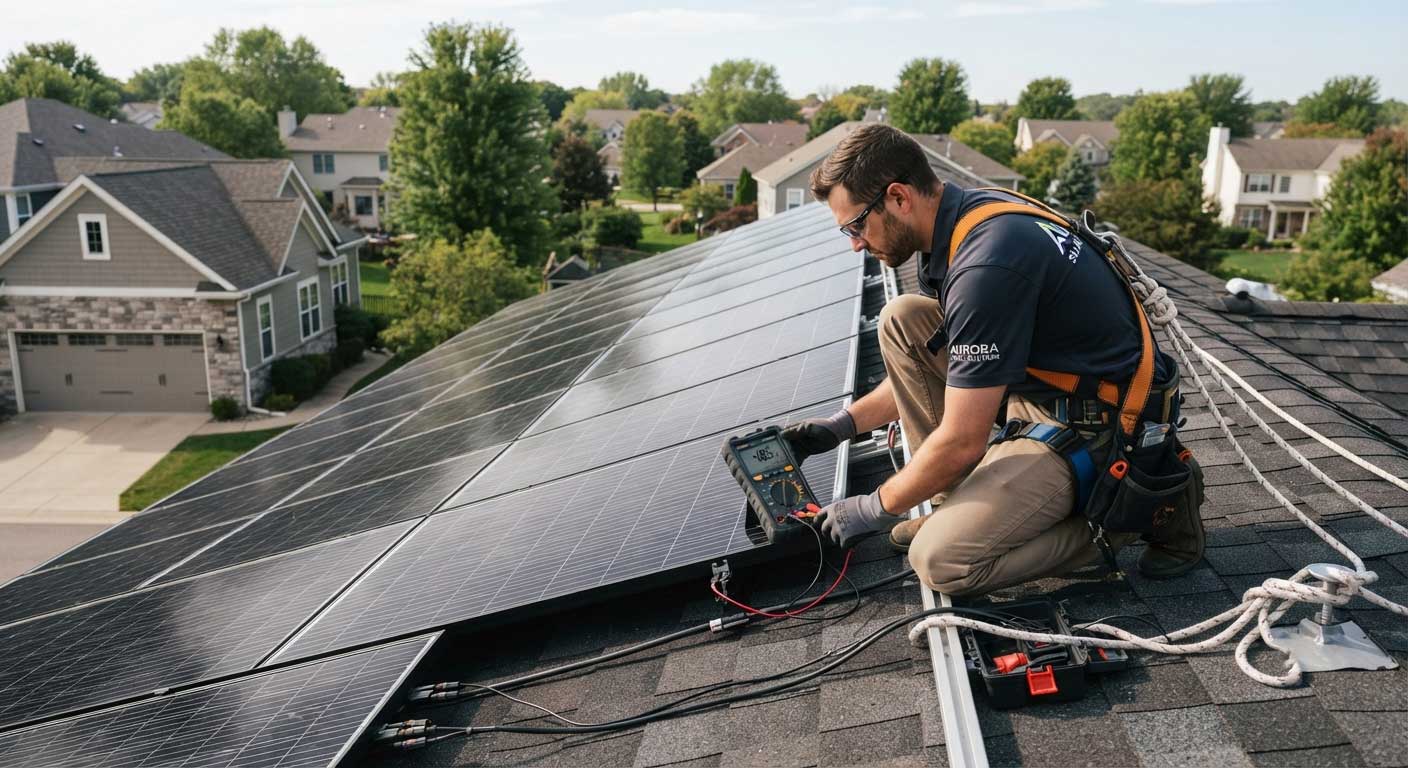
During field inspections, our engineers frequently observe that premature system issues originate from installation errors rather than manufacturing defects.
Proper engineering during installation protects the system for decades.
How Climate Influences Solar Panel Longevity
Solar panels operate in nearly every climate, but environmental conditions affect aging rates.
| Environmental Condition | Long-Term Effect |
|---|---|
| High temperatures | Increased material stress |
| Coastal salt exposure | Higher corrosion potential |
| Heavy snowfall | Additional structural loading |
| Hailstorms | Possible mechanical damage |
| Dust accumulation | Reduced energy production |
Manufacturers design modern panels to withstand demanding weather conditions.
According to the International Electrotechnical Commission (IEC), photovoltaic modules undergo extensive environmental testing, including thermal cycling, humidity exposure, and mechanical load testing before certification.
Reference:
Although certified panels are highly durable, selecting products suited to local climate conditions remains an important design consideration.
Do Solar Panels Stop Working After 25 Years?
Not at all.
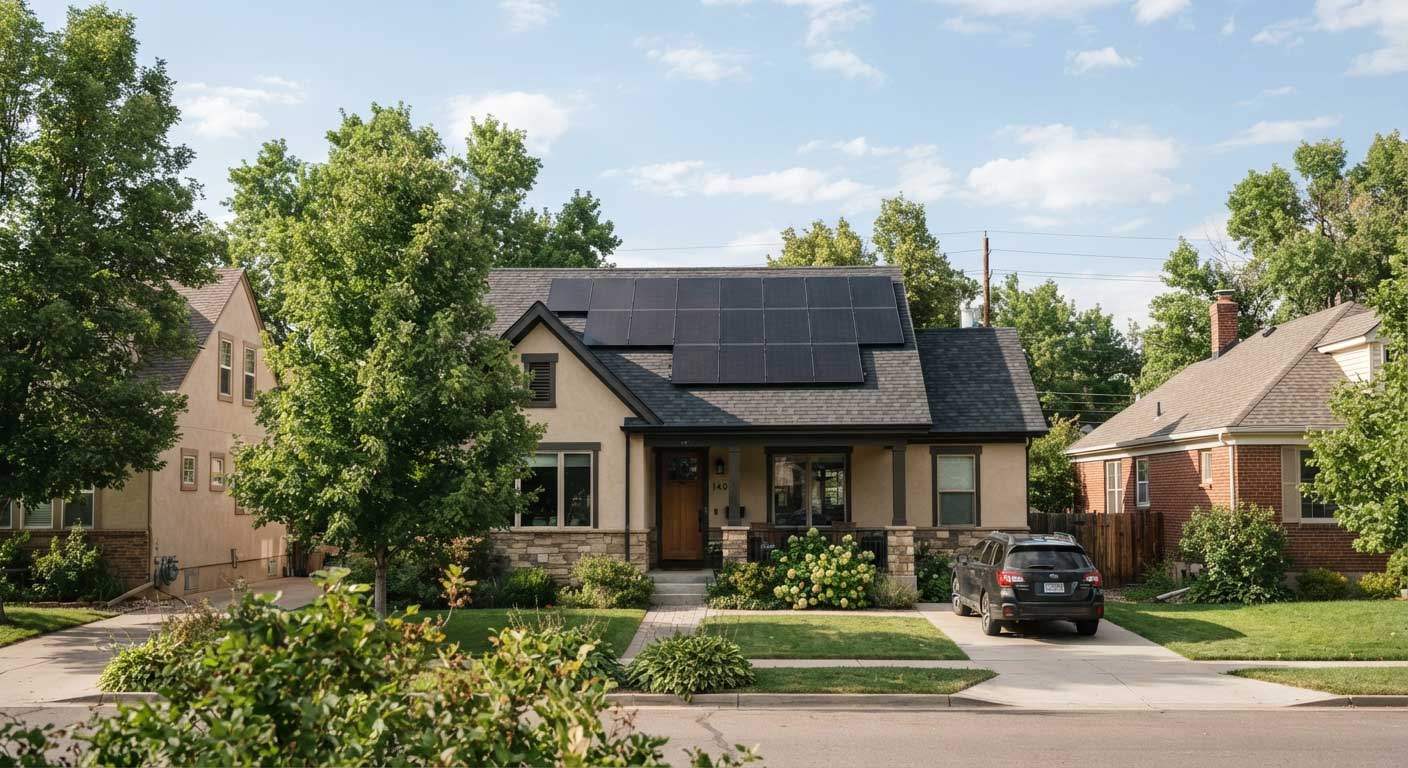
A common misunderstanding is that solar panels become unusable once they reach their 25-year warranty.
What actually happens is much less dramatic.
Most systems continue generating electricity, although annual production gradually declines because of normal degradation.
Whether a homeowner chooses to replace older panels depends on several factors:
- Remaining power output.
- Local electricity prices.
- Maintenance costs.
- Technological improvements.
- Household energy demand.
In many residential systems, the inverter is replaced before the solar panels themselves.
From a long-term ownership perspective, evaluating the complete system—not just the modules—provides a more accurate picture of expected lifespan.
How to Extend the Lifespan of Solar Panels
Although solar panels require relatively little maintenance, simple preventive care can help maintain stable energy production over decades.
At Bright Solar, we encourage homeowners to think of solar panels the same way they think about a roof. They rarely need attention, but periodic inspections can prevent small issues from becoming costly repairs years later.
The following practices can help maximize service life:
- Monitor daily or monthly energy production through the inverter or monitoring app.
- Remove heavy debris, leaves, or bird droppings when necessary.
- Schedule a visual inspection after severe storms or hail.
- Trim nearby trees that create new shading over time.
- Have electrical connections checked if production suddenly decreases.
Routine maintenance is less about increasing lifespan and more about ensuring the system continues operating close to its expected performance.
Which Solar Components Wear Out First?
When discussing how long does solar panels last, it is important to remember that a photovoltaic system contains several components with different life expectancies.
| System Component | Typical Service Life |
|---|---|
| Solar panels | 25–30+ years |
| String inverter | 10–15 years |
| Microinverters | 20–25 years |
| Mounting system | 25–30+ years |
| Monitoring equipment | 10–15 years |
| Battery storage (if installed) | 8–15 years |
The inverter usually reaches the end of its service life before the solar modules.
Many homeowners replace an inverter once during the lifetime of the original solar panels. This is considered normal system maintenance rather than an indication that the panels themselves are failing.
When evaluating the long-term cost of ownership, it is helpful to consider the entire photovoltaic system instead of focusing only on the modules.
Modern Solar Technology Is Improving Lifespan
Today’s photovoltaic modules are more durable than those produced twenty years ago.
Several innovations contribute to longer service life.
Improved Cell Technologies
Modern manufacturers increasingly use:
- TOPCon cells.
- Heterojunction (HJT) technology.
- Advanced PERC structures.
- Half-cut solar cells.
These designs improve efficiency while reducing electrical stress within the module.
Enhanced Protective Materials
New encapsulation materials provide better resistance against:
- Ultraviolet radiation.
- Moisture ingress.
- Thermal cycling.
- Delamination.
Combined with stronger tempered glass and improved aluminum frame designs, modern modules are engineered for long-term outdoor exposure.
Higher Manufacturing Standards
Many manufacturers now perform automated inspections using electroluminescence imaging to detect microscopic cell cracks before modules leave the factory.
These quality-control improvements help reduce early failures and improve long-term reliability.
What Can Reduce Solar Panel Lifespan?
While modern solar panels are built to withstand demanding conditions, several external factors can shorten their useful life.
Extreme Weather
Large hail, hurricanes, falling branches, and flying debris may physically damage photovoltaic modules.
Although certified panels undergo impact and mechanical load testing, no product is completely immune to severe weather.
Poor Installation
Incorrect mounting methods can create excessive stress on the panel frame or roof structure.
Improper cable routing may also expose wiring to long-term environmental damage.
Persistent Dirt and Shading
Heavy dust accumulation or expanding tree cover may not permanently damage a panel, but both can reduce electricity production over time.
Monitoring system performance helps identify these issues before they significantly affect annual energy output.
FAQ About How Long Does Solar Panels Last?
How long does solar panels last?
Most modern solar panels last 25 to 30 years or longer. They usually continue generating electricity beyond their warranty period, although annual energy production gradually decreases because of natural degradation.
Do solar panels stop producing electricity after 25 years?
No. Most panels continue producing electricity after 25 years. They simply generate less power than when they were new.
What is the average degradation rate of solar panels?
Most premium residential solar panels degrade by approximately 0.3% to 0.5% per year, depending on manufacturing quality and environmental conditions.
What component usually needs replacement first?
The inverter is typically replaced before the solar panels because electronic components experience continuous operation throughout the system’s lifetime.
Can solar panels last more than 30 years?
Yes. Many photovoltaic systems continue operating beyond 30 years if they have been properly installed and maintained, although energy production gradually declines over time.
How can homeowners maximize solar panel lifespan?
Maintaining clean panels, monitoring system output, trimming surrounding trees, scheduling periodic inspections, and choosing high-quality equipment all contribute to long-term system reliability.
Conclusion
The answer to how long does solar panels last is typically 25 to 30 years or more, but longevity depends on much more than the number printed on a warranty certificate. Manufacturing quality, installation practices, climate conditions, and routine maintenance all influence how well a photovoltaic system performs over time.
At Bright Solar, we view every solar installation as a long-term engineering investment. Selecting reliable components, following proven installation standards, and monitoring system performance throughout its lifetime helps homeowners maximize both energy production and financial return.
A well-designed solar system should continue delivering clean, dependable electricity for decades, making durability one of the most valuable characteristics of modern photovoltaic technology.
Related recommendations
-

How Are Solar Panels Installed?
121Learn how are solar panels installed with a complete step-by-step guide covering solar power installation, mounting, wiring, and home solar systems.
View details -
How do you wire solar panels?
216How do you wire solar panels? Learn series, parallel, and solar panel wiring methods with practical tips, diagrams, and expert advice from Bright Solar.
View details -
Can You Recycle Solar Panels?
119Yes. Solar panels can be recycled through specialist facilities that recover materials such as glass, aluminum, silicon, and metals.
View details -
How Much Is It For Solar Panels On A House?
86How much is it for solar panels on a house? Explore home solar panel prices, installation costs, system factors, and expert insights from Bright Solar.
View details