How Much Are Solar Panels for House?
How Much Are Solar Panels for House?
Solar panels for a house typically cost $15,000–$30,000 before incentives for a complete residential system. The final price depends on electricity usage, system size, panel efficiency, installation conditions, location, and equipment selection.
When homeowners ask how much are solar panels for house, they usually expect one simple number. The reality is more complicated because a home solar system is not just a collection of panels placed on a roof.
A complete residential solar project includes photovoltaic modules, inverters, mounting equipment, electrical components, installation labor, permits, and system design.
After years of working with Bright Solar residential and off-grid customers, I have noticed one common mistake: many homeowners compare only the panel price while ignoring how the entire system performs over 20–30 years.
The lowest upfront cost does not always create the best long-term value. A properly designed system should match the home’s electricity consumption, available roof area, and future energy requirements.
What Is the Average Cost of Solar Panels for a House?
The cost of solar panels for a house depends mainly on the size of the system required.
Most residential solar installations are measured in kilowatts (kW).
Typical residential system costs:
| Solar System Size | Estimated Cost Before Incentives |
|---|---|
| 3kW system | $9,000–$13,000 |
| 5kW system | $14,000–$20,000 |
| 7kW system | $18,000–$27,000 |
| 10kW system | $25,000–$35,000 |
For many average homes, a system between 5kW and 8kW is commonly considered depending on household electricity consumption.
The total price includes:
- Solar panels
- Solar inverter
- Roof mounting system
- Electrical wiring
- Installation labor
- Permits and inspections
- Monitoring equipment
According to the Solar Energy Industries Association (SEIA), residential solar costs have continued to change due to equipment pricing, installation expenses, financing options, and market conditions.
Source:
https://www.seia.org/
How Many Solar Panels Does a House Need?
The number of panels required depends on household electricity consumption and panel wattage.
A simple calculation:
Required Solar Capacity = Annual Electricity Usage ÷ Local Solar Production
Example:
A home uses 12,000 kWh of electricity per year.
With 400W solar panels:
- Required system size: approximately 7–8kW
- Number of panels: around 18–20 panels
Typical residential panel requirements:
| Home Energy Usage | Approximate Panels Needed |
|---|---|
| Low electricity usage | 10–15 panels |
| Average household | 15–25 panels |
| High electricity usage | 25+ panels |
However, panel quantity alone does not determine performance.
A smaller system using high-efficiency panels may produce similar energy compared with a larger system using lower-efficiency modules.
What Factors Affect Home Solar Panel Cost?
1. Home Electricity Consumption
The first factor is how much electricity your household uses.
Homes with:
- Electric vehicles
- Electric heating
- Large appliances
- Swimming pools
- High daily consumption
usually require larger solar systems.
Before recommending a system, Bright Solar typically evaluates electricity bills rather than simply estimating from house size.
A small home with heavy electricity usage may need more solar capacity than a larger home with efficient appliances.
2. Solar Panel Type and Efficiency
Solar panel technology directly affects the price of a residential system.
Common options include:
Monocrystalline Solar Panels
Advantages:
- High efficiency
- Better performance in limited spaces
- Long service life
Flexible Solar Panels
Advantages:
- Lightweight
- Easy installation
- Suitable for unusual surfaces
Flexible panels are often used for:
- RVs
- Boats
- Mobile homes
- Special residential applications
Although flexible panels usually have a higher cost per watt, they solve installation challenges where traditional rigid panels are not practical.
How Does Roof Condition Influence Solar Panel Cost?
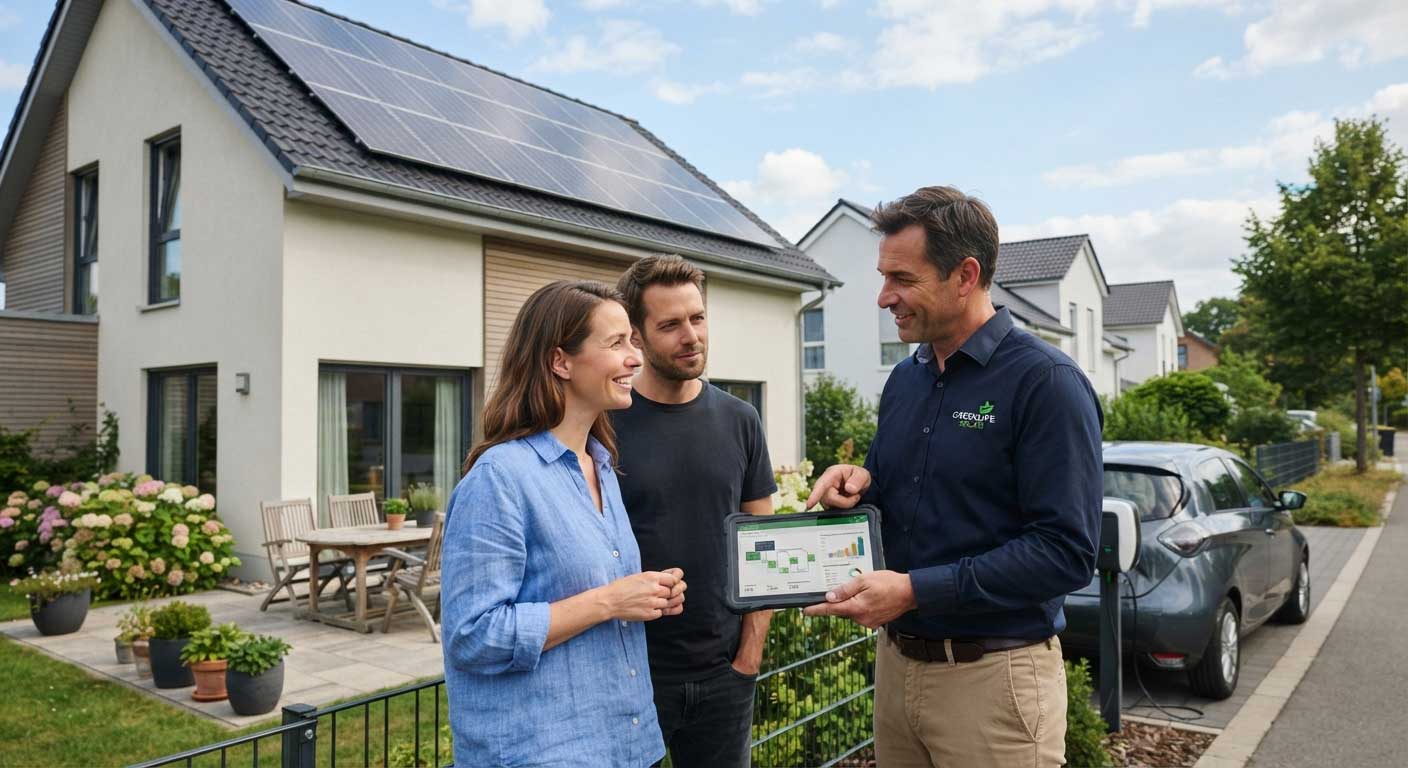
The roof itself can significantly affect the final solar investment.
Important considerations include:
- Roof age
- Roof material
- Roof angle
- Available installation area
- Shading from trees or buildings
A newer roof may require minimal preparation, while an older roof might need repairs before solar installation.
During one Bright Solar consultation, a homeowner expected a simple rooftop installation. After inspection, the main challenge was not the solar equipment but the roof reinforcement required before installation.
This is why professional assessment is important before calculating the final project budget.
How Much Does Solar Installation Add to the Cost of a House Solar System?
Many homeowners searching how much are solar panels for house focus on the equipment price, but installation is a major part of the total investment.
A professional installation ensures the panels operate safely and efficiently for many years.
Typical residential solar cost distribution:
| Component | Approximate Percentage of Total Cost |
|---|---|
| Solar panels | 20–30% |
| Inverter | 10–15% |
| Mounting equipment | Around 10% |
| Installation labor | 25–35% |
| Permits and electrical work | 10–20% |
Installation costs vary depending on:
- Roof complexity
- Local labor rates
- Electrical system upgrades
- Distance between panels and inverter
- Permitting requirements
A straightforward roof installation may be completed quickly, while a complex project with multiple roof angles or electrical upgrades can increase the final budget.
From my experience with Bright Solar projects, the installation details often have a bigger impact on long-term performance than small differences in panel prices.
Can Solar Panels Reduce House Electricity Costs?
Yes. A properly designed solar system can significantly reduce household electricity expenses.
However, the savings depend on:
- Local electricity rates
- Solar production
- System size
- Energy consumption habits
- Utility policies
For example, a home in an area with high electricity prices may achieve faster savings compared with a similar home where electricity rates are lower.
The National Renewable Energy Laboratory (NREL) provides solar modeling tools that estimate electricity production based on location, system design, and weather conditions.
Source:
https://www.nrel.gov/
A homeowner should evaluate solar based on expected lifetime performance, not only the initial purchase price.
Are Premium Solar Panels Worth the Extra Cost?
Premium solar panels usually cost more because they may provide:
- Higher conversion efficiency
- Better temperature performance
- Stronger materials
- Longer warranties
- More reliable output
However, premium does not always mean necessary.
The best choice depends on the home’s situation.
Examples:
| Situation | Recommended Consideration |
|---|---|
| Small roof area | Higher efficiency panels |
| Large available roof | Cost-effective standard panels |
| RV or mobile use | Lightweight flexible panels |
| Off-grid home | Durable high-reliability panels |
At Bright Solar, we often recommend customers consider the complete application instead of selecting equipment based only on the lowest price.
A panel installed in the wrong environment may never achieve its expected performance.
Should You Add Battery Storage to a Home Solar System?
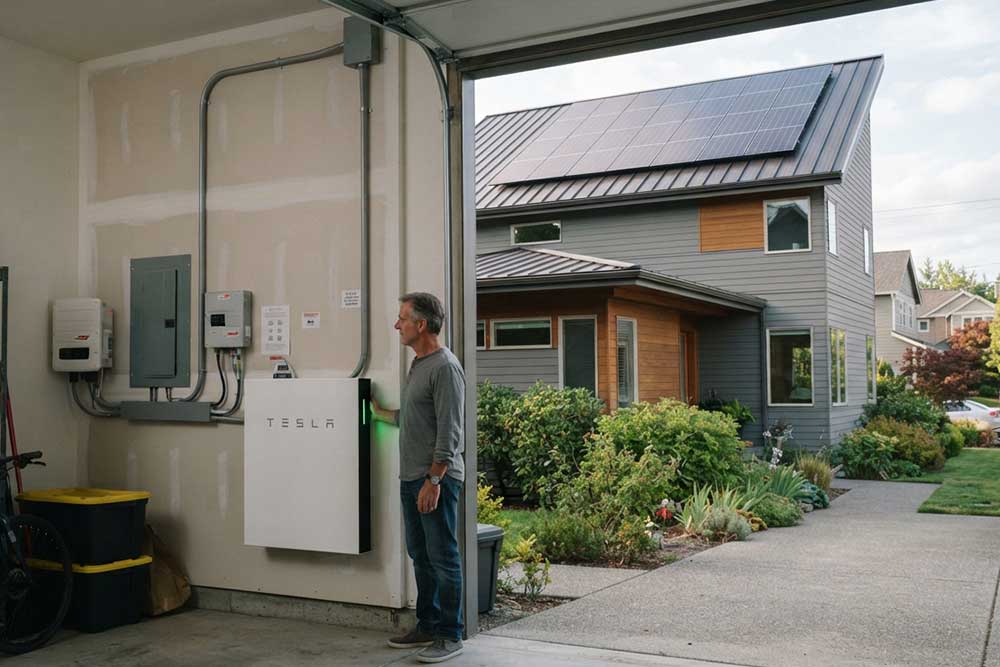
Battery storage is an optional upgrade that can increase the capability of a residential solar system.
A solar battery allows homeowners to:
- Store excess daytime electricity
- Use solar energy at night
- Maintain backup power during outages
- Improve energy independence
However, batteries increase the upfront investment.
Battery storage may be more valuable for:
- Areas with frequent power outages
- Off-grid homes
- Homes with high nighttime electricity usage
For households with stable grid access, installing solar panels first and adding storage later may be a more practical approach.
FAQ About How Much Are Solar Panels for House?
How much are solar panels for house?
Solar panels for a house typically cost $15,000–$30,000 for a complete residential system before incentives. The final price depends on system size, equipment, installation, and location.
How many solar panels does an average house need?
Most homes require around 15–25 solar panels depending on electricity consumption, panel wattage, roof space, and local sunlight conditions.
How much does one solar panel cost for a home?
A single residential solar panel usually costs around $100–$400, while high-power 400W–500W panels may cost $400–$700 or more.
Are solar panels expensive to install on a house?
The initial investment can be significant, but installation costs are influenced by system size, incentives, electricity savings, and long-term energy benefits.
Do solar panels increase home value?
Solar panels may increase property value because they can reduce future electricity expenses and improve home energy efficiency.
How long do home solar panels last?
Most modern solar panels are designed to operate for 25 years or longer, with gradual efficiency reduction over time.
How Much Is A Solar Panel For House?
A single solar panel for a house usually costs between $100 and $500, depending on wattage, technology, and brand. However, a complete home solar system requires multiple panels, inverters, mounting equipment, and installation services.Learn more about “How Much Is A Solar Panel For House“
How Much Does Solar Panels Cost?
Solar panels typically cost $100–$400 per panel, while a complete home solar system usually costs $15,000–$30,000 before incentives. The final price depends on panel type, system size, installation requirements, location, and equipment quality.Learn more about “How Much Does Solar Panels Cost“
How much are residential solar panels?
Residential solar panels typically cost $0.20–$0.50 per watt for equipment, while a complete home solar system usually ranges from $15,000 to $30,000 before incentives. The final price depends on system size, panel technology, installation conditions, and local costs.Learn more about “How much are residential solar panels“
How Much Do Solar Panels Cost for a House?
How much do solar panels cost for a house? A complete residential solar system typically costs $15,000–$30,000 before incentives, while solar panels alone usually range from $0.20–$0.50 per watt. The final price depends on system size, equipment quality, roof conditions, labor costs, and location.Learn more about “How Much Do Solar Panels Cost for a House“
How Much Solar System Cost for Home?
How much solar system cost for home? A complete residential solar system usually costs between $15,000 and $30,000 before incentives, depending on system size, location, equipment quality, installation complexity, and electricity demand. Smaller systems may start near $9,000, while larger homes can exceed $35,000.Learn more about “How Much Solar System Cost for Home“
How Much Does A Solar System For A House Cost?
A solar system for a house typically costs between $15,000 and $30,000 before incentives, depending on system size, equipment, installation complexity, and location. A smaller home system may cost less, while larger systems with battery storage can require a higher investment.Learn more about “How Much Does A Solar System For A House Cost“
How Much Is a Solar Panel for a House?
How much is a solar panel for a house? A single residential solar panel usually costs between $100 and $350, while premium, high-efficiency, or flexible solar panels can cost more depending on wattage, technology, and application requirements.Learn more about “How Much Is a Solar Panel for a House“
Conclusion
The answer to how much are solar panels for house depends on more than the number of panels installed.
A successful residential solar project combines the right panel technology, correct system size, professional installation, and realistic energy expectations.
After working with Bright Solar customers, I have learned that homeowners who achieve the best results are usually those who evaluate their energy needs first instead of simply choosing the cheapest quotation.
Solar is a long-term investment. The ideal system should match your home’s electricity usage today while allowing flexibility for future needs such as electric vehicles, additional appliances, or changing energy habits.
Before purchasing solar panels for your house, review your electricity consumption, roof condition, available sunlight, and installation options. A carefully designed solar system can provide dependable clean energy and meaningful savings for many years.
The prev: How Much for One Solar Panel?The next: What Is the Price of Solar Panels?
Related recommendations
-

Can Solar Panels Store Energy?
141No. Solar panels generate electricity but do not store it. A separate battery system can store surplus solar energy for later use.
View details -
What will a 100 watt solar panel kit run?
265What will a 100 watt solar panel kit run? Discover appliances, power limits, battery needs, and real-world applications of 100W solar kits with Bright Solar.
View details -
How to Clean Portable Solar Panels?
245Clean portable solar panels with cool water, a soft brush, and a non-abrasive cloth while avoiding harsh chemicals and aggressive scrubbing.
View details -
What will a 100 watt solar panel power?
191What will a 100 watt solar panel power? Learn what devices a 100W solar panel can operate, daily energy output, and practical off-grid applications with Bright Solar.
View details