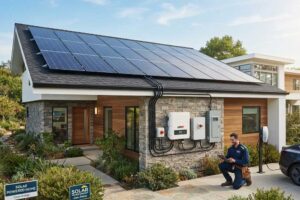
how much can you save with solar panels?
Core Answer :
how much can you save with solar panels depends on electricity rates, system size, sunlight conditions, and installation costs. Many homeowners save hundreds to thousands of dollars annually by reducing grid electricity purchases and generating their own renewable power.
Real Savings Insights from Bright solar Projects
When homeowners ask me about solar savings, they usually expect one simple number.
The reality is different.
I have reviewed residential and commercial solar projects where two similar systems produced very different financial results. The difference was rarely the panel itself—it was location, electricity pricing, roof conditions, and system design.
A customer in California and another in Texas may install similar systems but see completely different savings because their electricity rates are not the same.
According to the U.S. Department of Energy, solar energy can significantly reduce electricity expenses by replacing electricity purchased from the grid.
Source: https://www.energy.gov/eere/solar
The National Renewable Energy Laboratory (NREL) also highlights that solar savings depend heavily on local solar resources, electricity prices, incentives, and system performance.
Source: https://www.nrel.gov/solar/
how much can you save with solar panels each year?
The savings amount depends on several variables:
| Factor | Impact on Savings |
|---|---|
| Electricity rate | Higher rates create bigger savings |
| Solar system size | More panels generate more electricity |
| Sunlight availability | More sunlight increases production |
| Roof direction | Better orientation improves output |
| Energy usage | Higher consumption can increase savings |
A typical residential solar system may reduce electricity bills by hundreds or thousands of dollars per year.
Example:
A homeowner using:
- 900 kWh/month electricity
- $0.20/kWh utility rate
- 6kW solar system
could offset a large portion of annual electricity costs.Visit the product page: Flexible Solar Panel
How solar panels reduce your electricity bill
Solar savings happen because your home uses electricity generated from your own panels first.
The energy flow is:
- Sunlight reaches solar panels
- Panels generate DC electricity
- Inverter converts DC to AC
- Home appliances use solar power
- Extra electricity may go to the grid or battery storage
Every kilowatt-hour generated by your system is electricity you may not need to buy from your utility company.
Factors that determine your solar savings
1. Your local electricity price
This is one of the biggest factors.
A solar system in an area with expensive electricity can often achieve faster savings.
For example:
- $0.10/kWh electricity → lower savings potential
- $0.35/kWh electricity → higher savings potential
The same solar system can have very different financial results.
2. Solar system size
A larger system generally produces more electricity.
Common residential sizes:
| System Size | Typical Application |
|---|---|
| 3kW | Small home |
| 5kW | Average household |
| 8–10kW | Larger homes |
However, bigger is not always better.
The ideal size matches:
- Roof space
- Electricity usage
- Budget
- Future energy needs
3. Available sunlight
Solar panels produce more energy in areas with stronger solar resources.
According to the National Renewable Energy Laboratory solar resource data, solar production varies significantly by geographic location.
Source: https://www.nrel.gov/gis/solar-resource-maps.html
A rooftop in Arizona will usually generate more electricity than the same system in a cloudy northern region.
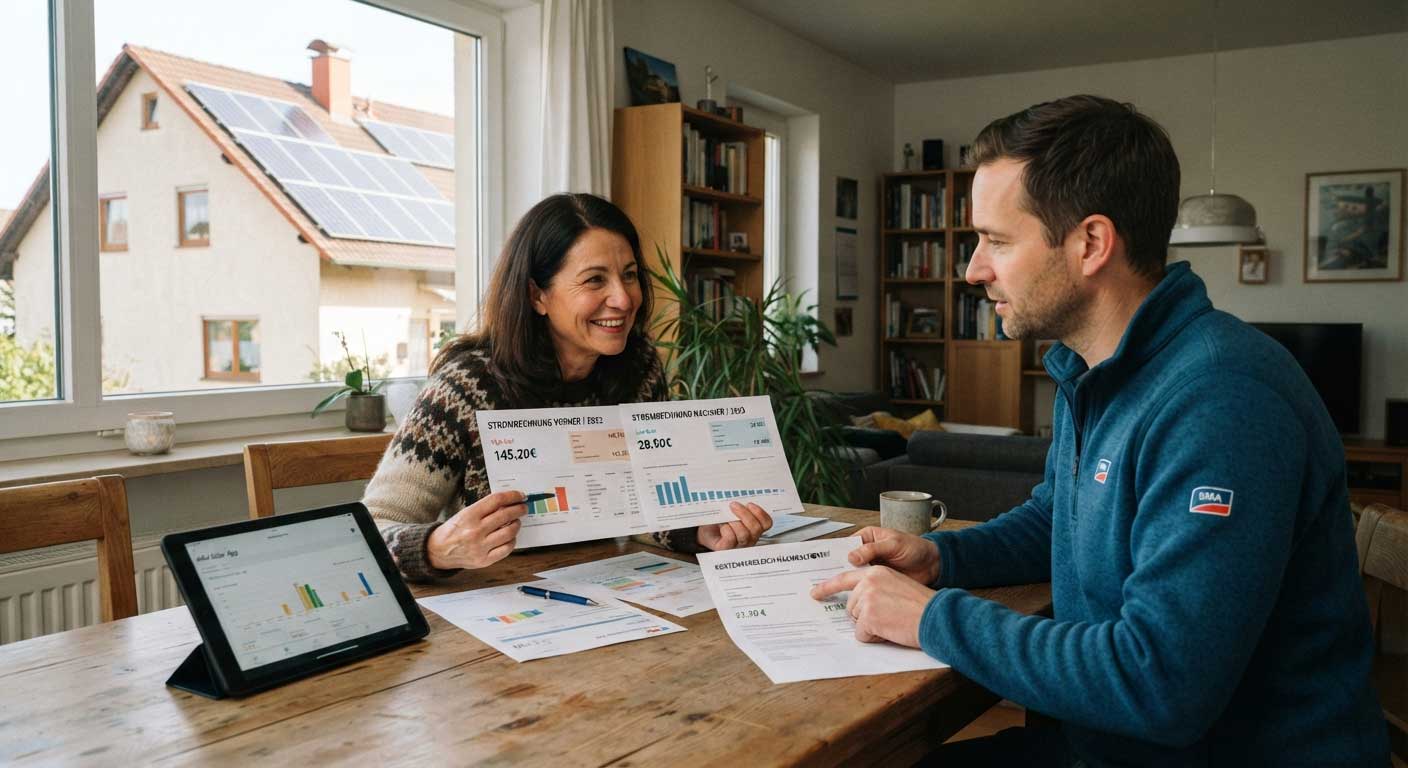
A practical example:
Before solar:
- Monthly electricity bill: $220
- Annual cost: $2,640
After solar:
- Remaining electricity cost: $50/month
- Annual cost: $600
Potential annual savings:
About $2,000 per year
Actual results depend on system production and utility policies.
Solar payback period and long-term savings
Savings should be viewed over decades, not only the first year.
A typical solar investment calculation includes:
Total system cost ÷ annual savings = payback period
Example:
System cost:
$18,000
Annual savings:
$2,000
Estimated payback:
9 years
After that period, generated electricity can continue creating financial value.
How incentives increase solar savings
Government incentives can reduce upfront costs.
Examples include:
- Federal tax credits
- Local rebates
- Utility incentives
- Net metering programs
In the United States, the federal Residential Clean Energy Credit has supported solar adoption by allowing eligible homeowners to claim a percentage of installation costs.
Source: https://www.irs.gov/credits-deductions/residential-clean-energy-credit
What most people misunderstand about solar savings
From Bright solar customer discussions, several assumptions are common:
“Solar eliminates every electricity bill”
Not always.
Some homes still have:
- Grid connection fees
- Nighttime electricity usage
- Seasonal differences
“More expensive panels always save more money”
Not necessarily.
The best system balances:
- Panel efficiency
- Installation cost
- Expected output
- Warranty period
“Savings start immediately”
Savings begin after installation, but recovering the full investment takes time.
Solar is a long-term energy strategy.
Bright solar Field Observation
During project reviews, I noticed something interesting:
The highest-saving systems were not always the largest ones.
The strongest performers usually had:
- Correct system sizing
- Good roof orientation
- Quality installation
- Proper monitoring
Solar savings are created by system design, not just adding more panels.
FAQ: how much can you save with solar panels?
How much money can solar panels save per year?
Savings can range from hundreds to several thousand dollars annually depending on system size and electricity rates.
Do solar panels really reduce electricity bills?
Yes. Solar panels reduce the amount of electricity purchased from the utility grid.
How long does it take to recover solar costs?
Many systems reach payback within several years, depending on location and incentives.
Do solar savings continue after payback?
Yes. Solar panels can continue producing electricity for 25 years or more.
Does weather affect solar savings?
Yes. Sunlight availability directly affects energy production.
Are solar savings the same everywhere?
No. Electricity prices, climate, incentives, and regulations create different results.
Can batteries increase solar savings?
Yes. Batteries can store excess energy and improve energy independence.
Final Perspective from Bright solar
how much can you save with solar panels is ultimately a question about energy independence and long-term planning.
From real project experience, the biggest savings come from matching the right solar system to the right location—not simply installing the most panels.
Solar creates value every day sunlight reaches the module, turning a long-term investment into measurable energy savings.
The prev: what are solar panels made of?The next: How Much Does Solar Panels Cost?
Related recommendations
-

How to Mount Solar Panels on Roof?
245Learn how to mount solar panels on roof safely with proper solar panel roof mounts, rails, and installation methods for reliable home solar power systems.
View details -
How Long Do Portable Solar Panels Last?
265How long do portable solar panels last? Learn the real lifespan of portable solar panels, what affects durability, and how to extend performance outdoors.
View details -
how big are solar pv panels?
178how big are solar pv panels? Learn standard solar panel dimensions, sizes, weights, and how to choose the right PV panel size for homes, RVs, and off-grid systems.
View details -
How Long Does Solar Panels Last?
287How long does solar panels last? Discover the average lifespan, degradation rates, maintenance tips, and expert insights to maximize solar performance with Bright Solar.
View details