How much is it to install a solar panel?
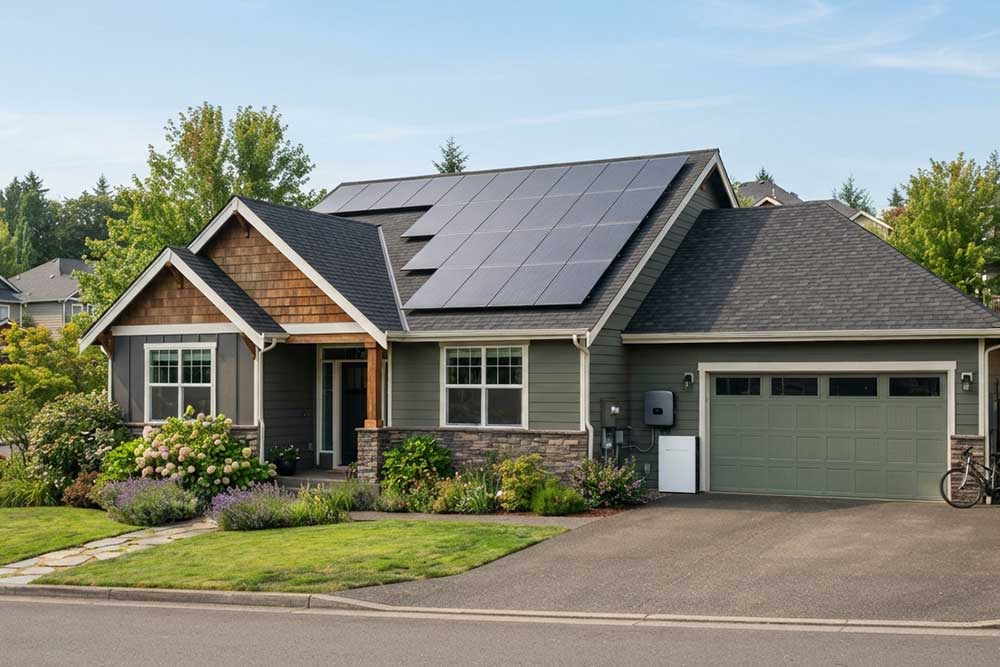
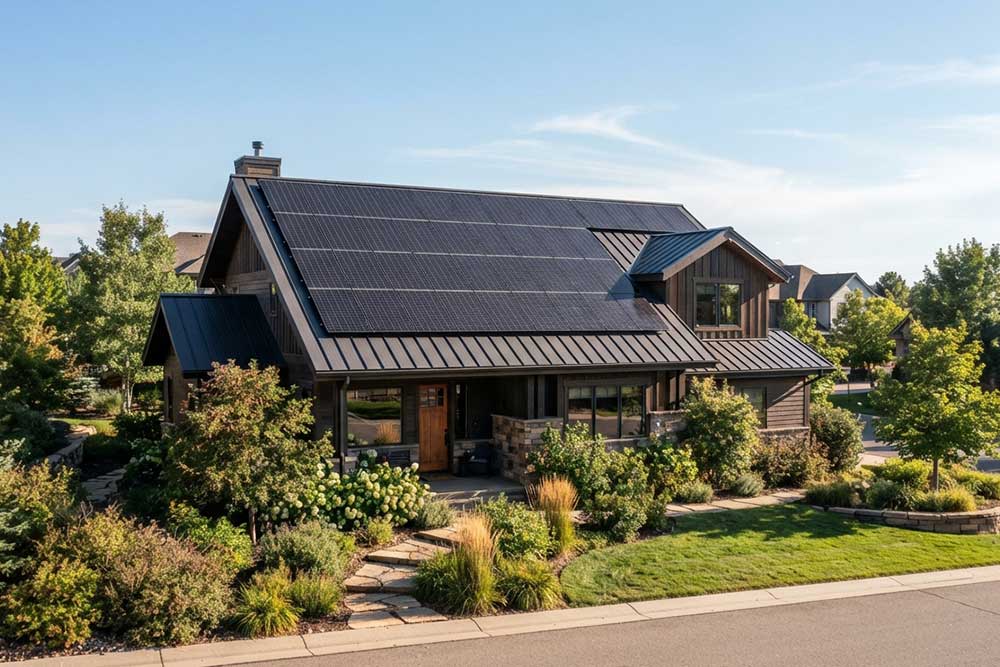
How much is it to install a solar panel depends on system size, equipment type, roof conditions, and local labor rates. A single panel installation may cost hundreds of dollars, while complete residential solar systems often range from thousands to tens of thousands of dollars.
When homeowners ask me about solar installation pricing, the first thing I explain is that there is no universal “per panel” installation price. During Bright Solar project discussions, I have reviewed quotes where two homes with similar roofs received very different installation costs because of electrical upgrades, mounting requirements, and labor conditions.
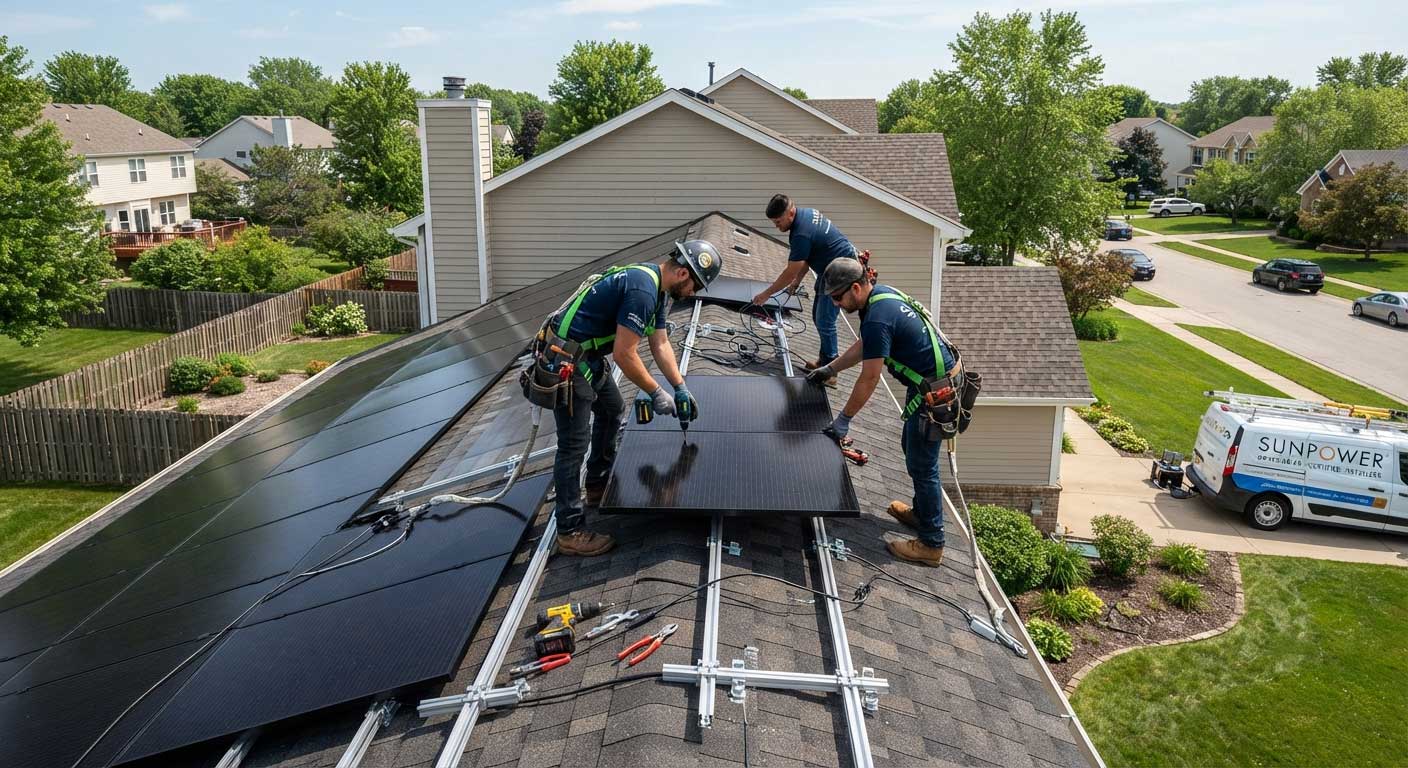
Solar installation is not just attaching panels to a roof. A complete project usually includes solar panels, mounting hardware, inverter equipment, wiring, permits, inspections, and professional labor.
According to the U.S. Department of Energy, the total cost of a residential solar system depends on factors such as system size, location, equipment selection, and installation complexity.
Source:
U.S. Department of Energy – Solar Photovoltaic System Basics
https://www.energy.gov/
Average cost to install a solar panel system
Most homeowners install multiple solar panels rather than a single panel because electricity demand requires a complete energy system.
Typical residential solar installation costs:
| System Size | Estimated Installation Cost Before Incentives |
|---|---|
| 3 kW system | $9,000–$13,000 |
| 5 kW system | $14,000–$20,000 |
| 7 kW system | $18,000–$27,000 |
| 10 kW system | $25,000–$35,000 |
Prices vary depending on location, installer rates, equipment quality, and available incentives.
The Solar Energy Industries Association (SEIA) reports that residential solar costs have declined significantly over the past decade due to improved technology, larger-scale manufacturing, and more efficient installation processes.
Source:
Solar Energy Industries Association (SEIA)
https://www.seia.org/
What affects the cost to install solar panels?
The installation price is usually determined by several important factors.
1. Solar panel type
Not all panels have the same price.
Common options include:
| Panel Type | Typical Characteristics |
|---|---|
| Monocrystalline panels | High efficiency, popular residential choice |
| Bifacial panels | Capture sunlight from both sides |
| Flexible solar panels | Lightweight, suitable for RV and curved surfaces |
| Premium panels | Higher efficiency and warranty options |
Flexible solar panels often have different installation requirements compared with traditional rigid modules. They may reduce structural load but require specialized mounting methods depending on the application.
2. Roof condition and installation difficulty
The roof is one of the biggest cost variables.
A simple single-story home with a south-facing roof may require less labor than a complex roof with:
- Multiple roof angles
- Limited access
- Older roofing materials
- Additional structural reinforcement
During installation evaluations, I have seen projects increase in cost not because of the panels themselves, but because installers needed extra time for roof preparation and electrical adjustments.
3. Labor and electrical work
Installation labor typically includes:
- Mounting panel brackets
- Installing inverters
- Connecting electrical wiring
- Setting up monitoring systems
- Completing safety inspections
Electrical upgrades may also increase costs if the existing home system cannot support additional solar capacity.
Solar panel installation cost breakdown
A typical solar project budget is divided into several sections:
| Component | Approximate Share |
|---|---|
| Solar panels | 20–30% |
| Inverter equipment | 10–15% |
| Mounting system | Around 10% |
| Labor installation | 25–35% |
| Permits and design | 10–15% |
| Electrical work | 10–15% |
These percentages can change depending on the project.
For example, a new construction home may have lower installation complexity, while an older property may require additional electrical improvements.
Technically, you can install a single solar panel, but most residential customers install multiple panels because one panel produces limited electricity.
A typical 400W solar panel may generate around:
400W × 4–5 peak sun hours = approximately 1.6–2.0 kWh per day
Actual production depends on location and weather.
A single panel may be suitable for:
- Small RV systems
- Battery charging
- Outdoor equipment
- Emergency power applications
However, a home usually requires multiple panels to offset meaningful electricity consumption.
How Bright Solar evaluates installation projects
At Bright Solar, we approach solar system planning by looking beyond the panel price.
A practical installation evaluation includes:
- Daily electricity consumption
- Available roof space
- Sun exposure
- Climate conditions
- Energy storage requirements
- Future expansion plans
One detail I often remind customers about: buying the cheapest panel does not always create the lowest lifetime cost. Installation quality, system design, and long-term reliability usually have a bigger impact over 20–25 years of operation.
How Much Does Labor Cost for Solar Panel Installation?
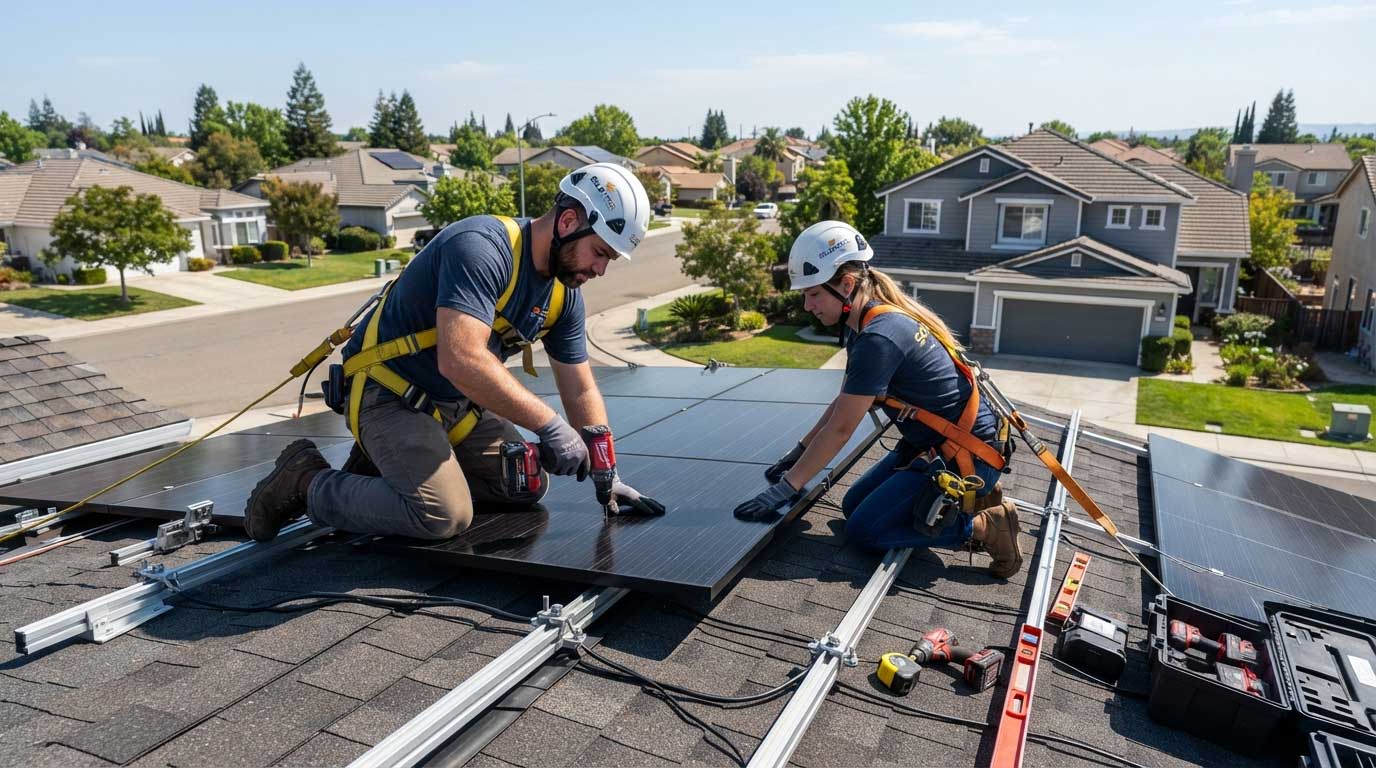
The installation labor is one of the largest factors affecting the final price of a solar energy system. Based on our experience working with residential solar projects, labor costs usually account for around 25%–35% of the total system price, depending on roof complexity, electrical upgrades, local regulations, and installer experience.
A simple single-story home with clear roof access may take only one day to complete. However, during a recent project review with a U.S. homeowner, the installation team spent additional time reinforcing mounting areas and upgrading electrical connections. The panel price stayed unchanged, but the installation portion increased because of site conditions.
This is why asking only “how much is it to install a solar panel” without considering the property itself often leads to inaccurate estimates.
According to the National Renewable Energy Laboratory (NREL), soft costs such as labor, permitting, inspection, and administrative work represent a significant portion of residential solar expenses. These costs have decreased over time as installation processes become more standardized, but they remain important in the final quotation.
Solar Panel Installation Cost by System Size
The total cost depends more on system capacity than the number of individual panels. A larger system requires more equipment, more labor hours, and a larger inverter.
| Solar System Size | Estimated Installation Cost Before Incentives | Typical Home Application |
|---|---|---|
| 3 kW | $9,000–$13,000 | Small energy users |
| 5 kW | $14,000–$20,000 | Average household |
| 7 kW | $18,000–$27,000 | Larger homes |
| 10 kW | $25,000–$35,000 | High electricity demand |
Actual prices vary by location, installer availability, roof condition, and equipment selection.
For Bright Solar customers comparing flexible solar solutions, the calculation is slightly different. Lightweight flexible panels may reduce structural requirements on certain applications, especially RVs, marine projects, and special roofs where traditional rigid panels are difficult to install.Visit the product page: Flexible Solar Panel
What Factors Increase Solar Installation Costs?
Not every installation follows the same pricing model. During consultations, these are the areas that usually create unexpected cost differences:
1. Roof Condition and Design
A simple asphalt shingle roof is usually easier to install on than:
- Tile roofs
- Metal roofs
- Steep-angle roofs
- Older structures requiring reinforcement
A difficult roof can increase installation time because technicians need additional safety equipment and mounting adjustments.
2. Electrical Upgrades
Some homes require:
- Main panel replacement
- Additional wiring
- New breakers
- Electrical inspection work
These upgrades are not always included in basic solar installation quotes.
3. Permits and Local Requirements
Permitting costs differ significantly between regions. Some areas have streamlined solar approval processes, while others require multiple inspections.
According to the U.S. Department of Energy, installation expenses vary widely because local labor markets, permitting requirements, and utility rules affect the total project cost.
How to Reduce Solar Panel Installation Costs
Homeowners can often lower costs by preparing before requesting quotes.
Practical ways to save:
- Compare at least three installer proposals
- Choose a system size based on actual electricity usage
- Schedule installation during less busy seasons
- Improve roof condition before installation
- Check available incentives and tax credits
The biggest mistake we see is choosing the cheapest quote without comparing equipment quality, warranty coverage, and installer experience.
A lower upfront price may not always provide the best long-term value.
Are Solar Panels Worth the Installation Cost?
Solar panels can provide long-term savings by reducing electricity purchases from the grid. The return depends on:
- Local electricity rates
- Sun exposure
- System size
- Financing method
- Maintenance costs
The Energy Information Administration reports that residential electricity prices have increased over many years, making energy independence more attractive for homeowners.
From our field experience, customers usually focus on the first-year savings, but the more important measurement is the system’s performance over 20–30 years.
A properly installed solar system is not just an energy product. It is a long-term household infrastructure investment.
FAQ About How much is it to install a solar panel?
How much is it to install a solar panel for a home?
The cost depends on system size, location, labor, and equipment. A complete residential solar system commonly ranges from about $15,000 to $30,000 before incentives.
Does the price include installation labor?
Most professional solar quotes include panels, mounting equipment, inverter, wiring, labor, permits, and inspection costs. Always check the quotation details before signing.
Can I install solar panels myself to save money?
DIY installation is possible for some small solar projects, but complete home systems usually require electrical knowledge, permits, and inspections.
How long does solar panel installation take?
Most residential installations can be completed within one to three days after permits and equipment preparation are finished.
Do solar panels increase home value?
Research from the U.S. Department of Energy shows that solar installations may increase property value because buyers recognize future electricity savings.
What is the cheapest way to install solar panels?
The lowest-cost approach is usually selecting the correct system size, comparing multiple installers, and taking advantage of available incentives.
how much to install solar panels?
how much to install solar panels typically ranges from $15,000 to $30,000 for a residential system in 2026. The cost depends on system size, roof structure, labor complexity, and equipment choice. In real installations, soft costs often account for nearly half of the total price.Learn more about “how much to install solar panels“
Conclusion: Understanding Solar Installation Costs Before Making a Decision
So, how much is it to install a solar panel depends on far more than the panel itself. Equipment quality, labor conditions, roof structure, electrical requirements, and local regulations all influence the final investment.
After reviewing many solar projects, one pattern is clear: homeowners who understand the complete cost structure make better decisions than those who only compare panel prices.
At Bright Solar, we believe accurate information should come before any purchase decision. A well-designed solar system should match the property, energy needs, and long-term goals of the owner.
The prev: How Much Does Solar Panels Cost?The next: how much do solar panels save?
Related recommendations
-

How Does Solar Panels Work on a House?
156Solar panels convert sunlight into DC electricity, while an inverter converts it to AC power for household use, with the grid or battery covering shortfalls.
View details -
How to Clean Portable Solar Panels?
245Clean portable solar panels with cool water, a soft brush, and a non-abrasive cloth while avoiding harsh chemicals and aggressive scrubbing.
View details -
what way should solar panels face?
130In the Northern Hemisphere, solar panels generally face true south; in the Southern Hemisphere, true north is usually preferred.
View details -
How to attach solar panels to rv roof?
236Learn how to attach solar panels to rv roof with secure mounting methods, practical tips, and expert advice for long-lasting RV solar installations from Bright Solar.
View details