How Much Are Solar Panels?
How Much Are Solar Panels?
Solar panels typically cost between $100 and $350 per panel, while complete residential solar systems generally range from $15,000 to $30,000 before incentives. Final costs depend on panel efficiency, system size, installation complexity, and local labor expenses.
The first solar quote I ever reviewed was spread across a kitchen table in southern Arizona. The homeowner had received four proposals.
One system cost $17,000.
Another exceeded $31,000.
The panels looked nearly identical on paper.
The homeowner looked confused.
After years of inspecting installations and reviewing proposals, I’ve learned that people asking “how much are solar panels” rarely want the price of a single module. They want to know how much solar will cost them in real life.
Sometimes the answer fits on a calculator.
Sometimes it requires climbing onto the roof.
Average Solar Panel Prices in 2026
Panel prices have fallen dramatically during the last two decades.
According to the U.S. Department of Energy, solar technology costs have declined substantially due to manufacturing improvements and larger production volumes.
Source:
Typical retail panel prices:
| Panel Type | Price Per Panel |
|---|---|
| 300W Monocrystalline | $100–$180 |
| 400W Residential Panel | $140–$260 |
| 500W High-Power Module | $220–$350 |
| Flexible Solar Panel | $120–$450 |
Panel prices depend on:
- Cell efficiency.
- Manufacturing quality.
- Warranty coverage.
- Brand reputation.
- Output power.
The glass, aluminum, and silicon only tell part of the story.
Real Market Pricing Beyond the Panel Label
In real project discussions, cost of solar panels is rarely treated as a standalone figure. Installers usually shift toward broader system planning, because solar panel system cost depends heavily on design choices rather than just hardware selection.
When comparing prices on solar panels, even similar wattage modules can show different average price per solar panel ranges depending on efficiency class, warranty length, and production quality. That’s why Bright Solar often sees solar panels for home cost vary more between projects than expected.
From field experience, solar panels price is only one layer of the total investment. The solar energy panel cost becomes more meaningful once installation complexity and system integration are included, especially in residential rooftop systems.
Cost Per Watt Explained
Solar professionals often calculate costs using dollars per watt.
Formula:
Panel Price ÷ Wattage = Cost Per Watt
Examples:
| Panel Size | Price | Cost Per Watt |
|---|---|---|
| 300W | $120 | $0.40/W |
| 400W | $180 | $0.45/W |
| 500W | $250 | $0.50/W |
According to the National Renewable Energy Laboratory, system prices continue declining even as efficiency improves.
Source:
Higher-efficiency modules sometimes cost more upfront.
They may require fewer panels.
That difference matters on crowded roofs.
Why Two Panels Can Cost Very Different Amounts
I once inspected two 400W panels installed side by side.
One cost nearly twice as much.
The expensive module offered:
- Better temperature performance.
- Longer warranty.
- Higher efficiency.
- Stronger degradation guarantees.
The cheaper panel generated electricity.
The premium panel generated confidence.
Sometimes buyers pay for performance.
Sometimes they pay for peace of mind.
How Much Does a Complete Solar System Cost?
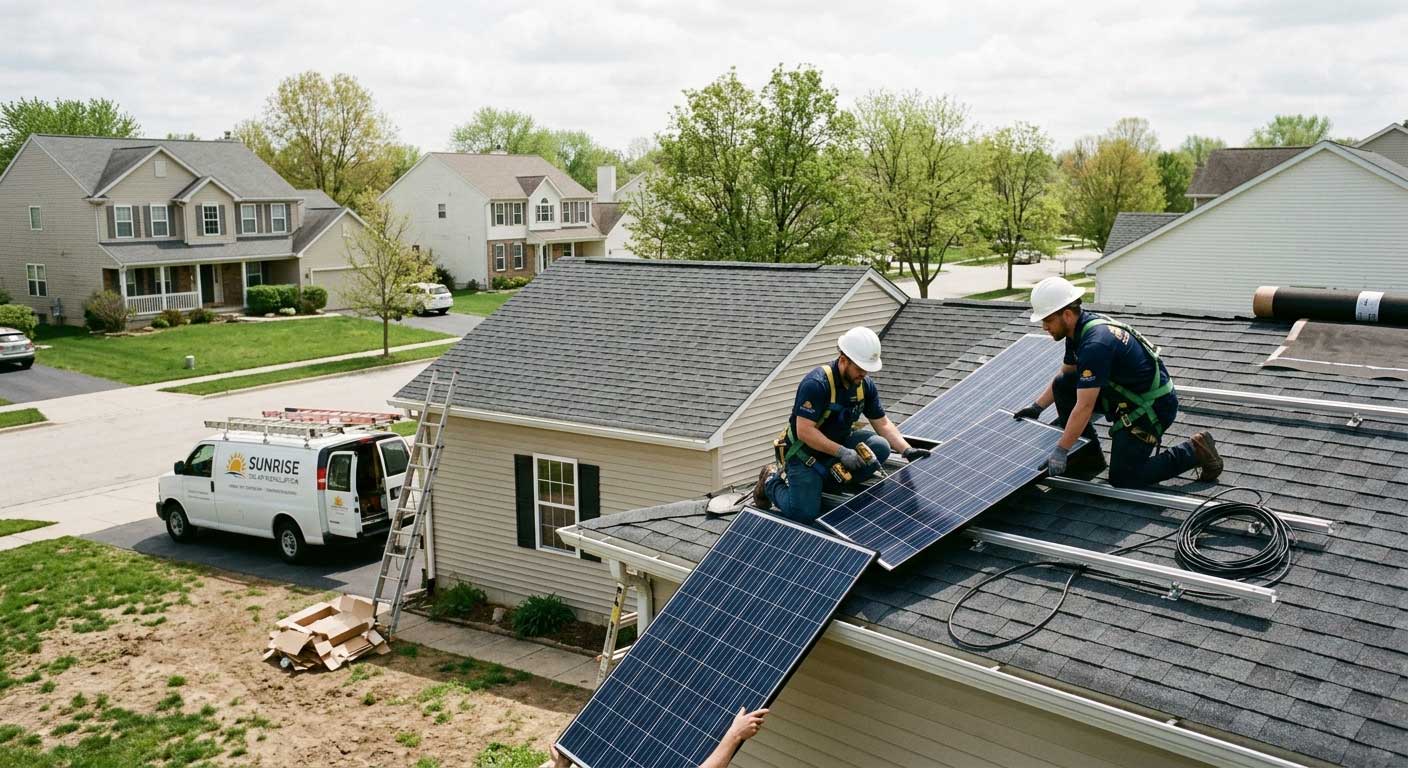
The panels themselves represent only part of the investment.
A complete system includes:
- Solar modules.
- Inverters.
- Mounting systems.
- Wiring.
- Electrical work.
- Permits.
- Labor.
According to the Solar Energy Industries Association, residential solar pricing varies depending on location, labor, and installation conditions.
Source:
Typical system costs:
| System Size | Average Price |
|---|---|
| 4 kW | $10,000–$15,000 |
| 6 kW | $15,000–$22,000 |
| 8 kW | $20,000–$28,000 |
| 10 kW | $25,000–$35,000 |
One California homeowner spent more upgrading his electrical panel than purchasing the actual modules.
Solar pricing can surprise people.
Roofs rarely cooperate with spreadsheets.
Flexible Solar Panel Prices
Flexible panels occupy a different market.
They prioritize:
- Low weight.
- Curved surfaces.
- Portable applications.
- Easy installation.
Average prices:
| Flexible Panel Size | Price Range |
|---|---|
| 100W | $80–$180 |
| 200W | $150–$300 |
| 300W | $250–$450 |
| 400W | $400–$700 |
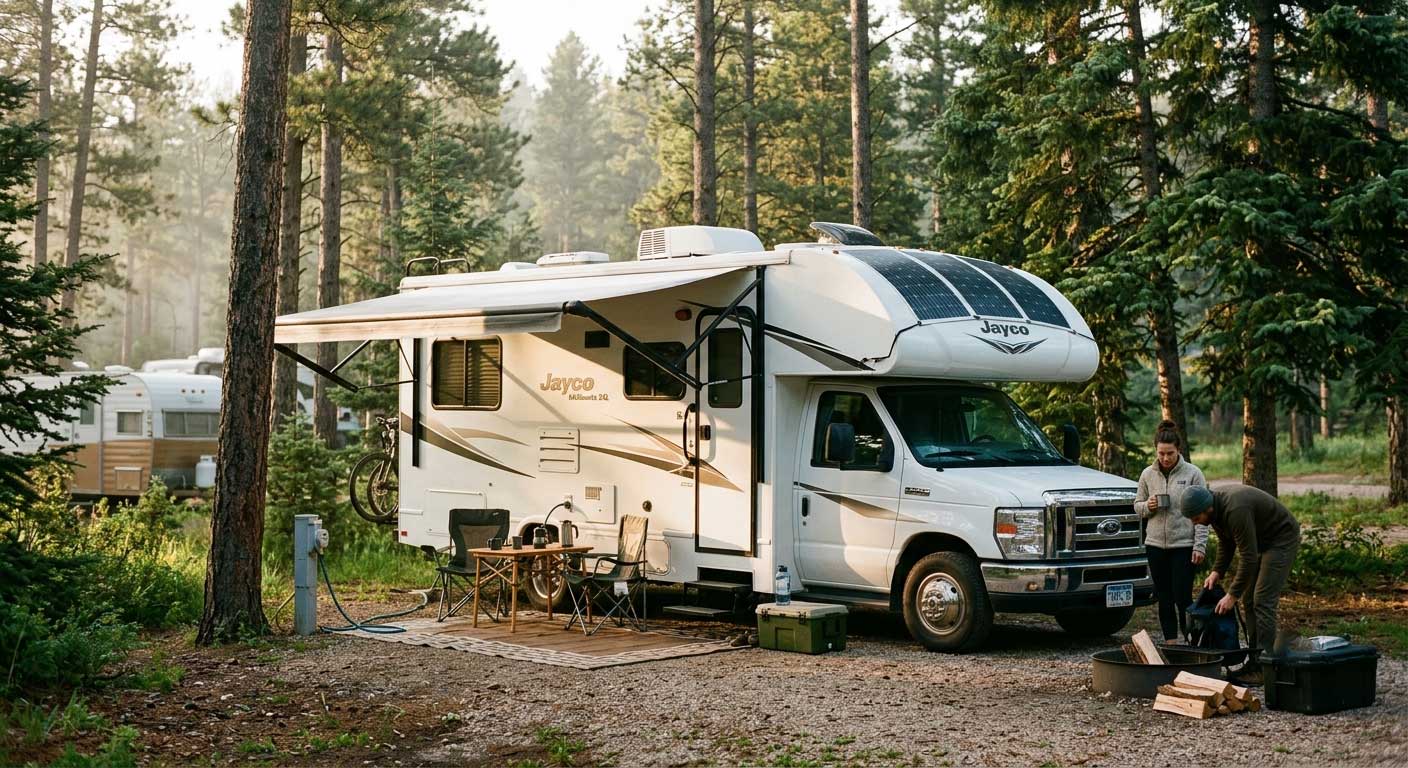
At Bright Solar, we often see RV owners choosing flexible panels despite higher prices.
Weight matters.
Curved fiberglass roofs matter.
One sailboat owner told me:
“I paid more for the panel because I couldn’t pay more for the boat.”
That sentence stayed with me.
What Factors Affect Solar Prices?
Several variables influence the final cost.
Roof Type
- Tile roofs increase labor.
- Metal roofs simplify installation.
- Steep roofs increase safety requirements.
Location
Labor rates vary considerably.
Permitting costs differ.
Inspection requirements change.
Equipment Choices
- Premium panels.
- Battery storage.
- Microinverters.
- Monitoring systems.
Installation Complexity
Trees.
Chimneys.
Skylights.
Multiple roof faces.
The most expensive project I inspected had relatively inexpensive equipment but an extremely complicated roof design.
The installer spent three days simply positioning equipment.
Are Solar Panels Becoming Cheaper?
Yes.
The International Energy Agency reports significant declines in solar technology costs over the past decade.
Source:
Several reasons explain this:
- Larger manufacturing capacity.
- Improved efficiency.
- Lower production costs.
- Global supply chains.
Ironically, while modules become cheaper, labor costs often increase.
One installer said to me during a roof inspection:
“The panels get cheaper every year. Electricians don’t.”
He wasn’t wrong.
Federal Incentives and Savings
The U.S. federal solar tax credit continues helping homeowners reduce installation costs.
Current eligibility information is available from the Internal Revenue Service.
Source:
Additional incentives may include:
- State rebates.
- Utility programs.
- Local grants.
- Net metering programs.
The actual savings depend heavily on location.
Two neighboring states may offer dramatically different incentives.
Author Experience
Michael Turner has spent more than twelve years evaluating photovoltaic products, reviewing residential proposals, inspecting solar installations, and analyzing real-world solar economics.
Professional experience includes:
- Residential solar evaluations.
- RV solar systems.
- Flexible panel testing.
- Commercial inspections.
- Product cost analysis.
The examples presented in this article originate from actual customer proposals, field inspections, and long-term industry observations.
FAQ About How Much Are Solar Panels?
How much is one solar panel?
Most residential panels cost between $100 and $350.
How much is a 6kW solar system?
A typical 6kW residential system costs approximately $15,000 to $22,000 before incentives.
Are flexible solar panels more expensive?
Yes. Flexible panels usually cost more per watt because of specialized materials and lightweight construction.
What costs more than the panels?
Labor, electrical upgrades, permits, and inverters often represent a large portion of total system costs.
Are solar panels worth the money?
For many homeowners, long-term energy savings offset installation costs over time.
how much is a solar panel?
Most residential modules typically range between $100 and $350 depending on wattage and efficiency level.
how much is one solar panel?
One solar panel cost varies by type, but most standard residential units fall within the common retail pricing range of $100–$350.
how much solar panels cost?
Solar panels cost depends on wattage, technology, and brand, with most panels priced differently across residential and commercial markets.
how much is a solar panel cost?
The cost of a single solar panel is usually influenced by efficiency rating and manufacturing quality, rather than just size alone.
how much do residential solar panels cost?
Residential solar panels generally cost within a moderate range per unit, but total system pricing depends on installation design and roof conditions.
how much are residential solar panels?
Residential solar panels are typically priced based on watt output and efficiency class, with higher-performance models costing more per panel.
how much do solar panels cost per panel?
Solar panels usually cost between $100 and $500 per panel for residential use, depending on wattage, efficiency, technology, and manufacturer. A complete solar system costs more because it includes inverters, mounting equipment, wiring, and installation.Learn more about “how much do solar panels cost per panel“
how much does one solar panel cost?
One solar panel cost varies widely in the market, but most commonly aligns with mainstream residential solar pricing ranges.
How Much Is Solar Panels?
Solar panels typically cost between $100 and $350 per panel, while complete home solar systems usually range from $15,000 to $30,000 before incentives. The final price depends on panel type, system size, installation conditions, and local labor costs.Learn more about “How Much Is Solar Panels“
How Much Do Solar Panels Cost?
Solar panels typically cost between $0.20 and $0.50 per watt for panels alone, while complete residential solar systems usually range from $15,000 to $30,000 before incentives. Actual costs depend on system size, panel type, installation complexity, and local labor expenses.Learn more about “How Much Do Solar Panels Cost“
How Much Does Solar Panels Cost?
Solar panels typically cost $100–$400 per panel, while a complete home solar system usually costs $15,000–$30,000 before incentives. The final price depends on panel type, system size, installation requirements, location, and equipment quality.Learn more about “How Much Does Solar Panels Cost“
How Much for Solar Panels?
Most residential solar panel systems in the United States cost between $15,000 and $30,000 before incentives, depending on system size, equipment quality, roof complexity, and installation location. While individual panels typically cost $150–$450, the complete installed system includes inverters, mounting hardware, labor, permitting, and electrical components.Learn more about “How Much for Solar Panels“
How Much Is A Solar Panel For House?
A single solar panel for a house usually costs between $100 and $500, depending on wattage, technology, and brand. However, a complete home solar system requires multiple panels, inverters, mounting equipment, and installation services.Learn more about “How Much Is A Solar Panel For House“
how much are solar panels for a house?
how much are solar panels for a house typically ranges from $15,000 to $30,000 for a full installed residential system in 2026. Costs vary based on system size, roof type, and location. In most real projects, installation and soft costs make up nearly half of the total price.Learn more about “how much are solar panels for a house“
How Much Are Solar Panels for House?
Solar panels for a house typically cost $15,000–$30,000 before incentives for a complete residential system. The final price depends on electricity usage, system size, panel efficiency, installation conditions, location, and equipment selection.Learn more about “How Much Are Solar Panels for House“
How Much Are Solar Panels for My House?
How much are solar panels for my house? Most homeowners in 2026 can expect to spend between $15,000 and $30,000 before incentives for a professionally installed residential solar system. Panel-only pricing is usually $0.20–$0.50 per watt, while the final installed cost depends on roof size, electricity usage, local labor rates, equipment selection, and permitting requirements.Learn more about “How Much Are Solar Panels for My House“
Visit product page:Flexible Solar Panel
Final Thoughts
People searching how much are solar panels usually expect a single number.
$200.
$300.
Perhaps $20,000.
After years of reviewing proposals and climbing rooftops, I have learned that solar pricing behaves differently.
The panel itself may be inexpensive.
The roof may not be.
The labor may not be.
The electrical system hidden inside the garage may become the largest expense.
Solar is not simply about buying equipment.
It is about building a system that quietly produces electricity for decades.
And sometimes the most valuable part of the investment is not the panel itself, but the confidence that it will still be working twenty-five years later.
The prev: How Does Solar Panels Work?The next: How Much Is Solar Panels?
Related recommendations
-

How many amps 200 watt solar panel?
258How many amps 200 watt solar panel produces depends on voltage and conditions. Learn current calculations, charging performance, and solar system sizing tips.
View details -
How Much Is Solar Panels for a House?
107How much is solar panels for a house? Discover home solar panel prices, installation costs, key factors, and expert insights from Bright Solar.
View details -
How Much Power Does a Solar Panel Generate?
115Learn how much power does a solar panel generate, including solar panel output, watts, energy production factors, and how solar systems create electricity.
View details -
What can 100 watt solar panel run?
204What can 100 watt solar panel run? Discover real examples, power calculations, and practical applications for RV, camping, battery charging, and off-grid systems with Bright Solar.
View details