How Much Do Solar Panels Cost Per Panel?
How Much Do Solar Panels Cost Per Panel?
Solar panels usually cost between $100 and $500 per panel for residential use, depending on wattage, efficiency, technology, and manufacturer. A complete solar system costs more because it includes inverters, mounting equipment, wiring, and installation.
The question “how much do solar panels cost per panel” is often the first step homeowners take when researching solar energy. However, the price of one panel does not represent the full investment required to power a home.
A solar panel is only one part of a photovoltaic system. The final project cost depends on how many panels are needed, the selected equipment, roof conditions, installation requirements, and local regulations.
At Bright Solar, we have reviewed many residential solar projects where homeowners initially focused only on panel pricing. During technical evaluations, we often find that system design has a larger impact on long-term value than the individual panel price itself.Visit the product page: Flexible Solar Panel
Average Cost Of Solar Panels Per Panel
The price of a single solar panel varies mainly according to its power output and technology.
Typical residential solar panel prices:
| Solar Panel Type | Power Output | Average Price Per Panel |
|---|---|---|
| Standard residential panel | 350W–450W | $100–$250 |
| High-efficiency panel | 450W–550W | $180–$350 |
| Premium solar panel | 550W–700W | $300–$500+ |
A higher-wattage panel generally costs more because it can produce more electricity from the same roof area.
For example:
- A 400W panel may be suitable for a larger roof with enough installation space.
- A 600W panel may be preferred where roof area is limited.
- A premium efficiency panel may reduce the total number of modules required.
The correct choice depends on the balance between panel price, available space, and expected energy production.
What Determines Solar Panel Cost Per Panel?
Solar Panel Wattage
Panel wattage directly affects pricing.
A solar panel rated at 600W generally contains more advanced cell technology and produces more electricity than a 350W module.
However, higher wattage does not automatically mean lower total project cost.
A complete system calculation should consider:
- Number of panels required
- Available roof area
- Installation complexity
- Expected annual electricity production
A professional design focuses on the total energy output rather than the price of individual panels.
Solar Cell Technology
Different solar technologies have different production costs.
Common residential panel technologies include:
| Technology | Features |
|---|---|
| Monocrystalline | High efficiency and widely used |
| TOPCon | Improved efficiency and lower degradation |
| HJT | Premium efficiency technology |
| PERC | Mature and economical option |
According to the International Energy Agency (IEA), photovoltaic technology improvements have continued to increase solar module efficiency while reducing production costs over time.
Reference:
https://www.iea.org/topics/solar-pv
Manufacturer And Warranty
Solar panels are long-term equipment, so price should not be considered alone.
Important factors include:
- Product warranty
- Performance guarantee
- Manufacturing quality
- Availability of replacement support
A slightly higher-priced panel may provide better value if it delivers stable performance over a longer operating period.
Most quality residential solar panels are designed for decades of operation with gradual performance reduction.
Solar Panel Cost Per Watt Explained
Many solar professionals compare pricing using cost per watt instead of cost per panel.
The calculation is:
Cost per watt = Panel price ÷ Panel wattage
Example:
A 500W solar panel costing $250:
$250 ÷ 500W = $0.50 per watt
This measurement makes it easier to compare different panel sizes.
| Panel Example | Price | Cost Per Watt |
|---|---|---|
| 400W panel | $200 | $0.50/W |
| 500W panel | $250 | $0.50/W |
| 600W panel | $330 | $0.55/W |
Although the individual panel price is higher, the larger panel may provide more energy output per unit.
Why One Solar Panel Price Is Not The Final Home Solar Cost
Searching how much do solar panels cost per panel gives only the equipment price.
A working residential solar system also requires additional components.
| Component | Purpose |
|---|---|
| Solar inverter | Converts DC electricity into AC power |
| Mounting system | Attaches panels securely to the roof |
| Electrical protection | Improves system safety |
| Monitoring equipment | Tracks system performance |
| Installation labor | Completes system setup |
According to the U.S. Department of Energy, solar installation costs include hardware as well as soft costs such as permitting, inspection, labor, and administrative processes.
Reference:
https://www.energy.gov/eere/solar
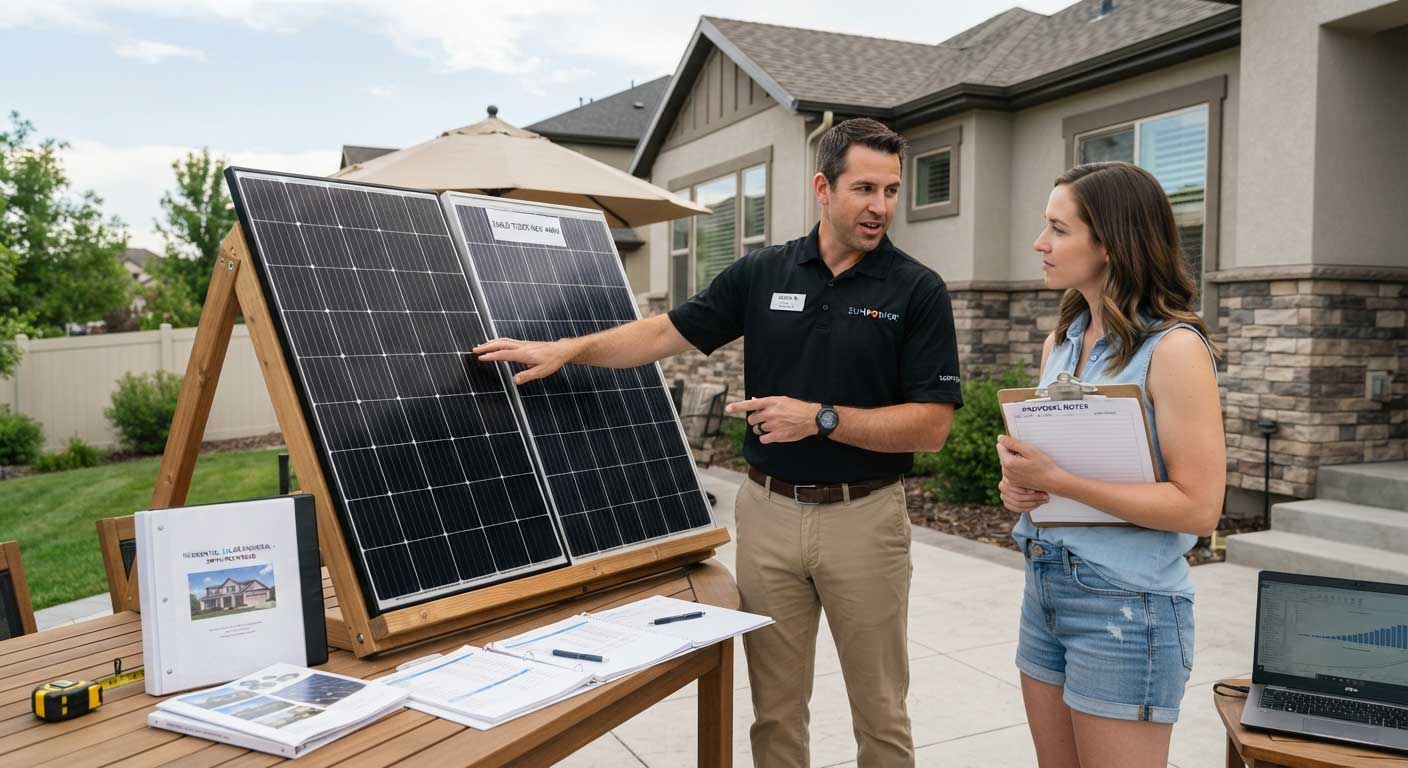
How Many Solar Panels Does A Home Need?
The number of panels required depends on household electricity demand.
Factors include:
- Monthly electricity consumption
- Local sunlight conditions
- Roof direction
- Roof shading
- Panel efficiency
For example, a home using approximately 10,000 kWh of electricity annually may require around 20–30 panels depending on system design and location.
At Bright Solar, residential planning usually begins with analyzing energy consumption before selecting panel quantity. This prevents homeowners from paying for unnecessary capacity or installing a system that cannot meet future needs.
Factors That Can Increase Solar Panel Prices
Several conditions can increase the price homeowners pay for solar panels.
Common examples include:
- Premium efficiency modules
- Limited roof space
- Complex roof designs
- Higher installation difficulty
- Additional electrical upgrades
A simple rooftop installation may have lower costs compared with a project requiring structural modifications or specialized equipment.
Understanding these factors helps homeowners make better purchasing decisions.
How To Reduce Solar Panel Costs Without Reducing Quality
When homeowners research how much do solar panels cost per panel, the next concern is usually finding a reasonable price without sacrificing long-term performance.
The lowest panel price is not always the most economical option. A solar system is expected to operate for more than two decades, so small differences in efficiency, reliability, and installation quality can influence lifetime value.
At Bright Solar, we normally look at the complete energy solution rather than choosing equipment only by the initial purchase price.
Several practical approaches can help reduce unnecessary costs:
Select The Correct Solar Panel Size
Choosing the right panel quantity is one of the most important cost decisions.
Installing too few panels may not provide enough electricity, while installing too many can increase investment without delivering additional benefits.
A proper design considers:
- Current electricity consumption
- Future energy requirements
- Roof availability
- Local solar conditions
For example, a household with high daytime electricity usage may benefit from a different system design compared with a home that mainly consumes electricity at night.
Compare Complete Solar System Quotations
When reviewing solar proposals, homeowners should compare more than the panel price.
Important details include:
| Evaluation Item | Why It Matters |
|---|---|
| Solar panel model | Determines efficiency and reliability |
| Inverter brand | Affects system performance |
| Warranty coverage | Protects long-term investment |
| Annual production estimate | Shows expected electricity generation |
| Installation method | Influences system durability |
Two quotations with similar panel numbers can have different values because of equipment quality and engineering methods.
Residential Solar Installation Experience And Practical Considerations
In real solar projects, the panel price is only one part of the decision.
During residential evaluations, several details often influence the final project cost.
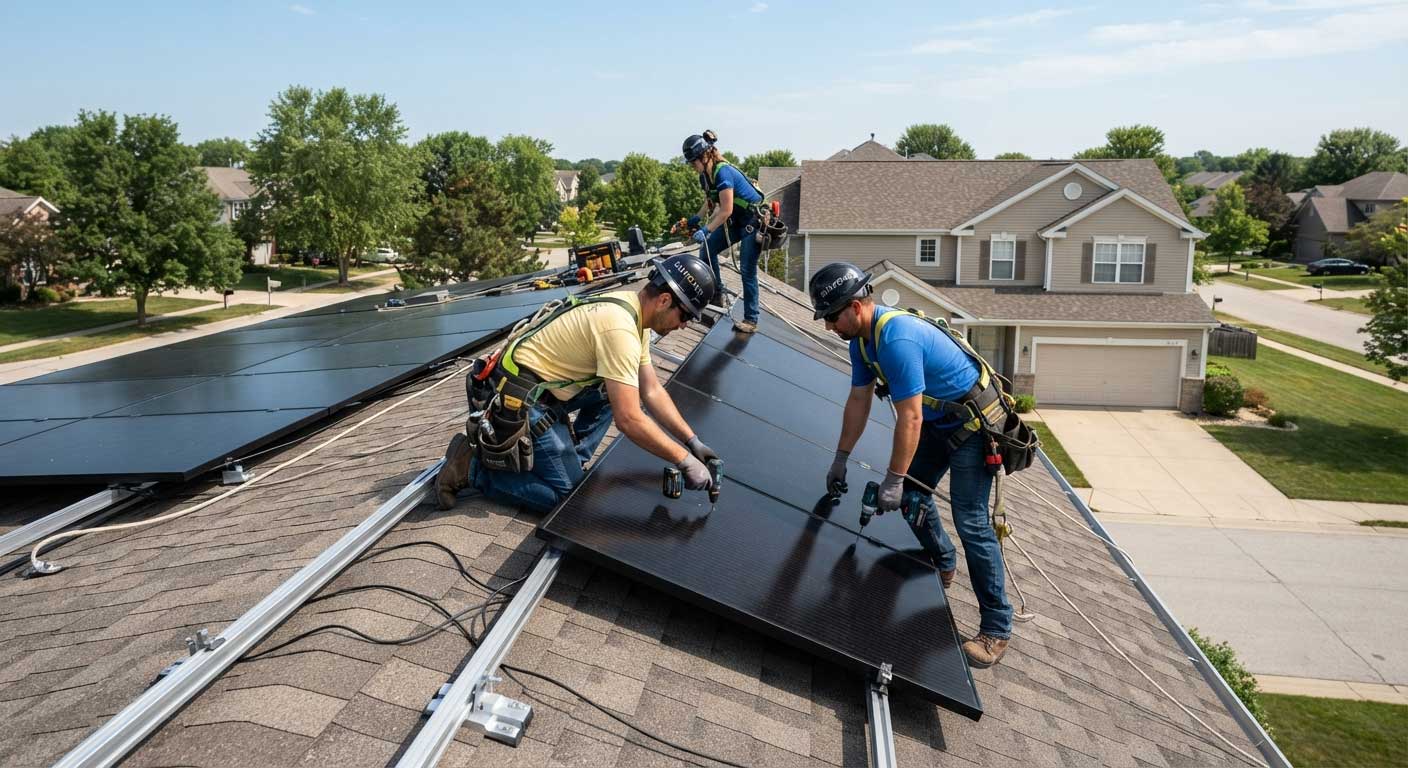
Roof Condition Assessment
Before installation, the roof should be inspected carefully.
Important checks include:
- Roof age
- Roof material
- Structural strength
- Available installation area
A homeowner with an older roof may need repairs before installing solar panels. Completing roof work first can avoid the additional expense of removing panels later.
Electrical System Compatibility
Some homes require electrical upgrades before connecting solar.
Possible requirements include:
- Main panel upgrades
- Additional protection equipment
- Updated wiring
These costs are not included in every solar installation, but identifying them early improves project planning.
Future Expansion Planning
A residential solar system may later be expanded with:
- Battery storage
- Electric vehicle charging
- Additional solar modules
Planning for future needs during the first installation can reduce modification costs later.
Are More Expensive Solar Panels Worth It?
A higher-priced solar panel is not automatically the best choice.
The value depends on:
- Energy production
- Available roof space
- Long-term reliability
- Warranty protection
- Installation conditions
For example, a homeowner with limited roof area may benefit from high-efficiency panels because fewer modules can achieve the required output.
Another homeowner with a large roof may choose more affordable modules and achieve similar total energy production.
The best solar panel is the one that matches the specific project requirements.
Solar Panel Cost Trends And Industry Development
Solar technology has become more affordable over the past decade because of improvements in manufacturing scale, supply chains, and production efficiency.
The National Renewable Energy Laboratory (NREL) tracks photovoltaic technology development and cost trends, showing continued improvements in solar module performance and manufacturing processes.
Reference:
These improvements have helped make residential solar accessible to more homeowners while increasing system efficiency.
FAQ About How Much Do Solar Panels Cost Per Panel?
How much do solar panels cost per panel?
Solar panels usually cost around $100 to $500 per panel for residential applications. The price depends on panel wattage, efficiency, technology, brand, and warranty coverage.
Why do some solar panels cost more than others?
Higher-priced solar panels may use advanced cell technology, provide higher efficiency, include stronger warranties, or offer better performance in limited roof spaces.
Can I buy only one solar panel for my house?
Yes, individual panels can be purchased, but one panel usually cannot power an entire home. Most houses require multiple panels connected as a complete solar system.
What is the average lifespan of a solar panel?
Most modern solar panels are designed to operate for approximately 25 years or longer. They usually experience gradual efficiency reduction rather than sudden failure.
Is a cheaper solar panel a better choice?
Not always. A cheaper panel may reduce initial costs, but homeowners should also consider efficiency, warranty terms, reliability, and expected lifetime energy production.
Do solar panel prices include installation?
No. The price of an individual panel usually covers only the module itself. A complete solar installation also requires inverters, mounting systems, electrical components, labor, and permits.
How Much Are Solar Panels?
Solar panels typically cost between $100 and $350 per panel, while complete residential solar systems generally range from $15,000 to $30,000 before incentives. Final costs depend on panel efficiency, system size, installation complexity, and local labor expenses.Learn more about “How Much Are Solar Panels“
How Much Is Solar Panels?
Solar panels typically cost between $100 and $350 per panel, while complete home solar systems usually range from $15,000 to $30,000 before incentives. The final price depends on panel type, system size, installation conditions, and local labor costs.Learn more about “How Much Is Solar Panels“
How Much Is One Solar Panel?
How much is one solar panel depends on its wattage, technology, efficiency, and application. A single solar panel usually costs between $100 and $350 for standard residential models, while premium and flexible panels can range from $200 to over $700 depending on specifications.Learn more about “How Much Is One Solar Panel“
How Much Is A Solar Panel For House?
A single solar panel for a house usually costs between $100 and $500, depending on wattage, technology, and brand. However, a complete home solar system requires multiple panels, inverters, mounting equipment, and installation services.Learn more about “How Much Is A Solar Panel For House“
how much does a solar panel cost?
how much does a solar panel cost depends on wattage, quality, and installation scope. In 2026, a single panel typically ranges from $100–$350, while full residential systems average $15,000–$30,000 installed. Prices vary widely due to labor, inverter choice, and regional incentives.Learn more about “how much does a solar panel cost“
How Much Do Solar Panels Cost?
Solar panels typically cost between $0.20 and $0.50 per watt for panels alone, while complete residential solar systems usually range from $15,000 to $30,000 before incentives. Actual costs depend on system size, panel type, installation complexity, and local labor expenses.Learn more about “How Much Do Solar Panels Cost“
how much is solar panel installation?
How much is solar panel installation depends on system size, equipment quality, labor costs, roof conditions, and local incentives. In the United States, most residential solar installations cost about $15,000–$30,000 before incentives, with average installed prices around $2.50–$3.50 per watt.Learn more about “how much is solar panel installation“
how much to install solar panels?
how much to install solar panels typically ranges from $15,000 to $30,000 for a residential system in 2026. The cost depends on system size, roof structure, labor complexity, and equipment choice. In real installations, soft costs often account for nearly half of the total price.Learn more about “how much to install solar panels“
How Much Does Solar Panels Cost?
Solar panels typically cost $100–$400 per panel, while a complete home solar system usually costs $15,000–$30,000 before incentives. The final price depends on panel type, system size, installation requirements, location, and equipment quality.Learn more about “How Much Does Solar Panels Cost“
Conclusion
The answer to how much do solar panels cost per panel depends on the panel technology, power rating, manufacturer, and project requirements. A residential solar panel may cost a few hundred dollars, but the complete value comes from how effectively the entire system produces electricity over time.
At Bright Solar, we recommend evaluating solar investments from a system perspective rather than focusing only on individual panel prices. The right combination of panel efficiency, installation design, and equipment selection can provide better long-term performance.
Before purchasing solar panels, homeowners should review energy consumption, roof conditions, and expected electricity production. A carefully planned system can deliver reliable renewable energy for many years.
The prev: How Much Is A Solar Panel For House?The next: do it yourself solar panel kits?
Related recommendations
-

how many solar panels do i need for my house?
29Most U.S. homes may need roughly 15–25 400W panels, but the actual number depends on electricity use, sunlight, roof space, shading, and system goals.
View details -
How Much Do Solar Panels Cost?
172Learn how much do solar panels cost in 2026, including panel prices, installation costs, system sizes, and real-world solar expenses from Bright Solar experts.
View details -
How Much Does It Cost for One Solar Panel?
215How much does it cost for one solar panel? Discover real 2026 solar panel prices, watt-based costs, installation factors, and expert buying insights from Bright Solar.
View details -
how long does it take to get solar panels installed?
314how long does it take to get solar panels installed? Learn typical 1–3 day installation times, 60–90 day project timelines, permits, inspections, and utility approval.
View details