400 Watt Solar Panels for Reliable Off-Grid and Residential Energy
A 400 watt solar panels setup is one of the most practical solutions for homeowners, RV users, farms, and small commercial systems because it balances output, installation space, and long-term energy efficiency. Modern 400W panels can generate around 1.6–2.2 kWh per day under average sunlight conditions, making them ideal for off-grid and hybrid applications.
Not long ago, 400W modules were considered “large-format” products mainly used in commercial projects. Today, they have become almost the default choice for serious residential and mobile solar installations. At Bright Solar, we started seeing the shift around late 2022 when installers stopped asking for 250W and 300W modules altogether. Roof space became more valuable than panel count.
Why 400 Watt Solar Panels Became the Industry Sweet Spot
The interesting thing about 400 watt solar panels is not just the wattage itself. It’s the efficiency-to-size ratio.
Ten years ago, reaching 400W required oversized commercial panels with lower conversion efficiency. Modern monocrystalline PERC and TOPCon cells changed that completely.
According to the latest data from the U.S. Department of Energy, residential solar module efficiency has increased from roughly 15% in 2010 to over 22% for premium modules today.
That improvement matters in real installations.
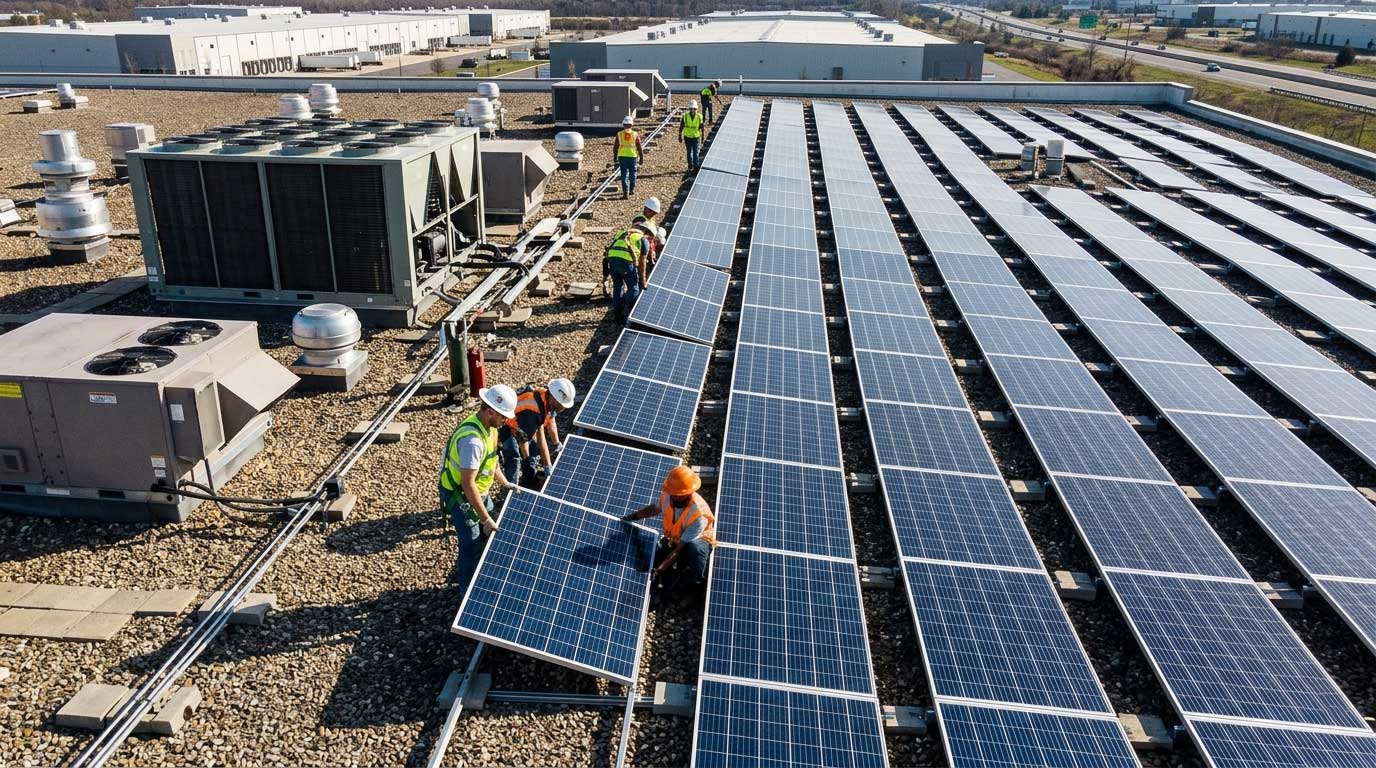
On a warehouse roof in Arizona last summer, our team replaced aging 270W modules with Bright Solar 400W panels. The client reduced total panel count by nearly 30% while increasing actual energy production during peak afternoon loads.
Less mounting hardware. Fewer cable runs. Faster labor.
That’s the part many online articles miss.
Key Performance Specifications of 400 Watt Solar Panels
Typical Technical Parameters
| Specification | Typical Range |
|---|---|
| Power Output | 400W |
| Module Efficiency | 20%–23% |
| Cell Type | Monocrystalline |
| Open Circuit Voltage (Voc) | 37V–49V |
| Operating Temperature | -40°C to 85°C |
| Lifespan | 25–30 Years |
| Degradation Rate | ≤0.55% annually |
| Protection Rating | IP67/IP68 Junction Box |
Most premium 400 watt solar panels now use half-cut cell technology. This reduces resistive losses and improves shading tolerance.
In practical terms, partial shading from a roof vent or antenna no longer kills the output of the entire module like older designs often did.
Where 400 Watt Solar Panels Work Best
Residential Rooftop Systems
Homeowners with limited roof area benefit the most.
A standard 6kW residential system needs:
- About 15 panels using 400W modules
- Around 24 panels using older 250W modules
That difference changes installation complexity significantly.
RV and Van Life Installations
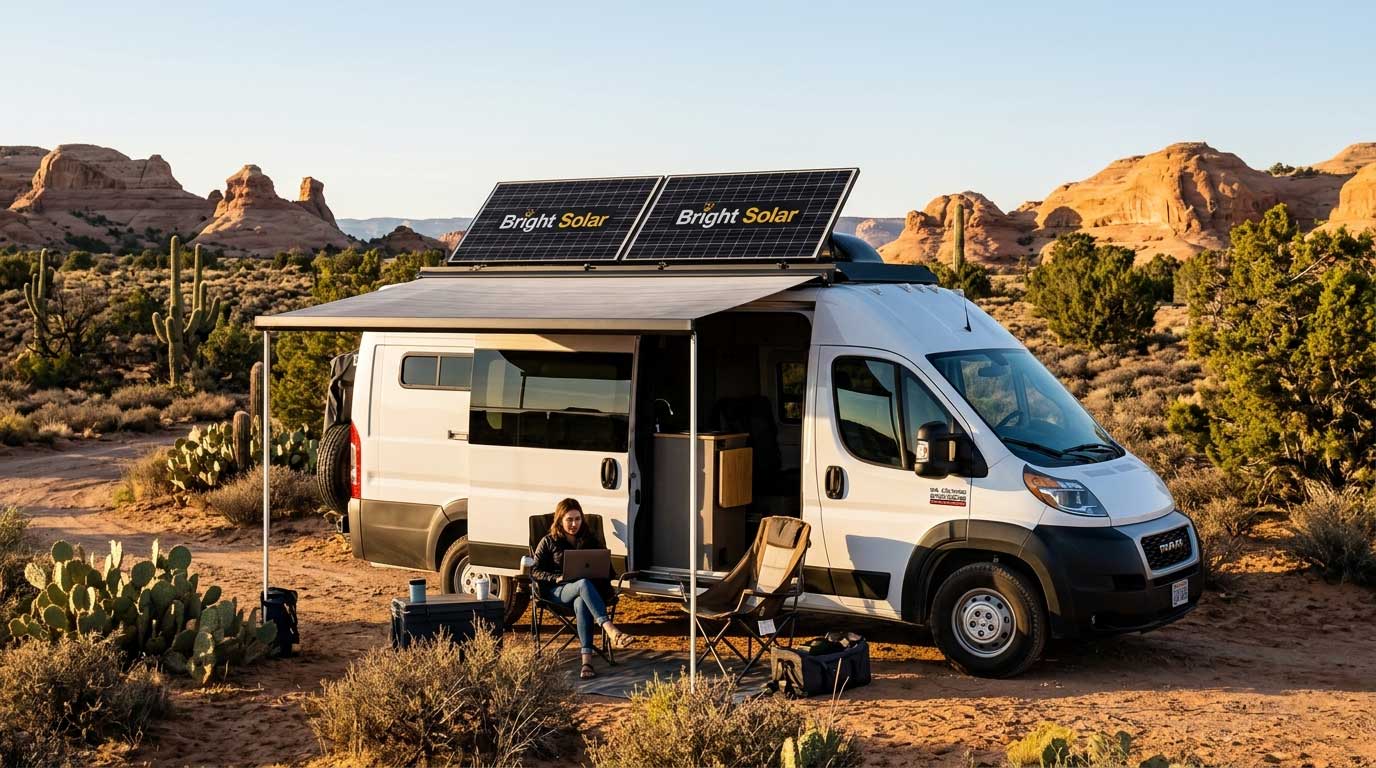
The rise of off-grid travel dramatically increased demand for 400w solar panel for RV applications.
We recently worked with a customer converting a Sprinter van in Colorado. Instead of using four smaller modules, he installed two high-efficiency 400W panels and gained:
- Simpler wiring
- Better battery charging consistency
- Lower mounting weight overall
Surprisingly, fewer larger panels often survive highway vibration better than multiple small panels with additional brackets.
Industrial and Agricultural Solar Applications
Many farms now use 400 watt solar panels for irrigation controllers, remote pumps, and livestock monitoring systems.
One dairy operation in Texas reduced diesel generator runtime by nearly 60% after installing a hybrid solar-storage setup using 400W modules.
Dust resistance became a bigger issue than heat.
That surprised even the installers.
Fine agricultural dust tends to reduce panel output gradually over time. Panels with anti-soiling coatings maintained noticeably more stable production after six months.
Monocrystalline vs Polycrystalline: Why Monocrystalline Dominates
Today, almost every premium 400 watt solar panels product uses monocrystalline technology.
Here’s why:
| Feature | Monocrystalline | Polycrystalline |
|---|---|---|
| Efficiency | Higher | Lower |
| Appearance | Uniform black | Bluish texture |
| Heat Performance | Better | Moderate |
| Lifespan | Longer | Shorter |
| Roof Space Usage | Efficient | Less efficient |
BloombergNEF reported that monocrystalline technology now accounts for more than 90% of global solar manufacturing capacity.
Polycrystalline panels simply cannot compete anymore in premium markets.
Real Efficiency vs Advertised Efficiency
One thing buyers rarely understand:
Lab efficiency is not field efficiency.
There’s a difference.
In real outdoor conditions, panel temperature matters more than spec sheets.
During field testing on a metal warehouse roof in Nevada, we recorded panel surface temperatures exceeding 67°C. Lower-quality modules showed substantial voltage drops under those conditions.
Premium 400 watt solar panels with lower temperature coefficients maintained noticeably better afternoon performance.
That’s why temperature coefficient deserves more attention than peak wattage.
<h3>Recommended Temperature Coefficient</h3>
Look for:
- ≤ -0.35%/°C for premium modules
- Avoid panels worse than -0.40%/°C
How Much Energy Can 400 Watt Solar Panels Produce?
Actual output depends heavily on sunlight hours.
Average Daily Production Estimates
| Sunlight Hours | Daily Output |
|---|---|
| 4 Hours | 1.6 kWh |
| 5 Hours | 2.0 kWh |
| 6 Hours | 2.4 kWh |
A 10-panel setup can often generate:
- 16–24 kWh daily
- Enough for many average homes
According to the International Energy Agency (IEA), solar PV became the cheapest electricity source in history for many regions worldwide.
That’s no longer marketing language. It’s basic economics now.
Common Mistakes When Buying 400 Watt Solar Panels
1. Ignoring Structural Load
Larger modules mean larger wind loads.
Some older roofs cannot safely support modern panel dimensions without reinforcement.
2. Focusing Only on Price
Cheap modules often degrade faster.
We inspected a low-cost installation after only three years where microcracks reduced output by nearly 18%.
3. Mismatched Inverters
Voltage compatibility mistakes remain surprisingly common in DIY installations.
Especially with hybrid battery systems.
Why Bright Solar Focuses on Long-Term Reliability
At Bright Solar, we design 400 watt solar panels for real outdoor conditions, not only laboratory certifications.
That includes:
- Salt mist resistance for coastal regions
- PID resistance
- Heavy snow load support
- Wind load testing
- UV aging durability
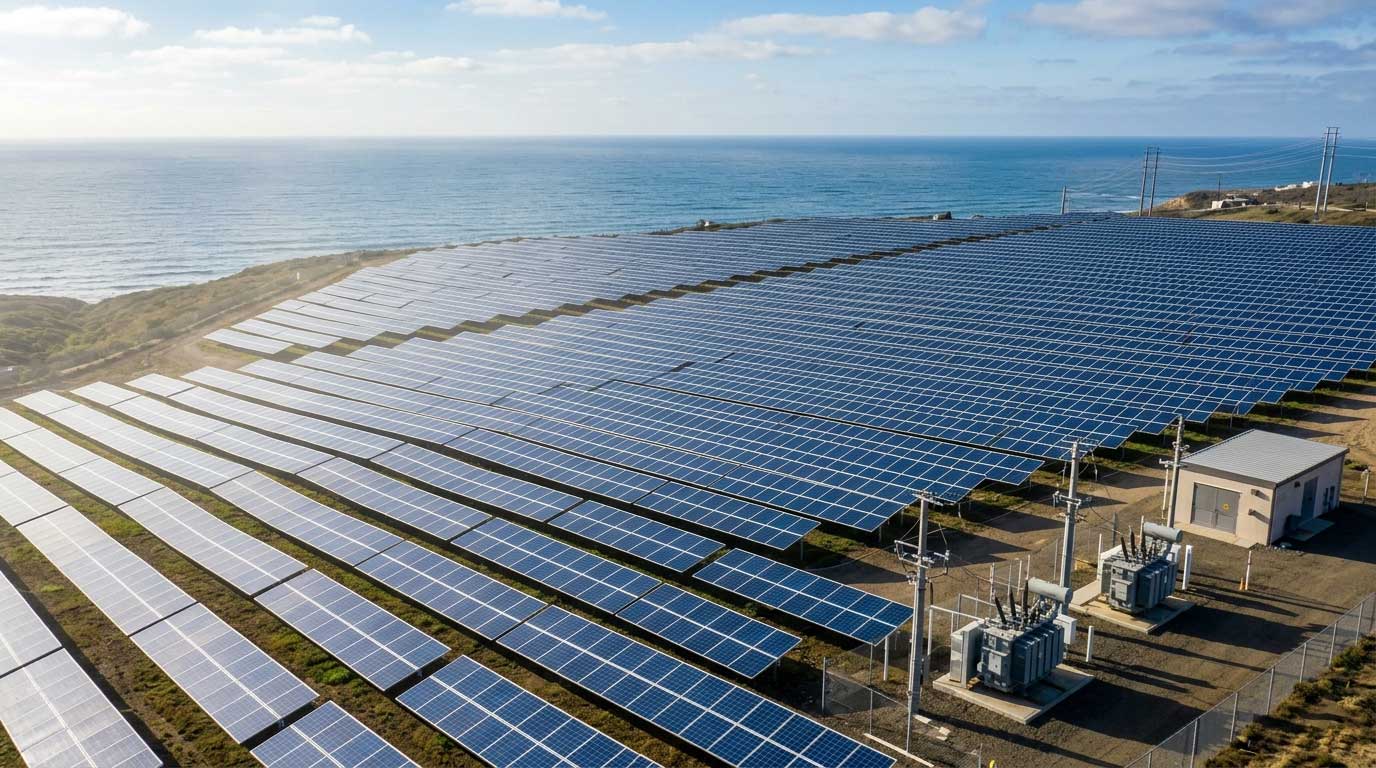
One offshore client in Southeast Asia reported less than 2% output variation after continuous exposure to high humidity and salt air conditions.
That kind of stability matters more than flashy brochure numbers.
FAQ About 400 Watt Solar Panels
How many batteries can a 400 watt solar panel charge?
A single 400W panel can typically charge one 12V 200Ah lithium battery efficiently under full sunlight conditions.
Are 400 watt solar panels suitable for off-grid cabins?
Yes. They are commonly used in off-grid cabins because they reduce total panel count while maintaining strong daily production.
How long do 400 watt solar panels last?
Most premium modules last 25–30 years with gradual output degradation.
Can 400 watt solar panels power an air conditioner?
Indirectly, yes. Multiple panels combined with battery storage and inverter systems can support residential air conditioning loads.
This section provides an in-depth look at:400 Watt Solar Panel
Final Thoughts on 400 Watt Solar Panels
The reason 400 watt solar panels dominate today’s market is simple: they balance efficiency, installation practicality, and long-term energy yield better than smaller legacy modules.
Whether installed on a suburban roof, remote farm, RV, or industrial facility, the technology has matured far beyond what solar users saw even five years ago.
At Bright Solar, we’ve seen customers shift from “trying solar” to fully depending on it.
That’s a very different conversation now.
Related recommendations
-

Charge Battery with Solar Panel: Complete Guide
288Learn how to charge battery with solar panel safely and efficiently. Understand panel sizing, charge controllers, battery voltage, wiring, charging time, and system design.
View details -
flexible solar panels for rv (Real Field Engineering Guide from Bright Solar)
139flexible solar panels for rv explained with real installation cases, durability insights, RV roof design tips, and off-grid performance data for travelers.
View details -
10 Watt Flexible Solar Panel: Uses, Output and Installation Guide
173A 10 watt flexible solar panel is designed for low-power applications such as sensors, small lights, GPS devices, battery maintenance, and small RV or marine...
View details -
1000W Solar Panel Guide: What a 1000W Solar Panel Can Really Power
275Learn how a 1000W solar panel system works, what it can power, expected daily output, installation options, and whether it fits your RV, home, boat, or off-grid project.
View details