400 Watt Solar Panel: Real Performance, Efficiency, and Buying Guide
A 400 watt solar panel is a high-efficiency photovoltaic module designed to generate substantial power for residential, RV, off-grid, and commercial applications. Under good sunlight conditions, a single 400W panel can typically produce 1.6–2.2 kWh of electricity per day, depending on climate, angle, and installation quality.
That’s the direct answer. But actual field performance rarely matches the neat numbers printed on product labels.
I’ve tested 400w solar panels on warehouse roofs, camper vans, agricultural sheds, and portable trailer systems over the last several years. The biggest lesson? Two panels with the same watt rating can behave very differently after six months outdoors.
Heat management, glass quality, frame rigidity, cable sealing, and cell consistency matter far more than most buyers expect.
What Is a 400 Watt Solar Panel?
A 400 watt solar panel is a photovoltaic module capable of producing up to 400 watts of electrical output under Standard Test Conditions (STC).
Most modern 400W modules use:
- monocrystalline solar cells
- half-cut cell architecture
- PERC or TOPCon technology
- aluminum alloy frames
- tempered low-iron glass
Typical applications include:
- residential rooftop systems
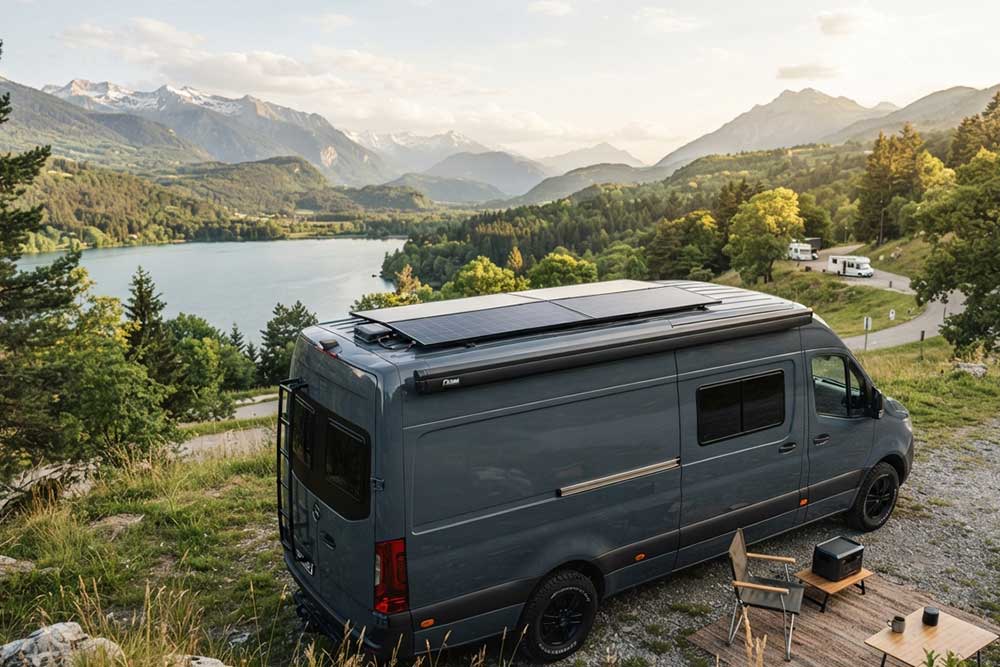
- RV and camper power
- portable off-grid systems
- agricultural equipment
- backup energy storage setups
According to the U.S. National Renewable Energy Laboratory (NREL), modern monocrystalline panels now routinely exceed 20% efficiency in commercial production environments.
That efficiency jump is one reason 400w solar panels became mainstream much faster than many installers predicted.
Why 400W Became the Sweet Spot
A few years ago, 250W–300W modules dominated the market.
Now, 400w solar panels sit in a practical middle ground:
- strong power density
- manageable size
- easier transport
- suitable for residential roofs
- compatible with portable systems
Larger modules above 600W exist, but handling them on small projects becomes awkward quickly.
One installer I worked with called 400W “the last size one person still enjoys carrying.”
Not scientific. Still accurate.
Planning Around Size, System Capacity, and Real Roof Space
Understanding 400 Watt Solar Panel Size Before You Buy
One mistake I see surprisingly often is people choosing a panel based entirely on wattage without checking whether it physically fits the installation area.
A modern 400 watts solar panel is compact compared to older solar technology, but it is still a large piece of equipment. Before ordering, it helps to understand the actual 400 watt solar panel size and how that affects transport, handling, and roof layout.
Most current monocrystalline modules fall within a fairly similar range. Typical 400 watt solar panel dimensions are roughly 1.7 to 2 meters long and about 1 to 1.2 meters wide, although exact measurements vary by manufacturer.
I remember visiting a workshop where the owner had already purchased several panels before measuring around roof vents and skylights. The panels were excellent. The available space was not.
Solar projects occasionally become an exercise in tape-measure accuracy.
That is why questions such as how big is a 400w solar panel, 400w solar panel size, 400 w solar panel size, and the overall size of 400 watt solar panel should be answered before final system design begins.
Why 400 Watt Solar Panels for Home Systems Remain Popular
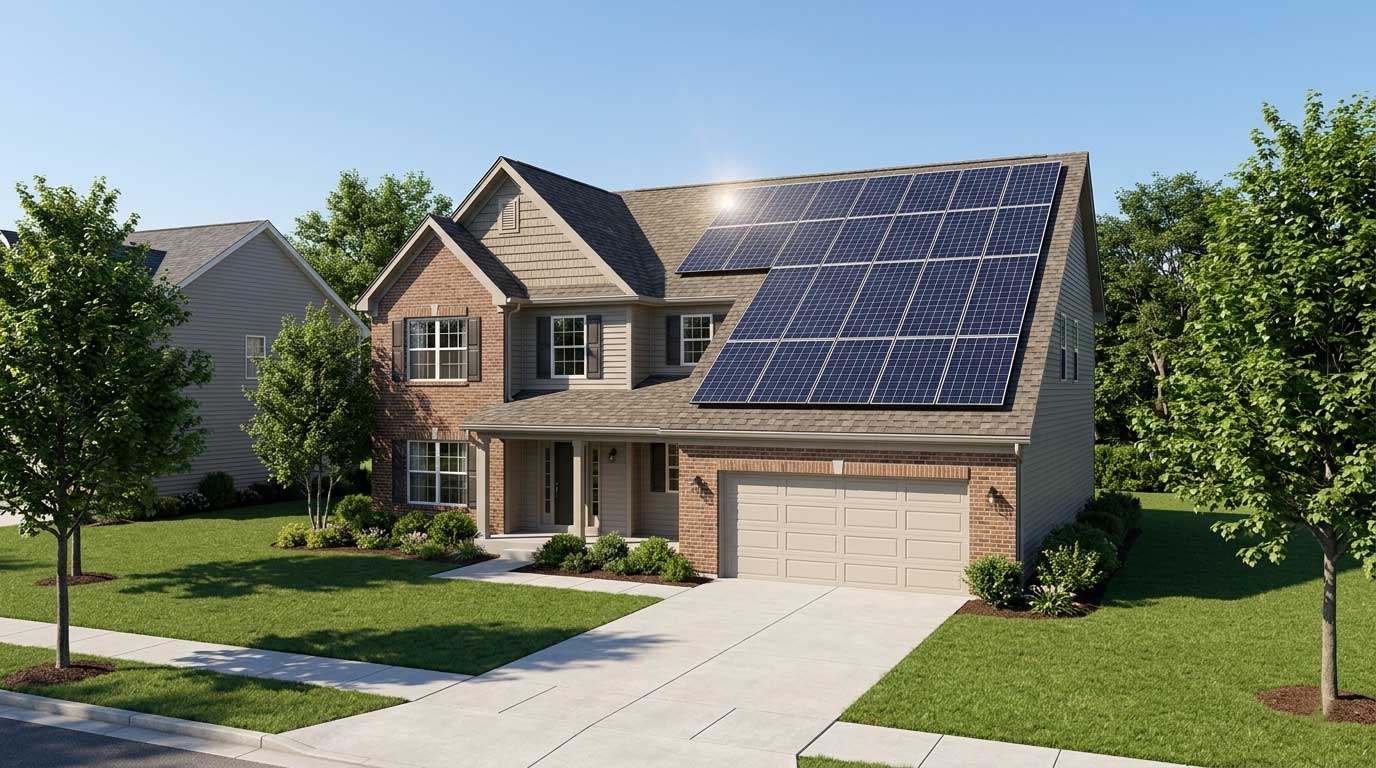
For residential installations, 400 watt solar panels for home projects have become one of the most common choices over the last few years.
There is a practical reason for that.
Smaller panels require more roof penetrations and additional mounting hardware. Much larger modules can become difficult to maneuver on residential rooftops. The 400W category sits comfortably between those extremes.
A quality 400w high efficiency solar panel for rooftop system applications can provide strong energy density while remaining manageable for installers. On many suburban roofs, that balance allows homeowners to maximize production without creating unnecessary installation complexity.
At Bright Solar, we’ve seen homeowners upgrade older arrays and gain meaningful production increases simply by replacing lower-wattage modules with modern 400 watt solar panels using higher-efficiency cell technology.
The Difference Between a 400 Watt PV Panel and a Complete Solar System
Another source of confusion involves the difference between a panel and an entire system.
A single 400 watt PV panel produces electricity, but it does not operate independently.
To build a functional 400w solar system, additional components are required:
- charge controller
- inverter
- battery storage (if needed)
- protection devices
- cabling and connectors
In off-grid environments, system balance often matters more than adding another panel.
I’ve inspected installations where owners invested heavily in premium modules but overlooked wiring quality and battery sizing. The result was disappointing performance despite excellent hardware on the roof.
Understanding 400KW Solar System and 400 KWH Solar System Terminology
Every so often, someone searching for residential solar accidentally mixes utility-scale terminology with rooftop solar equipment.
A 400kw solar system is dramatically different from a single 400W module. Commercial facilities, warehouses, manufacturing plants, and large agricultural sites may install a 400kw solar panel project consisting of hundreds or even thousands of modules working together.
The same applies to terms such as 400kw solar panel and 400 kw solar panel, which generally refer to large commercial-scale generation capacity rather than individual products.
Likewise, a 400 kwh solar system usually describes energy storage or energy consumption rather than panel wattage.
The distinction sounds minor.
In practice, it changes everything.
A homeowner may be considering one panel. An industrial facility discussing a 400kw solar system is planning infrastructure on an entirely different scale.
Choosing the Right 400W Solar Solution
Whether you’re comparing 400w solar panels for a camper, evaluating 400 watt solar panels for home, or planning a larger installation, the same principle applies.
Don’t start with wattage.
Start with the application.
Available roof area.
Daily energy consumption.
Local climate.
Shading conditions.
Future expansion plans.
At Bright Solar, those conversations usually reveal more useful information than the panel specification sheet alone.
Because after enough years around solar installations, one pattern keeps repeating itself:
The best-performing systems are rarely the biggest.
They’re the ones where the panel size, system design, and real-world expectations all match each other from the start.
Real Output: What You Actually Get
The rated wattage assumes:
- 25°C cell temperature
- perfect sunlight
- ideal angle
- no shading
- clean surface
Real-world conditions rarely cooperate.
Typical daily production from one 400 watt solar panel:
| Location Type | Estimated Daily Output |
|---|---|
| Sunny desert climate | 2.0–2.4 kWh |
| Average suburban roof | 1.6–2.0 kWh |
| Cloudy coastal area | 1.2–1.6 kWh |
| Portable RV setup | 1.0–1.8 kWh |
Heat reduces efficiency more than most new buyers realize.
In Arizona summer testing, I measured surface temperatures exceeding 63°C on black-frame rooftop modules. Output dropped noticeably during peak afternoon heat.
400w solar panels like sunlight. They do not particularly like heat.
Key Features That Matter More Than Marketing
1. Cell Technology
Most premium monocrystalline 400 watt solar panel products now use:
- PERC cells
- TOPCon cells
- half-cut architecture
Half-cut designs help reduce resistive losses and improve partial shading performance.
2. Temperature Coefficient
This specification gets ignored constantly.
Lower temperature coefficient means better performance in heat.
For example:
- -0.34%/°C performs better than
- -0.42%/°C in hot climates
Over years, that difference becomes meaningful.
3. Glass and Frame Quality
On paper, many panels appear similar.
Then storms arrive.
I’ve seen cheaper frames twist slightly during transport, causing long-term stress on glass edges. Microcracks do not always appear immediately—but production slowly drops.
A rigid frame matters more than flashy brochures.
4. Connector and Cable Reliability
Outdoor power systems fail surprisingly often at connectors.
Look for:
- UV-resistant cable jackets
- waterproof MC4 connectors
- proper junction box sealing
One poorly crimped connector can reduce output across the entire string.
Typical Uses for 400W Solar Panels
| Application | Why 400W Works Well |
|---|---|
| Residential roofs | Strong output per panel |
| RV systems | Good balance of size and power |
| Off-grid cabins | Efficient battery charging |
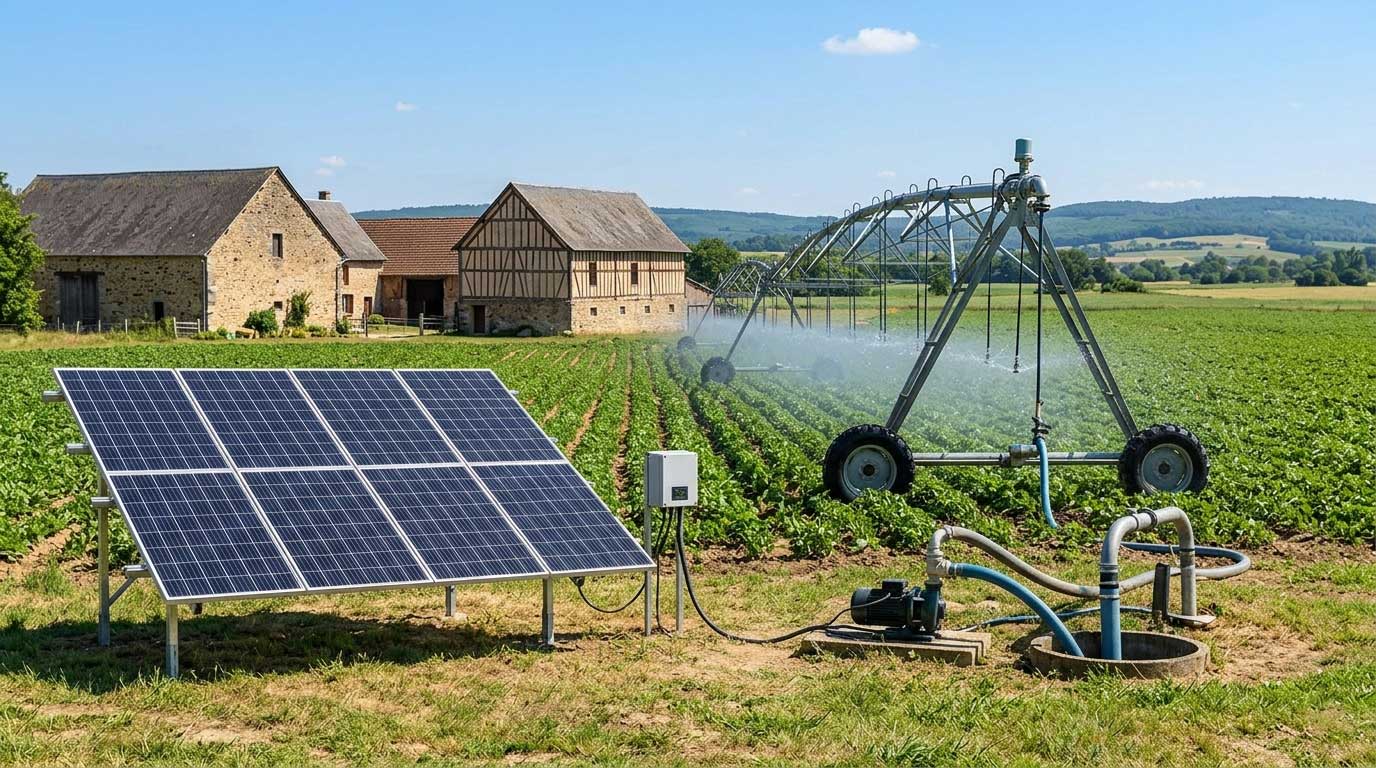
| Agricultural pumps | Reliable daytime operation |
| Portable trailer systems | Easier transport than oversized modules |
Portable vs Fixed 400W Systems
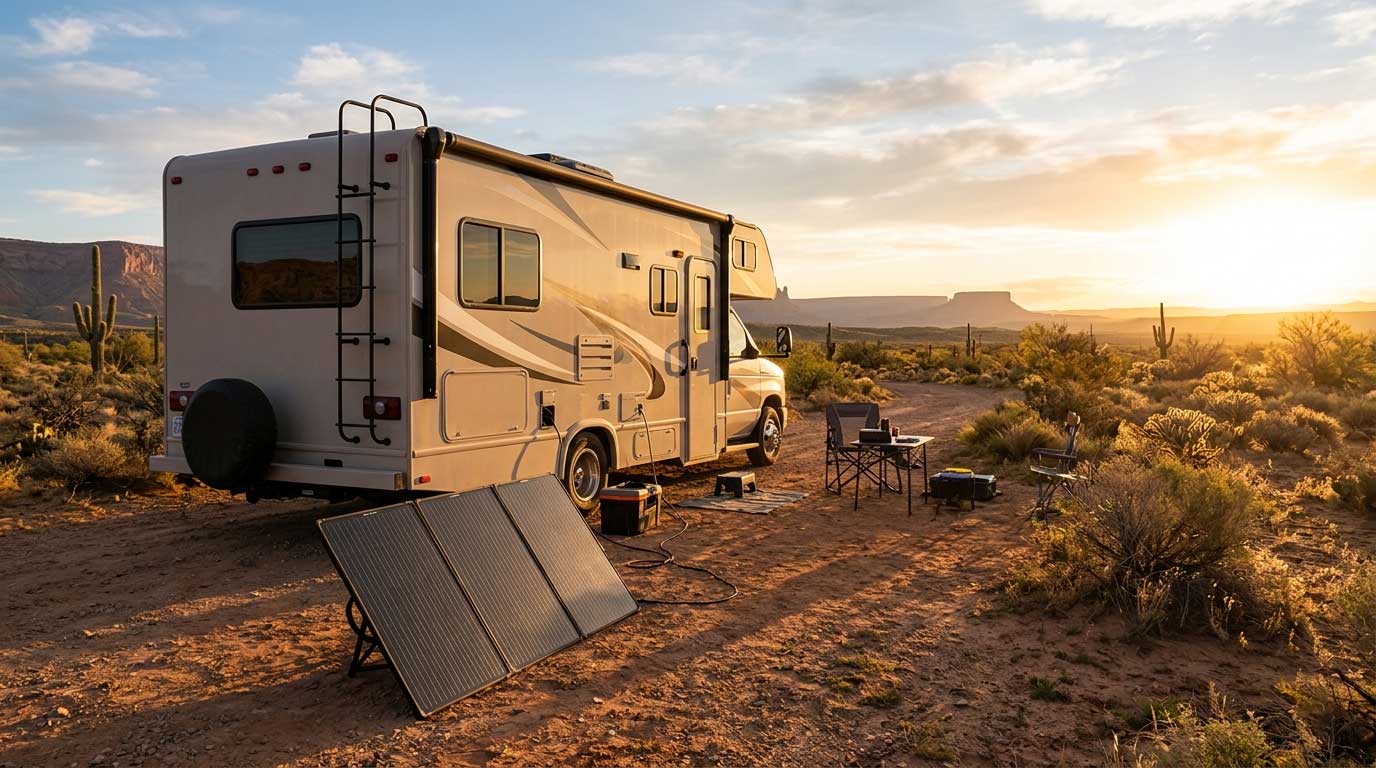
Portable 400 Watt Solar Panel Systems
Best for:
- RV users
- campers
- mobile power stations
- emergency backup
Advantages:
- mobility
- quick deployment
- foldable options available
Limitations:
- lower long-term efficiency
- cable management challenges
- more exposure to physical wear
Fixed Roof Installations
Best for:
- homes
- warehouses
- farms
- long-term energy savings
Advantages:
- stable production
- better tilt optimization
- lower maintenance frequency
Limitations:
- permanent installation cost
- roof compatibility considerations
Common Mistakes Buyers Make
- Buying based only on wattage
- Ignoring temperature coefficient
- Poor inverter matching
- Installing near partial shade
- Using undersized cables
- Forgetting airflow under panels
- Choosing lowest-cost mounting hardware
The panel itself is only part of system performance.
Why Bright Solar Focuses on Real-World Durability
Bright Solar designs systems for actual outdoor conditions—not only laboratory testing.
Customers often prioritize:
- stable high-temperature performance
- reinforced frame strength
- efficient monocrystalline cells
- long-term weather resistance
- compatibility with modern battery systems
In real installations, consistency matters more than peak marketing numbers.
FAQ – 400 Watt Solar Panel
How much power can a 400 watt solar panel produce daily?
Typically 1.6–2.2 kWh per day under good sunlight conditions.
Can a 400W panel run a refrigerator?
Yes, with proper battery storage and inverter sizing.
How many 400W panels power a house?
A typical home may require 10–20 panels depending on electricity usage and climate.
Are 400W solar panels good for RVs?
Yes. They provide strong charging capability while remaining reasonably portable.
What is the size of a 400 watt solar panel?
A typical 400 watt solar panel size is approximately 1.7–2 meters long and 1–1.2 meters wide. Exact dimensions vary by manufacturer, but most residential 400W modules are designed to balance high power output with practical roof installation.
What is a 400W solar module?
A 400W solar module is a photovoltaic panel capable of producing up to 400 watts of power under Standard Test Conditions (STC). It commonly uses monocrystalline cells, half-cut technology, and high-efficiency designs for residential, RV, and off-grid applications.
What is a solar panel 400 watt used for?
A solar panel 400 watt is commonly used for home rooftop systems, RV solar setups, cabins, farms, and portable energy solutions. It provides a strong balance between power output, installation space, and handling convenience compared with smaller wattage panels.
What is a 400 watt PV panel?
A 400 watt PV panel is a solar photovoltaic module rated to generate 400 watts of electricity under ideal testing conditions. In real-world environments, daily energy production is usually around 1.6–2.2 kWh depending on sunlight, temperature, angle, and installation quality.
Are 400 watt solar panels for home systems a good choice?
Yes, 400 watt solar panels for home systems are a popular choice because they provide high power density while remaining manageable for rooftop installation. They reduce the number of panels needed compared with lower-wattage modules and work well with modern residential solar designs.
Final Thoughts from Field Installations
When buyers ask me if a 400 watt solar panel is enough, I usually answer with another question:
Enough for what?
Running lights in an RV? Easy.
Supporting an off-grid cabin? Possible.
Powering a full house without storage planning? Probably not.
Solar performance is never just about panel wattage.
It’s about:
- sunlight conditions
- battery sizing
- inverter quality
- installation angle
- airflow
- shading control
The best systems are balanced systems.
And the right 400 watt solar panel often becomes the foundation that makes the rest of the setup work smoothly for years.
Related recommendations
-

Flexible 400 Watt Solar Panel: Output, Uses and Installation
150A flexible 400 watt solar panel can suit selected RV, marine, and off-grid systems, but actual energy output depends on sunlight, temperature, shading, orien...
View details -
Solar Panels in Parallel: When Parallel Wiring Is the Smartest Choice
297Learn how solar panels in parallel improve system reliability, reduce shading losses, and optimize 12V battery charging. Expert guide from Bright Solar.
View details -
48V Solar Panel: Complete Guide for Modern Off-Grid Power Systems
318Discover how a 48V solar panel improves efficiency, reduces cable loss, and powers modern off-grid systems. Learn sizing, applications, costs, and installation tips.
View details -
400w Flexible Solar Panels: Complete Guide for RV & Off-Grid Use
295Explore 400w flexible solar panels for RVs, boats and off-grid systems. Learn sizing, output, installation, wiring, efficiency and practical selection tips.
View details