200 Watt Flexible Solar Panel for RV, Marine, and Off-Grid Applications
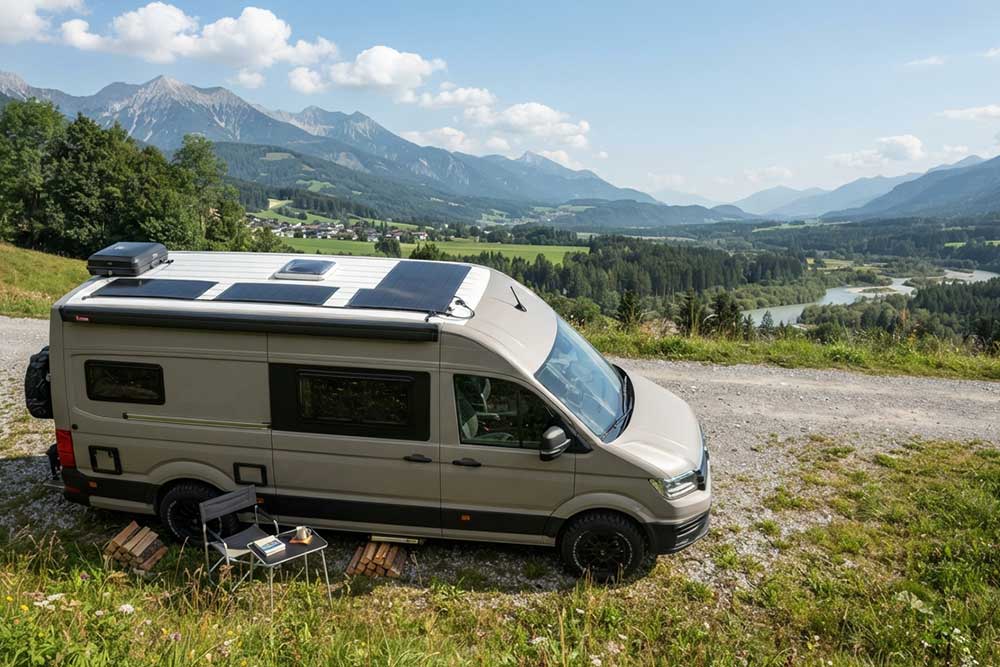
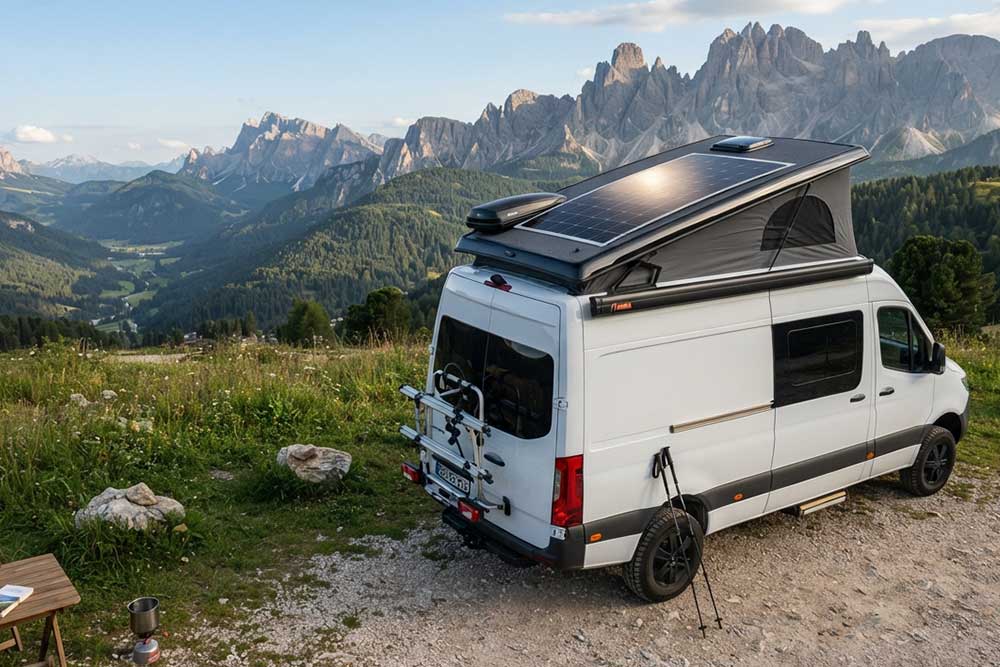
A 200 watt flexible solar panel is one of the most practical solar solutions for mobile and off-grid power because it combines lightweight construction, moderate power output, and easy installation on curved or uneven surfaces. Modern flexible panels can reliably support RV batteries, marine systems, portable power stations, and remote cabins without the bulk of rigid glass modules.
A few years ago, flexible solar panels were still considered “backup-only” products. Efficiency was mediocre. Lifespan was unpredictable. Many installers avoided them completely.
That changed surprisingly fast.
Today’s high-quality ETFE-coated flexible panels perform far better under vibration, salt air, and thermal cycling than earlier PET-based designs. At Bright Solar, we started noticing a major shift from van conversion companies around 2023. Customers stopped asking whether flexible panels were “safe enough” and instead focused on weight savings and installation freedom.
That’s a different conversation entirely.
Why 200 Watt Flexible Solar Panels Are Growing So Fast
The biggest advantage is not actually flexibility.
It’s weight.
A traditional rigid 200W solar panel often weighs 12–15 kg with aluminum framing and tempered glass. A modern 200 watt flexible solar panel can weigh under 4 kg.
That changes everything for:
- RV roofs
- Sailboats
- Camper vans
- Tiny homes
- Portable off-grid systems
Less roof stress. Easier installation. Lower aerodynamic drag.
On one camper project in Oregon, the owner replaced two rigid rooftop modules with lightweight flexible panels after repeatedly dealing with roof seal leaks around mounting brackets. The switch reduced roof penetrations by almost 80%.
That kind of detail matters more than spec sheets sometimes.
According to the National Renewable Energy Laboratory (NREL), reducing rooftop load and mounting complexity directly lowers long-term maintenance risks for mobile solar systems.
Key Specifications of a Modern 200 Watt Flexible Solar Panel
Typical Technical Data
| Specification | Typical Range |
|---|---|
| Rated Power | 200W |
| Weight | 3–5 kg |
| Efficiency | 20%–23% |
| Cell Type | Monocrystalline |
| Bend Radius | Up to 30° |
| Waterproof Rating | IP67/IP68 |
| Surface Material | ETFE |
| Lifespan | 10–20 Years |
Most premium 200 watt flexible solar panel products now use monocrystalline half-cut cells combined with ETFE surface coatings.
That ETFE layer is important.
Cheaper PET coatings often yellow after prolonged UV exposure. ETFE resists UV degradation significantly better and maintains higher light transmission over time.
Where Flexible Solar Panels Actually Work Best
RV and Camper Van Installations
Flexible solar panels became extremely popular in RV applications for one simple reason:
Curved roofs.
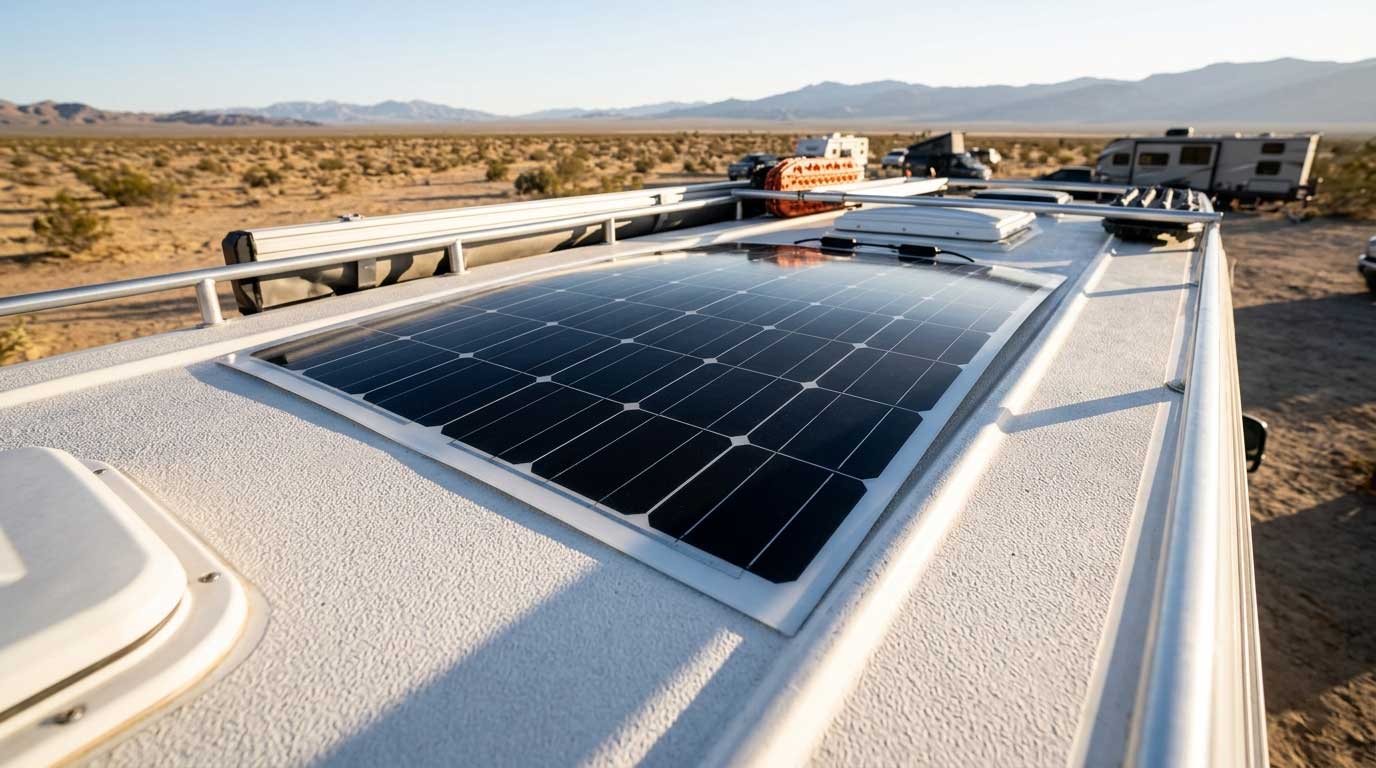
Rigid panels leave gaps and mounting challenges on aerodynamic RV surfaces. Flexible panels conform much more naturally.
A Bright Solar customer traveling across Nevada last summer told us something interesting. His van roof temperatures exceeded 70°C in direct desert sunlight, yet the ETFE flexible modules still maintained stable charging performance.
That’s where material quality becomes obvious very quickly.
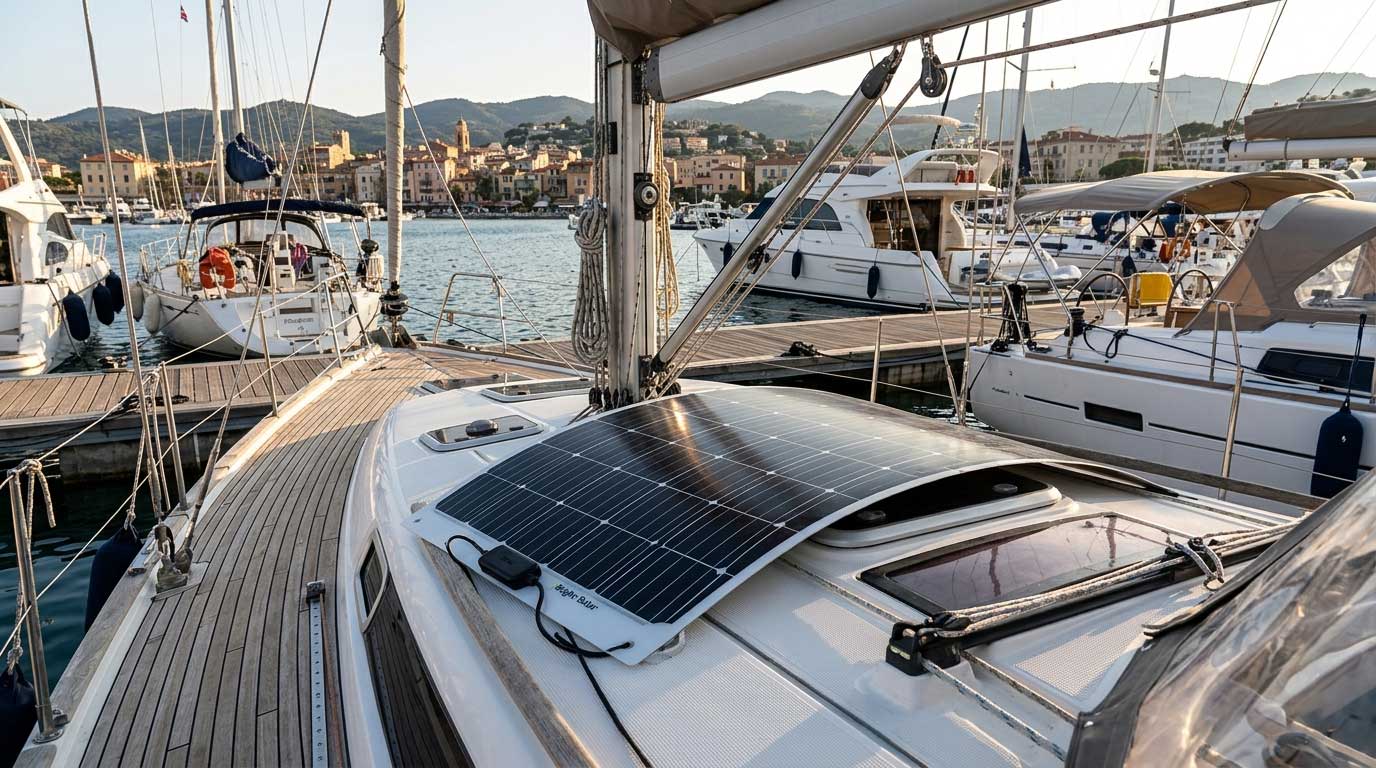
Marine and Boat Applications
Salt air destroys low-quality solar products faster than many buyers expect.
Marine flexible solar panel systems need:
- Corrosion-resistant connectors
- Waterproof junction boxes
- UV-resistant coatings
- High vibration tolerance
We’ve seen cheaper imported flexible modules fail within 18 months on offshore fishing boats simply because the adhesive layers absorbed moisture.
The panel itself survived. The lamination did not.
Real Efficiency in Harsh Outdoor Conditions
Laboratory efficiency ratings rarely tell the full story.
Heat buildup affects flexible solar panels differently than rigid modules.
Because flexible panels sit directly against mounting surfaces, airflow underneath is limited. That means higher operating temperatures in some conditions.
This is where cell quality matters enormously.
Temperature Performance
Premium flexible panels typically offer temperature coefficients around:
- -0.35%/°C to -0.39%/°C
Cheaper models sometimes exceed:
- -0.45%/°C
That difference becomes noticeable on hot summer days.
In Arizona field testing, we observed lower-grade flexible panels losing almost 18% peak output during extreme midday heat compared to morning production.
Premium monocrystalline flexible modules performed considerably better.
Why ETFE Matters More Than Most Buyers Realize
A lot of online discussions focus only on wattage.
That’s incomplete.
Surface material determines lifespan more than most users realize.
ETFE vs PET Comparison
| Feature | ETFE | PET |
|---|---|---|
| UV Resistance | Excellent | Moderate |
| Surface Durability | High | Lower |
| Self-Cleaning Ability | Better | Average |
| Saltwater Resistance | Excellent | Moderate |
| Expected Lifespan | Longer | Shorter |
At Bright Solar, we stopped offering PET flexible modules several years ago after repeated UV aging failures in tropical climates.
That decision reduced warranty claims significantly.
Can a 200 Watt Flexible Solar Panel Power Real Appliances?
Yes — within reason.
A single 200 watt flexible solar panel can typically support:
- LED lighting
- Portable refrigerators
- Fans
- Small water pumps
- Phone charging
- Laptop charging
- Portable power stations
Estimated Daily Production
| Sunlight Hours | Estimated Output |
|---|---|
| 4 Hours | 800Wh |
| 5 Hours | 1000Wh |
| 6 Hours | 1200Wh |
For most van life users, that covers basic daily consumption surprisingly well.
Especially when paired with lithium batteries.
Installation Mistakes That Shorten Flexible Panel Lifespan
This section matters more than people think.
A surprising number of flexible panel failures come from improper installation, not manufacturing defects.
1. Full-Surface Adhesive Bonding
Completely sealing the panel against a roof traps heat.
That accelerates thermal stress.
2. Poor Cable Support
Constant vibration eventually damages unsupported cables on moving vehicles.
3. Walking on the Panels
Flexible does not mean indestructible.
Microcracks develop easily under repeated pressure.
4. Using Cheap Sealants
Some sealants degrade under UV exposure surprisingly fast.
Marine-grade adhesive systems perform much better long term.
How Bright Solar Designs Flexible Solar Panels Differently
At Bright Solar, we engineer flexible solar products specifically for real-world mobile environments.
That means:
- ETFE UV-resistant surfaces
- Salt mist resistance
- Reinforced junction boxes
- High-vibration durability
- Lightweight composite backsheet structures
One overlanding customer in Iceland used our flexible panels through freezing rain, snow, and volcanic dust exposure over 14 months.
The abrasion resistance impressed even us.
Real environments expose weaknesses fast.
Flexible Solar Panels vs Rigid Solar Panels
Which Is Better?
Honestly, neither is universally “better.”
It depends entirely on the application.
| Feature | Flexible Panels | Rigid Panels |
|---|---|---|
| Weight | Very light | Heavier |
| Installation | Easier | More secure |
| Heat Dissipation | Lower | Better |
| Lifespan | Moderate | Longer |
| Curved Surfaces | Excellent | Poor |
| Portability | Excellent | Limited |
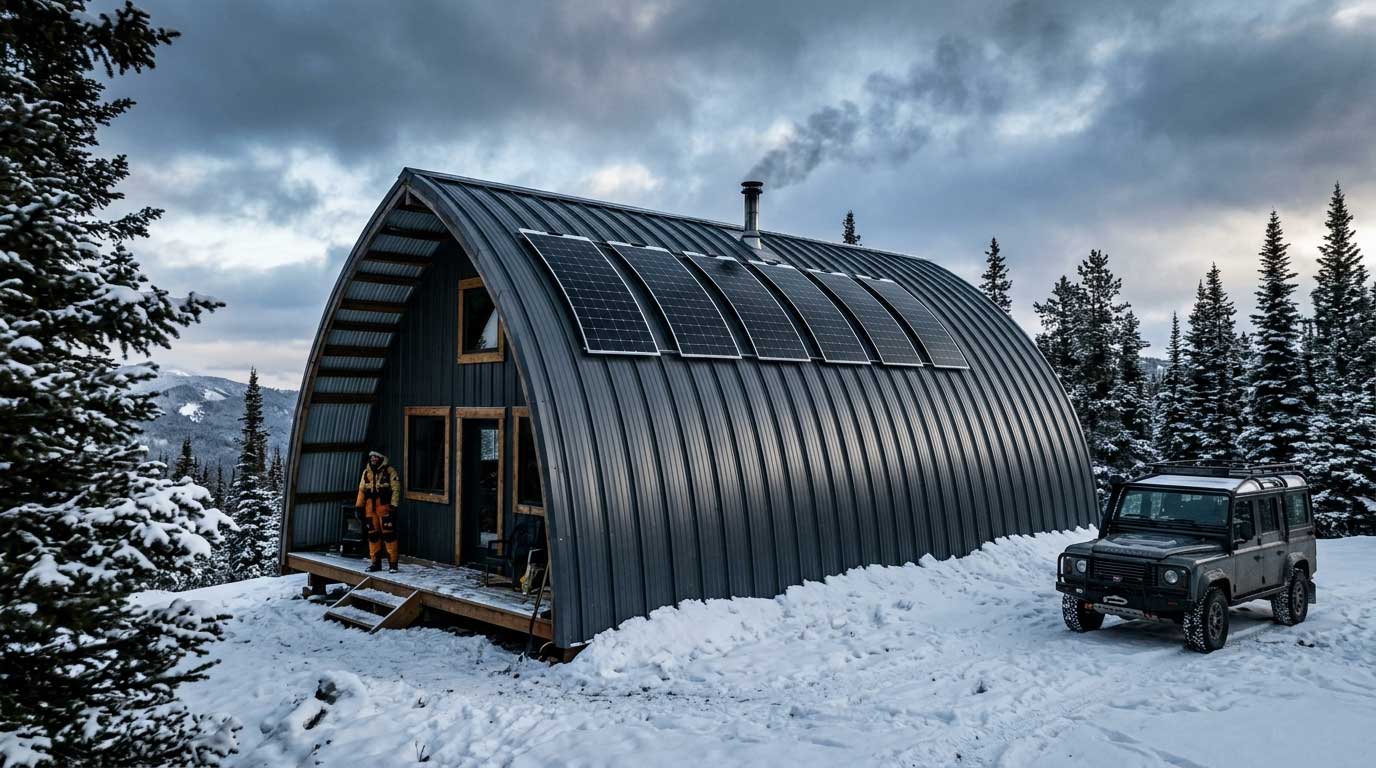
For fixed residential rooftops, rigid panels still dominate.
For mobile applications, flexible solar panels often make far more sense.
FAQ About 200 Watt Flexible Solar Panel Systems
How long does a 200 watt flexible solar panel last?
Premium ETFE flexible panels typically last 10–20 years depending on climate and installation quality.
Can flexible solar panels handle rain and snow?
Yes. Most high-quality models are IP67 or IP68 rated for outdoor weather exposure.
Are flexible solar panels worth it for RV use?
Absolutely. Their lightweight construction and curved surface compatibility make them ideal for RVs and camper vans.
Do flexible solar panels overheat?
They can run hotter than rigid panels due to reduced airflow, but premium monocrystalline cells and proper installation help minimize performance loss.
Final Thoughts on 200 Watt Flexible Solar Panel Systems
The modern 200 watt flexible solar panel is no longer just a niche product for temporary setups. Improvements in ETFE coatings, monocrystalline efficiency, and lightweight composite materials have made flexible solar technology a serious solution for RV users, marine systems, portable energy projects, and remote off-grid power.
At Bright Solar, we’ve watched flexible solar evolve from a fragile specialty product into something customers now depend on daily across deserts, coastlines, forests, and highways.
That shift didn’t happen because marketing improved.
The technology genuinely got better.
Related recommendations
-

Flexible 12 Volt Solar Panels: A Practical Guide to RV, Marine and Off-Grid Power
99Flexible 12 volt solar panels suit selected RV, marine, and off-grid systems, but compatibility depends on actual voltage, power, mounting limits, controller...
View details -
DIY Flexible Solar Panels: A Practical Guide to Building a Solar Setup
115DIY flexible solar panels can be used in self-built solar systems, but finished, tested modules are generally more practical than fabricating panels from ind...
View details -
Qcells to Expand Solar Panel Manufacturing in Dalton, Zodiac
257Qcells PV module manufacturing in Dalton, Zodiac, with a new 3.1 GW solar panel facility, increasing flexible solar panel production, strengthening the U.S. solar supply chain, and creating new clean energy manufacturing jobs.
View details -
Flexible Foldable Solar Panels: Portable Power Guide
38Flexible foldable solar panels provide portable solar power by combining lightweight PV modules with folding sections for compact transport and deployment.
View details