Durable Flexible Solar Panel: Built for Long-Term Solar Performance
A durable flexible solar panel is designed to provide reliable solar power in demanding environments where lightweight construction, bending capability, and long-term outdoor performance are essential. Bright Solar develops flexible solar solutions for RV, marine, and off-grid applications requiring dependable energy.
Durability is often the first question customers ask before purchasing flexible solar technology.
They want to know:
“Will this panel still work after years of sunlight, vibration, temperature changes, and outdoor exposure?”
The answer depends on more than the solar cells.
A truly durable flexible solar panel requires a combination of:
- reliable photovoltaic cells
- protective surface materials
- strong electrical connections
- proper manufacturing processes
- correct installation methods
At Bright Solar, we have evaluated flexible solar panels for different environments, from RV roofs traveling through desert highways to marine applications exposed to humidity and salt air.
Our experience shows that durability is not created by one component.
It comes from how every layer of the panel works together.
What Makes a Flexible Solar Panel Durable?
A flexible solar panel has a different structure compared with traditional rigid modules.
Instead of relying on thick glass and aluminum frames, flexible panels usually use:
- lightweight substrates
- protective coatings
- flexible encapsulation materials
- advanced bonding techniques
This design creates advantages but also introduces new engineering challenges.
A durable flexible solar panel must handle:
| Environmental Challenge | Required Performance |
|---|---|
| UV exposure | Long-term resistance against sunlight degradation |
| Temperature changes | Stable operation under hot and cold conditions |
| Vibration | Mechanical strength for mobile applications |
| Moisture | Protection against water penetration |
| Bending stress | Reliable flexible structure |
Key Materials Behind Durable Flexible Solar Panels
1. Protective Surface Layer
The surface layer is the first defense against outdoor conditions.
A quality protective layer helps resist:
- scratches
- UV radiation
- moisture
- weather changes
For mobile applications such as RVs and boats, this layer is especially important because the panel experiences constant environmental exposure.
A panel installed on a stationary rooftop may have relatively stable conditions.
An RV solar panel may experience:
- highway vibration
- dust
- rain
- extreme temperature changes
The difference is significant.
2. High-Quality Solar Cells
The solar cells inside the panel directly influence energy production.
Many modern flexible solar panels use monocrystalline photovoltaic cells because they provide:
- high conversion efficiency
- better space utilization
- reliable electrical output
According to the National Renewable Energy Laboratory (NREL), photovoltaic module performance depends on factors including materials, temperature, and environmental conditions.
Source:
https://www.nrel.gov/pv/
3. Flexible Encapsulation Technology
Encapsulation protects solar cells from external damage.
A durable encapsulation system helps prevent:
- moisture penetration
- cell cracking
- electrical failures
This is especially important because flexible panels experience mechanical movement.
The challenge is finding the balance:
The panel must bend without sacrificing long-term protection.
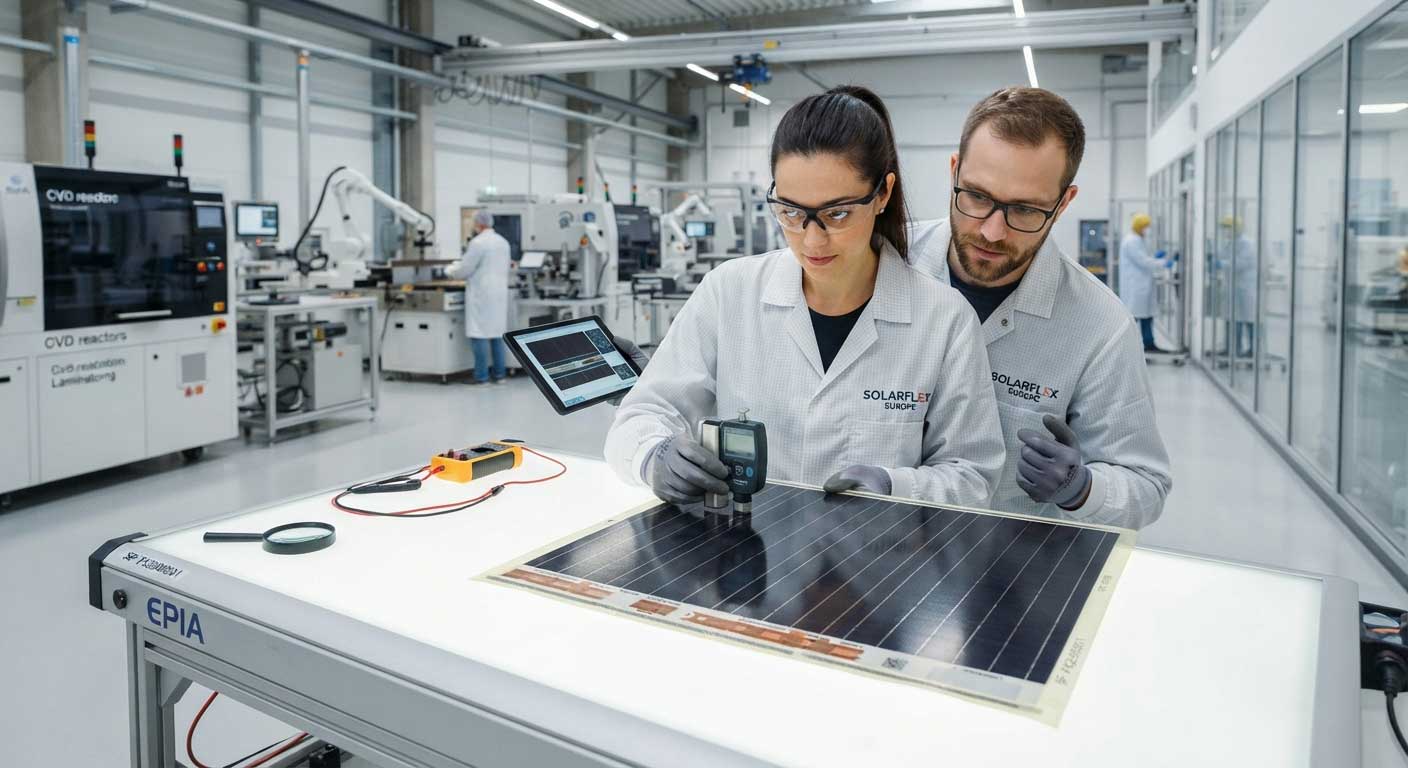
Durable Flexible Solar Panel vs Traditional Solar Panels
Choosing between flexible and rigid solar panels depends on the application.
A common misunderstanding is that flexible panels are simply lighter versions of rigid modules.
They are designed for different purposes.
| Feature | Durable Flexible Solar Panel | Traditional Rigid Solar Panel |
|---|---|---|
| Weight | Lightweight | Heavier |
| Installation | Adaptable surfaces | Flat surfaces preferred |
| Roof compatibility | Curved roofs possible | Requires flat mounting |
| Transportation | Easier handling | More difficult |
| Applications | RV, marine, portable systems | Residential and commercial rooftops |
For large buildings, rigid solar panels remain a popular choice.
But for mobile applications, weight and installation flexibility can become more important than maximum panel size.
Why Durability Matters for RV Solar Applications
Real-world RV conditions
RV solar panels experience conditions that residential systems usually avoid.
During a typical road trip, panels may face:
- direct sunlight for many hours
- vehicle vibration
- temperature differences between morning and afternoon
- dust accumulation
A customer once told our engineering team:
“The panel is not staying on my house. It is traveling thousands of miles.”
That sentence explains why durability matters.
The solar system is moving.
The environment is changing constantly.
Installation advantages for RV owners
A durable flexible solar panel can provide:
- lower roof weight
- cleaner appearance
- easier installation on curved roofs
- reduced mounting complexity
For compact camper vans, these advantages can be more valuable than installing the largest possible system.
How Bright Solar Evaluates Flexible Solar Panel Durability
At Bright Solar, product evaluation focuses on practical conditions rather than only laboratory specifications.
Our evaluation process includes:
Step 1: Material inspection
We review:
- surface protection
- cell quality
- connection design
- structural consistency
Step 2: Application testing
Different applications require different standards.
For example:
| Application | Main Durability Concern |
|---|---|
| RV | Vibration and temperature |
| Marine | Moisture and corrosion |
| Portable systems | Frequent handling |
| Off-grid | Maintenance difficulty |
Step 3: Installation feedback
Real customer feedback provides information that laboratory testing cannot always show.
We analyze:
- installation experience
- long-term performance
- environmental challenges
- customer usage patterns
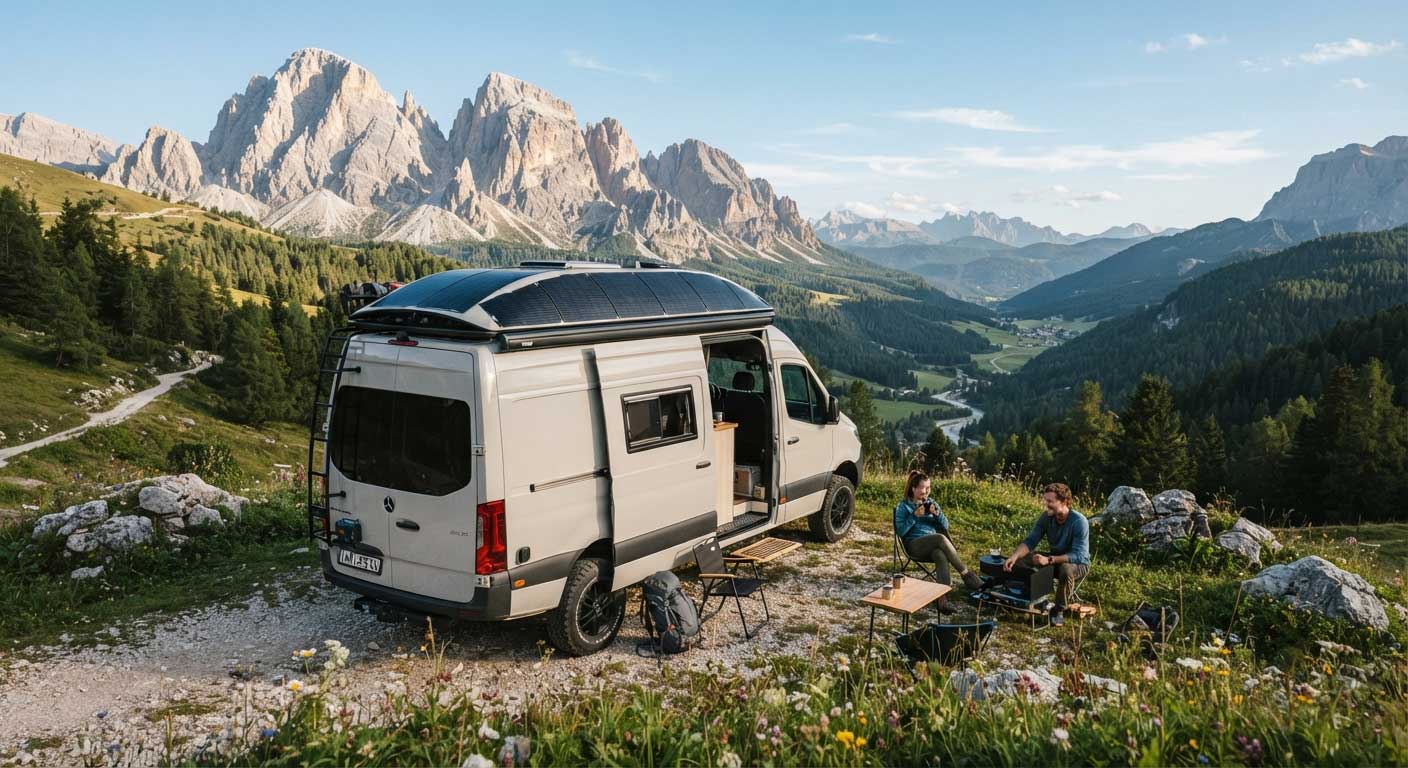
Real-World Case Study: How Durable Flexible Solar Panels Perform in Outdoor Applications
Laboratory specifications are important, but real-world usage reveals whether a solar panel can handle everyday challenges.
Over the years working with flexible solar solutions at Bright Solar, we have seen that customers rarely use panels in “perfect” conditions.
A camper owner does not park under ideal sunlight every day.
A boat owner does not operate only in calm weather.
An off-grid user does not always have easy access to maintenance.
The durability of a flexible solar panel is tested when the product is exposed to unpredictable environments.
Case Study 1: RV Owner Upgrading to Lightweight Solar Power
One of our RV customers from Colorado, USA, was looking for a solar solution for a 25-foot travel trailer.
The original setup used rigid solar panels installed on a roof rack.
The customer’s main concerns were:
- additional roof weight
- wind resistance during highway driving
- limited usable roof space
- difficult installation around roof curves
The RV traveled approximately 15,000 miles annually across different states, including Arizona, Utah, and Nevada.
The environment created several challenges:
| Challenge | Actual Condition |
|---|---|
| Summer temperature | Above 40°C (104°F) in desert areas |
| Daily sunlight exposure | 6–8 hours in peak seasons |
| Road vibration | Continuous during long-distance travel |
| Maintenance access | Limited during trips |
After switching to lightweight flexible solar panels, the customer reduced roof-mounted equipment weight while increasing available installation area.
The biggest improvement was not only energy production.
It was installation flexibility.
The curved roof area that was previously difficult to use became available for solar generation.
This is where durable flexible solar panels show their practical value.
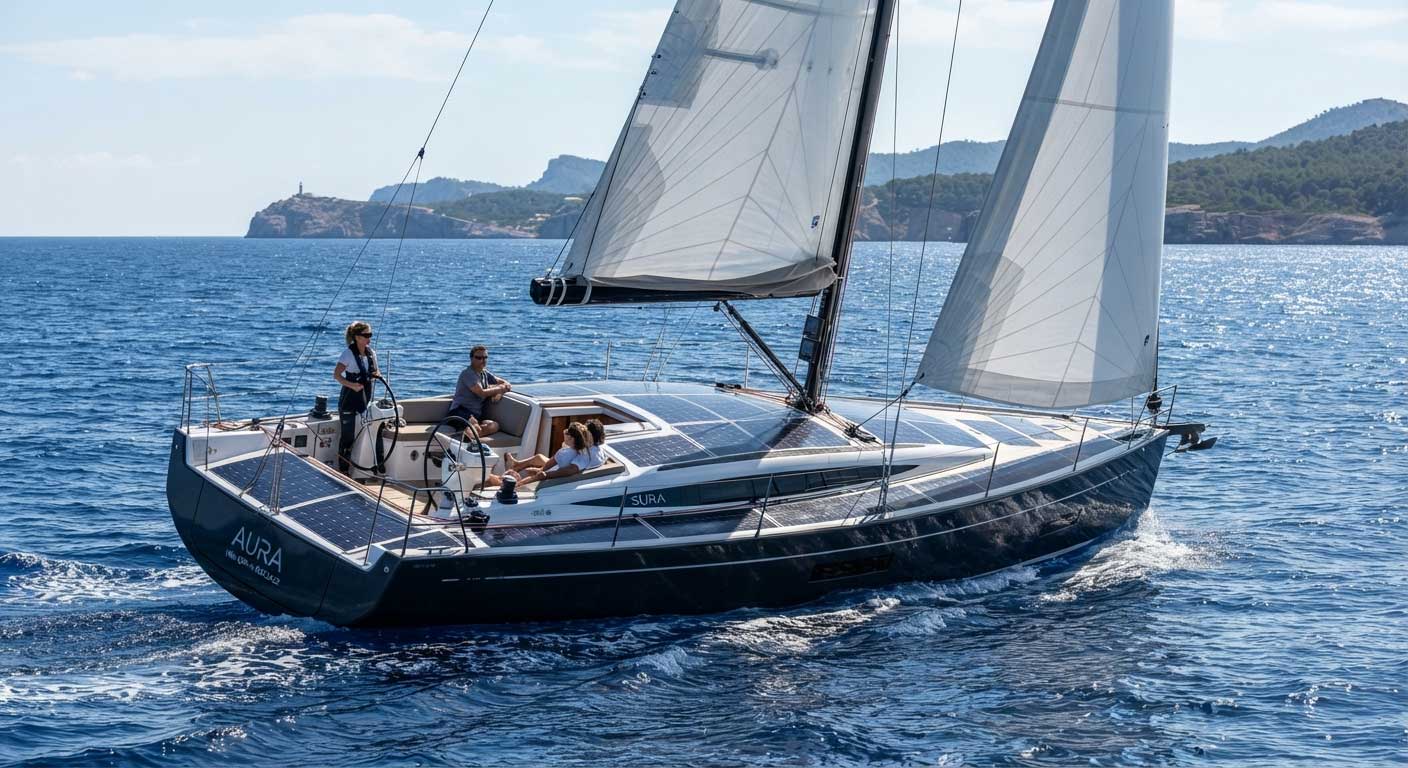
Case Study 2: Marine Application Near Coastal Areas
Marine environments create one of the toughest conditions for solar products.
Salt air, humidity, and constant movement can accelerate material aging.
A yacht owner in Florida installed flexible solar panels for auxiliary power.
The main requirements were:
- lightweight installation
- resistance to humid conditions
- low visual impact
- reliable charging performance
The system was used for:
- battery charging
- navigation equipment support
- small onboard electronics
After extended outdoor exposure, the customer feedback focused on one point:
“The panel disappears into the boat design, but the energy keeps working.”
That is an important advantage of flexible solar technology.
The best solar equipment is sometimes the equipment users do not need to think about every day.
Bright Solar Engineering Experience: Designing Durable Flexible Solar Solutions
At Bright Solar, our approach comes from working directly with customers who need solar products for challenging environments.
We do not only consider laboratory numbers.
We consider questions from actual installations:
- Will the panel survive frequent movement?
- Will the surface remain reliable after years outdoors?
- Can installers work with limited space?
- Will the product match mobile applications?
Our flexible solar panels are designed with features including:
- ETFE protective coating options
- lightweight construction
- high-quality photovoltaic cells
- flexible structure design
- application-focused engineering
According to the International Energy Agency (IEA), photovoltaic technology continues to expand globally, with durability and lifecycle performance becoming increasingly important as solar installations grow.
Source:
https://www.iea.org/topics/solar-pv
How to Choose a Durable Flexible Solar Panel
Before purchasing, buyers should look beyond wattage numbers.
A 200W or 300W label does not automatically mean better performance.
Consider these factors:
| Selection Factor | Why It Matters |
|---|---|
| Surface material | Determines outdoor protection |
| Cell technology | Influences energy output |
| Weight | Important for RV and marine use |
| Flexibility range | Determines installation options |
| Manufacturer experience | Affects long-term reliability |
Questions to Ask Before Buying
A reliable supplier should clearly explain:
- What protective coating does the panel use?
- What environments has the product been tested for?
- Is the panel designed for RV, marine, or industrial applications?
- How does the manufacturer control quality?
- What support is available after purchase?
Cheap panels often look attractive because of lower upfront cost.
However, replacement labor and downtime can cost much more than the original saving.
FAQ About Durable Flexible Solar Panels
How long does a durable flexible solar panel last?
A high-quality flexible solar panel can provide many years of outdoor service when properly designed and installed. Lifespan depends on materials, environmental exposure, maintenance, and manufacturing quality.
Are flexible solar panels durable enough for RV use?
Yes. Durable flexible solar panels are specifically suitable for RV applications because they are lightweight, vibration-resistant, and easier to install on curved surfaces compared with traditional rigid modules.
What makes a flexible solar panel more durable?
Durability depends on several factors:
- protective coating quality
- encapsulation technology
- solar cell reliability
- manufacturing process
- installation method
The surface material alone does not determine overall durability.
Can flexible solar panels handle rain and outdoor weather?
Yes, properly manufactured flexible solar panels are designed for outdoor environments. However, buyers should check product protection ratings and installation recommendations before use.
Are flexible solar panels suitable for boats?
Yes. Many marine users choose flexible solar panels because they reduce weight and can fit curved or limited installation areas where rigid panels are difficult to install.
Do flexible solar panels produce less power than rigid panels?
Performance depends on the specific product design. Flexible panels may have slightly different efficiency characteristics, but they provide advantages in applications where weight and installation flexibility are more important.
How do I maintain a durable flexible solar panel?
Basic maintenance includes:
- cleaning dust and debris
- checking cable connections
- inspecting the surface condition
- avoiding unnecessary mechanical stress
Regular inspection helps maintain long-term performance.
Final Thoughts: Choosing a Durable Flexible Solar Panel for Long-Term Use
A durable flexible solar panel is not simply a lightweight alternative to traditional solar technology.
It is a specialized solution designed for situations where normal solar panels are difficult to install.
From RV adventures across desert highways to marine environments exposed to salt air, flexible solar technology provides new possibilities for mobile and off-grid energy systems.
At Bright Solar, our experience shows that successful solar projects depend on matching the right product with the right environment.
The strongest panel is not always the largest one.
It is the panel that continues working where it is actually needed.
For RV owners, boat operators, and off-grid users, durability, flexibility, and reliable manufacturing should be the first considerations.
Related recommendations
-

Top Rated RV Solar Panels: How to Choose the Right One
203The best RV solar panels balance power, roof space, weight, efficiency, durability, shading, and battery-system compatibility rather than maximizing wattage ...
View details -
120 Watt Flexible Solar Panel: Lightweight Solar Solution for Mobile Power
114Discover the 120 watt flexible solar panel from Bright Solar. Learn how lightweight solar technology delivers reliable energy for RVs, boats, camping, and off-grid applications.
View details -
1000w Flexible Solar Panel: Output, Sizing and Installation Guide
205A 1000W flexible solar panel system suits larger RVs, boats, vans, cabins, and off-grid systems. Actual energy output depends on sunlight, temperature, shadi...
View details -
200 Watt Flexible Solar Panel for RV, Marine, and Off-Grid Applications
170200 watt flexible solar panel solutions provide lightweight, durable off-grid energy for RVs, boats, cabins, and mobile systems with reliable solar efficiency.
View details