1000 Watt Solar Panel: Reliable Solar Power for Off-Grid and Home Energy Systems
A 1000 watt solar panel system delivers substantial renewable energy for homes, RVs, cabins, workshops, and backup power applications. Under normal sunlight conditions, a 1000W solar setup can generate roughly 4–6 kWh of electricity daily, depending on climate, installation angle, temperature, and shading conditions.
That sounds impressive on paper. Real-world performance is more complicated.
I’ve seen 1000W systems keep remote cabins running smoothly through bad weather. I’ve also watched poorly planned installations struggle because somebody ignored battery sizing or installed panels beneath partial tree cover.
Solar isn’t magic. It’s engineering exposed to weather, dust, heat, and human decisions.
That’s exactly why understanding a 1000 watt solar panel system matters before buying one.
What Is a 1000 Watt Solar Panel System?
Technically, most “1000 watt solar panel” systems are not a single giant panel. They’re a combined solar array reaching approximately 1000 watts total output.
Typical combinations include:
- 4 × 250W panels
- 3 × 350W panels
- 2 × 500W panels
A standard 1000w solar panel kit usually includes:
- solar panels
- inverter
- charge controller
- mounting hardware
- MC4 connectors
- monitoring components
Some advanced systems also include lithium battery storage and hybrid inverter support.
According to the International Energy Agency (IEA), global solar photovoltaic capacity has expanded rapidly due to falling module prices and improved efficiency.
But cheaper equipment doesn’t automatically mean better systems.
That distinction matters.
Why 1000W Solar Systems Became Popular
The 1000W range sits in an interesting middle ground.
Too large for casual camping.
Too small for heavy industrial demand.
But almost perfect for:
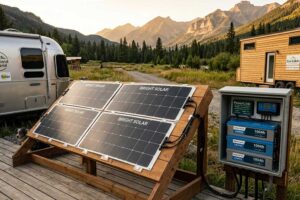
- cabins
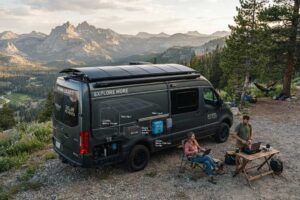
- RVs
- small workshops
- backup power
- emergency energy storage
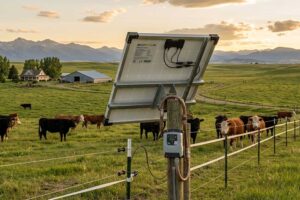
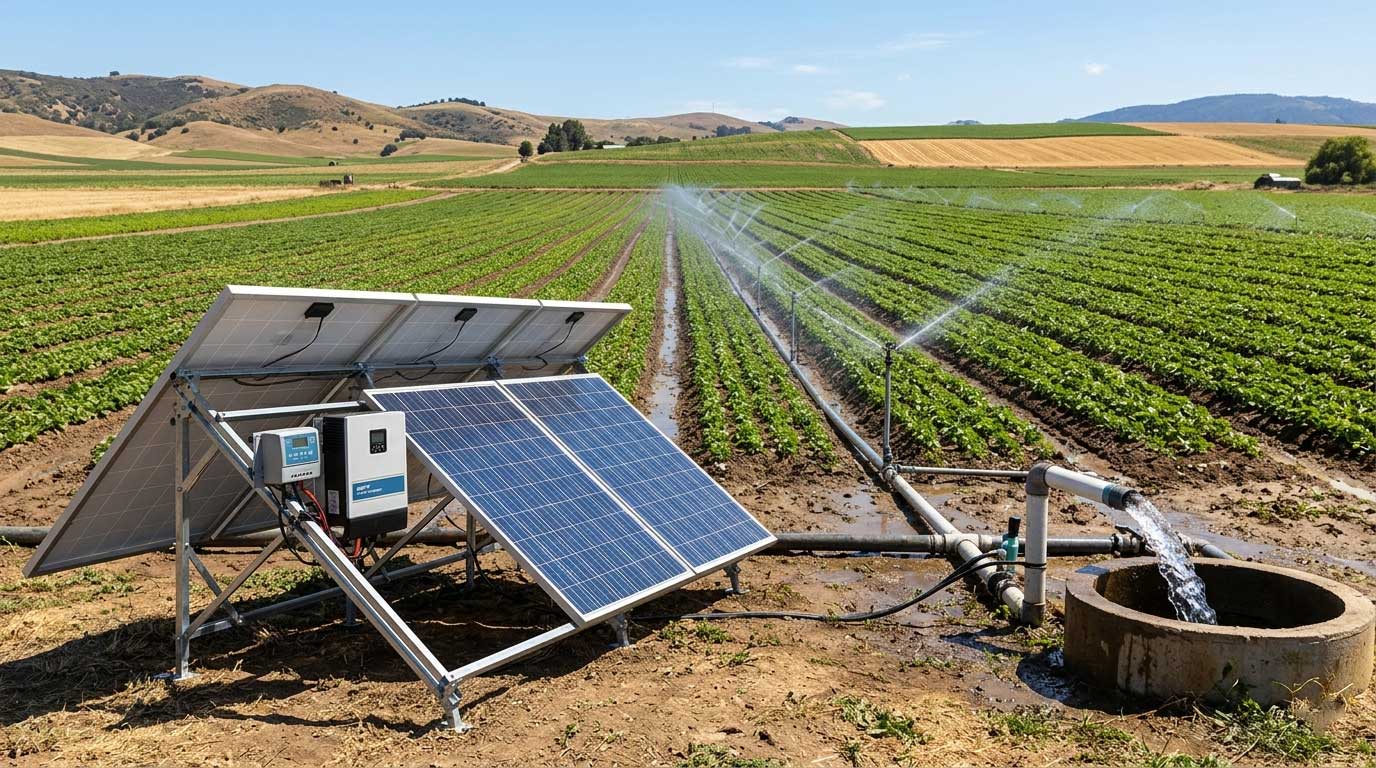
- agricultural systems
One farm owner I worked with called his 1000W array “small enough to manage, big enough to matter.”
That’s probably the best description I’ve heard.
Real Daily Output of a 1000 Watt Solar Panel System
Solar output depends heavily on conditions.
Laboratory ratings assume:
- perfect sunlight
- ideal temperature
- zero shading
- clean panel surfaces
Real installations rarely get all four.
Typical production ranges:
| Environment | Estimated Daily Output |
|---|---|
| Desert climate | 5–6 kWh |
| Residential rooftop | 4–5.5 kWh |
| Cloudy coastal region | 3–4.5 kWh |
| Portable RV system | 2.5–4 kWh |
Heat changes everything.
In one Arizona installation, midday panel temperatures exceeded 65°C. Output dropped noticeably despite cloudless skies.
People assume solar panels love heat because they use sunlight. Actually, solar panels prefer cool sunlight.
What Can a 1000W Solar System Power?
A properly configured 1000 watt solar panel system can support:
- LED lighting
- laptops and electronics
- Wi-Fi routers
- refrigerators
- fans
- TVs
- battery charging systems
- small power tools
With battery storage, some systems also support overnight operation.
But this depends heavily on energy consumption habits.
One off-grid cabin owner I visited powered:
- lighting
- Starlink internet
- refrigeration
- phone charging
comfortably from a 1000W setup.
Then he added an electric heater.
Everything changed after that.
Why Battery Storage Changes the Entire System
Panels generate energy during sunlight hours.
Batteries determine whether power remains available after sunset.
That distinction gets ignored constantly.
Most off-grid frustrations come from:
- undersized batteries
- poor inverter selection
- unrealistic expectations
Lithium iron phosphate batteries (LiFePO4) increasingly dominate the market because they offer:
- longer lifespan
- deeper discharge capability
- lower maintenance
- improved thermal stability
Lead-acid batteries still exist, but maintenance and shorter lifespan remain common complaints.
Fixed vs Portable 1000W Solar Systems
Fixed Roof Installations
Best for:
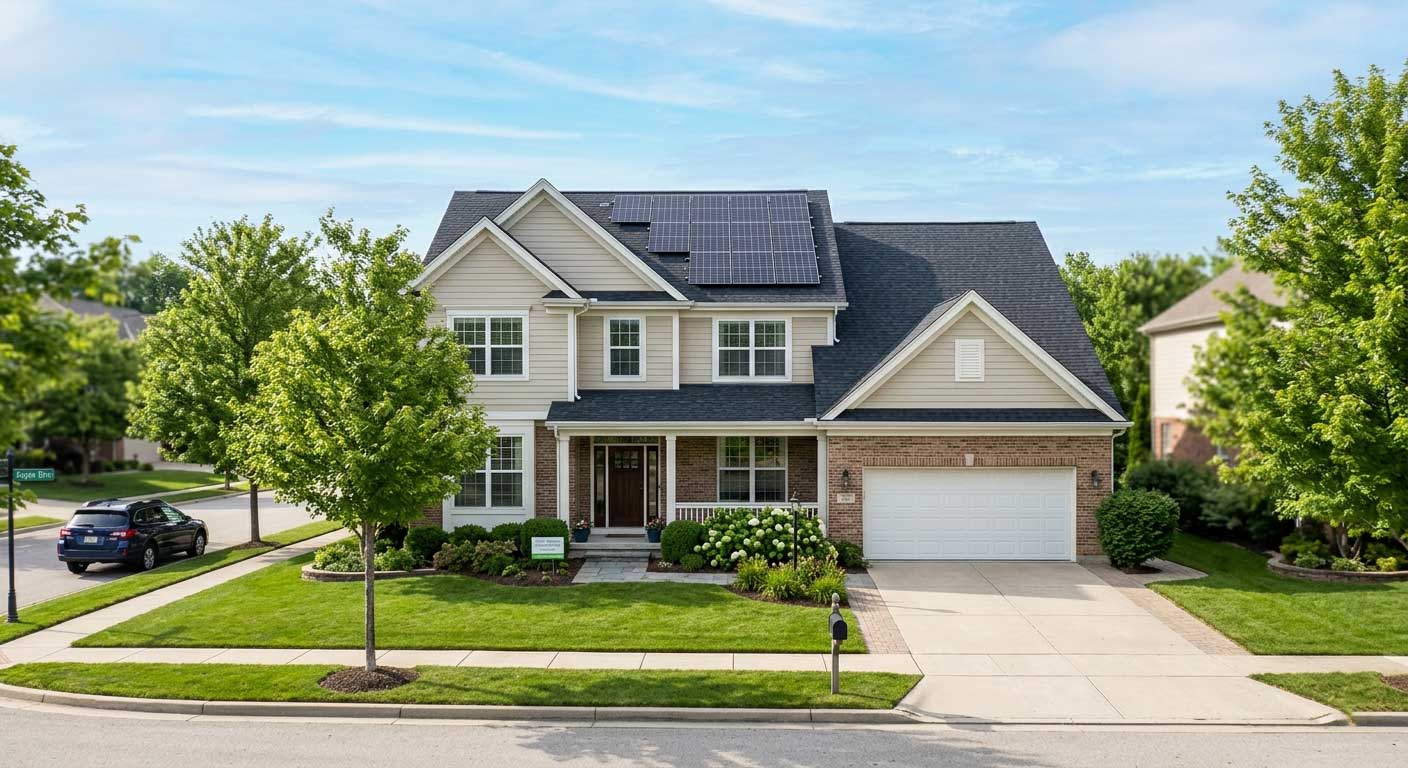
- homes
- workshops
- farms
- permanent cabins
Advantages:
- stable mounting
- optimized panel angles
- better airflow
- higher long-term efficiency
Limitations:
- permanent installation effort
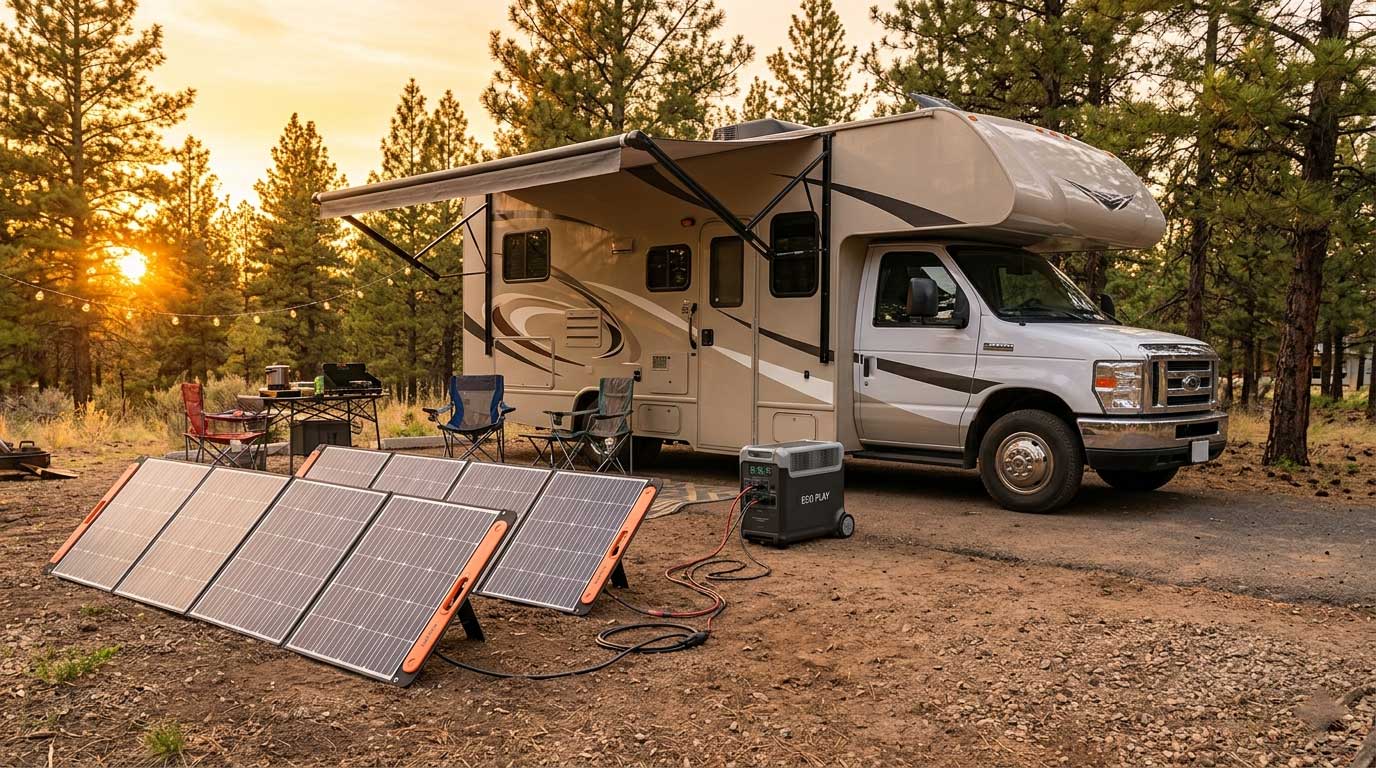
Portable Solar Power Systems
Best for:
- RV travel
- mobile work sites
- emergency backup
- temporary energy deployment
Advantages:
- mobility
- rapid deployment
- flexible placement
Limitations:
- more physical wear
- lower efficiency consistency
Common Mistakes with 1000W Solar Systems
- Installing near partial shade
- Ignoring inverter efficiency
- Poor cable sizing
- Weak mounting structures
- No airflow beneath panels
- Buying based only on wattage
- Underestimating battery capacity
One installation I inspected used excellent panels but undersized cables. Voltage drop reduced charging performance enough to confuse the owner for months.
The panels weren’t the problem.
The wiring was.
Why Bright Solar Focuses on Practical Reliability
Bright Solar designs products for real outdoor environments instead of ideal laboratory conditions.
That means focusing on:
- weather-resistant frames
- stable thermal performance
- reinforced junction boxes
- UV-resistant connectors
- compatibility with lithium battery systems
Because outdoor solar systems spend decades exposed to:
- rain
- heat
- vibration
- dust
- snow
- ultraviolet radiation
Durability matters more than marketing language.
Understanding Efficiency Beyond Wattage
Panel wattage alone tells only part of the story.
Other important factors include:
- temperature coefficient
- panel degradation rate
- inverter conversion efficiency
- shading tolerance
- cable resistance
According to NREL research, even partial shading on one section of a panel can significantly reduce output across the array.
That’s why installation planning matters so much.
FAQ – 1000 Watt Solar Panel
How much electricity does a 1000 watt solar panel system produce?
Typically around 4–6 kWh daily under good sunlight conditions.
Can a 1000W solar system run a refrigerator?
Yes, especially when paired with proper battery storage and inverter sizing.
Is a 1000 watt solar panel system enough for a cabin?
Often yes for lighting, electronics, refrigeration, and basic appliances.
How many batteries are needed for a 1000W system?
Battery size depends on energy consumption and desired backup duration.
Final Thoughts from Real Installations
The interesting thing about a 1000 watt solar panel system is that it sits right on the edge between convenience and real energy independence.
Small enough to remain manageable.
Large enough to change daily power usage habits.
But system balance matters more than raw wattage.
The strongest installations combine:
- realistic battery sizing
- efficient inverters
- quality panels
- careful shading analysis
- durable mounting systems
That’s where reliable performance actually comes from.
And for many cabins, RVs, workshops, and backup systems, a properly designed 1000 watt solar panel setup remains one of the most practical renewable energy solutions available today.
Related recommendations
-

Solar Panels for Camping Trailers: Complete Guide
262Solar panels for camping trailers typically range from 200–800W, while larger off-grid systems may require 1,000W or more. The correct system depends on dail...
View details -
Mounting Solar Panels on RV: Complete Installation Guide for Secure Solar Power
256Mounting solar panels on RV made simple. Learn installation methods, brackets, flexible panels, waterproofing tips, and expert solutions from Bright Solar.
View details -
Solar Panels for Battery Charging: How to Choose the Right System and Maximize Battery Performance
200Discover how solar panels for battery charging work, how to size the right system, avoid charging mistakes, and maximize battery life with Bright Solar solutions.
View details -
Solar Panel Electric Fence: A Practical Guide for Reliable Off-Grid Protection
262Discover how a solar panel electric fence delivers reliable off-grid livestock and property protection. Learn sizing, battery requirements, installation tips, and real-world performance.
View details