What Roof Is Best for Solar Panels?
What Roof Is Best for Solar Panels?
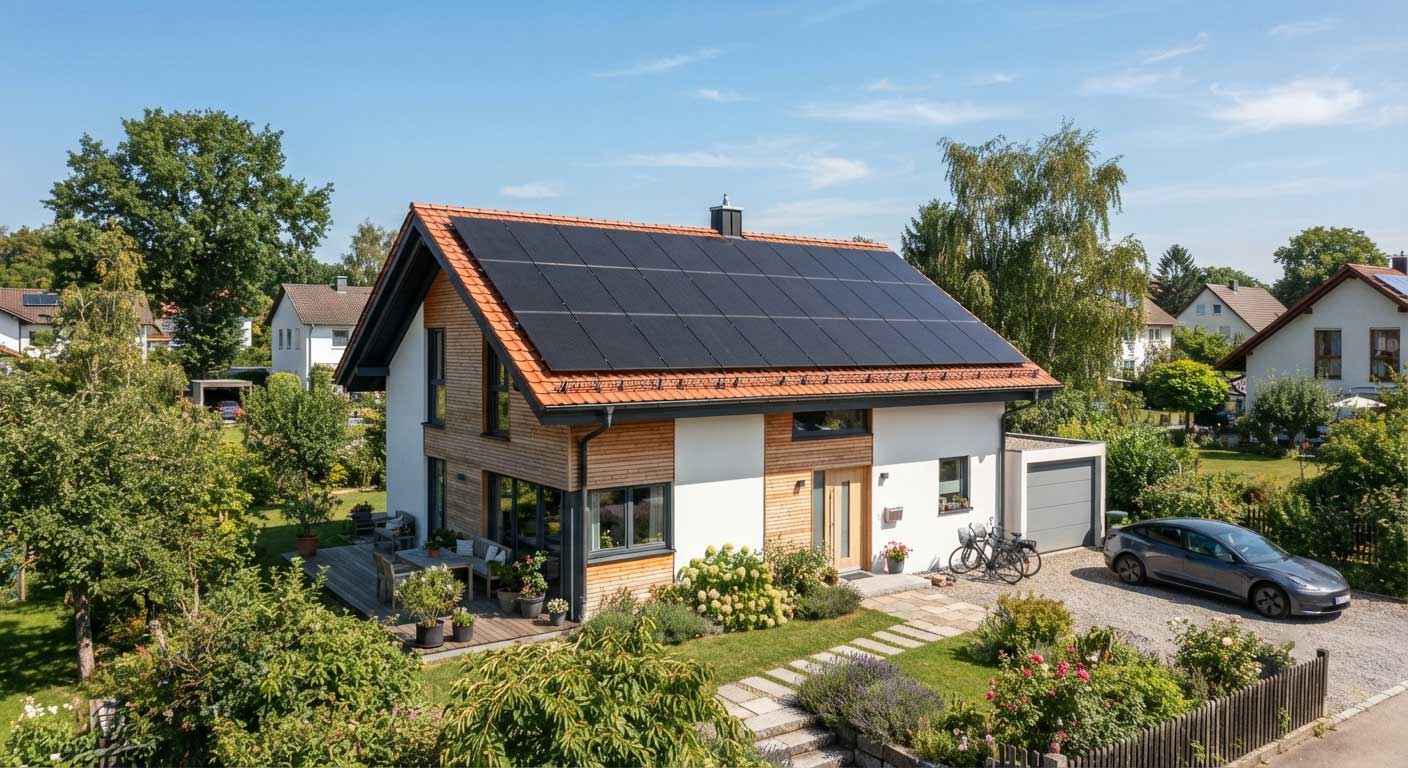
The best roof for solar panels is usually a south-facing roof with a slope between 15° and 40°, durable roofing materials, and minimal shading. A strong, well-positioned roof improves solar energy production and installation reliability.
Choosing the right roof is one of the first decisions that affects solar system performance. Many homeowners focus only on panel efficiency or system size, but the roof underneath determines how effectively those panels can operate for decades.
During Bright Solar’s discussions with residential installers and solar project partners, one common situation appears repeatedly: a customer has enough roof space, but the roof direction, age, or structure limits the available solar output.
A solar panel does not work independently from the building. The roof becomes the foundation of the entire photovoltaic system.
According to the U.S. Department of Energy Solar Photovoltaic Technology Basics, factors such as solar exposure, system orientation, and installation conditions influence photovoltaic performance.
Best Roof Orientation for Solar Panels
Why Roof Direction Matters
Roof orientation directly affects how much sunlight solar panels receive throughout the year.
In the Northern Hemisphere, including most areas of the United States and Europe:
- South-facing roofs usually receive the highest annual sunlight exposure
- East-facing roofs can capture strong morning production
- West-facing roofs often produce more afternoon energy
- North-facing roofs typically provide lower solar performance
A perfectly south-facing roof is not always required. Modern solar systems can still perform well on east-west roof designs, especially when electricity consumption patterns match production times.
For example:
A west-facing solar array may generate more electricity during afternoon hours when many households use air conditioning, appliances, or home charging equipment.
The best roof is not only about maximum sunlight. It is about matching solar production with real energy usage.
How Roof Angle Affects Solar Panel Performance
Finding the Ideal Roof Pitch for Solar Installation
Roof slope influences the angle at which sunlight reaches solar panels.
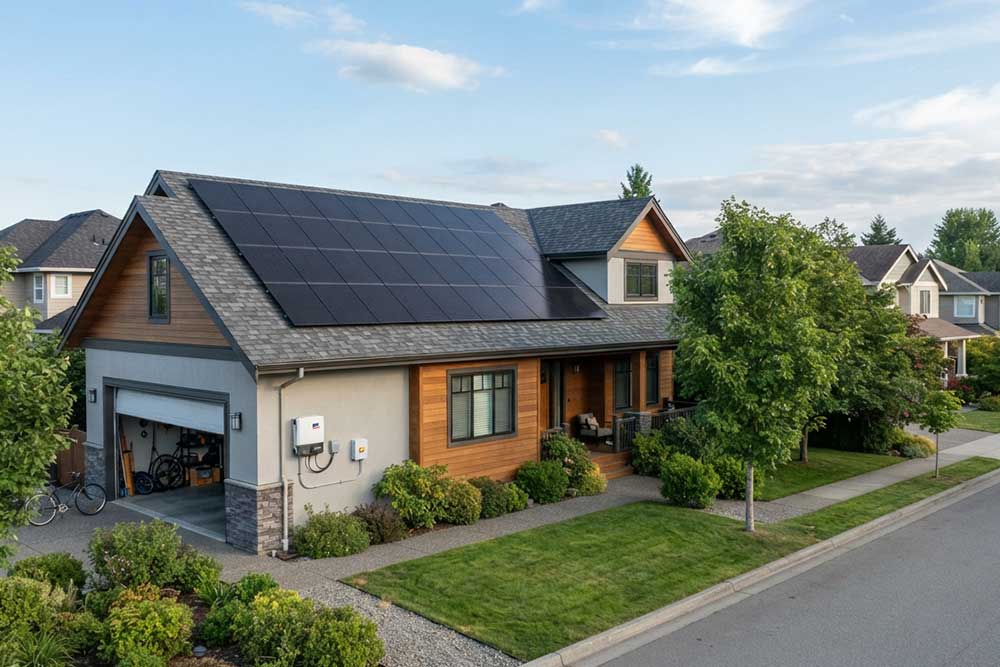
For many residential locations, a roof pitch between 15° and 40° provides good solar performance without requiring additional mounting structures.
However, the ideal angle depends on:
- Geographic location
- Seasonal sunlight changes
- Local weather conditions
- Panel technology
- Energy goals
A steeper roof in northern climates may capture lower winter sunlight more effectively, while flatter roofs can work well with adjustable mounting systems.
The National Renewable Energy Laboratory (NREL) provides solar resource data and photovoltaic design information showing that tilt angle and orientation influence annual solar energy production.
Source: National Renewable Energy Laboratory Solar Resource Data
Which Roof Materials Are Best for Solar Panels?
The roof material affects installation difficulty, mounting method, and long-term durability.
Some roof materials are more solar-friendly than others.
| Roof Material | Solar Compatibility | Installation Notes |
|---|---|---|
| Asphalt Shingles | Excellent | Common residential choice, easy mounting |
| Metal Roof | Excellent | Long lifespan and simple attachment options |
| Tile Roof | Good | Requires careful installation to avoid damage |
| Slate Roof | Moderate | More complex and often requires specialized mounting |
| Wood Shingles | Limited | Requires additional structural evaluation |
Metal Roofs
Metal roofs are often considered one of the best surfaces for solar panels because they can last 40–70 years depending on material quality.
Standing seam metal roofs are especially convenient because mounting systems can attach directly without creating many roof penetrations.
Asphalt Shingle Roofs
Asphalt shingles are widely used in residential construction and are compatible with most solar mounting systems.
However, installers usually recommend checking roof age before installation.
Installing solar panels on an old roof can create unnecessary costs because the panels may need to be removed later for roof replacement.
Roof Condition Before Installing Solar Panels
A strong roof is just as important as a sunny roof.
Before installation, professionals typically inspect:
- Roof age
- Structural strength
- Existing damage
- Water leakage risks
- Available installation area
A roof replacement before solar installation may increase upfront costs, but it can prevent additional labor expenses in the future.
From practical solar project experience, replacing a roof after solar panels are installed is often more complicated because installers must remove and reinstall the photovoltaic system.
Planning both projects together usually creates a smoother installation process.
Flat Roof vs. Sloped Roof: Which Is Better for Solar Panels?
Both flat roofs and sloped roofs can support solar panels, but the installation approach is different.
A sloped roof often has a natural advantage because panels can follow the roof angle without additional structures. Flat roofs, however, provide more flexibility because installers can use adjustable mounting systems to optimize panel direction and tilt.
Solar Panels on Sloped Roofs
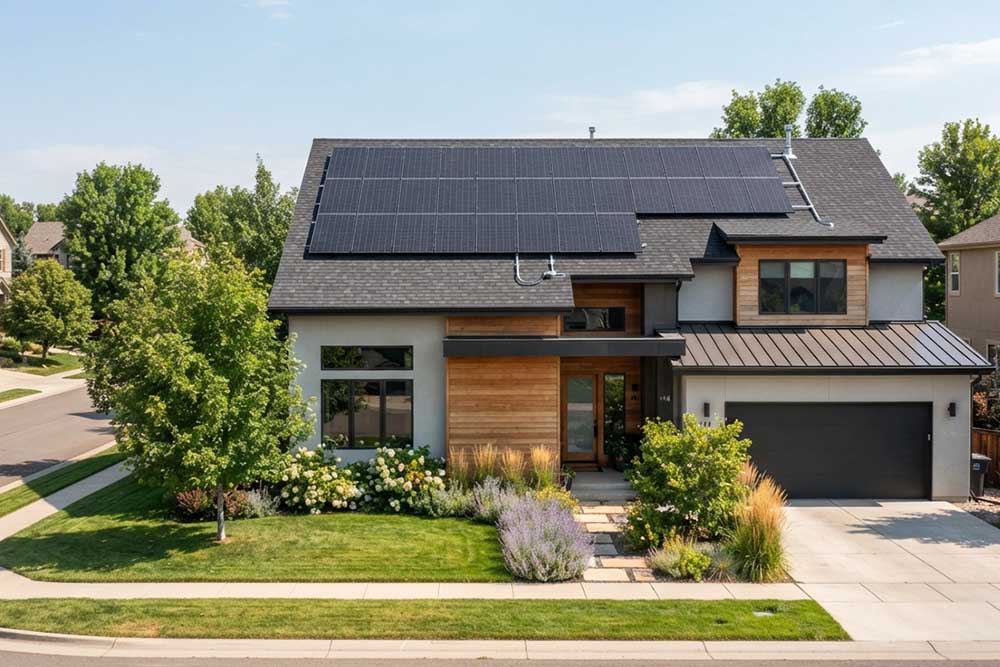
Sloped roofs are the most common residential solar installation type.
Advantages include:
- Natural panel angle
- Simple mounting design
- Good rainwater drainage
- Less additional hardware
However, installers must carefully evaluate roof direction. A large roof facing the wrong direction may produce less energy than a smaller roof with better solar exposure.
During Bright Solar project evaluations, we often find that homeowners initially judge a roof only by available space. In practice, a smaller roof with better orientation can sometimes outperform a larger shaded roof.
Solar Panels on Flat Roofs
Flat roofs are common on commercial buildings, garages, and some modern homes.
They offer several benefits:
- Flexible panel orientation
- Easier maintenance access
- Simple future expansion
- Better use of large roof areas
The main difference is that flat roof systems usually require tilted mounting racks.
These structures help panels achieve better sunlight exposure while maintaining proper drainage and wind resistance.
According to International Energy Agency Photovoltaic Power Systems Programme, system design factors such as orientation, tilt, and environmental conditions play an important role in photovoltaic performance.
Roof Features That Can Reduce Solar Panel Performance
Even a good roof design can have challenges. Before installation, professionals look beyond the roof shape itself.
1. Roof Shading
Shade is one of the biggest factors affecting solar output.
Common shading sources include:
- Tall trees
- Neighboring buildings
- Chimneys
- Vent pipes
- Roof structures
A small shadow across part of a solar array can reduce production, especially when panels are connected in traditional strings.
Modern solutions such as power optimizers and microinverters can help reduce the impact of partial shading.
2. Limited Roof Space
Some homes have limited usable roof area because of:
- Skylights
- Roof windows
- Multiple roof sections
- HVAC equipment
In these cases, high-efficiency panels or flexible solar panels may provide better design options.
Bright Solar flexible solar panels are often considered for applications where traditional rigid modules are difficult to install, including:
- RV roofs
- Marine surfaces
- Lightweight structures
- Curved installation areas
3. Old or Weak Roofing Structure
Solar panels are lightweight compared with many building materials, but the roof must still support additional loads.
Professional evaluation considers:
- Existing roof condition
- Wind exposure
- Snow load requirements
- Structural design
A reliable solar installation begins with a reliable roof.
What Roof Color Is Best for Solar Panels?
Roof color does not directly determine solar electricity production because solar panels absorb sunlight themselves.
However, roof color can influence temperature around the panels.
Dark roofs generally absorb more heat, while lighter roofs reflect more sunlight.
Temperature matters because solar panels usually produce slightly less power as temperatures increase.
For example:
- Cooler panels generally operate more efficiently
- Proper airflow beneath panels helps heat dissipation
- Installation spacing affects long-term performance
The effect is usually smaller than factors like orientation, shading, and panel quality.
The main priority should be:
- Good sunlight exposure
- Strong roof structure
- Suitable installation angle
- Quality solar equipment
Professional Checklist: Is Your Roof Ready for Solar Panels?
Before installing solar panels, homeowners can review this checklist:
| Inspection Item | Recommended Condition |
|---|---|
| Roof Age | Preferably several years of remaining lifespan |
| Roof Damage | No major leaks or structural issues |
| Sun Exposure | Minimal shading during peak sunlight hours |
| Roof Direction | South, east, or west preferred depending on location |
| Roof Material | Compatible with solar mounting systems |
| Structural Strength | Able to support solar equipment |
A solar installation is a long-term investment. Most quality photovoltaic systems are designed to operate for 25 years or longer, so the roof supporting them should be planned with a similar timeline.
FAQ About What Roof Is Best for Solar Panels?
What roof is best for solar panels?
The best roof for solar panels is usually a south-facing roof with a moderate slope, durable material, and minimal shading. However, east-west roofs can also perform well depending on location and energy needs.
Can solar panels be installed on a flat roof?
Yes. Flat roofs can use mounting systems to adjust panel angle and direction. They are commonly used for commercial buildings and modern homes.
Are metal roofs good for solar panels?
Yes. Metal roofs, especially standing seam metal roofs, are considered excellent for solar because they are durable and often require fewer roof penetrations.
Can old roofs support solar panels?
It depends on roof condition. If a roof is near the end of its lifespan, replacing it before solar installation may reduce future costs.
Do solar panels damage roofs?
Properly installed solar panels should not damage roofs. Professional mounting systems include waterproofing methods designed to protect the roof structure.
Does roof angle affect solar panel efficiency?
Yes. Roof angle affects how directly sunlight reaches the panels. The ideal angle depends on location, season, and system design.
Can flexible solar panels be installed on any roof?
Flexible solar panels are suitable for some unique applications, but the roof surface, temperature conditions, and mounting method must still be evaluated before installation.
Conclusion: Choosing the Best Roof for Solar Panels
Understanding what roof is best for solar panels helps homeowners make better decisions before investing in a photovoltaic system.
The ideal roof is not simply the largest one. A successful solar installation depends on the combination of:
- Proper sunlight exposure
- Suitable roof angle
- Durable roofing material
- Strong structural condition
- Professional system design
At Bright Solar, we believe solar performance starts before the first panel is installed. A carefully evaluated roof creates the foundation for reliable energy generation for decades.
Whether the project involves a residential rooftop, RV application, or customized flexible solar solution, matching the solar technology with the right installation environment is the key to long-term performance.
The prev: How to Wire Solar Panels?The next: how big are solar panels?
Related recommendations
-

How Do You Dispose of Solar Panels?
218Learn how do you dispose of solar panels safely through recycling, reuse, and responsible waste management. Bright Solar explains solar panel disposal.
View details -
How to Mount Flexible Solar Panels on a Fiberglass Roof?
299Learn how to mount flexible solar panels on a fiberglass roof with proven RV and marine installation methods, adhesive selection, heat management, and expert advice.
View details -
Do Solar Panels Make Noise?
211No. Solar panels themselves operate essentially silently because photovoltaic cells have no motors or moving parts. Noise may instead come from inverters, co...
View details -
How Many Kilowatts Can Solar Panels Produce?
100Solar panel capacity depends on panel wattage and quantity, while actual output varies with sunlight, temperature, shading, orientation, and system losses.
View details