how big are solar panels?
how big are solar panels?
Solar panels typically measure around 65 × 39 inches for residential models and 77 × 39 inches for larger commercial panels. Their actual size depends on wattage, cell technology, and application requirements. Bright Solar evaluates panel dimensions together with power output to help customers select the right solution.
Over the years working with solar projects, I have noticed that many customers focus only on wattage numbers and overlook physical dimensions. During a rooftop installation review in Europe, a homeowner asked whether a higher-wattage panel would always fit better. The answer was not simply “yes.” Roof shape, mounting layout, shading, and maintenance access often determine the best panel size.
A solar panel is not just a rectangle placed on a roof. Its dimensions influence installation efficiency, transportation, wind loading, and long-term system performance.
Solar Panel Dimensions Explained: Standard Sizes and Measurements
What are the standard solar panel dimensions?
Most residential solar panels today use 60-cell, 72-cell, or newer half-cut cell designs. Because manufacturers have increased cell efficiency, panel sizes have changed gradually over the years.
According to data from the National Renewable Energy Laboratory (NREL), modern photovoltaic modules continue improving power density, meaning manufacturers can produce more electricity from similar physical areas.
Common solar panel dimensions include:
| Panel Type | Typical Size | Approximate Power Output |
|---|---|---|
| Residential 60-cell panel | 65 × 39 inches | 250W–350W |
| Residential half-cut panel | 68–70 × 40 inches | 350W–450W |
| Large residential/commercial panel | 77 × 39 inches | 450W–600W |
| Flexible solar panel | Various sizes | 50W–400W+ |
For example, a 400W rigid solar panel may occupy almost the same roof area as an older 300W panel but generate significantly more electricity because of improved cell efficiency.
This is one reason Bright Solar focuses not only on panel dimensions but also on the relationship between size, weight, flexibility, and energy output.
How big are solar panels for homes?
For most residential applications, solar panels are designed around common roof structures.
A typical home solar panel:
- Length: about 65–70 inches
- Width: about 39–42 inches
- Thickness: around 1.4–2 inches
- Weight: approximately 40–50 pounds
A standard rooftop installation with 20 panels may require approximately:
| System Size | Number of Panels | Approximate Roof Area |
|---|---|---|
| 4kW system | 10–12 panels | 220–300 sq ft |
| 6kW system | 15–18 panels | 350–450 sq ft |
| 8kW system | 20–24 panels | 450–600 sq ft |
The exact space depends on panel orientation and required gaps between modules.
Installers usually leave small spaces between panels for airflow and maintenance. A tightly packed design may look efficient, but heat buildup can reduce performance.
Why solar panel size matters for energy production
A common misunderstanding is that a physically larger solar panel always produces more electricity.
That is not necessarily true.
Modern solar technology has improved dramatically. A newer 400W panel can often replace an older 250W panel without a major increase in physical size.
The main factors affecting solar panel output include:
- Cell efficiency
- Number of photovoltaic cells
- Panel technology
- Temperature coefficient
- Sunlight availability
- Installation angle
According to the International Energy Agency (IEA), improvements in solar module efficiency have been a major factor behind the rapid growth of photovoltaic deployment worldwide.
For customers comparing solar options, the better question is usually not:
“How big is the solar panel?”
but:
“How much electricity can this panel produce from the available space?”
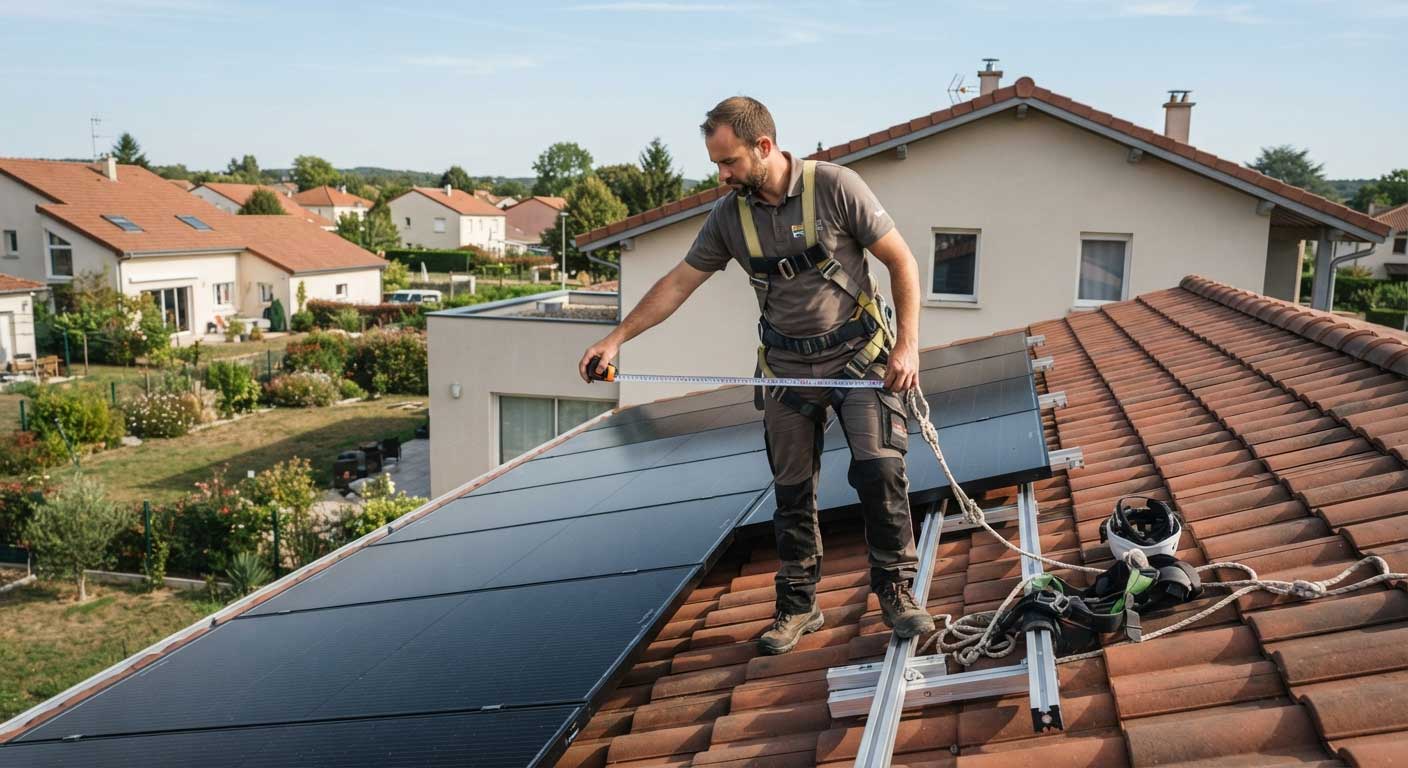
Choosing the Right Solar Panel Size for Different Applications
Residential rooftop solar panels
Homeowners usually prioritize:
- Maximum energy production
- Limited roof space
- Appearance
- Installation cost
A smaller roof may require higher-efficiency panels rather than simply adding more modules.
For example:
A homeowner with limited south-facing roof space may benefit more from premium 420W–450W panels than installing many lower-output panels.
Commercial solar panels
Commercial projects often use larger panels because available space is less restricted.
Warehouses, factories, and agricultural buildings commonly use:
- 450W–600W modules
- Larger physical dimensions
- Higher power density
However, engineers must consider:
- Roof load capacity
- Wind conditions
- Mounting structure
- Maintenance access
A larger panel does not automatically mean a better commercial solution.
How Much Space Do Solar Panels Need on a Roof?
Calculating Roof Space Before Solar Installation
When planning a solar system, panel dimensions are only one part of the calculation. The available installation area, roof direction, and electricity demand determine how many panels can actually be installed.
A typical 400W residential solar panel requires around 17–20 square feet of roof space. A complete 6kW home solar system may need approximately 250–350 square feet, depending on panel efficiency and mounting configuration.
From my experience reviewing solar layouts for residential customers, the biggest mistake is measuring only the empty roof area. A roof may look large, but chimneys, skylights, vents, and shading can reduce usable space significantly.
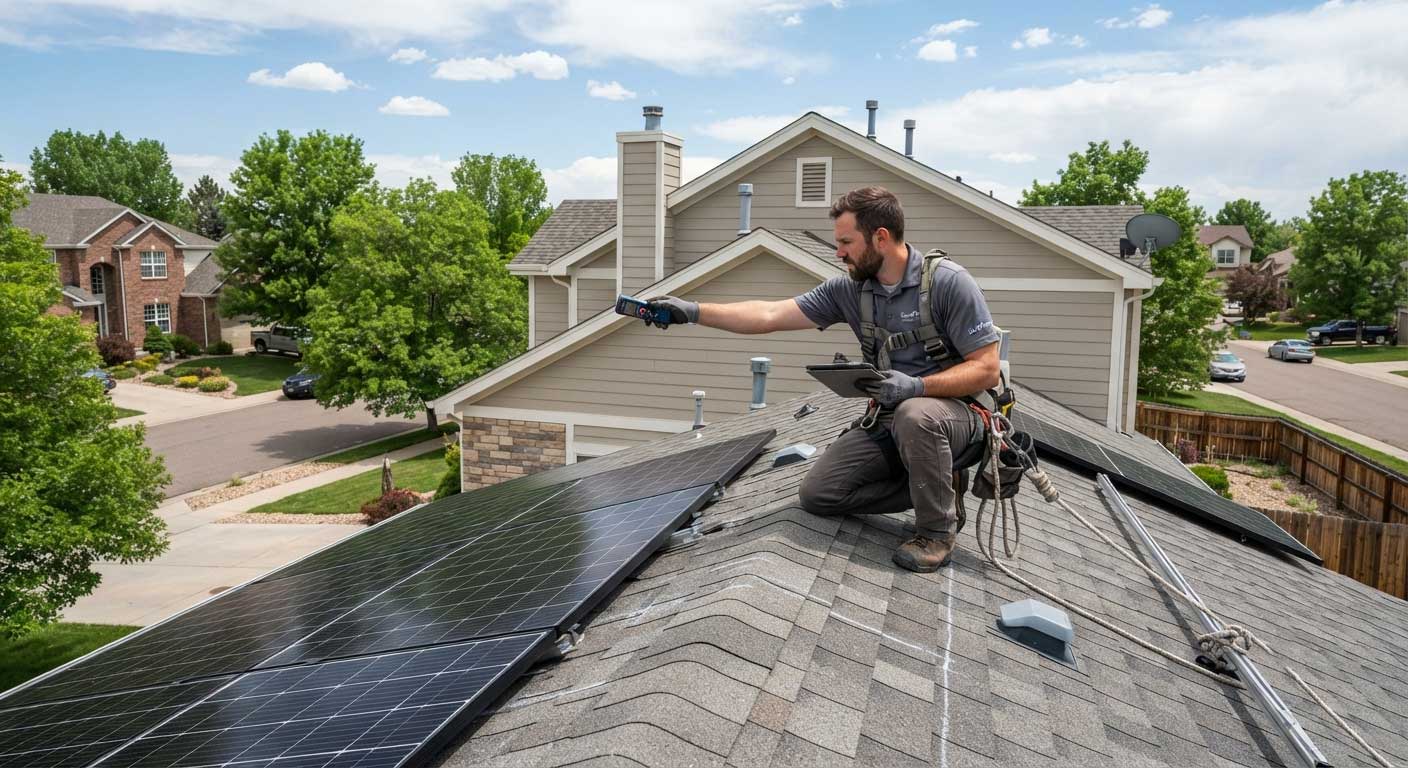
Before selecting panels, installers usually evaluate:
- Available roof dimensions
- Roof pitch and orientation
- Sun exposure throughout the year
- Required maintenance clearance
- Local building regulations
A well-designed system uses the available roof area efficiently rather than simply adding more panels.
Solar Panel Size vs. Solar Panel Wattage
Many buyers ask whether larger solar panels generate more power. The relationship is more complicated.
Panel output depends mainly on efficiency and photovoltaic technology.
For example:
| Solar Panel Type | Approximate Size | Typical Output |
|---|---|---|
| Older 250W panel | Around 65 × 39 inches | 250W |
| Modern 400W panel | Around 68 × 40 inches | 400W |
| High-output 550W panel | Around 90 × 44 inches | 550W |
A modern high-efficiency panel can generate significantly more electricity without increasing the installation footprint proportionally.
This improvement comes from:
- Better solar cell technology
- Improved wafer design
- Half-cut cell structures
- Advanced manufacturing processes
Bright Solar applies similar principles when developing flexible and rigid solar solutions, focusing on higher energy output without unnecessary increases in size and weight.
Solar Panel Dimensions for Different Applications</h2> <h3>Residential Solar Panels
Residential solar panels are designed to balance power generation and roof compatibility.
Most homes use panels around:
- 65–70 inches long
- 39–42 inches wide
- 40–50 pounds in weight
- 350W–450W output range
These dimensions fit common American and European rooftop designs.
For homeowners, panel appearance can also matter. Large black monocrystalline modules are often preferred because they create a cleaner visual appearance compared with older blue panels.
RV and Marine Solar Panels
Different applications require different panel sizes.
For RVs, boats, and off-grid systems, rigid panels may be too large or heavy. Flexible solar panels are often chosen because they can adapt to curved surfaces and limited installation areas.
Common flexible panel sizes include:
| Application | Typical Power | Advantage |
|---|---|---|
| Small RV systems | 100W–200W | Lightweight and portable |
| Marine applications | 200W–300W | Space-efficient |
| Off-grid cabins | 300W–400W | Higher energy production |
Bright Solar flexible panels are designed for situations where traditional rigid modules are difficult to install, especially on curved roofs, vehicles, and outdoor equipment.
FAQ About how big are solar panels?
How big are solar panels for a typical house?
Most residential solar panels are approximately 65–70 inches long and 39–42 inches wide. Their size varies depending on power output and manufacturer design.
Are all solar panels the same size?
No. Solar panel sizes vary based on cell number, technology, and application. Residential panels are usually smaller than commercial modules.
Does a bigger solar panel produce more electricity?
Not always. Electricity production depends on efficiency, cell technology, and sunlight conditions. A smaller high-efficiency panel may outperform a larger lower-efficiency module.
How much roof space do solar panels need?
A typical residential panel requires about 17–20 square feet. The total space depends on system size, panel wattage, and roof layout.
What size solar panel is best for an RV?
RV owners commonly use 100W–400W solar panels depending on available roof space and energy requirements. Flexible panels are popular because they are lightweight and easier to install.
Are larger solar panels harder to install?
Larger panels may require more handling space and stronger mounting considerations. Professional installers evaluate roof structure and installation conditions before selecting panel sizes.
Final Thoughts: Choosing the Right Solar Panel Size
Size Should Match Your Energy Goals
The question “how big are solar panels” does not have one universal answer. A suitable panel size depends on where it will be installed, how much electricity is required, and what space limitations exist.
In real projects, the best solar solution is not always the largest panel available. It is the panel that provides the highest energy output while fitting the application properly.
At Bright Solar, we consider dimensions, efficiency, durability, and installation conditions together. Whether the project involves residential rooftops, RVs, marine equipment, or off-grid applications, selecting the right solar panel size is the first step toward building a reliable solar system.
The prev: What Roof Is Best for Solar Panels?The next: How Do Solar Panels Make Energy?
Related recommendations
-

How Much Will Solar Panels Cost?
163Learn how much will solar panels cost in 2026. Explore real installation prices, panel costs, system sizes, and flexible solar options with Bright Solar.
View details -
how much power does a solar panel produce?
264Learn how much power does a solar panel produce with real output data, watt examples, energy calculations, and Bright solar expert insights.
View details -
How Does Solar Power Make Electricity?
259How does solar power make electricity? Learn how sunlight becomes usable energy through photovoltaic cells, solar technology, and expert insights from Bright Solar.
View details -
How Much Do Residential Solar Panels Cost?
117How much do residential solar panels cost? Explore real 2026 solar panel prices, installation factors, system sizes, and expert insights from Bright Solar.
View details