Are Solar Panels Worth It?
Are Solar Panels Worth It?
Yes. For many homeowners, RV owners, and off-grid users, solar panels are worth it because they reduce electricity costs, protect against rising utility prices, and provide long-term energy savings. Most residential systems recover their investment within 6–12 years and continue producing electricity for 25 years or longer.
A few years ago, during a customer visit in Arizona, I stood beside a homeowner who had installed rooftop solar eight years earlier. His utility bills had fallen from roughly $220 per month to less than $40 during most of the year. What surprised him most was not the savings. It was how little attention the system needed after installation.
That experience reflects what many users discover after living with solar rather than simply shopping for it.
About the Author
This article was reviewed by the Bright Solar technical team, which has worked with flexible solar panels, RV solar systems, marine applications, and off-grid energy projects for global customers. Our engineers regularly evaluate panel performance, degradation rates, installation environments, and long-term maintenance issues.
Why People Ask “Are Solar Panels Worth It?”
The question rarely begins with technology.
People usually ask because they want answers to three concerns:
- Will I save money?
- How long will it take to recover my investment?
- Will the panels actually last?
The answer depends on:
| Factor | Impact |
|---|---|
| Electricity price | High |
| Local sunlight | High |
| Installation cost | High |
| System size | Medium |
| Government incentives | High |
| Roof condition | Medium |
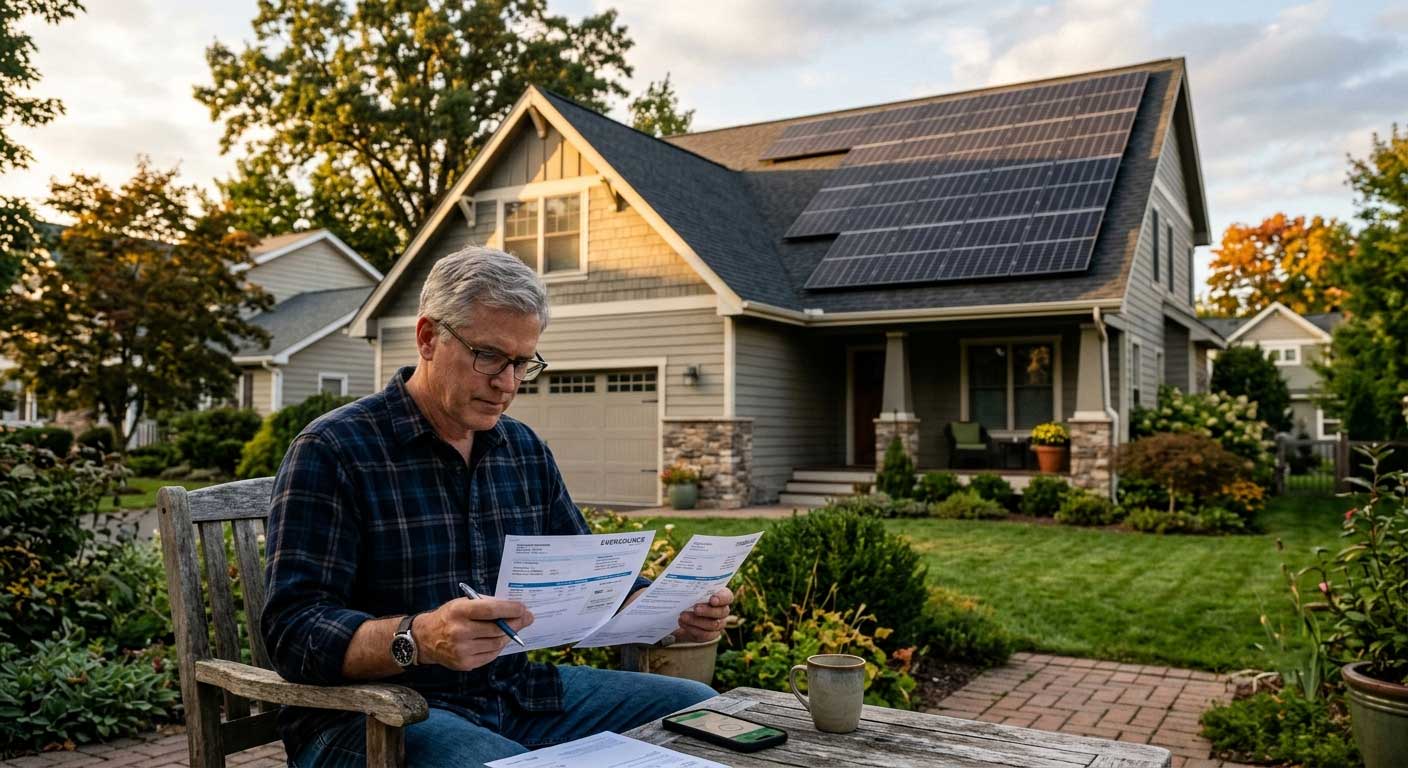
A homeowner paying $0.30 per kWh may achieve payback years earlier than someone paying $0.11 per kWh.
Real Industry Data Shows Solar Delivers Long-Term Value
According to the U.S. Department of Energy, solar installations can significantly reduce household electricity expenses depending on local utility rates.
Source:
https://www.energy.gov/eere/solar/homeowners-guide-going-solar
The National Renewable Energy Laboratory (NREL) reports that modern photovoltaic modules generally retain most of their capacity after decades of operation.
Source:
https://www.nrel.gov
The International Energy Agency reported continued growth in solar deployment worldwide because solar electricity has become one of the lowest-cost sources of new power generation.
Source:
https://www.iea.org
How Much Money Can Solar Save?
The savings vary considerably.
During one RV project in California, a customer using a 400W flexible solar setup reduced generator operation from four hours per day to less than one hour. Fuel expenses dropped immediately.
For residential installations:
| Monthly Utility Bill | Typical System | Estimated Annual Savings |
|---|---|---|
| $100 | 4–5 kW | $900–1,200 |
| $150 | 6–7 kW | $1,300–1,800 |
| $250 | 9–10 kW | $2,000–3,000 |
Actual results depend on weather, orientation, shading, and energy consumption.
How Long Is the Payback Period?
Most residential systems recover their cost within:
- 6–8 years in high-electricity markets.
- 8–12 years in average markets.
- 12–15 years in low-cost electricity regions.
After payback, the electricity produced is effectively free except for occasional maintenance.
A system lasting 25–30 years may provide two decades of additional savings.
Solar Panels Continue Working Longer Than Most People Expect
Manufacturers often provide:
- 10–15 year product warranties.
- 25–30 year performance warranties.
According to NREL research, modern modules typically degrade around 0.5% annually.
That means a panel operating at 100% today may still produce roughly 87–90% of its original output after 25 years.
Are Solar Panels Worth It for Different Users?
Homeowners
Usually yes.
Homes with high electricity rates often experience the fastest returns.
RV Owners
Flexible solar panels reduce generator dependence.
Many travelers value quiet camping and energy independence more than direct financial return.
Boat Owners
Marine environments benefit from solar because battery charging occurs continuously without shore power.
Off-Grid Cabins
The value comes from avoiding utility connection costs.
Extending grid power several hundred feet can sometimes cost more than the solar system itself.
Hidden Costs People Often Forget
Not every installation produces immediate savings.
Potential costs include:
- Roof repairs.
- Inverter replacement.
- Battery upgrades.
- Installation labor.
- Electrical permits.
During one inspection, we found a customer had installed premium modules on a roof that required replacement three years later. The panels had to be removed and reinstalled, creating additional expense.
The roof itself matters almost as much as the solar equipment.

Situations Where Solar May Not Be Worth It
Solar may provide limited value if:
- The roof receives heavy shade.
- Electricity prices are very low.
- The homeowner plans to move shortly.
- Roof replacement is imminent.
- Installation costs are unusually high.
Even then, portable or flexible solar products may still provide value for backup power, RV use, or outdoor applications.
Original Insight From Field Experience
Many buyers focus exclusively on panel efficiency.
In practice, three factors usually determine satisfaction:
- Electricity price.
- Installation quality.
- System design.
A slightly less efficient system installed correctly often outperforms a premium system installed poorly.
Customers rarely complain about panel efficiency.
They complain about water leaks, poor wiring, and incorrect sizing.
FAQ About Are Solar Panels Worth It?
Are solar panels worth it in 2026?
Yes. Rising electricity costs and improved panel efficiency continue to improve long-term returns.
How long do solar panels last?
Most modern solar panels operate for 25–30 years or longer.
Do solar panels increase home value?
Several studies suggest homes with solar systems may sell at higher prices depending on the local market.
Are flexible solar panels worth buying?
For RVs, boats, and curved surfaces, flexible panels often provide excellent value because they reduce weight and simplify installation.
Can solar eliminate my electric bill?
Some systems offset nearly all annual electricity usage, but results depend on system size and energy consumption.
Visit product page:Flexible Solar Panel
Final Thoughts
For most homeowners, RV users, and off-grid customers, the answer to are solar panels worth it is yes. The combination of lower utility bills, decades of electricity production, and increasing energy costs makes solar a long-term investment rather than simply an equipment purchase.
The strongest systems are not always the most expensive ones. They are the systems designed around how people actually live, travel, and consume electricity.
The prev: How Much Does It Cost to Get Solar Panels?The next: how to install solar panels?
Related recommendations
-

How Much Will Solar Panels Cost?
163Learn how much will solar panels cost in 2026. Explore real installation prices, panel costs, system sizes, and flexible solar options with Bright Solar.
View details -
How Much Electric Does a Solar Panel Generate?
236How much electric does a solar panel generate? Discover daily and yearly solar panel output, real-world performance, and expert insights from Bright Solar with verified industry data.
View details -
Can You Walk on Solar Panels?
159Can you walk on solar panels? Learn why ordinary modules can be damaged by foot pressure, when specialist walk-on panels may be suitable, and how to inspect a solar array safely.
View details -
How much energy can a solar panel produce?
263How much energy can a solar panel produce? Learn solar output calculations, daily kWh production, influencing factors, and real-world examples.
View details