Off Grid Solar System Cost: Complete Price Guide for 2026
Introduction
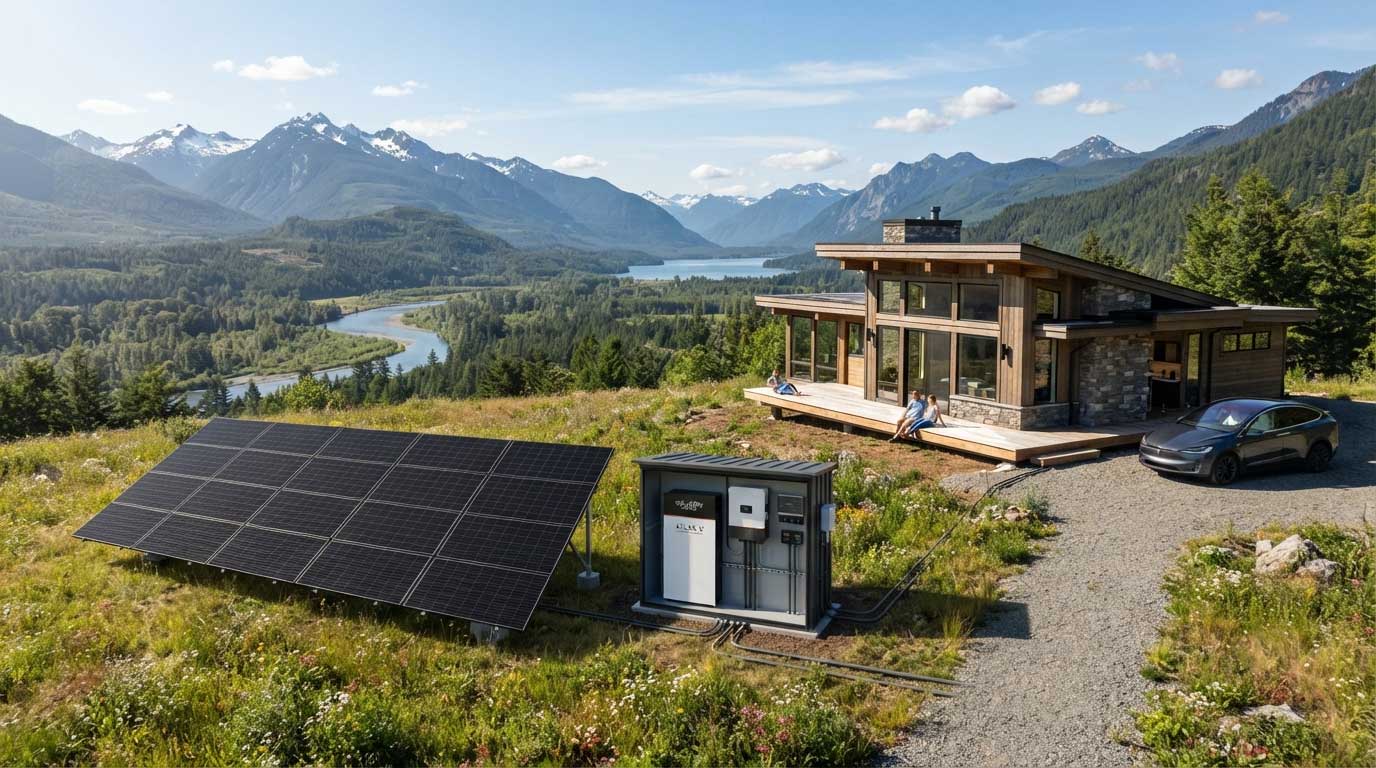
An off grid solar system typically costs between $10,000 and $50,000 for a complete residential setup, depending on solar capacity, battery storage, inverter size, installation difficulty, and energy requirements. Smaller systems can cost less, while larger systems designed for full energy independence require a higher investment.
The question of off grid solar system cost is one of the first concerns for homeowners, cabin owners, farmers, and remote property users considering energy independence. Unlike grid-connected solar systems, an off-grid setup must generate, store, and manage all the electricity needed without support from the utility network.
The final price is not determined by solar panels alone. Batteries, inverters, installation conditions, and daily electricity usage all have a significant impact on the total investment. A small off-grid cabin system may only require a few thousand dollars, while a complete home energy solution with large battery storage can exceed $50,000.
Before choosing a system, it is important to understand how each component affects the overall budget. A properly designed system avoids unnecessary costs while ensuring enough power is available throughout the year.
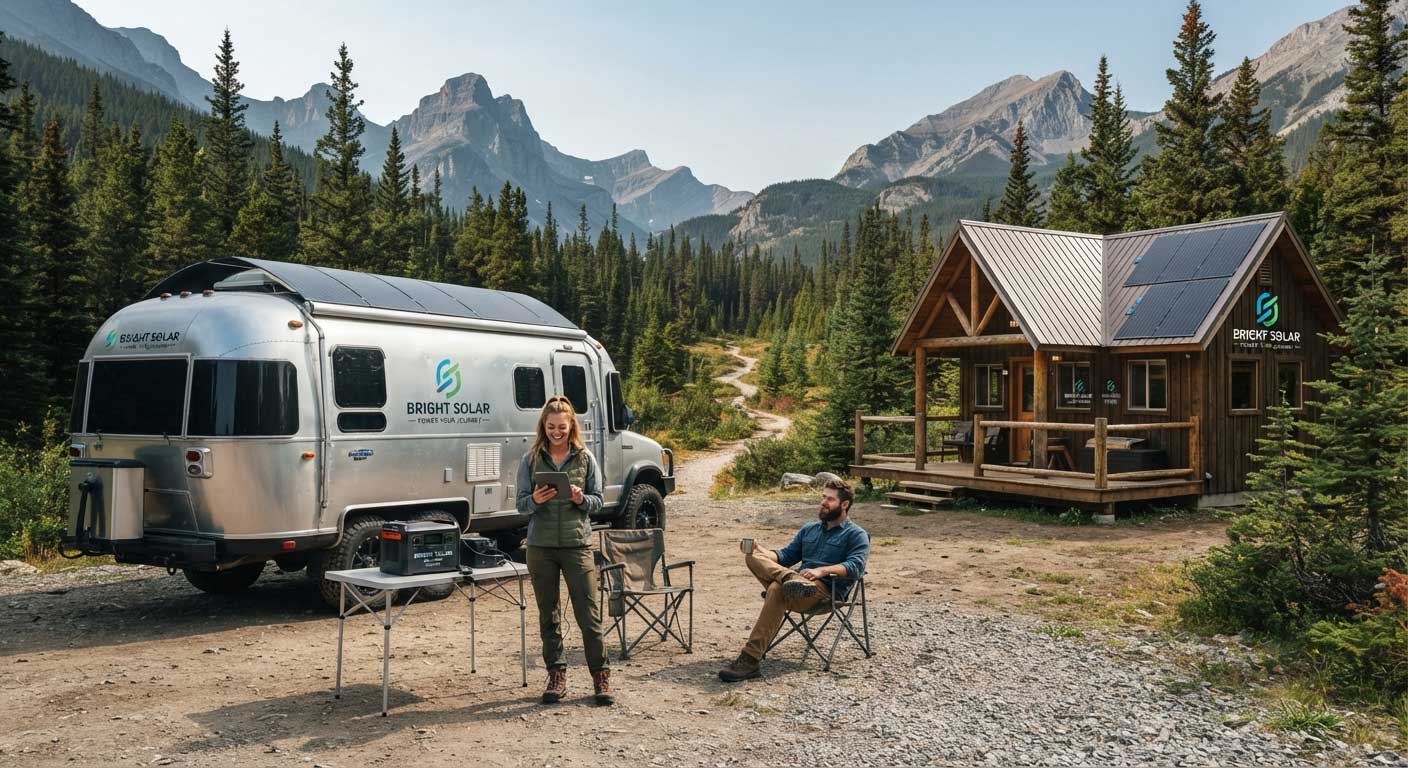
Bright Solar provides flexible solar panel solutions for off-grid applications, helping customers build lightweight and efficient renewable energy systems for remote locations, RVs, cabins, and mobile power needs.
What Is an Off Grid Solar System?
An off grid solar system is a standalone solar power system that generates and stores electricity without connecting to the traditional utility grid.
Unlike grid-tied solar systems, off-grid systems must work independently. They collect solar energy during the day, store excess electricity in batteries, and provide power whenever it is needed.
A complete off-grid solar system usually includes:
- Solar panels
- Solar charge controller
- Battery storage system
- Solar inverter
- Mounting equipment
- Electrical protection devices
- Monitoring system
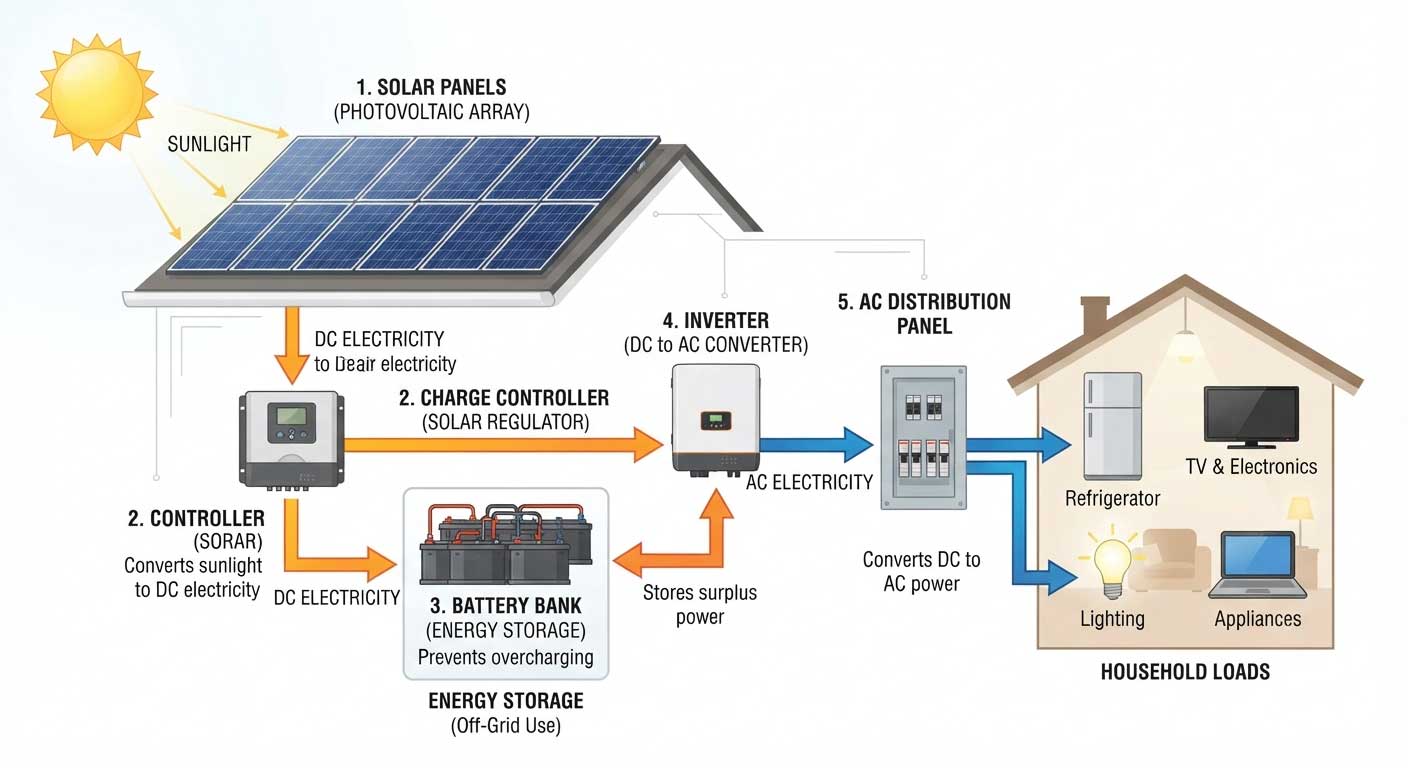
The basic energy process is:
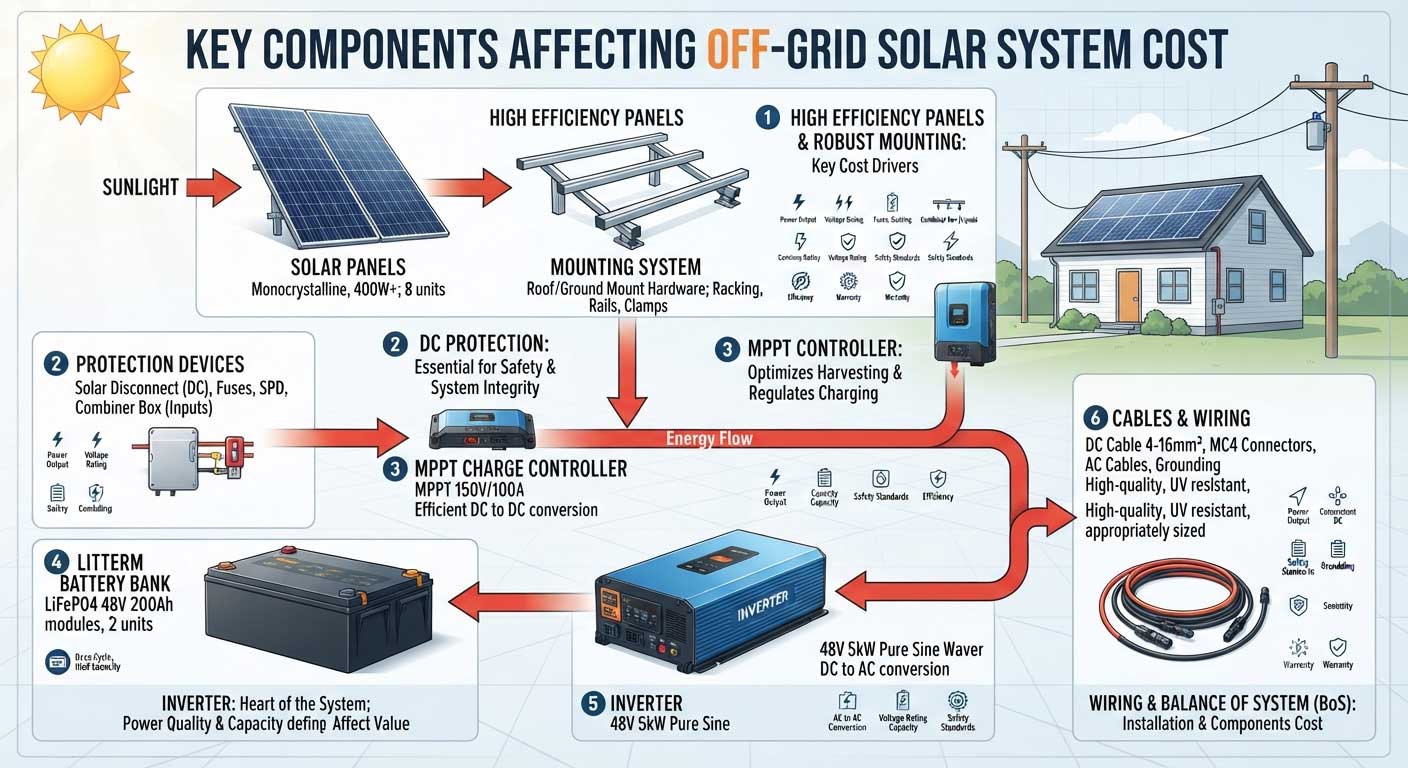
Sunlight → Solar Panels → Charge Controller → Battery Storage → Inverter → Electrical Appliances
During daylight hours, solar panels convert sunlight into DC electricity. The charge controller manages the energy flow and protects the battery. Stored electricity can then be converted into usable AC power through an inverter.
How Is an Off Grid Solar System Different from a Grid-Tied Solar System?
Understanding the difference between system types helps explain why off-grid solar systems usually cost more.
Grid-Tied Solar System
A grid-connected system works together with the local electricity network.
Main features:
- Uses utility power when solar production is low
- Usually does not require large batteries
- Lower upfront cost
- Depends on grid availability
Off Grid Solar System
An off-grid system operates independently.
Main features:
- Requires battery storage
- Designed for complete energy independence
- Suitable for remote locations
- Higher initial investment
Because batteries are required to provide power at night and during cloudy weather, they are one of the biggest contributors to off grid solar system cost.
How Much Does an Off Grid Solar System Cost?
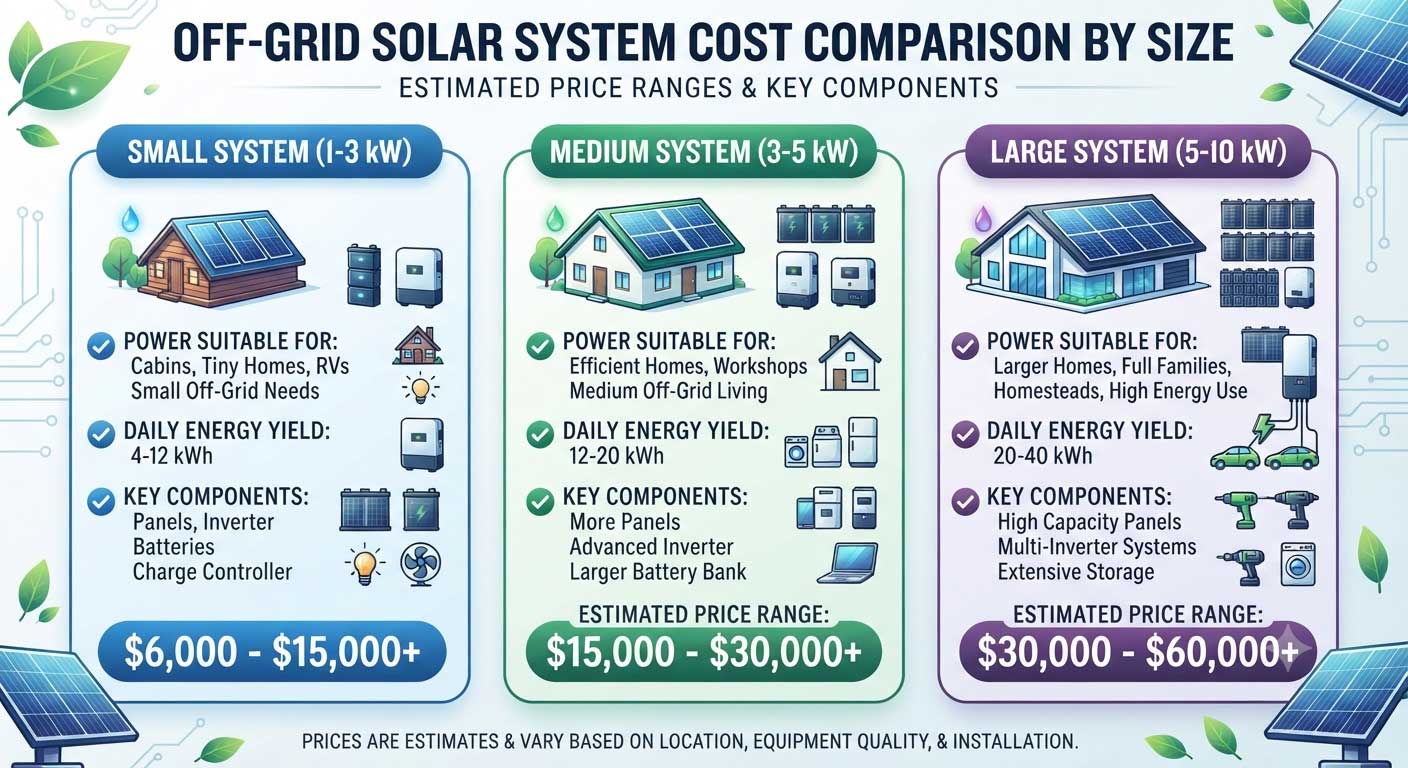
The average off grid solar system cost ranges from $5,000 to more than $60,000, depending on system size, energy requirements, and equipment selection.
A typical price range:
| System Size | Estimated Cost |
|---|---|
| Small 1–3kW system | $5,000–$15,000 |
| Medium 3–5kW system | $15,000–$30,000 |
| Large 5–10kW system | $30,000–$60,000+ |
These prices usually include:
- Solar panels
- Batteries
- Inverter
- Charge controller
- Mounting system
- Wiring components
However, installation conditions can significantly change the final cost.
For example:
A small remote cabin with basic lighting needs may only require a compact system, while a full-time off-grid home running refrigerators, water pumps, internet equipment, and household appliances requires much larger solar generation and battery capacity.
Small Off Grid Solar System Cost (1–3kW)
A small off-grid solar system usually costs:
$5,000–$15,000
These systems are suitable for:
- Small cabins
- Tiny homes
- Remote workshops
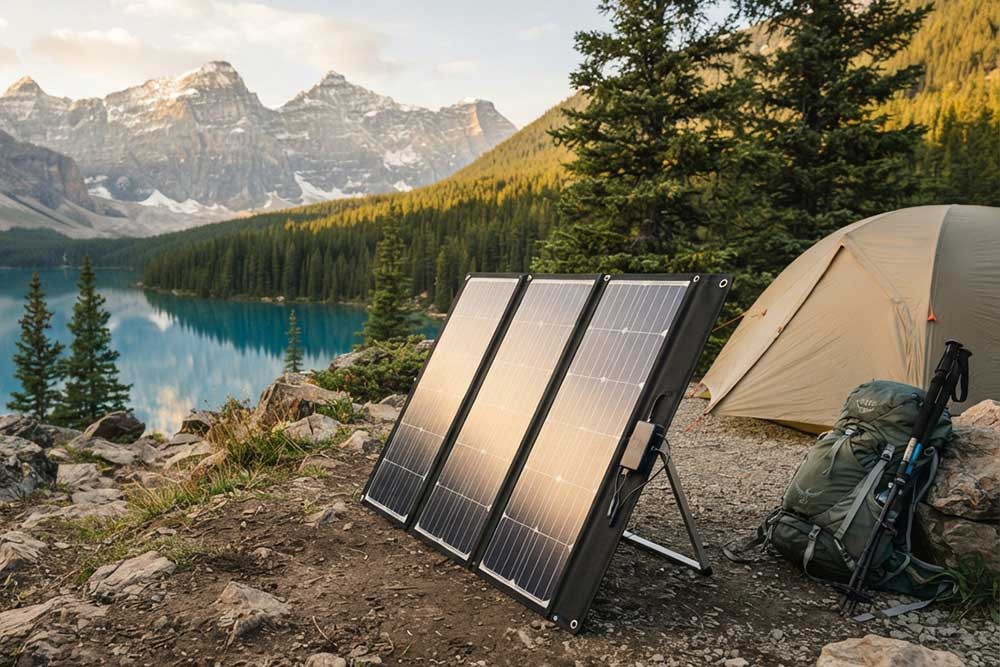
- Basic camping applications
Typical equipment:
- 1–3kW solar panels
- Small lithium battery bank
- Basic inverter
- MPPT charge controller
A small system can usually power:
- LED lighting
- Mobile devices
- Small refrigerators
- Internet equipment
- Small appliances
For users with limited electricity needs, starting with a smaller system and expanding later can reduce initial investment.
Medium Off Grid Solar System Cost (3–5kW)
A medium system usually costs:
$15,000–$30,000
This size is common for:
- Small residential homes
- Farm buildings
- Remote properties
A typical setup includes:
- Higher solar panel capacity
- Larger battery storage
- More powerful inverter
It can support:
- Refrigerators
- Computers
- Water pumps
- Kitchen appliances
- Entertainment systems
Most residential off-grid users choose this range because it provides a balance between energy availability and investment.
Large Off Grid Solar System Cost (5–10kW+)
A large off-grid solar system typically costs:
$30,000–$60,000 or more
Designed for:
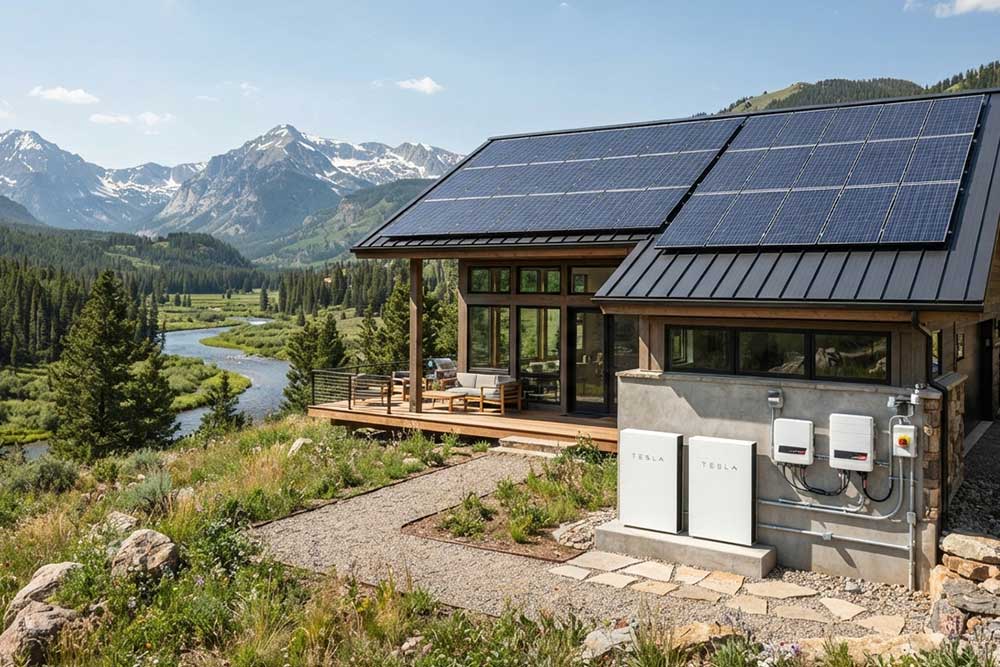
- Full-time off-grid homes
- Large farms
- Remote commercial buildings
These systems require:
- More solar panels
- Multiple batteries
- Higher-capacity inverter systems
- More complex installation
Large systems are more expensive because they are designed to provide reliable power throughout different seasons and weather conditions.
What Makes Up an Off Grid Solar System Cost?
The total price of an off-grid solar system is made up of several major components.
Understanding each cost category helps buyers make better decisions.
Solar Panel Cost
Solar panels are the energy generation part of the system.
Typical factors affecting panel cost include:
- Wattage
- Efficiency
- Technology type
- Installation requirements
Average solar panel pricing:
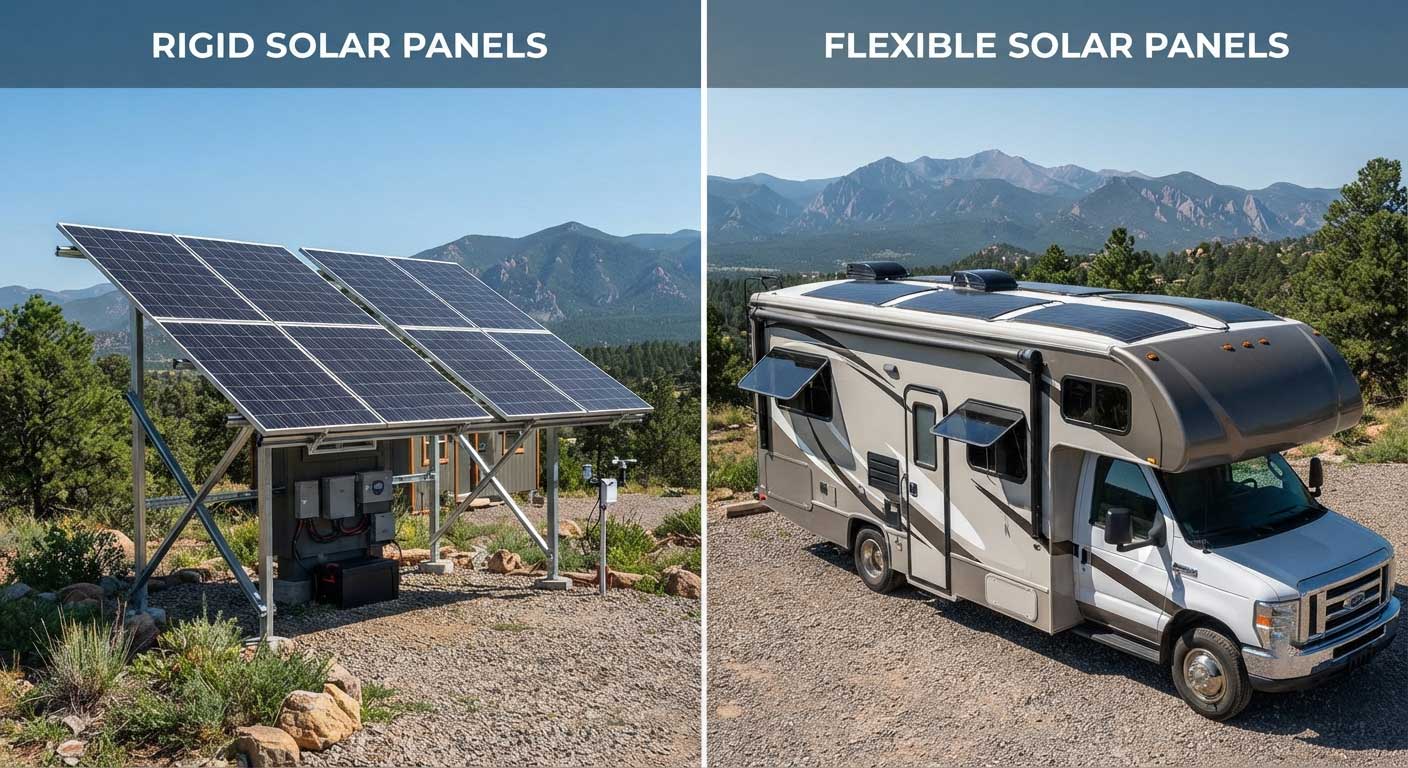
- Standard rigid panels: approximately $0.20–$0.50 per watt
- Flexible solar panels: approximately $0.40–$1.00 per watt
Flexible solar panels generally cost more because they use lightweight materials and are designed for applications where weight and installation flexibility matter.
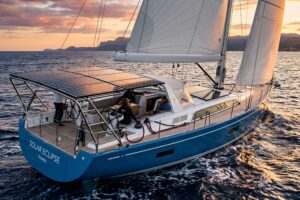
Bright Solar develops flexible solar panels for applications such as:
- RVs
- Boats
- Remote cabins
- Portable power systems
These solutions help users install solar power where traditional rigid panels may not be practical.
Battery Storage Cost
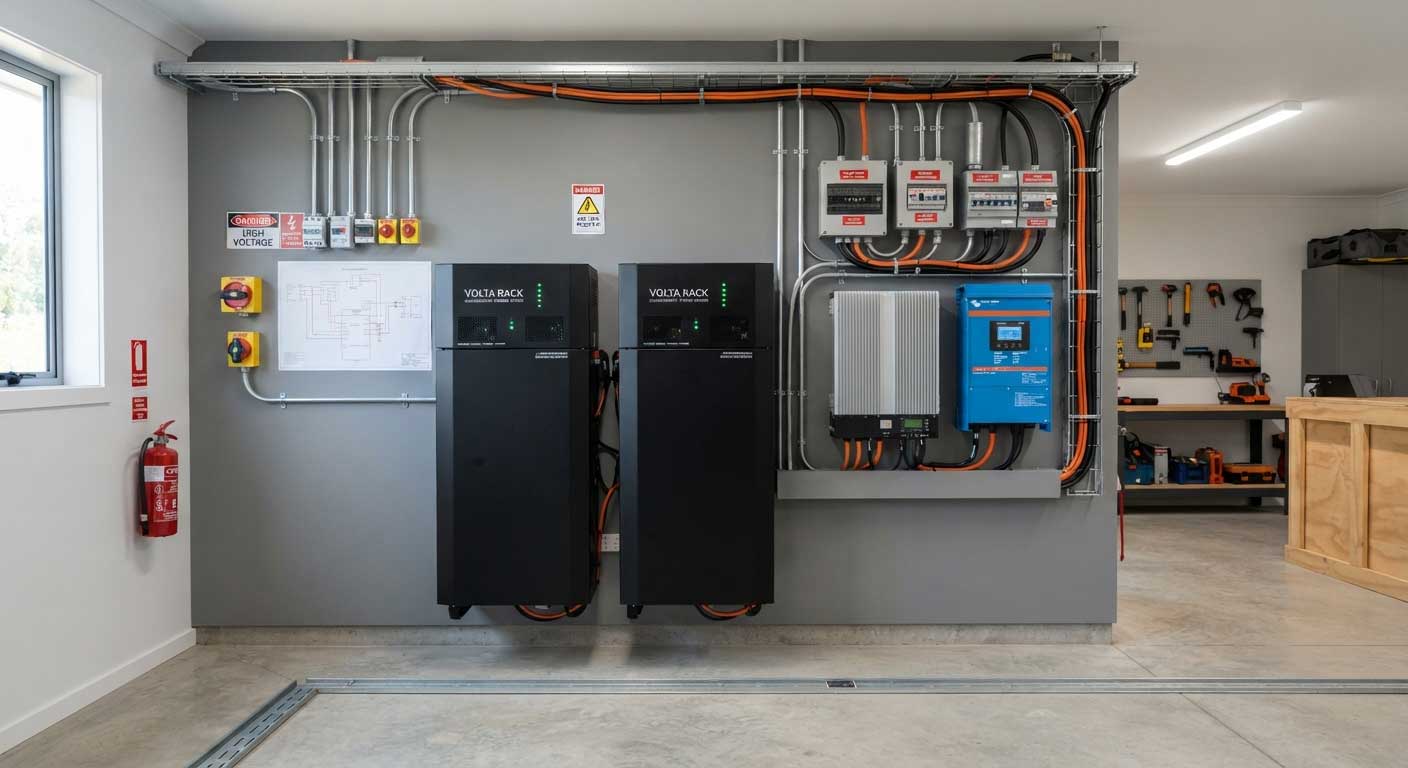
Battery storage is often the largest expense in an off-grid solar system.
Unlike grid-connected solar, off-grid systems need batteries to provide electricity when sunlight is unavailable.
Common battery options include:
Lead Acid Battery Cost
Advantages:
- Lower upfront cost
- Mature technology
Disadvantages:
- Heavier weight
- Shorter lifespan
- Lower usable capacity
Lithium Battery Cost
Advantages:
- Longer lifespan
- Higher efficiency
- More usable energy
- Lightweight design
Disadvantages:
- Higher initial cost
Although lithium batteries increase upfront expenses, they often provide better long-term value because they require fewer replacements.
Inverter Cost
The inverter converts DC electricity stored in batteries into AC electricity used by household appliances.
Typical inverter costs:
$500–$5,000+
The price depends on:
- Power output
- Pure sine wave technology
- System size
A larger home with higher electricity demand requires a more powerful inverter.
Charge Controller Cost
The charge controller manages electricity between solar panels and batteries.
Typical costs:
- PWM controller: $50–$200
- MPPT controller: $150–$800+
MPPT controllers are usually preferred for larger off-grid solar systems because they improve energy harvesting efficiency.
Factors That Affect Off Grid Solar System Cost
The final off grid solar system cost is influenced by more than the size of the solar array. Two systems with the same solar panel capacity can have very different prices depending on battery selection, installation conditions, and energy requirements.
Understanding these factors helps buyers create a system that meets their needs without paying for unnecessary capacity.
Energy Consumption Requirements
Your daily electricity usage is the biggest factor affecting system size and cost.
A property using only basic electricity will require a smaller system, while a modern home with multiple appliances needs more solar generation and battery storage.
Common high-energy appliances include:
- Air conditioners
- Electric heaters
- Water pumps
- Refrigerators
- Washing machines
- Power tools
Before purchasing an off-grid solar system, calculate:
- Daily energy consumption (kWh)
- Peak power demand (W)
- Required backup time
A correct energy assessment prevents two common problems:
- Installing an undersized system that cannot meet demand
- Overpaying for unnecessary solar capacity
Solar Panel Capacity and Technology
Solar panel capacity directly affects how much electricity the system can generate.
A larger solar array usually means:
- Higher upfront cost
- More available electricity
- Faster battery charging
- Better performance during cloudy periods
The required solar capacity depends on:
- Location
- Average sunlight hours
- Seasonal weather changes
- Energy consumption
For example, a property in a sunny region may need fewer panels than the same property in an area with frequent cloudy weather.
Battery Storage Capacity
Battery storage is one of the most important factors affecting off grid solar system cost.
Unlike grid-connected solar systems, off-grid systems cannot rely on utility electricity when solar production is low.
A larger battery bank provides:
- Longer backup time
- More energy availability at night
- Better reliability during bad weather
However, larger batteries also increase investment significantly.
Battery capacity should be based on:
- Daily energy usage
- Number of backup days required
- Battery chemistry
- Climate conditions
For many modern off-grid systems, lithium batteries are preferred because they offer higher usable capacity and longer service life.
Installation Location and Site Conditions
The installation environment can significantly change project costs.
Factors include:
- Roof condition
- Ground mounting requirements
- Distance between panels and batteries
- Accessibility of installation location
Remote locations may require additional costs for:
- Transportation
- Specialized equipment
- Additional labor time
For example, installing an off-grid solar system on a mountain cabin may cost more than installing the same system on an easily accessible property.
System Design and Customization
Every off-grid solar system needs to be designed according to the user’s specific requirements.
Customized factors include:
- Solar panel arrangement
- Battery configuration
- Inverter capacity
- Backup requirements
- Future expansion plans
A properly designed system may have a higher initial cost but usually provides better long-term performance.
Equipment Quality and Brand Selection
Solar equipment quality directly affects reliability and lifespan.
Lower-cost components may reduce initial investment but can create higher maintenance costs later.
Important quality considerations include:
Solar Panel Durability
Look for:
- Weather resistance
- Long-term performance stability
- Reliable manufacturing quality
Battery Performance
Important factors:
- Cycle life
- Safety features
- Temperature tolerance
Inverter Reliability
A high-quality inverter provides:
- Stable power output
- Better protection
- Longer operating life
Choosing reliable components helps reduce replacement and repair expenses.
Off Grid Solar Installation Cost Breakdown
Besides equipment costs, installation expenses can significantly influence the total project budget.
A complete off-grid solar project usually includes:
- Solar equipment
- Electrical installation
- Mounting structure
- Wiring
- System testing
- Labor
Solar Panel Installation Cost
Installation costs depend on:
- Number of panels
- Mounting method
- Roof or ground installation
- Labor complexity
Typical installation work includes:
- Mounting solar panels
- Connecting solar cables
- Installing protection devices
- Testing system performance
Flexible solar panels can sometimes simplify installation because they are lightweight and require fewer structural modifications compared with traditional framed panels.
Battery Installation Cost
Battery installation requires careful planning because batteries are high-current electrical components.
Installation may include:
- Battery enclosure
- Safety protection
- Cable connections
- Monitoring equipment
Professional installation is especially recommended for large battery systems.
Electrical Wiring and Protection Cost
A safe off-grid solar system requires proper electrical components.
Common items include:
- Solar cables
- Fuses
- Circuit breakers
- Disconnect switches
- Surge protection devices
Although these components represent a smaller percentage of the total cost, they are essential for system safety.
Mounting System Cost
Solar mounting costs vary depending on installation type.
Common options include:
Roof Mounting
Suitable for:
- Homes
- Cabins
- Existing structures
Costs depend on:
- Roof material
- Structural condition
- Installation complexity
Ground Mounting
Suitable for:
- Farms
- Large properties
- Open land
Advantages:
- Easier maintenance
- Flexible panel positioning
Additional costs may include:
- Frames
- Foundation work
- Site preparation
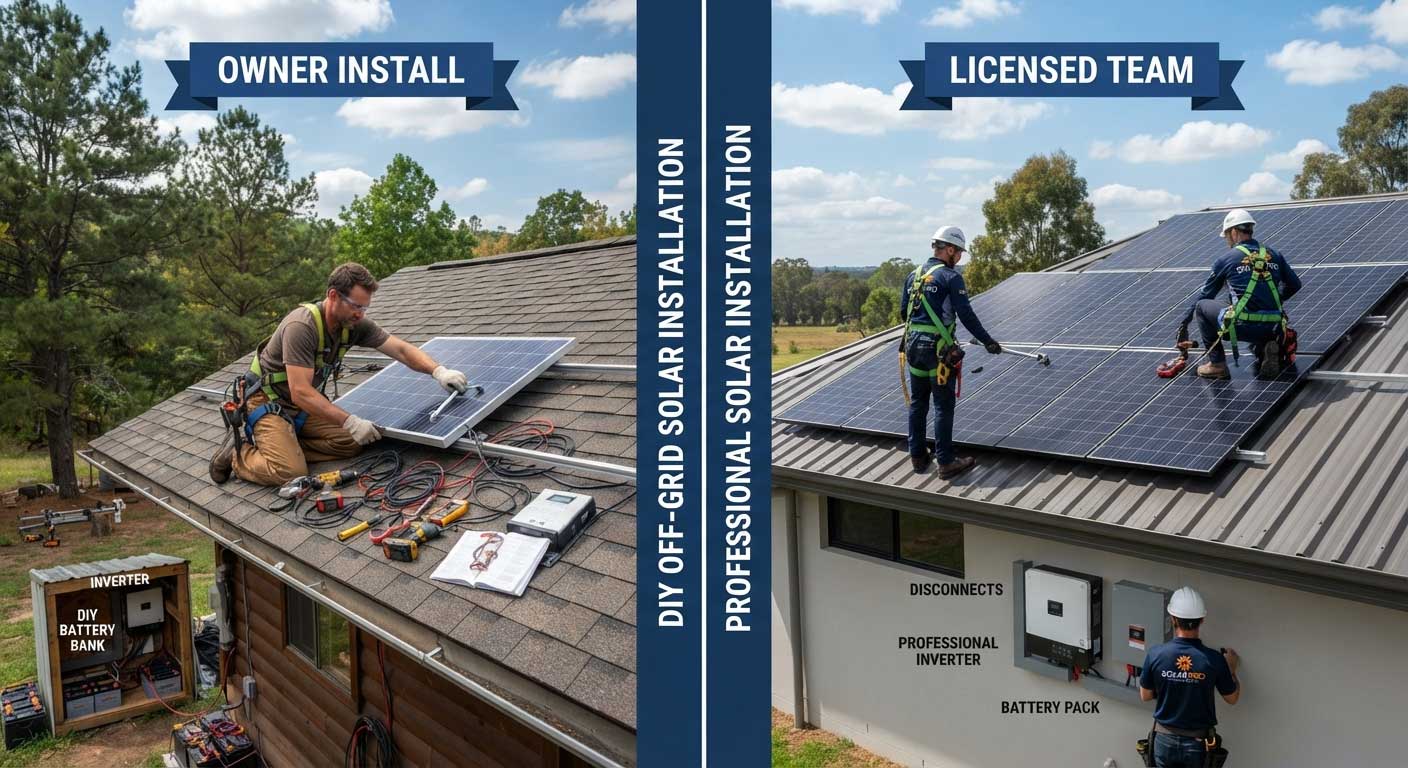
DIY vs Professional Off Grid Solar Installation Cost
Choosing between DIY and professional installation can significantly change the total off grid solar system cost.
Both approaches have advantages depending on system size and technical experience.
DIY Off Grid Solar Installation Cost
DIY installation can reduce labor expenses.
Potential savings:
- Installation labor
- Basic setup costs
A small DIY system may cost:
20%–40% less than a professionally installed system
DIY is suitable for:
- Small cabins
- RV solar systems
- Simple backup power projects
Advantages of DIY Installation
Benefits include:
- Lower upfront cost
- Hands-on understanding of the system
- Flexible installation schedule
Challenges of DIY Installation
Potential issues:
- Incorrect wiring
- Poor system sizing
- Safety risks
- Reduced warranty coverage
Electrical mistakes can lead to:
- Energy losses
- Component damage
- Safety hazards
Professional Off Grid Solar Installation Cost
Professional installation usually costs more because it includes:
- System design
- Labor
- Electrical testing
- Safety inspection
Professional installation is recommended for:
- Large residential systems
- High-capacity battery banks
- Complex electrical setups
Advantages of Professional Installation
Benefits include:
- Proper system sizing
- Better safety
- Reliable performance
- Warranty support
A professionally designed system can also reduce long-term maintenance problems.
Hidden Costs of Off Grid Solar Systems
Many buyers focus only on solar panels and batteries but overlook additional expenses.
Understanding hidden costs creates a more accurate budget.
Battery Replacement Cost
Solar panels can last 25 years or more, but batteries usually require replacement sooner.
Typical lifespan:
Lithium Batteries
Approximately:
8–15 years
Lead Acid Batteries
Approximately:
3–7 years
Battery replacement should be considered when calculating long-term ownership costs.
Maintenance and Inspection Costs
Off-grid systems require regular maintenance.
Common maintenance tasks include:
- Cleaning solar panels
- Checking electrical connections
- Inspecting battery performance
- Testing system operation
Annual maintenance costs are usually relatively low but should still be included in long-term planning.
Backup Generator Cost
Some off-grid users install backup generators for emergency situations.
A generator may be useful during:
- Extended cloudy periods
- Extreme weather
- Unexpected energy demand
Additional costs include:
- Equipment purchase
- Fuel
- Maintenance
A properly sized solar and battery system can reduce generator dependence.
Permits and Electrical Requirements
Depending on location, additional costs may include:
- Building permits
- Electrical inspections
- Professional certification
- Local regulations
Requirements vary by region, so users should check local installation rules before starting a project.
Transportation and Remote Installation Costs
Remote properties may require additional logistics.
Examples:
- Transporting heavy batteries
- Delivering solar equipment
- Accessing difficult locations
These expenses are often overlooked during initial budgeting.
How to Reduce Off Grid Solar System Cost
A well-planned system can reduce investment without sacrificing reliability.
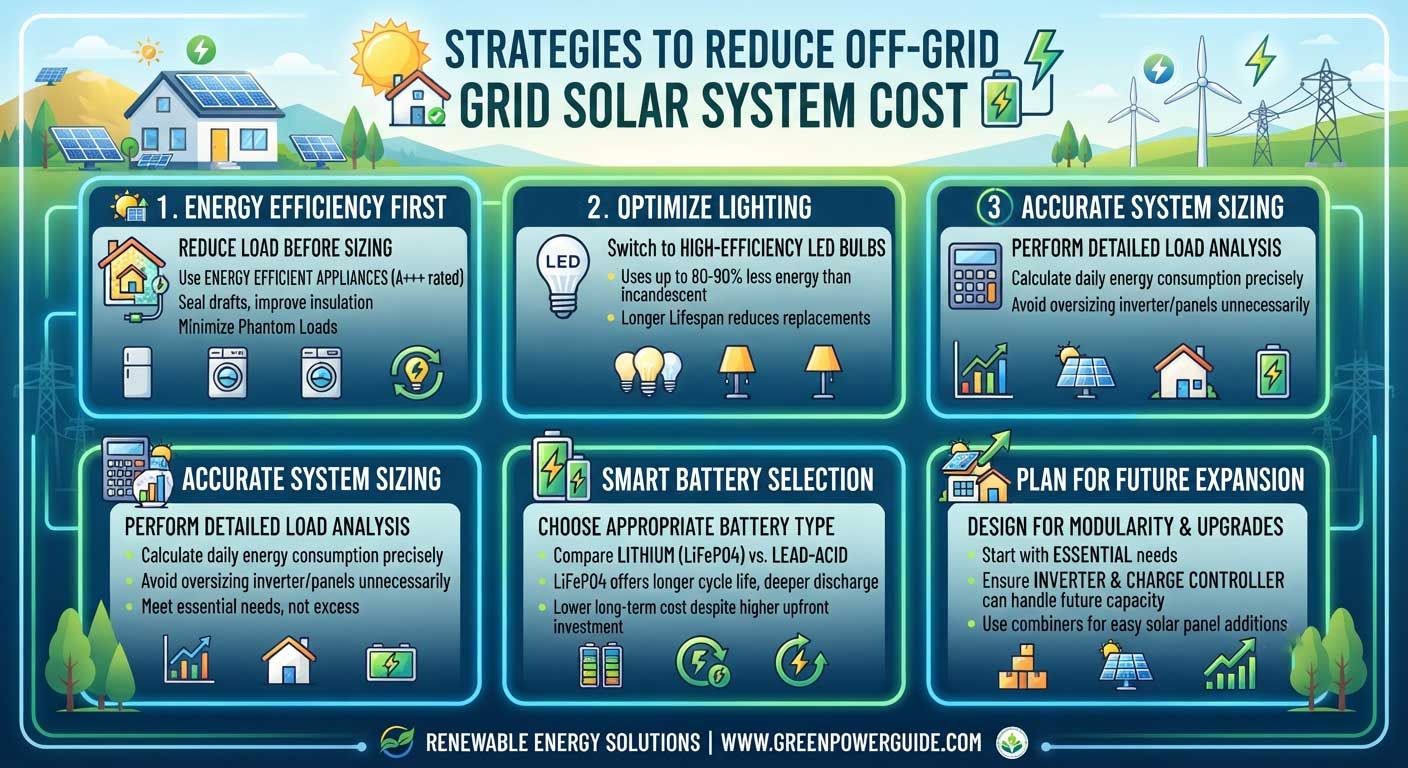
1. Calculate Energy Needs Accurately
The most effective way to control costs is avoiding oversizing.
Before purchasing equipment:
- List daily appliances
- Measure energy consumption
- Estimate future needs
A correctly sized system avoids unnecessary spending.
2. Improve Energy Efficiency
Reducing electricity demand lowers the required solar capacity.
Useful improvements include:
- LED lighting
- Energy-efficient appliances
- Smart power management
- Better insulation
Lower consumption means:
- Fewer solar panels
- Smaller batteries
- Lower overall cost
3. Choose a Scalable System Design
Instead of installing the largest system immediately, consider future expansion.
A scalable design allows adding:
- More solar panels
- Additional batteries
- Larger inverter capacity
This approach can reduce initial investment.
4. Compare Different Battery Options
Battery selection has a major impact on price.
While lithium batteries cost more upfront, they often provide:
- Longer lifespan
- Higher efficiency
- Better usable capacity
Consider total lifetime value instead of only initial price.
5. Consider Flexible Solar Panels for Specific Applications
Flexible solar panels can reduce installation challenges in certain situations.
They are useful for:
- RVs
- Boats
- Mobile cabins
- Curved surfaces
Bright Solar develops flexible solar panels designed for applications where lightweight construction and installation flexibility are important.
Is an Off Grid Solar System Worth the Investment?
An off-grid solar system can be a worthwhile investment for people who need reliable electricity without depending on the traditional power grid. Although the initial off grid solar system cost is higher than a grid-connected system, the long-term benefits can make it valuable for many applications.
The decision depends on factors such as location, electricity usage, energy goals, and the availability of grid power.
Energy Independence and Reliability
The biggest advantage of an off-grid solar system is complete energy independence.
Users can generate and store their own electricity without relying on:
- Utility companies
- Power lines
- Grid availability
This is especially valuable for:
- Remote homes
- Rural properties
- Farms
- Mountain cabins
- Emergency backup locations
For areas where grid connection is expensive or impossible, installing an off-grid solar system may be more affordable than extending utility infrastructure.
Long-Term Electricity Savings
Although the upfront investment can be significant, solar energy reduces ongoing electricity expenses.
Once installed, an off-grid solar system can generate electricity from sunlight with minimal operating costs.
Long-term savings come from reducing:
- Monthly electricity bills
- Fuel expenses
- Generator usage
The payback period depends on:
- System size
- Local electricity prices
- Solar resource availability
- Equipment lifespan
Protection Against Power Outages
Grid failures can interrupt electricity supply for homes and businesses.
An off-grid solar system with sufficient battery storage can continue providing power during:
- Storms
- Natural disasters
- Utility failures
- Remote emergencies
For users who require continuous electricity, energy reliability can be more important than the initial purchase price.
Suitable Applications for Off Grid Solar Systems
Off-grid solar systems are widely used in locations where traditional electricity access is limited.
Common applications include:
Remote Homes
Off-grid solar provides electricity for:
- Lighting
- Appliances
- Heating systems
- Communication equipment
Cabins and Tiny Homes
Small off-grid systems can provide essential electricity without expensive grid connections.
Farms and Agricultural Applications
Solar power can support:
- Water pumps
- Monitoring equipment
- Farm buildings
- Storage facilities
RVs and Mobile Applications
Compact solar systems allow travelers to produce electricity while away from traditional power sources.
Bright Solar flexible solar panels are designed for mobile applications where lightweight construction, durability, and installation flexibility are important.
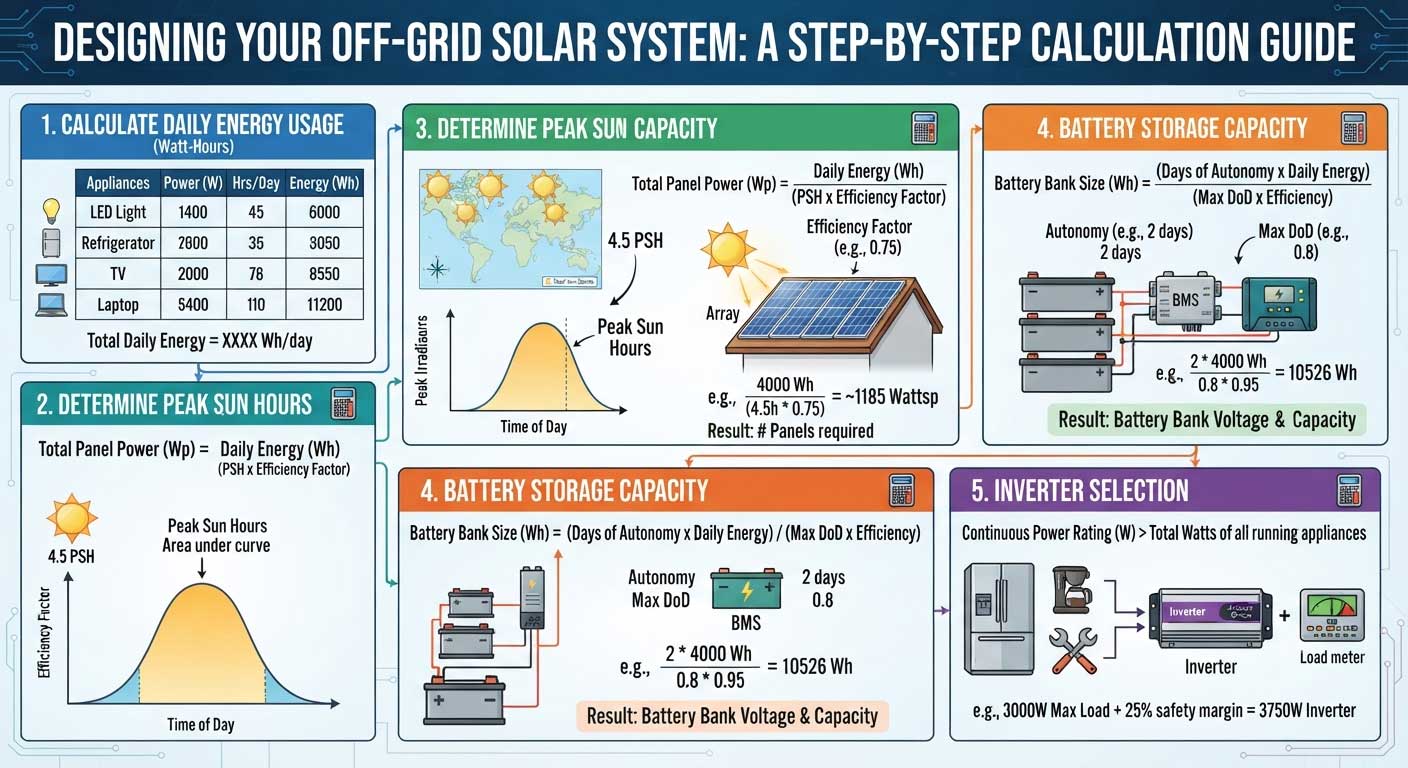
How to Calculate Your Off Grid Solar System Size
Choosing the correct system size is essential because an undersized system may not provide enough power, while an oversized system increases unnecessary costs.
The basic calculation process includes:
- Determine daily electricity consumption
- Calculate required solar panel capacity
- Select suitable battery storage
- Choose the correct inverter size
Step 1: Calculate Daily Energy Consumption
Start by listing all electrical devices and their usage.
Example:
| Appliance | Power | Daily Usage | Energy |
|---|---|---|---|
| LED lights | 40W | 5 hours | 200Wh |
| Refrigerator | 80W | 24 hours | 1,920Wh |
| Laptop | 60W | 4 hours | 240Wh |
| Router | 15W | 24 hours | 360Wh |
Total daily consumption:
Approximately:
2.7kWh/day
Step 2: Calculate Solar Panel Capacity
Use this formula:
Solar Panel Capacity = Daily Energy Consumption ÷ Peak Sun Hours
Example:
Daily energy requirement:
2.7kWh
Average peak sunlight:
5 hours
Calculation:
2.7kWh ÷ 5 = 0.54kW
The system should include additional capacity to account for:
- Energy losses
- Weather changes
- Battery charging efficiency
A practical choice would be approximately:
600W–800W solar capacity
Step 3: Calculate Battery Capacity
Battery size depends on how much backup energy is required.
Formula:
Battery Capacity = Daily Energy Usage × Backup Days
Example:
Daily usage:
3kWh
Backup requirement:
2 days
Required storage:
6kWh
Battery capacity should also consider:
- Depth of discharge
- Battery efficiency
- Temperature conditions
Step 4: Select Inverter Size
The inverter must handle the maximum power demand.
Consider:
- Total appliance wattage
- Startup power requirements
- Future expansion
For example:
A refrigerator motor or water pump may require higher startup power than normal operation.
Choosing the correct inverter prevents system overload.
Off Grid Solar System Maintenance Cost
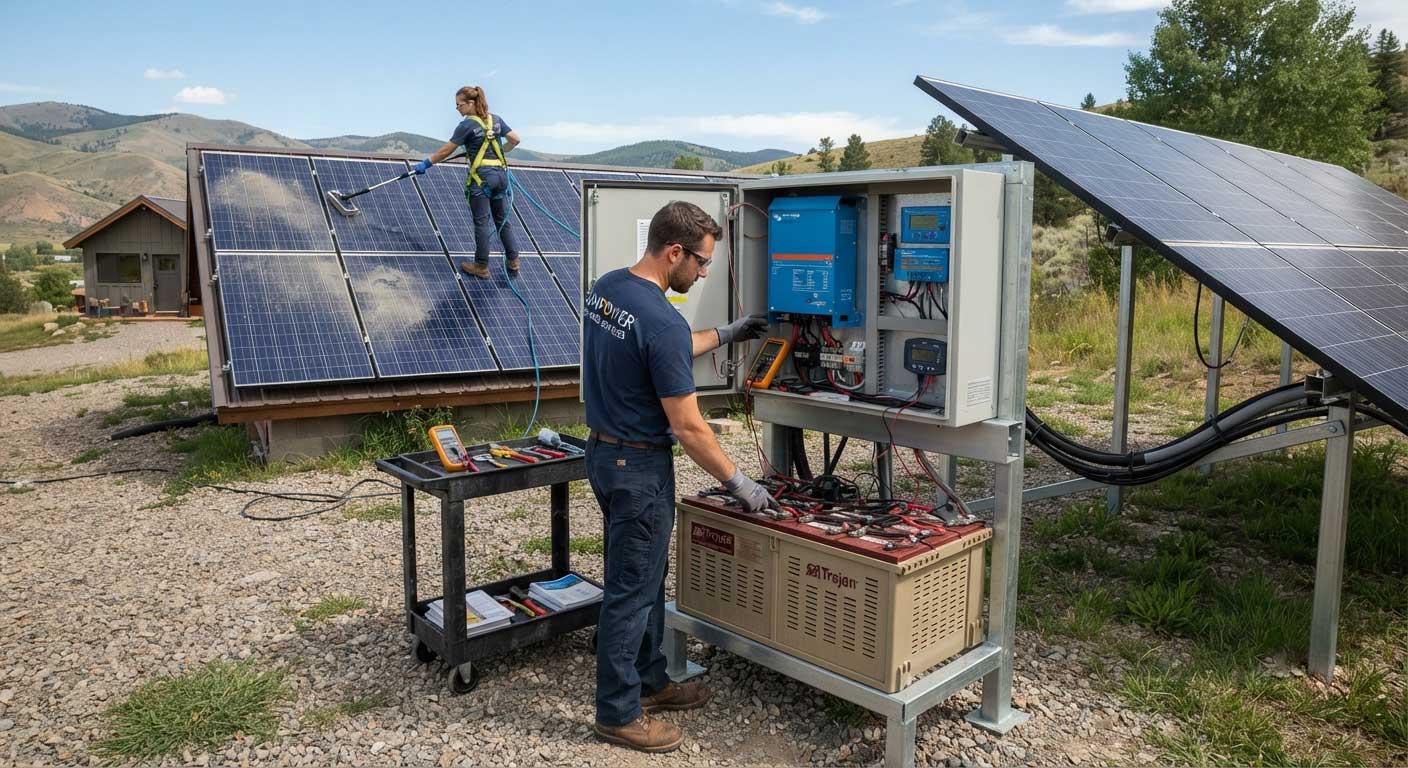
One advantage of solar energy is that maintenance requirements are relatively low compared with traditional power systems.
However, regular inspections help maintain performance and extend equipment lifespan.
Solar Panel Maintenance
Solar panels require basic cleaning to remove:
- Dust
- Dirt
- Leaves
- Bird deposits
Dirty panels can reduce energy production.
Recommended maintenance:
- Inspect panels every few months
- Clean surfaces when necessary
- Check for physical damage
Battery Maintenance
Battery maintenance depends on battery type.
Lithium Batteries
Require minimal maintenance but should be monitored for:
- Temperature
- Charging cycles
- Battery management system performance
Lead Acid Batteries
Require more attention, including:
- Electrolyte checks
- Terminal cleaning
- Ventilation inspection
Electrical System Inspection
Regularly inspect:
- Solar cables
- Connectors
- Fuses
- Circuit breakers
- Inverter connections
Loose or damaged connections may reduce efficiency and create safety risks.
Annual Off Grid Solar Maintenance Cost
Typical yearly maintenance costs are approximately:
$100–$500 per year
Costs depend on:
- System size
- Equipment quality
- Environmental conditions
- Professional inspection requirements
A well-maintained system can operate reliably for decades.
Flexible Solar Panels for Off Grid Applications
Flexible solar panels have become an increasingly popular choice for off-grid applications because they provide installation advantages that traditional rigid panels cannot always offer.
Unlike conventional framed solar panels, flexible panels are lightweight, thin, and easier to install on unconventional surfaces.
Advantages of Flexible Solar Panels
Lightweight Design
Flexible solar panels reduce structural load, making them suitable for:
- RV roofs
- Boats
- Mobile structures
- Lightweight buildings
Easy Installation
Because of their thin and flexible construction, they can be installed on surfaces where rigid panels may be difficult to mount.
Applications include:
- Curved roofs
- Portable energy systems
- Temporary installations
Space Efficiency
Flexible panels are useful when installation space is limited.
They can maximize available solar generation on:
- Small cabins
- Camper vans
- Marine applications
Better Mobility
For users who frequently move between locations, flexible solar panels provide greater portability.
They are commonly used for:
- Camping
- Outdoor adventures
- Remote work sites
Why Choose Bright Solar Flexible Solar Panels?
Bright Solar focuses on developing flexible solar solutions for modern off-grid energy applications.
Bright Solar flexible solar panels feature:
- Lightweight construction
- Durable protective surfaces
- High adaptability
- Reliable outdoor performance
They are designed for applications including:
- RV solar systems
- Marine solar power
- Portable energy solutions
- Remote off-grid installations
For customers looking to reduce installation complexity while maintaining reliable solar performance, flexible solar panels can provide a practical alternative.
FAQ About Off Grid Solar System Cost
How much does an off grid solar system cost?
The average off grid solar system cost ranges from around $5,000 for small systems to more than $60,000 for large residential systems.
The final price depends on:
- Solar capacity
- Battery size
- Inverter selection
- Installation requirements
What is the most expensive part of an off-grid solar system?
Battery storage is usually the most expensive component because off-grid systems need batteries to store electricity for nighttime use and periods without sunlight.
Lithium batteries have a higher upfront cost but usually provide longer service life and better efficiency.
How much does a 5kW off-grid solar system cost?
A 5kW off-grid solar system typically costs:
$15,000–$35,000
The exact price depends on:
- Battery capacity
- Equipment quality
- Installation location
- Additional electrical requirements
Can I install an off-grid solar system myself?
Yes, small off-grid solar systems can often be installed by experienced DIY users.
However, larger systems require knowledge of:
- Electrical wiring
- Battery safety
- System design
- Protection devices
Professional installation is recommended for residential systems with high power requirements.
How long does an off-grid solar system last?
A properly designed off-grid solar system can last:
- Solar panels: 25+ years
- Lithium batteries: 8–15 years
- Inverters: 10–15 years
Regular maintenance can help maximize system lifespan.
Is off-grid solar cheaper than connecting to the grid?
It depends on the location.
Off-grid solar can be more affordable when:
- Grid extension costs are high
- Properties are remote
- Long-term energy independence is required
However, areas with affordable grid electricity may have lower initial costs with grid-connected systems.
How many solar panels are needed for an off-grid home?
The number of panels depends on:
- Electricity consumption
- Solar hours
- Panel wattage
- Battery requirements
A small home may need a few kilowatts of solar capacity, while larger homes may require 5kW or more.
Conclusion: Understanding Off Grid Solar System Cost Before Investing
The total off grid solar system cost depends on many factors, including solar panel capacity, battery storage, inverter size, installation conditions, and energy requirements.
While off-grid solar systems require a higher upfront investment compared with traditional electricity solutions, they provide valuable benefits:
- Energy independence
- Reliable power supply
- Lower long-term operating costs
- Access to electricity in remote locations
The best approach is to design a system based on actual energy needs rather than simply choosing the largest available setup.
For applications where installation flexibility and lightweight design are important, flexible solar panels can provide an efficient solution. Bright Solar offers flexible solar panel products designed for RVs, marine environments, cabins, and other off-grid applications.
By selecting the right components and planning carefully, an off-grid solar system can become a reliable long-term investment for clean and independent energy.
Related recommendations
-

Flexible RV Solar Panels for Reliable Off-Grid Power
180Flexible RV solar panels deliver lightweight off-grid energy for campers, vans, and motorhomes. Discover durable ETFE solar solutions from Bright Solar.
View details -
marine solar panels: What Boat Owners Learn After Installing Solar at Sea
261Discover how marine solar panels power boats, sailboats, and yachts efficiently. Learn installation tips, real marine cases, wiring advice, and maintenance.
View details -
Solar Power Flexible Panels for Modern Off-Grid Energy
197Solar power flexible panels deliver lightweight off-grid electricity for RVs, boats, campers, and rooftops. Discover durable ETFE solar solutions from Bright Solar.
View details -
Lightweight Portable Solar Panels: How to Choose the Right One
42Lightweight portable solar panels provide mobile electricity for camping, RV travel, outdoor work, and off-grid use. Choose by total carrying weight, rated p...
View details