flexible solar panels for home: Lightweight Solar Power Solution for Modern Houses
Flexible solar panels for home provide a lightweight and adaptable solar energy solution for homeowners who need efficient power generation on roofs, balconies, and unique residential surfaces. They offer installation flexibility where traditional solar panels may not be suitable.
At Bright Solar, we develop flexible photovoltaic solutions designed for real residential challenges. Many homeowners want to use solar energy but face limitations such as unusual roof shapes, weight restrictions, limited installation areas, or concerns about changing the appearance of their homes.
During residential solar consultations, one question appears frequently: “Can I install solar panels if my roof is not designed for traditional modules?”
In many cases, the answer is yes.
Flexible solar technology creates more possibilities by reducing installation limitations while maintaining reliable electricity generation.
Unlike traditional glass solar panels that require heavy mounting structures, flexible solar panels are designed with lightweight materials, making them suitable for homes where weight, appearance, and installation simplicity are important.
What are flexible solar panels for home?
Flexible solar panels for home are lightweight photovoltaic modules designed for residential applications where conventional rigid solar panels may not be practical.
They use advanced materials to reduce weight while maintaining solar energy conversion capability.
A typical flexible home solar panel includes:
| Component | Function |
|---|---|
| Monocrystalline solar cells | Convert sunlight into electricity |
| ETFE protective coating | Provides UV and weather protection |
| Flexible substrate | Allows adaptation to different surfaces |
| Encapsulation layer | Protects internal components |
| Junction box | Transfers electrical output |
Traditional residential solar systems usually rely on:
- Glass modules
- Aluminum frames
- Heavy mounting rails
Flexible solar systems provide another option for homeowners who need:
- Lower roof load
- Easier installation
- Better appearance integration
- More placement choices
According to the National Renewable Energy Laboratory (NREL), photovoltaic system performance depends on solar radiation, temperature, module characteristics, and installation conditions.
This means a successful residential solar system depends not only on panel wattage but also on how well the technology matches the building environment.
Why choose flexible solar panels for home?
Residential solar installation is changing.
Modern homeowners are not only looking for maximum electricity production. They also care about:
- Architectural appearance
- Installation convenience
- Roof protection
- Long-term reliability
Flexible solar technology addresses these needs.
Lightweight design protects residential structures
Weight is an important factor in rooftop solar installation.
Traditional solar panels often require:
- Heavy aluminum frames
- Mounting rails
- Additional roof supports
Some homes, especially older buildings, may have limitations regarding additional roof loading.
Flexible solar panels reduce structural pressure because they remove heavy glass components.
Benefits include:
- Lower installation weight
- Easier transportation
- Reduced mounting requirements
- Suitable for more roof types
For homeowners considering solar upgrades on existing properties, lightweight design can simplify the planning process.
Flexible installation for unique home designs
Not every house has a perfect solar roof.
Residential buildings may include:
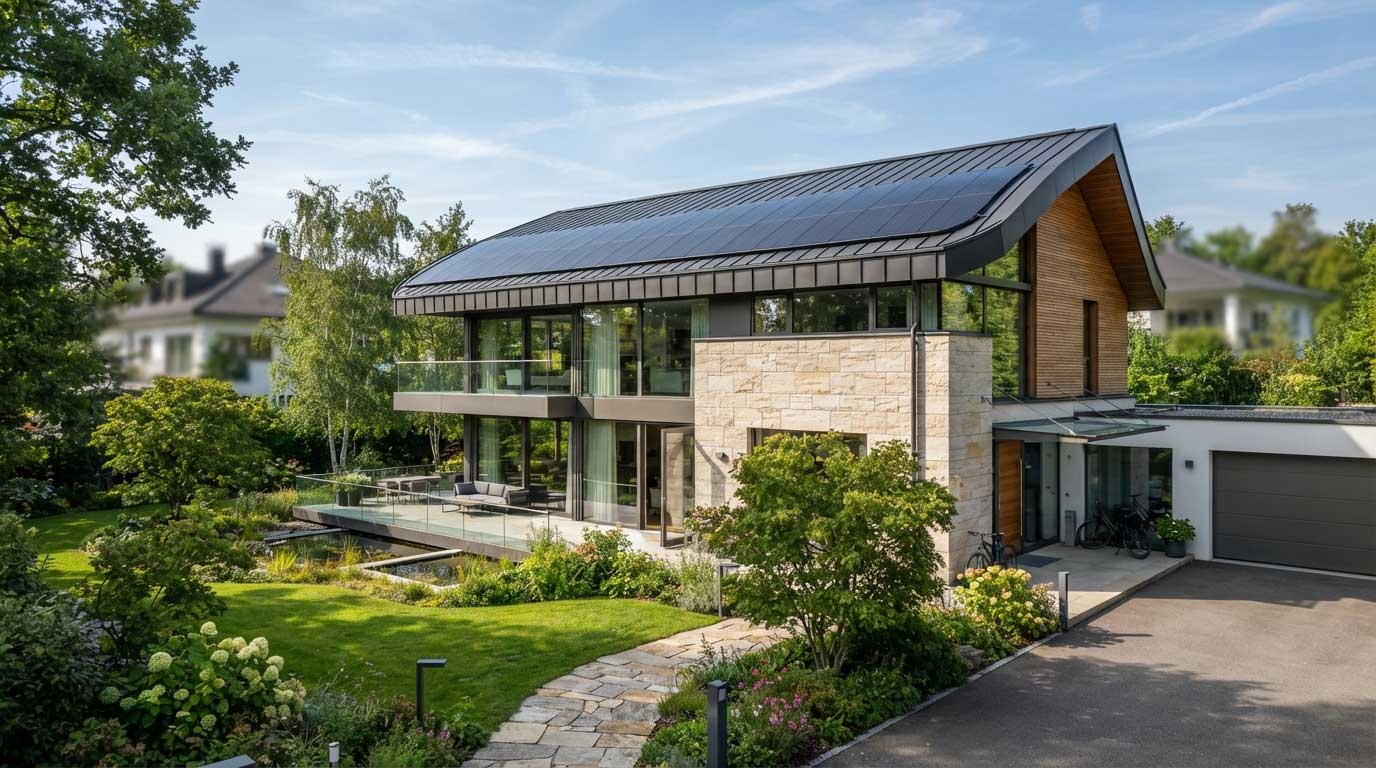
- Curved roofs
- Small roof sections
- Extensions
- Garages
- Balconies
- Outdoor structures
Flexible solar panels can adapt to more surfaces compared with rigid modules.
Possible applications:
| Residential Area | Solar Application |
|---|---|
| Main roof | Permanent solar generation |
| Garage roof | Additional energy production |
| Balcony structure | Small solar systems |
| Outdoor shelter | Auxiliary power |
| Tiny house | Compact energy solution |
How do flexible solar panels for home work?
The working principle is the same as traditional photovoltaic systems.
The process includes:
- Sunlight reaches solar cells
- Photovoltaic cells generate DC electricity
- Solar inverter converts DC into AC power
- Home appliances use generated electricity
The difference is the physical design.
Flexible solar panels focus on:
- Lower weight
- Easier integration
- More installation options
Solar energy conversion process
When sunlight hits the photovoltaic cells, electrons move and create electrical current.
The generated electricity can be used for:
- Lighting
- Appliances
- Home electronics
- Battery storage systems
- Electric vehicle charging support
A properly designed residential solar system can reduce dependence on grid electricity.
How much electricity can flexible solar panels for home generate?
Solar output depends on:
- Panel capacity
- Roof orientation
- Geographic location
- Weather conditions
- Installation angle
A simple calculation:
Daily Energy Output = Solar Capacity × Peak Sun Hours × System Efficiency
Example:
A 400W flexible solar panel:
400W × 5 peak sunlight hours × 80%
≈1.6kWh daily energy production
Actual results vary.
The U.S. Department of Energy Solar Energy Technologies Office explains that solar electricity production depends on factors including location, sunlight availability, system design, and equipment efficiency.
For residential users, solar sizing should be based on:
- Household electricity consumption
- Available installation area
- Future energy plans
Technical advantages of Bright Solar flexible solar panels for home
At Bright Solar, residential flexible solar products are developed around practical installation requirements.
A home solar panel must provide:
- Reliable performance
- Outdoor durability
- Easy integration
High-efficiency monocrystalline technology
Residential roof space is often limited.
High-efficiency solar cells allow homeowners to generate more electricity from smaller areas.
Advantages:
- Better energy density
- Compact design
- Improved space utilization
This is especially useful for:
- Small houses
- Urban homes
- Tiny houses
- Renovation projects
Durable ETFE surface protection
Home solar panels operate outdoors for years.
They must handle:
- Rain
- UV exposure
- Temperature changes
- Dust
ETFE coating provides:
- High transparency
- UV resistance
- Scratch resistance
- Weather durability
This makes flexible solar panels suitable for long-term outdoor residential applications.
Better visual integration with modern homes
Many homeowners hesitate to install solar because they worry about appearance.
Flexible solar panels offer:
- Low-profile installation
- Cleaner appearance
- Better integration with modern architecture
For premium homes, appearance can be as important as energy savings.
Real application case: Flexible solar panels for home renovation project
Bright Solar worked with a European homeowner who wanted to add solar energy to a renovated house.
The property had:
- A lightweight roof structure
- Limited installation area
- Strict appearance requirements
Traditional solar panels created concerns about:
- Additional roof weight
- Visual impact
- Complex mounting
The flexible solar solution provided a better match.
The homeowner installed a lightweight solar system to support:
- Household electronics
- Lighting
- Backup battery charging
The project demonstrated an important point:
Residential solar success depends on adapting technology to the building, not forcing every house into the same installation model.
Applications of flexible solar panels for home
Residential rooftop solar systems
Flexible panels can be used for homeowners who need:
- Lightweight solutions
- Alternative roof installation
- Better architectural integration
Balcony solar systems
Urban homeowners often have limited space.
Flexible panels can support:
- Small energy systems
- Apartment balconies
- Outdoor areas
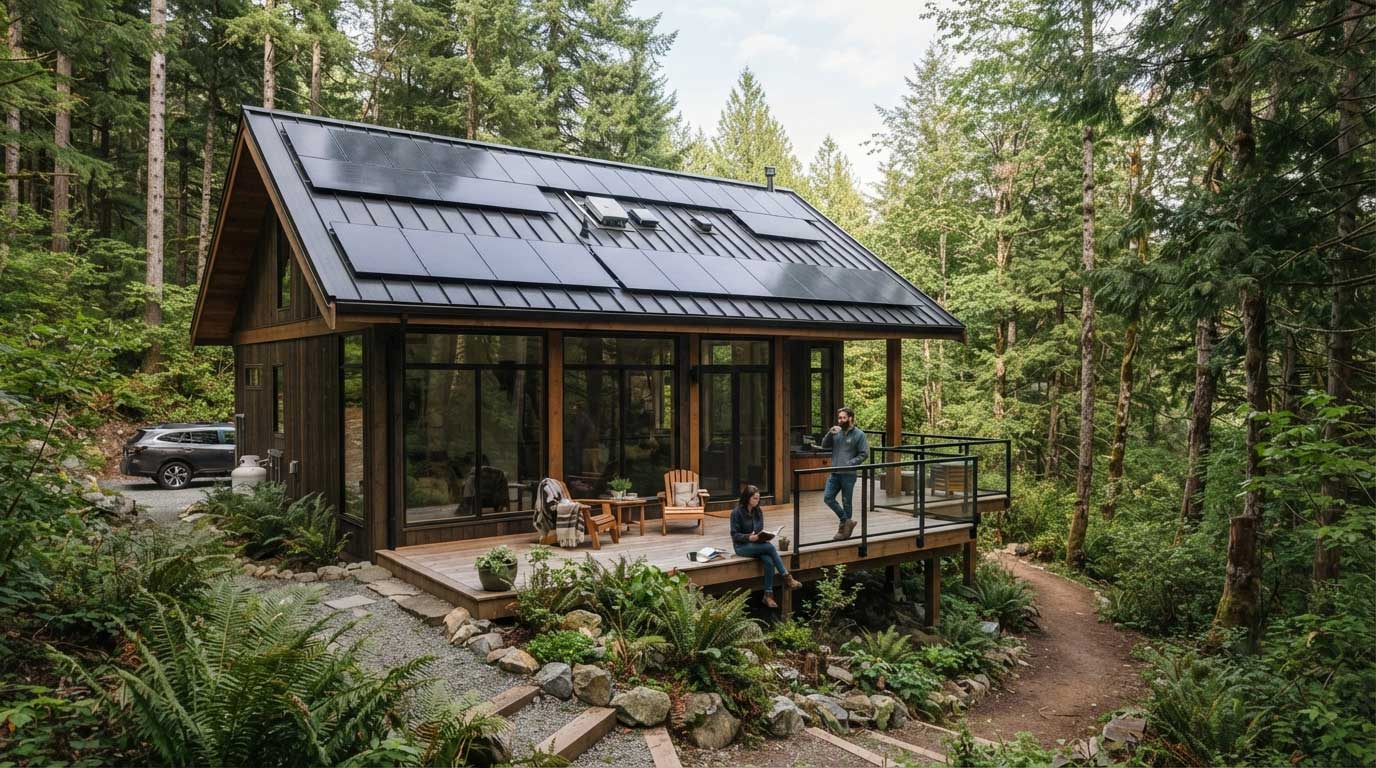
Tiny houses and off-grid homes
Tiny houses require efficient use of space.
Flexible solar panels provide:
- Lightweight energy generation
- Easy transportation
- Compact installation
How to install flexible solar panels for home?
Installing flexible solar panels for home requires proper planning to ensure long-term performance. Although flexible modules are lighter and easier to handle than traditional framed panels, installation quality still determines system reliability.
At Bright Solar, we have observed that most residential solar problems happen because homeowners focus only on the panel installation and ignore the complete system design.
A reliable home solar installation should consider:
- Mounting method
- Roof condition
- Electrical connection
- Weather protection
- Maintenance access
Step 1: Evaluate the installation area
Before installing flexible solar panels, inspect the available surface.
Important factors include:
| Factor | Why It Matters |
|---|---|
| Sun exposure | Determines energy production |
| Roof direction | Affects solar efficiency |
| Shading | Reduces output |
| Surface condition | Influences installation reliability |
| Cable route | Simplifies electrical connection |
The best location usually receives direct sunlight for most of the day.
Avoid areas affected by:
- Trees
- Chimneys
- Ventilation equipment
- Neighboring buildings
A small shadow can significantly affect solar output because photovoltaic cells are connected in electrical circuits.
Step 2: Prepare the roof surface
For adhesive installation, preparation is one of the most important steps.
Recommended process:
Surface cleaning
Remove:
- Dust
- Dirt
- Oil
- Moisture
Position testing
Before permanent attachment:
- Place the panel temporarily
- Confirm alignment
- Check cable direction
Secure installation
Use suitable materials designed for outdoor solar applications.
The goal is to create a stable connection that can withstand:
- Wind
- Rain
- Temperature expansion
- Seasonal changes
Step 3: Connect the electrical system
A residential flexible solar system normally includes:
Flexible Solar Panels → Solar Controller/Inverter → Home Electrical System → Appliances
Main components:
| Component | Purpose |
|---|---|
| Solar panel | Generates DC electricity |
| Inverter | Converts DC to AC power |
| Battery storage | Stores excess electricity |
| Monitoring system | Tracks performance |
| Protection devices | Improve safety |
For homeowners considering energy independence, adding battery storage can provide backup power during outages.
Flexible solar panels for home vs traditional solar panels
Both technologies generate electricity from sunlight, but their installation characteristics are different.
| Feature | Flexible Solar Panels | Traditional Solar Panels |
|---|---|---|
| Weight | Lightweight | Heavier |
| Surface | Adaptable | Requires flat mounting |
| Installation | Easier on special surfaces | Requires mounting structure |
| Appearance | Low profile | More visible |
| Best use | Unique residential applications | Standard rooftops |
Neither technology is suitable for every situation.
Traditional panels remain popular for large rooftop systems because of their established performance.
Flexible solar panels are valuable when installation limitations exist.
How much do flexible solar panels for home cost?
The cost of flexible solar panels for home depends on several factors:
- Panel power rating
- Solar cell quality
- Protective materials
- Installation requirements
- System size
Typical pricing:
| System Type | Estimated Cost |
|---|---|
| Small flexible solar panel system | $200–$500 |
| Medium residential flexible system | $800–$2,000 |
| Complete solar installation | Depends on capacity |
Flexible solar panels usually have a higher cost per watt compared with standard rigid panels because they require specialized materials and manufacturing processes.
However, homeowners may save installation costs when:
- Structural reinforcement is unnecessary
- Mounting hardware is reduced
- Installation time is shorter
According to the Solar Energy Industries Association (SEIA), residential solar costs depend on system size, equipment selection, installation conditions, and market factors.
How Bright Solar develops flexible solar panels for home
Bright Solar focuses on creating solar products that solve practical installation challenges.
Residential customers usually do not need only a solar module.
They need a complete solution.
Our development process considers:
- Material selection
- Solar efficiency
- Weather resistance
- Installation requirements
- Customer application scenarios
Engineering flexible solar products for real environments
A laboratory test cannot represent every real home condition.
Residential solar panels may experience:
- Summer heat
- Winter cold
- Heavy rain
- Strong sunlight
- Long-term outdoor exposure
Therefore, product design must consider daily usage conditions.
Customized solar solutions
Different residential projects have different requirements.
Bright Solar can provide customized options including:
- Panel dimensions
- Cable length
- Connector selection
- Power output
- Surface materials
This is useful for:
- Architects
- Tiny house manufacturers
- Residential energy companies
- Custom home builders
How to choose the best flexible solar panels for home?
Before purchasing, homeowners should evaluate several factors.
1. Check solar panel efficiency
Higher efficiency allows more electricity generation from limited space.
Consider:
- Cell technology
- Panel dimensions
- Available installation area
For homes with limited roof space, efficiency becomes more important.
2. Evaluate durability
Residential solar systems are long-term investments.
Choose panels with:
- UV-resistant materials
- Weather protection
- Reliable electrical components
A solar panel should continue working through:
- Rainy seasons
- Hot summers
- Temperature changes
3. Match the system with household energy needs
Calculate:
- Daily electricity consumption
- Future energy requirements
- Battery storage plans
Examples:
Small home:
- Lighting
- Electronics
- Small appliances
Large home:
- HVAC systems
- Electric vehicles
- High-power appliances
Solar capacity should match actual consumption.
FAQ About flexible solar panels for home
Are flexible solar panels suitable for houses?
Yes. Flexible solar panels are suitable for homes where lightweight design, installation flexibility, or unique roof conditions are important.
Can flexible solar panels replace traditional rooftop solar panels?
They can replace traditional panels in some applications, especially where weight and installation limitations exist. However, large standard rooftops may still benefit from traditional modules.
Are flexible solar panels waterproof?
Quality flexible solar panels are designed for outdoor environments and typically include protective layers against moisture and weather exposure.
How long do flexible solar panels for home last?
Lifespan depends on product quality, materials, installation method, and environmental conditions. Properly designed panels can provide many years of outdoor solar generation.
Can flexible solar panels work in cloudy weather?
Yes. They can still generate electricity during cloudy conditions, but output will decrease because sunlight intensity is lower.
Do flexible solar panels need a solar inverter?
Yes. Most residential systems require an inverter to convert DC electricity generated by solar panels into usable AC electricity.
Can flexible solar panels be installed on curved roofs?
Yes. Their flexible structure makes them suitable for curved surfaces where rigid panels may not fit.
Conclusion: Are flexible solar panels for home a smart choice?
Flexible solar panels for home provide homeowners with a lightweight, adaptable, and modern approach to residential solar energy.
They are especially valuable for houses with:
- Unique roof designs
- Weight limitations
- Appearance requirements
- Off-grid energy needs
At Bright Solar, we believe residential solar should adapt to different lifestyles instead of forcing every home into one standard installation method.
The future of home solar is not only about producing electricity. It is also about creating solutions that fit buildings, environments, and people’s daily lives.
With flexible design, durable materials, and practical installation options, flexible solar panels for home are becoming an important choice for modern renewable energy systems.
Related recommendations
-

300 W Solar Panel Performance Guide for RV, Battery and Off-Grid Systems
332Discover how a 300 w solar panel performs for RVs, boats, cabins, batteries, and off-grid systems. Learn output, applications, sizing, and real-world performance.
View details -
Flexible 300W Solar Panel: Output, Uses and Installation Guide
179A flexible 300W solar panel can suit selected RV, marine, and off-grid systems, but actual energy output depends on sunlight, temperature, shading, orientati...
View details -
450 Watt Solar Panel Performance and Applications Guide
246Discover how a 450 watt solar panel delivers reliable power for RVs, homes, marine and off-grid systems. Learn output, efficiency and installation tips.
View details -
Solar Powered Battery Charger for Boat: Complete Marine Guide
229A solar powered battery charger for boat use combines solar panels, a matched charge controller, battery storage, marine-grade wiring, and protection to rech...
View details