How to Protect Solar Panels from Hail?
Direct Answer :
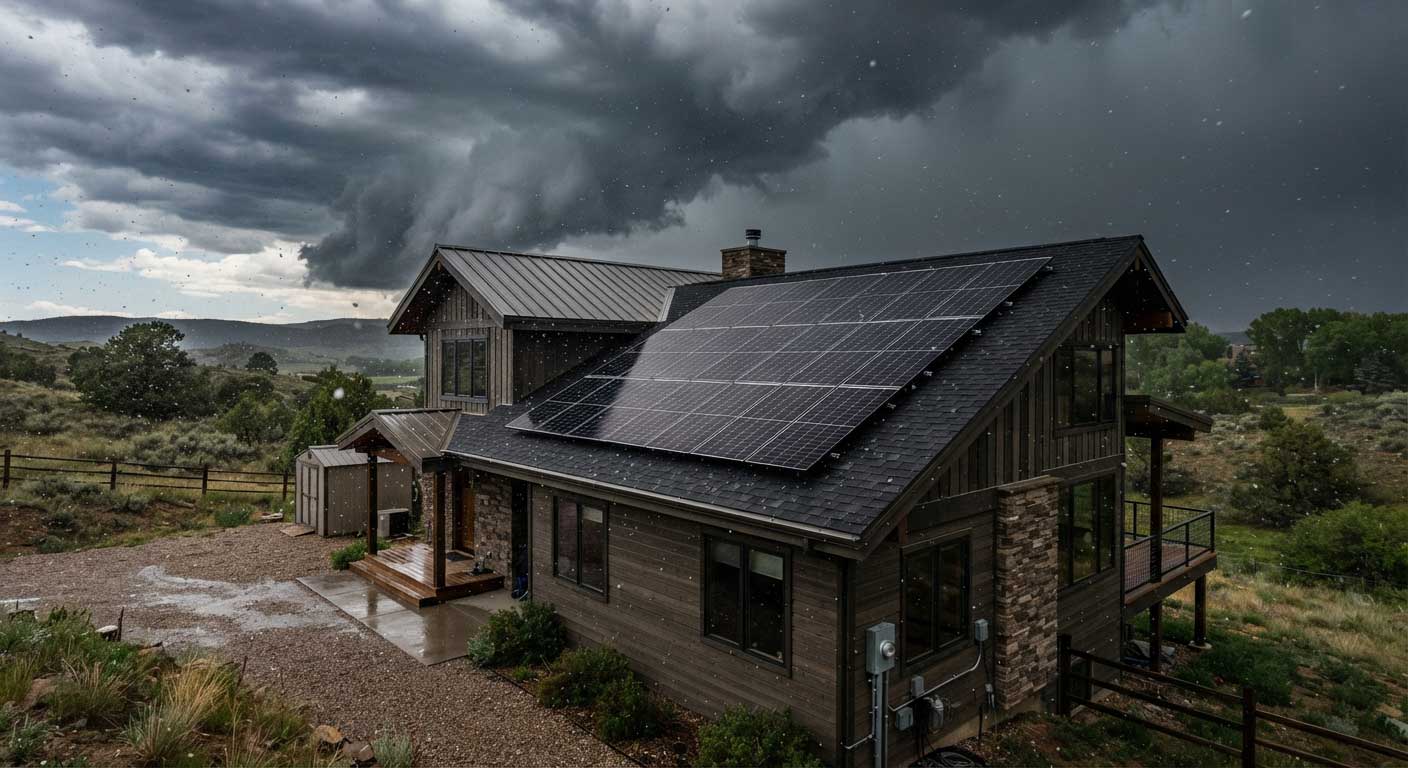
To protect solar panels from hail, choose durable modules with strong protective materials, install them at the correct angle, use impact-resistant designs, and perform regular inspections after storms. Proper mounting, tempered glass protection, and high-quality solar panel selection can significantly reduce hail damage risks for residential, RV, and commercial solar systems.
Solar panels are designed to survive outdoor conditions, but severe hailstorms remain one of the weather risks installers consider during system design. At Bright Solar, our experience with flexible and lightweight solar modules for RVs, marine applications, and off-grid systems shows that protection starts before installation, not after damage occurs.
A common mistake is focusing only on panel surface strength while ignoring mounting angle, roof location, and local weather patterns. In real installations, a well-positioned panel with suitable materials often performs better during storms than a poorly installed panel using stronger components.
Why Hail Can Damage Solar Panels
Hail damage usually happens when ice particles strike the panel surface at high speed. The impact may create:
- Cracks in the protective layer
- Microcracks inside solar cells
- Damaged connectors or junction boxes
- Reduced energy output
- Water penetration risks
Most modern photovoltaic modules are tested for hail resistance. According to the International Electrotechnical Commission standard IEC 61215, photovoltaic modules undergo mechanical stress and hail impact testing as part of qualification procedures.
Source: International Electrotechnical Commission IEC 61215 Photovoltaic Module Standards
The testing typically evaluates whether modules can withstand impacts from simulated hailstones under controlled conditions. However, real storms vary significantly. Hail size, wind speed, impact angle, and installation environment all influence actual damage.
Choose Hail-Resistant Solar Panels Before Installation
The first step in how to protect solar panels from hail is selecting the right solar module.
Important features include:
| Feature | Why It Matters |
|---|---|
| Tempered glass or protective ETFE layer | Helps resist surface impact |
| Strong encapsulation materials | Protects internal solar cells |
| Quality frame or flexible structure | Improves durability |
| Certified testing | Confirms basic impact performance |
For rigid solar panels, tempered glass is commonly used because it provides a hard protective surface. For flexible solar panels, manufacturers often use advanced polymer layers such as ETFE films.
Bright Solar flexible solar panels are designed for applications where weight reduction and durability are important, including RV roofs, boats, and curved surfaces where traditional glass panels may not be practical.
Flexible does not mean fragile. However, flexible panels are not designed to absorb unlimited impact from extreme hail events. Correct product selection should match the installation environment.
Install Solar Panels at the Best Angle to Reduce Hail Impact
Panel installation angle affects how hail hits the surface.
A flat-mounted panel receives direct impact from falling hail. A tilted panel can reduce the direct force because hail may strike at an angle and slide away.
Recommended considerations:
- Avoid unnecessary flat mounting when possible
- Follow roof structure limitations
- Consider local weather conditions
- Ensure mounting hardware remains secure
The National Renewable Energy Laboratory notes that photovoltaic performance is influenced by installation orientation, tilt angle, environmental conditions, and system design.
Source: National Renewable Energy Laboratory PVWatts Calculator
For RV solar systems, installation is more complicated because roof space is limited. Air conditioners, vents, and roof accessories can affect available mounting locations. Experienced installers usually prioritize both energy production and physical protection.
Additional Ways to Protect Solar Panels from Hail Storms
Beyond choosing durable panels, several practical methods can reduce storm-related risks.
Use Protective Solar Panel Covers During Severe Storms
Temporary protective covers can help in specific situations, especially for:
- Portable solar panels
- Camping solar setups
- Seasonal installations
However, permanent rooftop solar systems usually cannot be covered quickly before every storm.
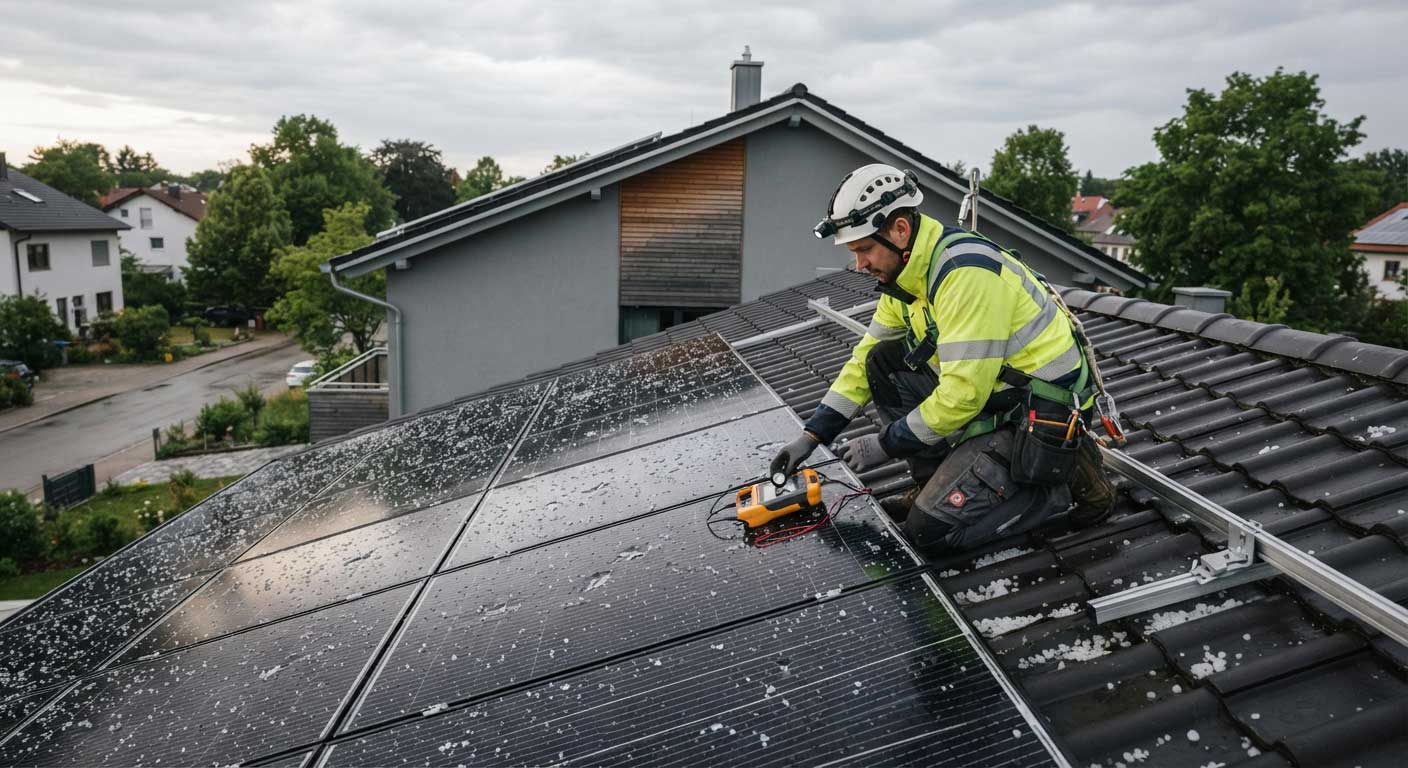
Perform Regular Solar Panel Inspections After Hail
After a major hailstorm, check:
- Visible cracks
- Loose mounting brackets
- Damaged cables
- Reduced power production
- Water marks near electrical connections
Small cracks may not be visible from the ground. Monitoring system performance can reveal unusual production drops after extreme weather.
Consider Solar Panel Insurance Coverage
For homeowners and commercial users, insurance can provide financial protection against severe weather events.
Coverage depends on:
- Location
- Policy terms
- System type
- Installation conditions
Before installing solar, check whether hail damage is included in your existing property or equipment insurance.
How Much Hail Can Solar Panels Handle?
Solar panel durability depends on module design and storm intensity.
Typical factors affecting hail resistance:
| Factor | Impact |
|---|---|
| Hailstone diameter | Larger hail creates stronger impact |
| Wind speed | Increases impact force |
| Panel material | Determines surface resistance |
| Installation angle | Changes impact direction |
According to the National Oceanic and Atmospheric Administration, hail size is one of the main factors used to classify severe thunderstorms because larger hail can cause significant property damage.
Source: National Oceanic and Atmospheric Administration Severe Weather Information
Solar panels are built for outdoor exposure, but extreme hail events can exceed normal design conditions. The goal is not to make panels completely immune to hail, but to reduce risk through better engineering choices.
Practical Hail Protection Strategies for Different Solar Applications
The best way to protect solar panels from hail depends on where the system is installed. A rooftop solar array, RV solar setup, and portable solar panel face different weather challenges.
At Bright Solar, flexible solar panels are commonly used in mobile and space-limited applications. During project discussions, customers often focus on weight and flexibility first, but long-term outdoor durability is equally important. A panel installed on a moving vehicle experiences vibration, temperature changes, wind exposure, and occasional severe weather.
Protecting RV and Marine Solar Panels From Hail
RV and boat solar installations require additional planning because they operate in changing environments.
Recommended practices include:
- Choose lightweight but durable solar modules
- Secure panels with reliable mounting methods
- Inspect adhesive and brackets regularly
- Avoid installing panels where objects can impact the surface
- Monitor output after severe storms
For RV owners, flexible solar panels are often selected because they fit curved roofs and reduce overall vehicle weight. However, installation quality has a direct effect on durability.
A flexible panel attached to an uneven surface or exposed edge may experience unnecessary mechanical stress. Proper surface preparation, suitable adhesives, and professional installation methods help maintain long-term performance.Learn more about the Flexible Solar Panel Installation Guide
What To Do After a Hailstorm Hits Solar Panels
A hailstorm does not always create obvious damage immediately. Some problems appear weeks later through reduced electricity production.
After a severe storm, follow this inspection process:
| Inspection Step | What to Check |
|---|---|
| Visual inspection | Cracks, chips, damaged surfaces |
| Electrical check | Unusual voltage or output changes |
| Mounting inspection | Loose brackets or movement |
| Cable inspection | Cuts, exposed wires, moisture |
| Performance monitoring | Lower-than-normal generation |
Avoid walking directly on solar panels during inspection unless the module is specifically designed for that purpose.
For commercial systems, professional inspection equipment such as electroluminescence testing may identify internal solar cell damage that cannot be seen from the surface.
Can Hail Damage Flexible Solar Panels?
Flexible solar panels can withstand many outdoor conditions, but hail resistance depends on the panel construction, protective layers, and installation method.
Compared with traditional glass solar panels:
| Flexible Solar Panels | Rigid Solar Panels |
|---|---|
| Lightweight structure | Heavier construction |
| Suitable for curved surfaces | Requires flat mounting |
| Easier for mobile applications | Common for rooftops |
| Uses polymer protective layers | Usually uses glass surface |
Bright Solar flexible solar panels use lightweight construction designed for applications such as RVs, boats, and off-grid systems where traditional rigid panels may not fit.
The important point is that flexibility improves installation possibilities, but it does not eliminate the need for proper product selection and storm planning.
Common Mistakes That Increase Solar Panel Hail Damage Risk
Some installation decisions unintentionally increase exposure.
Installing Low-Quality Panels to Reduce Initial Cost
Cheap panels may appear attractive, but reduced material quality can affect:
- Weather resistance
- Encapsulation durability
- Long-term reliability
Solar panels are outdoor equipment expected to operate for decades, so material quality matters.
Ignoring Local Weather Conditions
Solar design should consider regional climate.
Areas with frequent hailstorms may require:
- Stronger mounting systems
- Higher-quality modules
- Better maintenance planning
- Insurance consideration
A solar system designed for Arizona desert conditions may not use the same approach as one installed in Colorado hail-prone regions.
Forgetting Post-Storm Performance Checks
A system may continue operating after hail damage while producing less power.
Useful checks include:
- Comparing current output with historical production
- Reviewing inverter alerts
- Checking monitoring software data
- Scheduling professional inspection if output drops
FAQ About Protecting Solar Panels From Hail
Can hail break solar panels?
Yes, extremely large hail combined with strong wind can damage solar panels. However, quality photovoltaic modules are tested for impact resistance and designed for outdoor conditions.
Are flexible solar panels more vulnerable to hail?
Not necessarily. Flexible solar panels use different protective materials than glass panels. Their durability depends on construction quality, protective layers, and installation methods.
Should I cover my solar panels during a hailstorm?
For portable solar panels, temporary covers can help. For permanent rooftop systems, covering panels before every storm is usually impractical.
How can I know if hail damaged my solar panels?
Look for visible cracks, damaged surfaces, loose connections, and reduced energy production. Monitoring system output is often the fastest way to identify hidden issues.
Does solar panel insurance cover hail damage?
Coverage depends on your insurance policy. Homeowners and commercial users should confirm whether storm-related solar damage is included.
What solar panels are best for hail-prone areas?
Panels with strong protective materials, certified testing, and suitable installation methods are better choices for areas with frequent severe weather.
Final Thoughts: Building a More Hail-Resistant Solar System
Learning how to protect solar panels from hail is mainly about reducing risk through better design decisions. Solar panels are built for outdoor environments, but installation quality, material selection, and maintenance determine how well a system performs after extreme weather.
For homeowners, RV users, and off-grid applications, choosing durable solar products and installing them correctly can improve reliability over the long term.
Bright Solar focuses on flexible solar solutions designed for real-world environments where weight, installation flexibility, and outdoor durability are important factors.
A solar panel system should not only generate electricity on sunny days — it should also be prepared for the weather conditions it will face throughout its operating life.
The prev: How to Connect Solar Panels in Parallel?The next: What a Solar Panel Is Made Of?
Related recommendations
-

How to Dispose of Solar Panels?
250Learn how to dispose of solar panels safely, recycle old photovoltaic modules, reduce solar energy waste, and understand solar panel recycling options.
View details -
How Much Is Solar Panels for a House?
140How much is solar panels for a house? Discover home solar panel prices, installation costs, key factors, and expert insights from Bright Solar.
View details -
what is a solar panel made of?
247what is a solar panel made of? Explore the silicon cells, glass, aluminum frame, encapsulants, backsheet, copper, and other materials inside modern PV modules.
View details -
What will a 100 watt solar panel power?
193What will a 100 watt solar panel power? Learn what devices a 100W solar panel can operate, daily energy output, and practical off-grid applications with Bright Solar.
View details