What Are the Best Solar Panels?
What Are the Best Solar Panels?
The best solar panels combine high efficiency, long warranties, low degradation rates, and proven field performance. Premium monocrystalline panels lead residential installations, while lightweight flexible panels are often the best choice for RV, marine, and portable applications.
A homeowner once asked me this question while standing beside a newly installed array in Arizona.
He pointed at twelve black modules covering his roof.
“Are these the best solar panels?”
The installer hesitated.
Because the truth is uncomfortable: the best panel for a suburban house may be completely wrong for a camper van, a sailboat, or an off-grid cabin.
After inspecting hundreds of installations, I rarely answer this question with a brand name.
I usually answer it with another question.
Best for what?
What Makes a Solar Panel the Best?
Solar panels are often compared by efficiency alone.
That is only part of the story.
The best solar panels usually offer:
- High conversion efficiency.
- Low annual degradation.
- Long product warranties.
- Strong temperature performance.
- Reliable manufacturing quality.
- Proven field durability.
According to the U.S. Department of Energy, solar panel performance depends on both technology and installation conditions.
Source:
https://www.energy.gov/eere/solar
A panel that performs exceptionally in Arizona may behave differently in coastal climates.
The roof matters.
The weather matters.
The application matters.
Key Factors That Separate Premium Panels
Efficiency
Modern premium panels commonly exceed 22% efficiency.
Higher efficiency allows more electricity from limited roof space.
Degradation Rate
Solar panels slowly lose output over time.
Many premium products guarantee approximately 85% to 90% output after 25 years.
Warranty Coverage
Product warranties generally range from:
- 12 years.
- 25 years.
- 30 years.
Long warranties often reflect manufacturer confidence.
Temperature Performance
Panels become hot during operation.
Lower temperature coefficients help maintain output during summer.
The National Renewable Energy Laboratory regularly studies photovoltaic performance under varying environmental conditions.
Source:
Monocrystalline Panels Remain the Industry Standard
Today, monocrystalline technology dominates residential installations.
Advantages include:
- Higher efficiency.
- Better appearance.
- Improved low-light performance.
- Longer service life.
Typical efficiency ranges:
| Panel Type | Efficiency |
|---|---|
| Monocrystalline | 20–23% |
| Polycrystalline | 15–18% |
| Flexible Panels | 18–23% |
Polycrystalline panels still exist, but their market share continues shrinking.
Most installers I meet rarely recommend them today.
Best Solar Panels for Different Applications
The “best” panel changes according to usage.
| Application | Recommended Type |
|---|---|
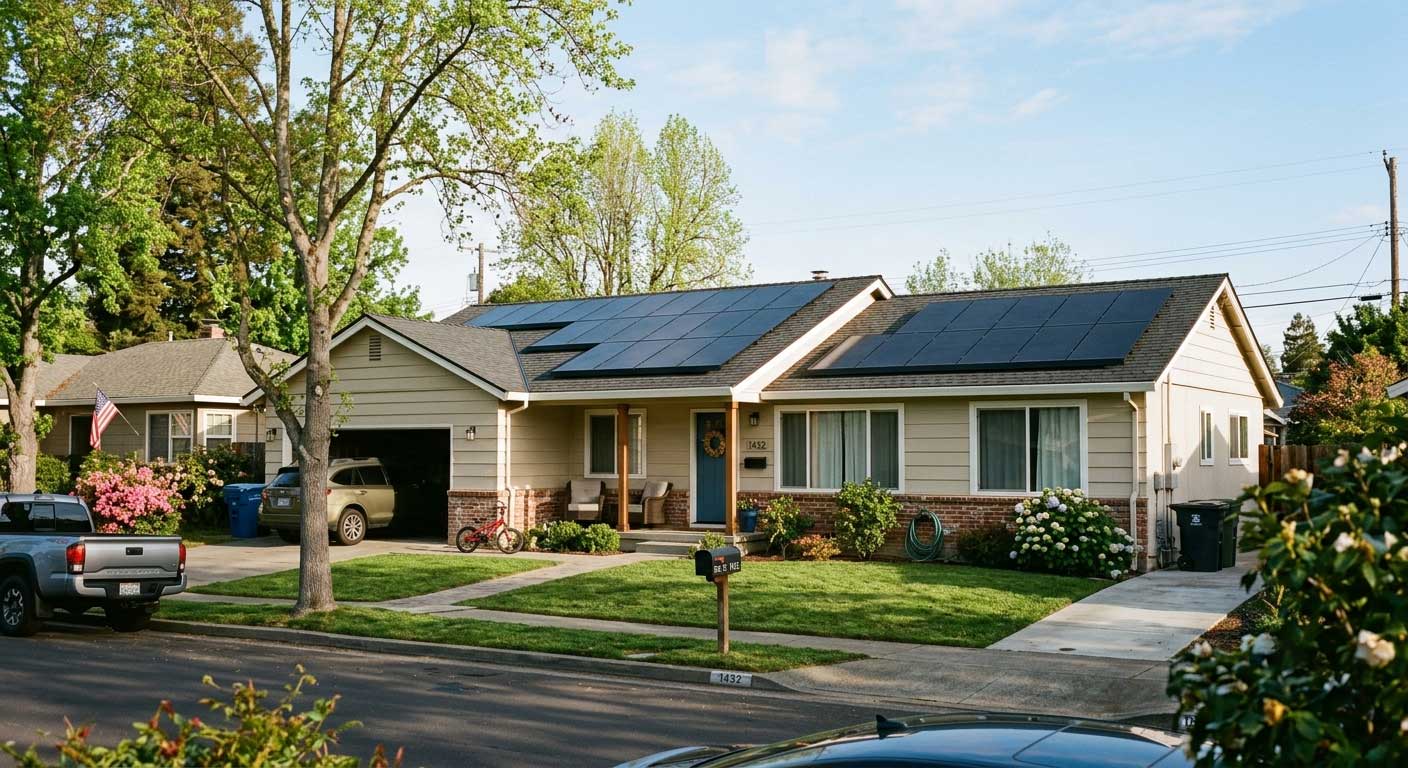
| Residential homes | High-efficiency monocrystalline |
| Commercial buildings | Large-format modules |
| RV systems | Flexible solar panels |
| Marine applications | ETFE flexible panels |
| Portable systems | Foldable solar panels |
| Off-grid cabins | High-output monocrystalline |
A boat owner once rejected a premium rigid panel because it weighed too much.
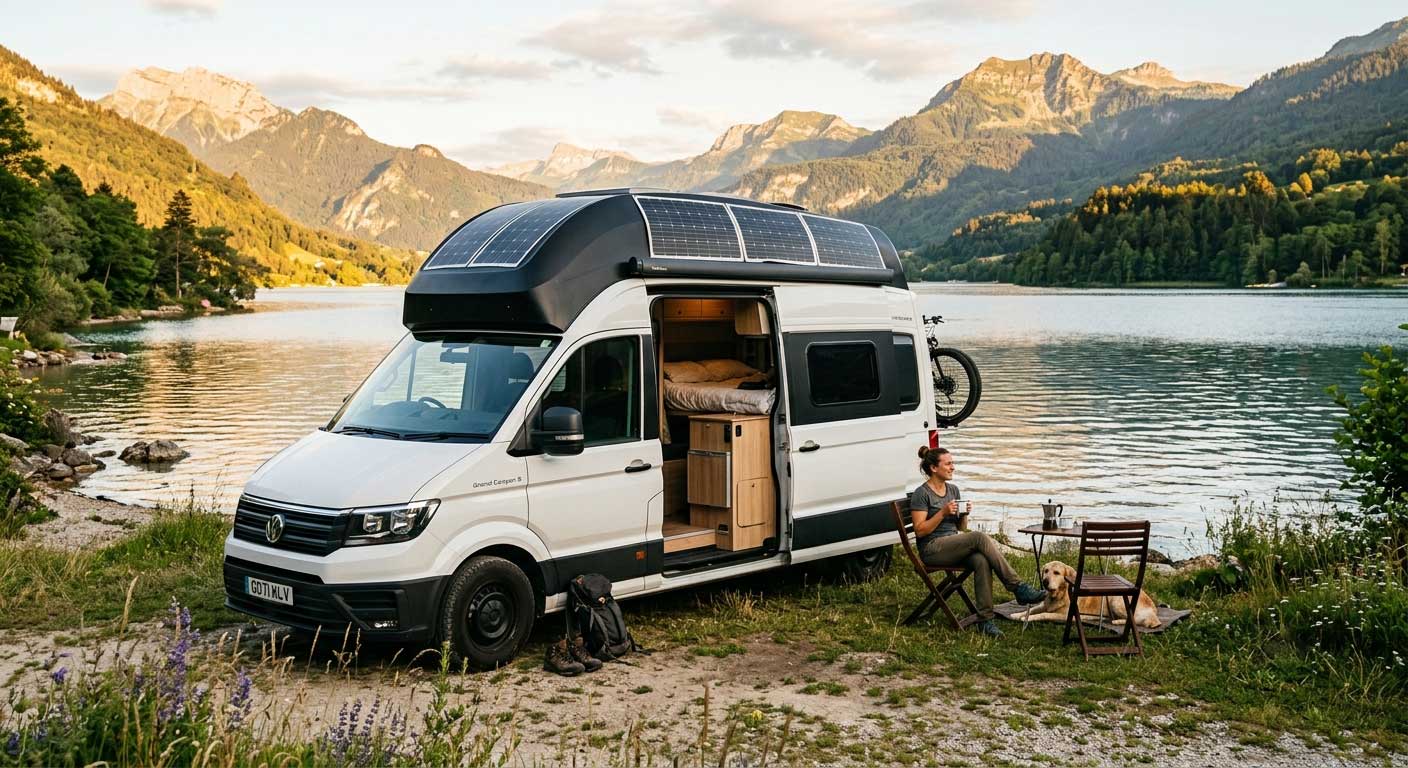
A camper owner chose flexible panels because his fiberglass roof could not support additional load.
Neither customer made the wrong decision.
They simply had different roofs.
Flexible Solar Panels Are Changing the Market
Flexible solar panels have improved significantly during the past decade.
Their advantages include:
- Lightweight design.
- Curved surface installation.
- Lower structural load.
- Easier transportation.
At Bright Solar, many RV builders choose flexible panels because weight restrictions often matter more than absolute efficiency.
One van conversion customer removed nearly 90 pounds from his roof by switching technologies.
The performance difference was small.
The driving experience improved immediately.
Flexible vs Rigid Panels
| Feature | Rigid Panels | Flexible Panels |
|---|---|---|
| Weight | Higher | Lower |
| Curved Roofs | Limited | Excellent |
| Installation | Mounting brackets | Adhesives or screws |
| Portability | Low | High |
| RV Applications | Good | Excellent |
Visit product page:Flexible Solar Panel
Efficiency Is Not Everything
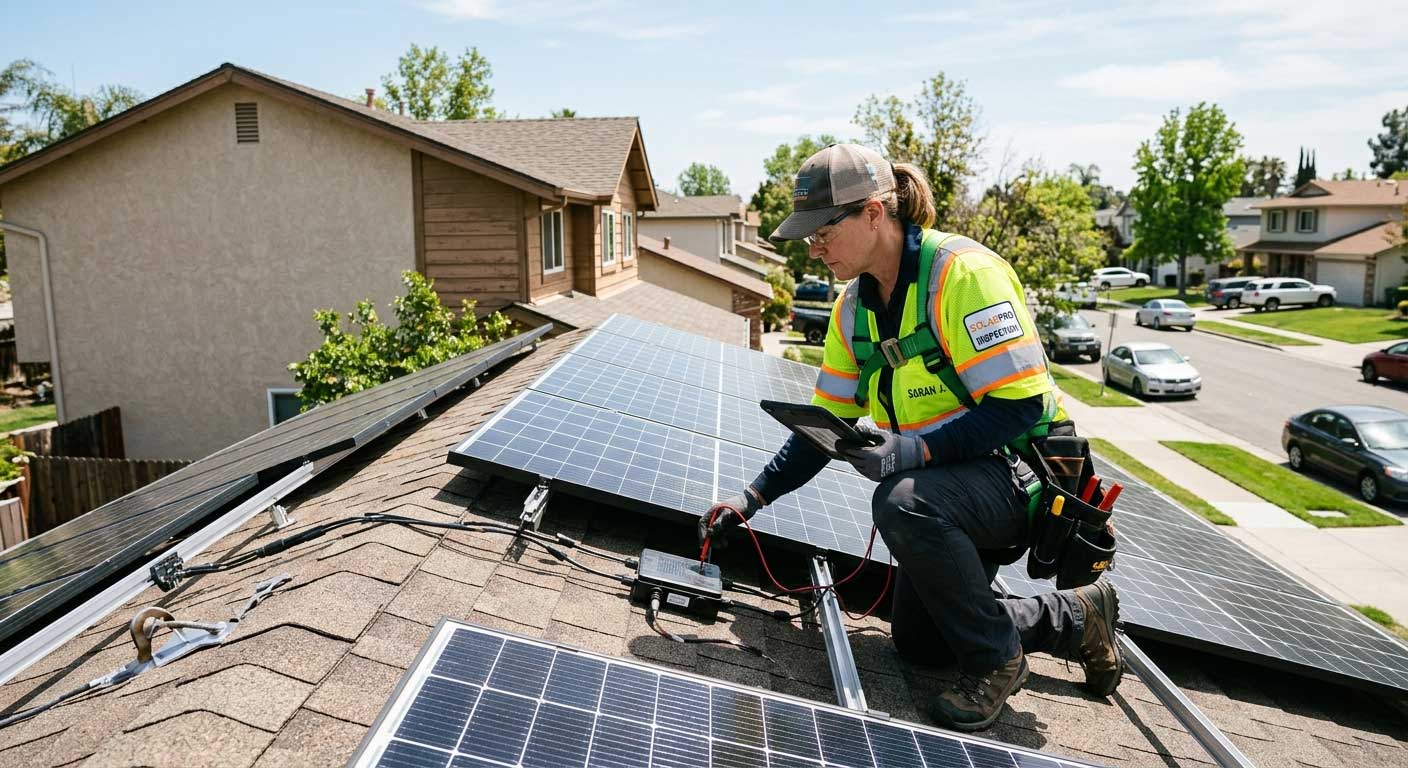
During one inspection in southern California, I saw a premium 23% efficient panel partially shaded by a chimney.
Beside it sat a slightly less efficient panel receiving full sunlight.
The cheaper panel produced more electricity.
Numbers on a specification sheet rarely tell the entire story.
According to the Solar Energy Industries Association, system design and installation quality strongly affect performance.
Source:
A perfect panel installed poorly is still a poor system.
Industry Trends for 2026
The International Energy Agency reports continued improvements in solar efficiency and manufacturing technology.
Source:
Several trends are emerging:
- Larger cells.
- Higher efficiencies.
- Better warranties.
- Reduced degradation.
- Improved flexible technology.
Installers increasingly focus on long-term performance rather than maximum efficiency.
One veteran installer told me:
“I’d rather install a reliable 21% panel than a complicated 24% panel.”
His crews install thousands of modules every year.
Experience changes priorities.
Author Experience
Michael Turner has spent more than twelve years inspecting photovoltaic systems, evaluating residential installations, testing flexible solar panels, and studying long-term solar performance.
Professional experience includes:
- Residential solar inspections.
- RV solar evaluations.
- Marine solar testing.
- Flexible panel analysis.
- Commercial rooftop assessments.
Many examples in this article originate from actual site visits, installation reviews, and customer consultations.
FAQ About What Are the Best Solar Panels?
What are the best solar panels for homes?
High-efficiency monocrystalline panels generally offer the best residential performance.
Are expensive solar panels worth it?
Premium panels often provide longer warranties, lower degradation, and better long-term performance.
What are the best solar panels for RVs?
Flexible solar panels are frequently the preferred option for RV applications.
Which solar panels last the longest?
Premium monocrystalline panels commonly carry 25- to 30-year performance warranties.
Does higher efficiency always mean better?
No. Installation quality, shading, roof orientation, and climate often influence performance more than efficiency alone.
Final Thoughts
People searching what are the best solar panels often expect a simple ranking.
After years on rooftops, I no longer believe such a list exists.
The best panel for a mountain cabin may fail on a sailboat.
The best RV panel may disappoint on a suburban home.
The best solar panel is rarely the one with the highest number on the brochure.
It is the panel that fits the roof, survives the weather, and quietly produces electricity for decades.
And sometimes, standing beside a roof at sunset, the best panel is simply the one that keeps working long after everyone has stopped talking about it.
The prev: How Much Will Solar Panels Cost?The next: How Much Solar Panels?
Related recommendations
-

how do flexible solar panels work?
275How do flexible solar panels work? Learn how lightweight bendable solar panels generate electricity, where they perform best, and what affects long-term efficiency.
View details -
How Much Is A Solar Panel For House?
189How much is a solar panel for house? Explore residential solar panel pricing, installation factors, equipment costs, and expert advice from Bright Solar.
View details -
how to use portable solar panels at home?
169Use portable solar panels at home with a compatible power station or battery system. Check voltage, current, polarity, input limits, and local electrical req...
View details -
what way should solar panels face?
131In the Northern Hemisphere, solar panels generally face true south; in the Southern Hemisphere, true north is usually preferred.
View details