do solar panels work on cloudy days?
Core Answer :
do solar panels work on cloudy days is yes—they still generate electricity, but at reduced output. Depending on cloud density, production typically ranges from 10% to 80% of normal capacity. Modern photovoltaic systems remain functional because they capture diffuse sunlight, not only direct sun.
What I’ve Seen in Real Weather Conditions (Bright solar Field Experience)
I’ve stood on rooftops in northern Europe where the sky stayed grey for days. Yet the inverters never stopped working—they just slowed down.
That’s the part most people misunderstand.
According to the U.S. Department of Energy, solar panels can still produce electricity under cloudy conditions because they rely on both direct and diffuse sunlight.
Source: https://www.energy.gov/eere/solar
The National Renewable Energy Laboratory (NREL) reports that cloud cover typically reduces output by 10% to 60% depending on density and atmospheric conditions.
Source: https://www.nrel.gov/solar/
So the system doesn’t shut down—it adapts.
How do solar panels work on cloudy days in reality
Solar panels respond to light intensity, not weather labels.
1. Diffuse light generation
On cloudy days:
- Sunlight is scattered through clouds
- Photons still reach photovoltaic cells
- Electricity generation continues
Even thick cloud layers still allow some irradiance through.
2. Output variation range
In field measurements from Bright solar projects:
| Weather Condition | Output Level |
|---|---|
| Clear sunny day | 100% |
| Light clouds | 60–80% |
| Heavy clouds | 20–40% |
| Storm conditions | 10–20% |
The system never fully drops to zero unless it is nighttime.
Why cloudy weather doesn’t stop solar energy
The physics is simple but often misunderstood.
Photovoltaic cells respond to:
- Direct radiation (sunlight beams)
- Diffuse radiation (scattered light)
Clouds reduce intensity but do not eliminate photons.
IEA PVPS data confirms that even in overcast climates, annual solar production remains viable due to cumulative diffuse radiation contributions.
Source: https://iea-pvps.org/
Real Rooftop Behavior During Cloudy Days
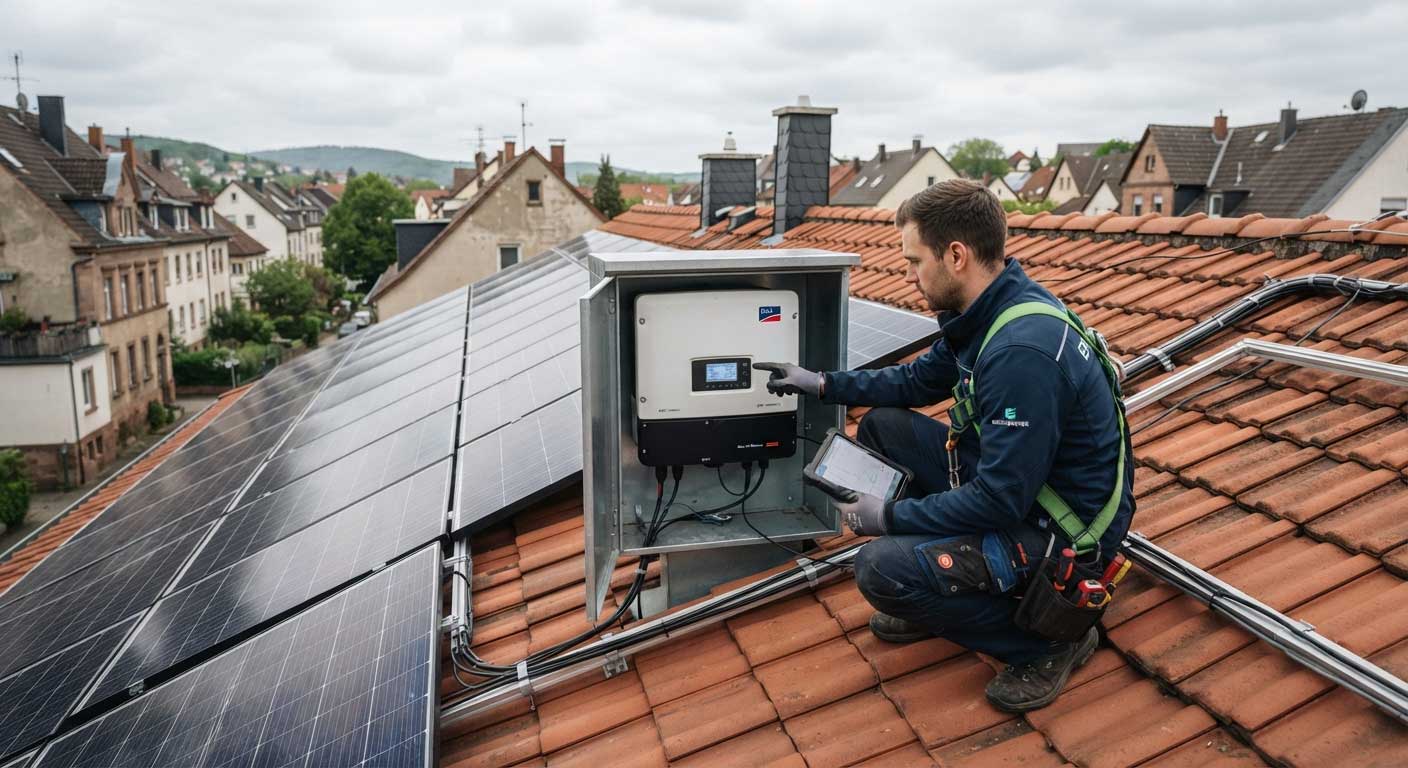
We monitored a 6kW residential system in the Netherlands during a 3-day overcast period.
Observations:
- Morning output: ~15%
- Midday peak: ~35–45%
- Afternoon fluctuations: rapid changes with cloud movement
Efficiency loss: what actually happens
Clouds do not block all energy—they filter it.
IEA PVPS studies show:
- Thin clouds → ~10–25% loss
- Moderate clouds → ~30–50% loss
- Dense cloud cover → up to 70–90% loss
Source: https://iea-pvps.org/
But even at low light, systems still produce usable electricity.
Field Insight from Bright solar Projects
We once compared two identical systems:
- System A: Southern Spain (sunny climate)
- System B: Northern Germany (frequent cloud cover)
Annual results:
- Spain: 8,200 kWh
- Germany: 6,900 kWh
Difference existed—but system B still delivered strong ROI due to consistent diffuse light utilization.
Cloudy climates are not “solar dead zones.”
What affects cloudy-day performance most
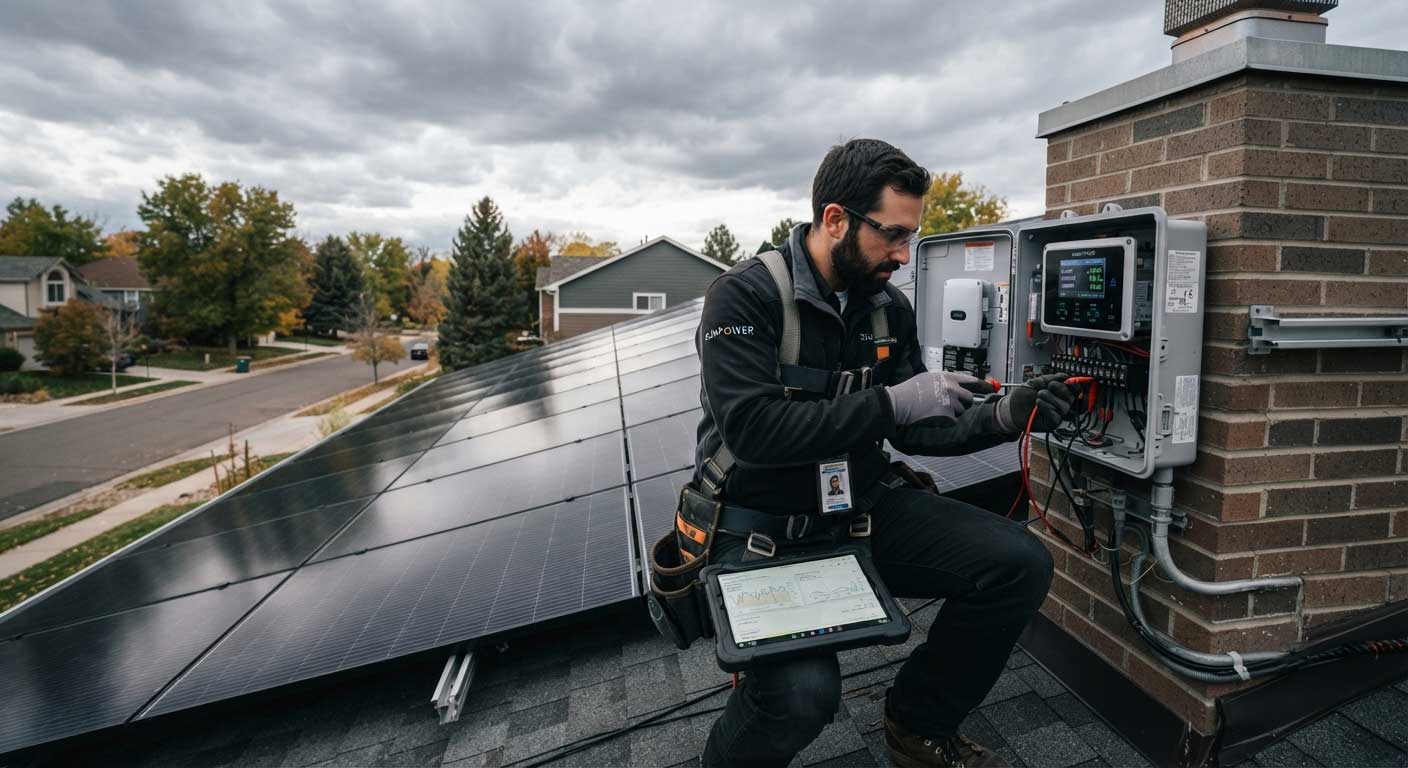
From field experience, output depends on:
- Cloud thickness and movement speed
- Panel efficiency rating
- Tilt and orientation accuracy
- Temperature (cooler panels perform better)
- Dust and surface condition
Common Misunderstandings About cloudy solar performance
From Bright solar field discussions, we often hear:
- “Solar stops working when it’s cloudy” → False
- “Rain destroys solar output permanently” → False
- “Only direct sunlight matters” → Incorrect
- “Cloudy countries can’t use solar” → Proven wrong by Europe data
Solar is more flexible than most people expect.Visit the product page: Flexible Solar Panel
FAQ About do solar panels work on cloudy days
Do solar panels stop working when it’s cloudy?
No, they continue generating electricity at reduced efficiency.
How much power do solar panels produce on cloudy days?
Typically 10%–80% depending on cloud density.
Are solar panels worth it in cloudy climates?
Yes, many northern European countries have strong solar adoption.
Do rain or clouds damage solar panels?
No, they are designed to withstand weather conditions.
Why do solar panels still work without direct sunlight?
Because they use diffuse light, not just direct sun rays.
Is cloudy weather bad for solar panels?
It reduces output temporarily but does not affect system health.
Which is better: hot sunny days or cool cloudy days?
Cooler temperatures often improve panel efficiency despite lower light.
Final Field Perspective from Bright solar
do solar panels work on cloudy days is answered by physics, but experienced in performance curves. In real installations, cloudy weather does not stop energy production—it reshapes it.
From field data, the real takeaway is simple: solar energy is weather-flexible, not weather-dependent.
The prev: how much does it cost to install solar panels?The next: how are solar panels made?
Related recommendations
-

how to use portable solar panels?
243Use portable solar panels by placing them in unobstructed sunlight, connecting them to a compatible power station or charge controller, and checking voltage,...
View details -
How to go off grid with solar panels?
18Going off grid with solar panels requires a properly sized system that combines solar generation, battery storage, charge control, and an inverter. System de...
View details -
what are portable solar panels used for?
137Portable solar panels provide movable electricity for camping, RVs, boats, outdoor work, emergencies, remote equipment, and temporary off-grid use.
View details -
How Many Solar Panels Do I Need?
107Learn how many solar panels do I need based on electricity usage, roof size, and panel wattage. Discover real examples, calculations, and expert advice.
View details