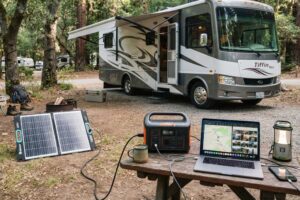
How Much Power Can One Solar Panel Generate?
How Much Power Can One Solar Panel Generate?
One solar panel can generate approximately 1 to 2 kWh of electricity per day under typical sunlight conditions, depending on panel wattage, location, weather, orientation, and system efficiency. A modern 400W solar panel can usually produce around 1.5 kWh daily in good conditions.
The question how much power can one solar panel generate sounds simple, but the actual answer depends on where and how the panel is installed.
At Bright Solar, we have evaluated solar applications for residential rooftops, RV systems, portable solar products, and customized energy projects. One thing we often explain to customers is that the rated wattage printed on a panel is not the same as the electricity produced every day.
A 400W panel does not continuously output 400 watts from sunrise to sunset.
Real-world generation changes with:
- Sunlight intensity
- Installation angle
- Temperature
- Shading conditions
- Solar system design
Understanding these factors helps buyers choose the right solar solution instead of simply buying the highest wattage panel available.
Solar Panel Power Output Explained
Understanding Solar Panel Wattage
The power rating of a solar panel is measured in watts (W).
Common residential and portable solar panel ratings include:
| Solar Panel Type | Rated Power |
|---|---|
| Small portable panel | 50W–100W |
| RV solar panel | 100W–300W |
| Residential panel | 350W–450W |
| High-power module | 500W–700W |
The wattage represents the maximum electrical output under Standard Test Conditions (STC).
STC typically measures solar panels under laboratory conditions:
- Solar irradiance: 1000 W/m²
- Cell temperature: 25°C
- Air mass: 1.5
In real installations, output is usually lower because outdoor conditions are constantly changing.
The National Renewable Energy Laboratory (NREL) explains that photovoltaic performance depends on factors including solar radiation, temperature, system design, and installation conditions.
Source:
https://www.nrel.gov/solar/
How Much Electricity Does A Solar Panel Produce Per Day?
Daily Solar Energy Generation Calculation
A simple calculation can estimate daily energy production:
Solar panel wattage × peak sunlight hours × system efficiency = daily electricity output
Example:
A 400W solar panel:
400W × 4 peak sun hours × 80% efficiency
= approximately 1.28 kWh per day
In areas with stronger sunlight, production can be higher.
In areas with:
- Cloudy weather
- Winter conditions
- Poor panel orientation
production may decrease.
Solar Panel Output By Wattage
Estimated Daily Electricity Production
The following table shows approximate daily production:
| Solar Panel Size | Average Daily Output |
|---|---|
| 100W panel | 0.3–0.5 kWh/day |
| 200W panel | 0.6–1 kWh/day |
| 300W panel | 0.9–1.5 kWh/day |
| 400W panel | 1.2–2 kWh/day |
| 500W panel | 1.5–2.5 kWh/day |
These values are estimates based on average sunlight conditions.
Actual production depends on installation location.
For example:
A 400W solar panel installed in Arizona may produce significantly more energy than the same panel installed in Northern Europe during winter.
What Factors Affect Solar Panel Power Generation?
1. Sunlight Hours
The amount of available sunlight is one of the biggest factors affecting energy production.
Locations closer to the equator generally receive stronger solar radiation throughout the year.
Important factors include:
- Geographic location
- Season
- Weather conditions
- Daily sunlight duration
2. Panel Orientation And Tilt Angle
Solar panels generate the most electricity when positioned correctly toward the sun.
Poor installation angles can reduce output.
Common considerations:
- Roof direction
- Tilt angle
- Nearby obstacles
A small adjustment in panel positioning can create noticeable differences in annual energy production.
3. Temperature Effects
Many people assume stronger sunlight always means higher output.
However, solar panels become less efficient at extremely high temperatures.
The solar industry uses temperature coefficients to measure how panel performance changes as temperature increases.
The U.S. Department of Energy notes that photovoltaic performance is affected by environmental conditions including temperature.
Source:
https://www.energy.gov/eere/solar/solar-photovoltaic-technology-basics
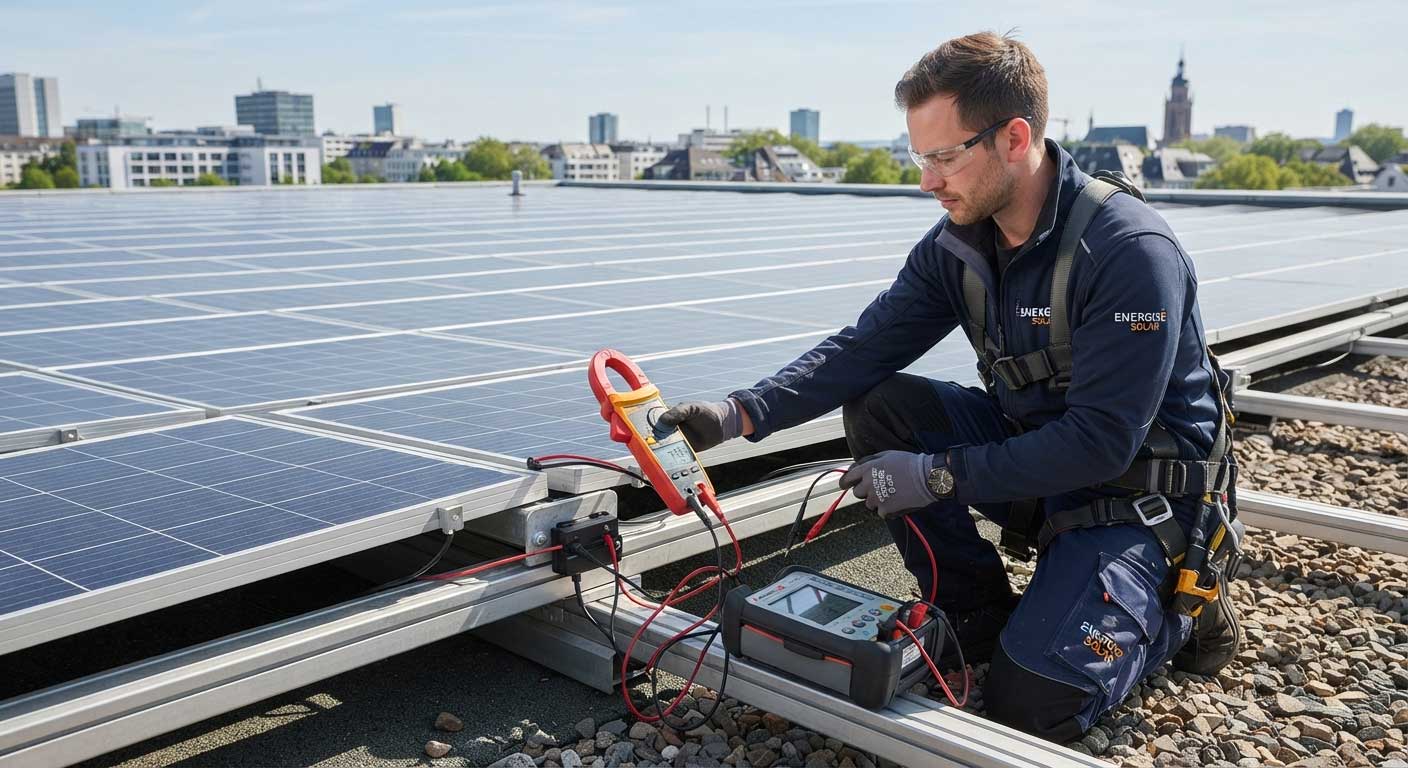
How Much Power Does A 400W Solar Panel Generate?
Real Example Of A Common Solar Panel
A 400W solar panel is currently one of the most common choices for residential and portable solar applications.
Under favorable conditions, a 400W panel may generate:
- Around 1.5 kWh per day
- Around 45 kWh per month
- Around 500+ kWh per year
However, annual production varies by location.
A homeowner in a sunny region may achieve higher output, while a homeowner in a cloudy climate may produce less.
At Bright Solar, we often recommend looking at annual energy production rather than focusing only on the panel’s maximum wattage rating.
A panel that performs consistently in real conditions can provide better value than a higher-rated panel installed in a poor location.
Flexible Solar Panel Power Generation
How Much Power Can One Flexible Solar Panel Generate?
Flexible solar panels generate electricity in the same way as traditional solar panels, but their output depends on size, cell technology, and installation conditions.
Common flexible solar panel outputs:
| Flexible Solar Panel Size | Typical Output |
|---|---|
| 100W flexible panel | 0.3–0.5 kWh/day |
| 200W flexible panel | 0.6–1 kWh/day |
| 300W flexible panel | 0.9–1.5 kWh/day |
| 400W flexible panel | 1.2–2 kWh/day |
Flexible solar panels are often selected for applications where weight and installation flexibility are important.
Typical uses include:
- RV roofs
- Camper vans
- Boats
- Portable energy systems
- Off-grid applications
At Bright Solar, we have seen many customers initially compare flexible panels only by wattage. In practice, the better question is whether the panel can deliver reliable energy in the available installation space.
For example, an RV roof may not support several heavy rigid panels, but lightweight flexible panels can maximize usable space without adding excessive weight.
How Many Appliances Can One Solar Panel Run?
Understanding Real Solar Energy Usage
A single solar panel can power different devices depending on its daily electricity production.
Example:
A 400W solar panel producing about 1.5 kWh/day may support:
| Device | Approximate Energy Use |
|---|---|
| LED lights | Several hours daily |
| Smartphone charging | Many charges |
| Laptop | Several hours |
| Small refrigerator | Depends on efficiency |
| Wi-Fi router | Extended operation |
However, solar panels do not directly power appliances in most systems.
A typical setup includes:
Solar Panel → Charge Controller → Battery → Inverter → Appliances
The battery stores energy and provides stable power when sunlight changes.
This is especially important for:
- RV solar systems
- Emergency backup systems
- Off-grid homes
Solar Panel Efficiency And Energy Generation
Why Two Solar Panels With The Same Wattage May Perform Differently
Two 400W solar panels may not produce exactly the same amount of electricity.
Performance differences can come from:
- Solar cell quality
- Temperature performance
- Manufacturing technology
- Installation environment
Solar panel efficiency refers to how effectively a panel converts sunlight into electricity.
For example:
| Panel Efficiency | Meaning |
|---|---|
| 18% | Standard efficiency level |
| 20%+ | Higher efficiency |
| 22%+ | Premium efficiency |
Higher efficiency panels are useful when installation space is limited.
This is why rooftop homeowners, RV owners, and marine users often choose different solar products.
A large rooftop may prioritize maximum annual production.
An RV owner may prioritize:
- Lightweight design
- Flexible installation
- Space utilization
Solar Panel Power Generation In Different Conditions
Real-World Output Changes During The Day
Solar production is not constant.
A typical daily pattern looks like:
| Time Period | Expected Output |
|---|---|
| Morning | Low production |
| Midday | Highest production |
| Afternoon | Gradually decreases |
| Night | No solar generation |
Weather conditions also create differences.
Examples:
Sunny Day
A solar panel can approach its rated output during peak sunlight.
Cloudy Day
The panel still generates electricity but at a reduced level.
Hot Day
Output may decrease because solar cells become less efficient at higher temperatures.
This is why professional solar design uses real location data rather than only theoretical calculations.
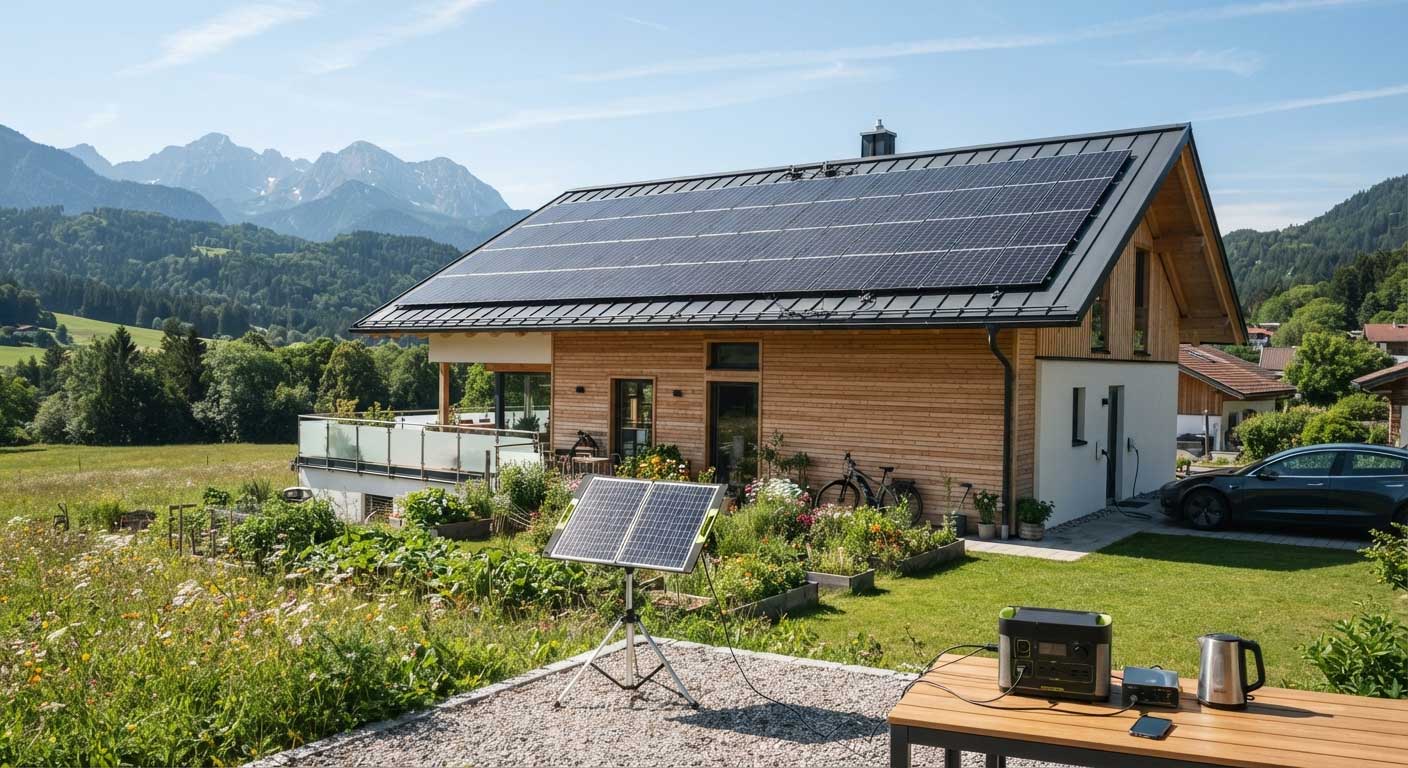
How To Increase Solar Panel Energy Production
Practical Ways To Get More Electricity From One Panel
Improving solar output does not always require buying a larger panel.
Several factors can improve performance:
1. Keep Panels Clean
Dust and dirt can reduce sunlight reaching solar cells.
Regular maintenance helps maintain performance.
Common cleaning situations:
- Dry climates with dust
- Coastal areas with salt deposits
- RV travel environments
2. Reduce Shading
Even partial shading can affect energy generation.
Avoid placing panels near:
- Trees
- Buildings
- Roof equipment
3. Install Panels Correctly
Correct installation improves long-term production.
Important factors:
- Proper orientation
- Suitable tilt angle
- Secure mounting
- Correct wiring
At Bright Solar, we often emphasize that installation quality is part of solar performance.
A high-quality panel installed incorrectly may produce less energy than a properly installed standard panel.
Bright Solar Experience: Understanding Solar Output Beyond Numbers
Why Wattage Is Only The Starting Point
When customers ask how much power can one solar panel generate, they usually expect one simple number.
But real solar performance is more complicated.
A solar panel’s actual energy output depends on the entire system:
- Panel selection
- Installation location
- Weather conditions
- Electrical design
- Energy usage habits
Through our experience working with different solar applications, we have learned that the best solar solution is not always the highest wattage option.
For an RV owner, a lightweight flexible panel may provide more practical value.
For a homeowner, a high-efficiency rooftop module may maximize limited roof space.
For an off-grid project, reliability and storage capacity may matter more than the panel rating.
Solar power is a system decision, not just a product purchase.
FAQ About How Much Power Can One Solar Panel Generate?
How much power can one solar panel generate per day?
A typical solar panel can generate around 1 to 2 kWh per day, depending on its wattage, sunlight hours, location, and installation conditions.
How much electricity does a 400W solar panel produce?
A 400W solar panel can typically produce around 1.2 to 2 kWh per day under suitable sunlight conditions.
Can one solar panel power a house?
One solar panel usually cannot power an entire home continuously, but it can contribute electricity to household energy needs. Multiple panels are normally required for residential systems.
Does a solar panel generate power on cloudy days?
Yes. Solar panels can still generate electricity during cloudy weather, but output is lower because sunlight intensity decreases.
Do flexible solar panels produce less power?
Flexible solar panels can provide similar electricity output when using comparable solar cell technology. Their main advantages are lightweight design and installation flexibility.
How can I calculate my solar panel energy production?
Multiply the panel wattage by average sunlight hours and system efficiency:
Panel wattage × sunlight hours × efficiency = estimated daily energy production
How Much a Solar Panel Can Generate Electricity?
A typical solar panel can generate around 1.5–2.5 kWh of electricity per day under good sunlight conditions. A modern 400W panel usually produces approximately 550–750 kWh annually, depending on location, weather, shading, and installation angle.Learn more about “How Much a Solar Panel Can Generate Electricity“
Conclusion: How Much Power Can One Solar Panel Generate?
How much power can one solar panel generate? A typical solar panel can produce around 1 to 2 kWh of electricity per day, but the actual output depends on panel size, sunlight conditions, installation angle, temperature, and system design.
The wattage printed on a solar panel is only the beginning.
Real energy production comes from matching:
- The correct solar panel
- The right installation location
- Proper system design
- Actual energy requirements
At Bright Solar, we believe solar performance should be measured in real-world results, not only laboratory ratings.
A well-designed solar system helps homeowners, RV travelers, and businesses generate dependable renewable energy for years.
Related recommendations
-

What will a 100 watt solar panel kit run?
265What will a 100 watt solar panel kit run? Discover appliances, power limits, battery needs, and real-world applications of 100W solar kits with Bright Solar.
View details -
How to Hook Up Solar Panel to Battery?
224Connect the solar panel to a compatible charge controller first, then connect the controller to the battery with correct polarity.
View details -
How Much Is Solar Panels for a House?
139How much is solar panels for a house? Discover home solar panel prices, installation costs, key factors, and expert insights from Bright Solar.
View details -
How Much For Solar Panel Installation?
169How much for solar panel installation? Discover solar installation costs, pricing factors, equipment expenses, and expert advice from Bright Solar.
View details