How Much Is Solar Panels for a House?
How much is solar panels for a house? A residential solar panel system typically costs between $15,000 and $30,000 before incentives, while individual solar panels usually range from $100 to $350 depending on wattage, technology, and quality.
When homeowners ask me about solar pricing, the first thing I explain is that solar panels are not just a product purchase. The final cost depends on how the panels perform together as a complete energy system.
During solar project evaluations, I have seen two homes with similar roof sizes receive completely different quotations. One project required fewer high-efficiency panels, while another needed additional modules because of roof direction, shading, and energy demand.
At Bright Solar, we focus on matching solar technology with real application conditions. The lowest panel price does not always create the lowest long-term energy cost. A reliable solar investment requires balancing efficiency, durability, installation requirements, and expected electricity production.
What Is the Average Cost of Solar Panels for a House?
The price of solar panels for a house depends mainly on panel power output and technology.
For a single solar module, common residential prices are:
| Solar Panel Type | Average Price Range |
|---|---|
| 100W solar panel | $80–$180 |
| 200W solar panel | $150–$350 |
| 300W solar panel | $280–$500 |
| 400W solar panel | $140–$350 |
| 500W+ solar panel | $300–$900+ |
Most residential homeowners choose panels between 350W and 450W because these modules provide strong energy production while reducing the number of panels required on the roof.
According to the National Renewable Energy Laboratory (NREL), photovoltaic module prices have declined significantly over the past decade due to improvements in manufacturing processes, larger production capacity, and technological development.
Source:
- National Renewable Energy Laboratory (NREL): https://www.nrel.gov
How Much Does a Complete Home Solar Panel System Cost?
Many homeowners search for how much is solar panels for a house, but the total investment usually includes much more than the panels themselves.
A complete solar system may include:
| System Component | Typical Cost Contribution |
|---|---|
| Solar panels | 20–30% |
| Solar inverter | 10–15% |
| Mounting equipment | Around 10% |
| Installation labor | 25–35% |
| Electrical work | 10–15% |
| Permits and design | 10–15% |
For an average residential installation, homeowners commonly spend:
| System Size | Estimated Cost Before Incentives |
|---|---|
| 3 kW system | $9,000–$13,000 |
| 5 kW system | $14,000–$20,000 |
| 7 kW system | $18,000–$27,000 |
| 10 kW system | $25,000–$35,000 |
These figures vary depending on location, labor rates, equipment selection, and installation complexity.
The Solar Energy Industries Association (SEIA) tracks residential solar market costs and highlights that installation expenses, equipment, and regional factors all influence final pricing.
Source:
- Solar Energy Industries Association (SEIA): https://www.seia.org
What Determines the Price of Solar Panels for a House?
Solar panel pricing is affected by several technical and practical factors.
1. Solar Panel Wattage
The power rating of a solar panel directly affects its price.
Higher wattage panels generally cost more because they contain:
- More photovoltaic cells
- Larger surface area
- Higher energy output capability
Common residential choices include:
- 300W panels for smaller systems
- 400W panels for standard homes
- 500W+ panels for maximum rooftop output
A 400W solar panel is currently one of the most popular choices because it provides a good balance between size, output, and installation efficiency.
2. Solar Panel Technology
Different solar technologies have different price levels.
Monocrystalline Solar Panels
These are widely used for residential systems because they offer:
- Higher efficiency
- Better space utilization
- Strong outdoor performance
Bifacial Solar Panels
Bifacial panels can capture sunlight from both sides when installed in suitable environments.
They are often considered for:
- Open ground systems
- Commercial applications
- Reflective surfaces
Flexible Solar Panels
Flexible solar panels provide advantages where traditional rigid panels may not work well.
Typical applications include:
- RV solar systems
- Marine solar projects
- Curved roofs
- Lightweight structures
Bright Solar develops flexible photovoltaic solutions designed for customers who need installation flexibility without sacrificing renewable energy performance.
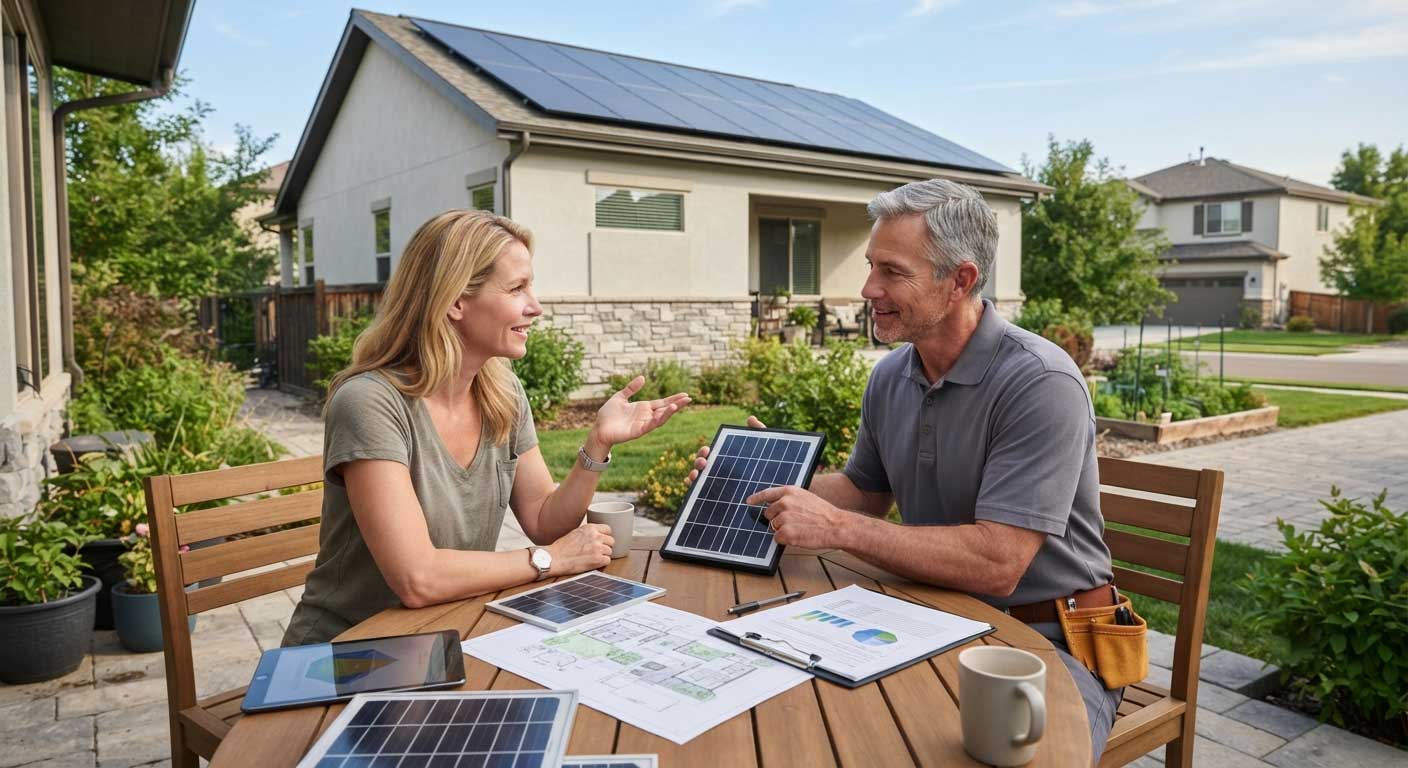
How Many Solar Panels Does a House Need?
The number of solar panels required depends on electricity consumption rather than simply the size of the home.
Important factors include:
- Monthly electricity usage
- Roof available area
- Local sunlight conditions
- Solar panel wattage
- Energy goals
Example:
| Monthly Electricity Usage | Approximate 400W Panels Needed |
|---|---|
| 300 kWh/month | 6–10 panels |
| 600 kWh/month | 10–18 panels |
| 900 kWh/month | 15–25 panels |
| 1,200 kWh/month | 20–35 panels |
According to the U.S. Energy Information Administration (EIA), the average U.S. residential electricity customer consumes approximately 886 kWh per month.
Source:
- U.S. Energy Information Administration (EIA): https://www.eia.gov
This means many households need a complete solar array rather than only one or two panels.
Are Cheap Solar Panels a Good Choice for Homes?
Lower-priced solar panels may appear attractive, but price alone should not determine the final decision.
A cheaper panel may have:
- Lower efficiency
- Shorter warranty coverage
- Reduced temperature performance
- Limited application flexibility
A slightly higher-quality solar panel may provide better value through:
- More electricity generation
- Longer operating life
- Better reliability
- Lower replacement risk
In my experience reviewing solar applications, the most successful installations are usually not the cheapest ones. They are the systems where the panel design matches the homeowner’s actual energy requirements.
Why Bright Solar Provides Reliable Home Solar Solutions
Bright Solar approaches solar panel selection from a practical perspective.
A successful residential solar system requires:
- Suitable panel technology
- Correct system sizing
- Reliable materials
- Long-term outdoor durability
Our solar solutions are designed for different applications, including:
- Residential energy systems
- Portable solar setups
- RV solar power
- Off-grid applications
For homeowners, understanding how much is solar panels for a house is only the first step. Choosing the right solar solution determines how effectively the investment performs over time.
How Can Homeowners Lower Solar Panel Costs?
Reducing the cost of a home solar system does not always mean choosing the cheapest solar panel available. A better approach is improving the relationship between purchase price, energy production, and long-term performance.
Based on reviewing different solar applications, I have noticed that homeowners often focus on the panel price first, but installation decisions usually create a larger difference in total cost.
Several strategies can help reduce overall solar expenses.
1. Select the Correct Solar Panel Size
Choosing the right panel wattage can reduce unnecessary system expenses.
For example:
- A low-wattage panel may require more modules.
- More modules require additional mounting materials.
- More panels may increase installation labor.
A higher-efficiency panel with a slightly higher price may reduce the total system cost because fewer panels are needed to achieve the same energy target.
For most modern homes, 400W–450W solar panels are becoming a common choice because they provide strong output while using available roof space efficiently.
2. Evaluate Solar Cost Based on Long-Term Value
When comparing solar panels for a house, homeowners should consider more than the initial purchase price.
Important evaluation factors include:
| Factor | Why It Matters |
|---|---|
| Efficiency rating | Determines electricity generation from available space |
| Product warranty | Protects long-term investment |
| Temperature coefficient | Affects performance in hot weather |
| Material quality | Influences durability |
| Manufacturer experience | Supports product reliability |
A solar panel installed on a home roof may operate for more than two decades, so a small difference in upfront price can become less important over the system lifetime.
How Long Do Solar Panels Last on a House?
Most residential solar panels are designed to operate for 25 years or longer.
However, solar panels do not stop working after their warranty period ends. Instead, electricity output gradually decreases over time.
Typical solar equipment lifespan:
| Equipment | Expected Lifespan |
|---|---|
| Solar panels | 25–30 years |
| Solar inverter | 10–15 years |
| Mounting system | 25+ years |
| Battery storage system | 10–15 years |
Many manufacturers provide performance warranties that guarantee panels will maintain a high percentage of their original output after 25 years.
The actual lifespan depends on:
- Weather conditions
- Installation quality
- Panel materials
- Maintenance practices
A well-designed solar system can continue generating useful electricity long after the initial investment has been recovered.
Can Solar Panels Reduce Home Electricity Bills?
Yes. Solar panels can significantly reduce electricity costs by generating renewable energy directly from sunlight.
The savings depend on:
- Local electricity rates
- Solar exposure
- System size
- Household consumption patterns
For example:
A home using more electricity during daylight hours may directly consume more solar energy and reduce dependence on grid power.
A battery storage system can further increase solar utilization by storing excess electricity for evening use.
The U.S. Department of Energy (DOE) explains that solar photovoltaic systems have low operating costs after installation because sunlight is free and solar systems require limited maintenance.
Source:
- U.S. Department of Energy (DOE): https://www.energy.gov
What Should Homeowners Check Before Buying Solar Panels?
Before purchasing solar panels, homeowners should review several important points.
Solar Panel Quality Checklist
✔ Panel efficiency rating
✔ Product warranty period
✔ Temperature performance
✔ Weather resistance
✔ Manufacturer reputation
✔ Installation requirements
✔ Expected annual energy production
A solar panel is not only a hardware purchase. It is part of a long-term energy system.
At Bright Solar, we believe product selection should start with understanding where and how the panel will be used.
Why Choose Bright Solar for Residential Solar Applications?
Bright Solar develops solar products for customers who need reliable renewable energy solutions.
Our approach focuses on practical applications:
- Lightweight solar technology
- Flexible installation options
- Durable outdoor performance
- Adaptable photovoltaic solutions
For homeowners with unusual installation requirements, flexible solar panels can provide additional possibilities.
Examples include:
- Homes with limited roof loading capacity
- RV owners seeking mobile electricity
- Off-grid cabins
- Marine applications
A solar panel should fit the environment, not force the environment to adapt to the product.
FAQ About How Much Is Solar Panels for a House?
How much is solar panels for a house?
Solar panels for a house typically cost around $100–$350 per panel, while a complete residential solar system usually costs much more because it includes installation, inverters, mounting equipment, and electrical work.
How much does a complete solar system cost for a home?
A typical home solar system can cost approximately $15,000–$30,000 before incentives, depending on system size, equipment choices, location, and installation conditions.
What is the average price of a 400W solar panel?
A 400W residential solar panel generally costs about $140–$350, depending on efficiency, brand, warranty, and technology.
How many solar panels does an average house need?
Many homes require around 15–25 solar panels, but the exact number depends on electricity usage, sunlight conditions, roof space, and panel wattage.
Are solar panels worth buying for a house?
Solar panels can be worthwhile for many homeowners because they can reduce electricity bills, provide renewable energy, and protect against future electricity price increases.
Do solar panels work during cloudy weather?
Yes. Solar panels can still produce electricity on cloudy days, although output is usually lower because sunlight intensity is reduced.
Do flexible solar panels cost more than traditional panels?
Flexible solar panels may have a higher cost per watt because of specialized materials and manufacturing processes, but they provide advantages in lightweight and unique installations.
Conclusion: Understanding How Much Is Solar Panels for a House
How much is solar panels for a house? A single residential solar panel usually costs between $100 and $350, while a complete home solar system commonly ranges from $15,000 to $30,000 before incentives.
After evaluating different solar applications, one thing becomes clear: the lowest upfront price does not always create the best result. The right solar panel should match the home environment, electricity requirements, and long-term energy goals.
Bright Solar continues developing flexible and reliable solar solutions designed for residential, portable, and off-grid applications.
Understanding solar panel costs helps homeowners make informed decisions and build renewable energy systems that deliver value for many years.
The prev: How Many Watts Are Solar Panels?The next: How Often Do Solar Panels Need to Be Replaced?
Related recommendations
-

How Much For Solar Power Home?
188How much for solar power home? Learn residential solar costs, system pricing factors, installation expenses, and expert solar solutions from Bright Solar.
View details -
How Long Does a Solar Panel Last?
153How long does a solar panel last? Learn solar panel lifespan, degradation rates, maintenance factors, and expert insights to maximize residential solar performance with Bright Solar.
View details -
How to Transfer Solar Energy to Electricity?
172How to transfer solar energy to electricity explained with photovoltaic technology, energy conversion steps, system components, and expert solar insights.
View details -
How to Make Your Own Flexible Solar Panel?
292Discover how to make your own flexible solar panel through real workshop experience, practical mistakes, material selection, and proven engineering methods.
View details