How to Clean a Solar Panel?
How to clean a solar panel? Clean solar panels by removing dust, leaves, and surface dirt with soft water, a non-abrasive brush, and gentle washing methods to avoid damaging the photovoltaic surface.
Cleaning solar panels sounds simple, but the wrong method can create unexpected problems. During solar installation and maintenance projects, I have seen homeowners use rough brushes, strong detergents, and high-pressure water jets that leave scratches or damage protective coatings.
At Bright Solar, we evaluate solar performance from a practical perspective. A clean panel does not only look better; it allows more sunlight to reach photovoltaic cells and helps maintain stable electricity production over time.
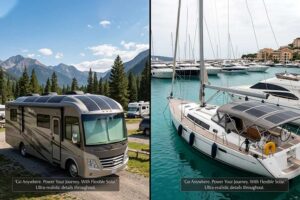
The cleaning method depends on where the solar panel is installed. A residential rooftop in a dry area collects different types of dirt compared with an RV solar system, marine application, or industrial installation.
A small amount of dust may not seem important, but after months without maintenance, the accumulated layer can reduce sunlight absorption.
Why Do Solar Panels Need Cleaning?
Solar panels are designed to operate outdoors for decades, but their surface is constantly exposed to environmental conditions.
Common contaminants include:
- Dust and sand particles
- Bird droppings
- Leaves and plant debris
- Pollen
- Salt deposits near coastal areas
- Pollution particles
These materials can block sunlight from reaching solar cells.
According to the National Renewable Energy Laboratory (NREL), soiling from dust and other surface contamination can affect photovoltaic system performance, especially in regions with dry climates or frequent airborne particles.
Source:
- National Renewable Energy Laboratory (NREL): https://www.nrel.gov
In real projects, I have noticed that the impact is not always obvious day by day. A panel producing slightly less electricity every day may become a noticeable annual loss when multiplied across an entire solar system.
How to Clean a Solar Panel Step by Step?
The safest cleaning process focuses on removing dirt without damaging the panel surface.
Step 1: Check the Solar Panel Condition
Before cleaning, inspect the panels from the ground if possible.
Look for:
- Heavy dust buildup
- Leaves blocking sunlight
- Bird droppings
- Visible stains
- Damaged cables or connectors
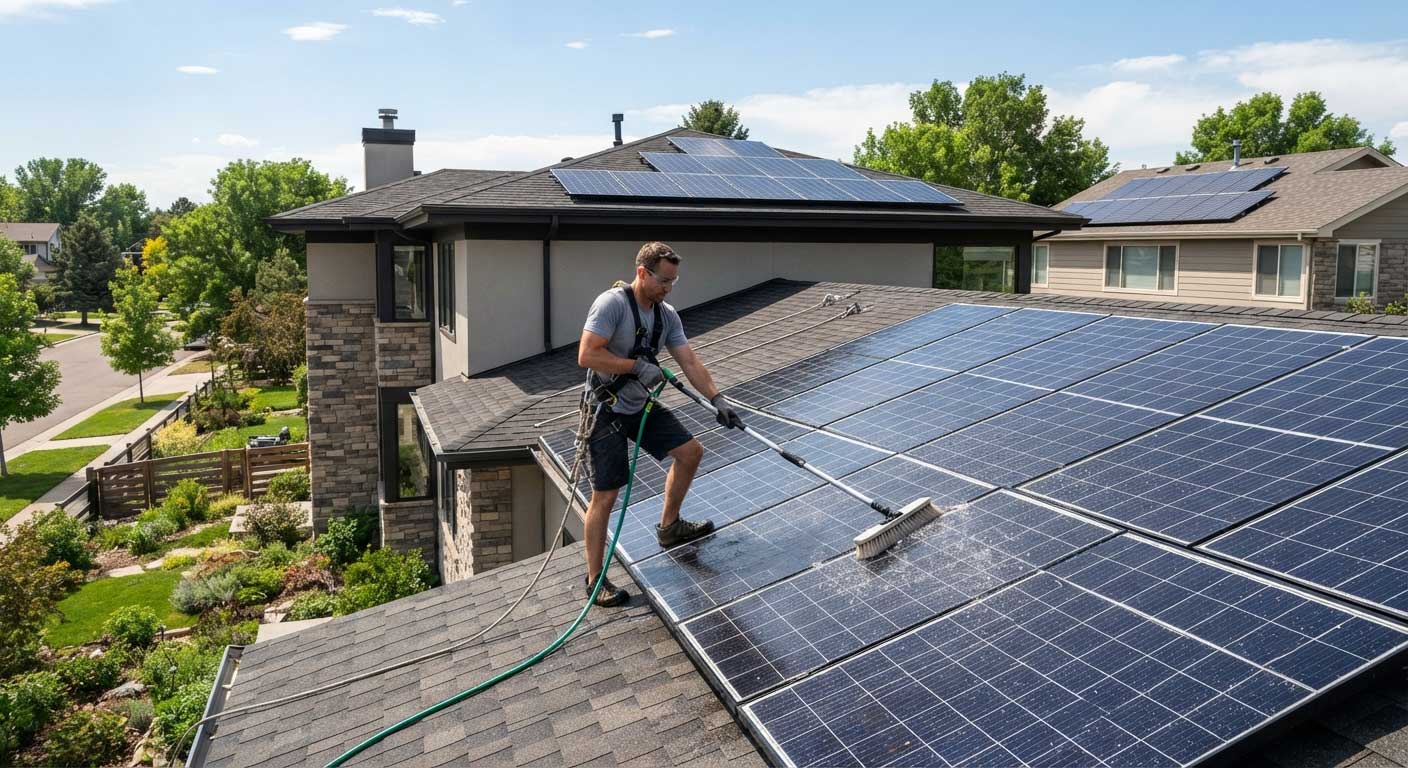
If panels are installed on a high roof, safety should always come first. Walking directly on solar modules is not recommended because excessive pressure may damage internal components.
Step 2: Turn Off the Solar System if Required
Many residential solar systems include shutdown procedures.
Before cleaning:
- Follow the manufacturer’s instructions
- Turn off equipment when required
- Avoid touching electrical connections
Solar panels generate electricity whenever they receive sunlight, so basic electrical awareness is important.
Step 3: Remove Loose Dirt
Start with dry debris.
Recommended tools:
- Soft microfiber cloth
- Soft-bristle brush
- Garden hose with gentle water flow
Avoid:
- Metal brushes
- Abrasive cleaning pads
- Hard scraping tools
The glass surface of solar panels is durable, but small scratches can reduce optical performance over time.
Step 4: Wash the Solar Panel Surface
Use clean water to remove remaining dirt.
A simple cleaning method:
- Rinse the panel surface.
- Gently wipe with a soft brush or sponge.
- Remove remaining water marks.
- Allow the panel to dry naturally.
For normal residential solar panels, plain water is often enough.
Strong chemical cleaners are usually unnecessary and may affect surface coatings.
What Tools Are Best for Cleaning Solar Panels?
Choosing the correct equipment helps prevent accidental damage.
| Tool | Recommended Use |
|---|---|
| Soft brush | Removing dust and loose particles |
| Microfiber cloth | Removing light stains |
| Garden hose | Gentle surface washing |
| Deionized water | Reducing water spots |
| Telescopic cleaning pole | Hard-to-reach rooftop panels |
Avoid using:
| Tool | Reason |
|---|---|
| Pressure washer | May damage seals and connections |
| Hard brush | Can scratch surfaces |
| Household detergent | May leave residue |
| Abrasive sponge | Can damage protective layers |
How Often Should Solar Panels Be Cleaned?
There is no single cleaning schedule for every solar system.
The recommended frequency depends on:
- Local weather
- Dust levels
- Installation angle
- Nearby trees
- Coastal conditions
Typical recommendations:
| Location | Suggested Cleaning Frequency |
|---|---|
| Rainy areas | Once or twice per year |
| Dry dusty regions | Every 3–6 months |
| Coastal areas | Regular inspection due to salt |
| Agricultural areas | More frequent cleaning |
For many residential systems, checking panels twice a year is a practical approach.
In my experience, spring and autumn are usually good inspection periods because seasonal changes often bring pollen, leaves, or accumulated debris.
Can Rain Clean Solar Panels?
Rain can remove some loose dust, but it does not completely replace manual cleaning.
Rainwater may leave behind:
- Mineral deposits
- Mud spots
- Bird residue
In areas with regular rainfall and a good panel tilt angle, natural cleaning may reduce maintenance needs.
However, flat installations or panels in dry climates usually require additional cleaning.
Does Cleaning Solar Panels Increase Electricity Production?
Yes, cleaning solar panels can improve electricity output when dirt is blocking sunlight.
The improvement depends on the amount of contamination.
A lightly dusty panel may show only a small difference, while heavily soiled panels can experience a more noticeable reduction.
The goal of cleaning is not to make panels visually perfect. The goal is to keep the photovoltaic surface receiving maximum available sunlight.
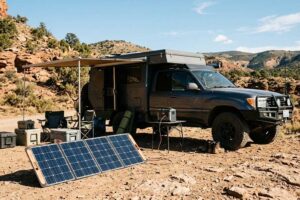
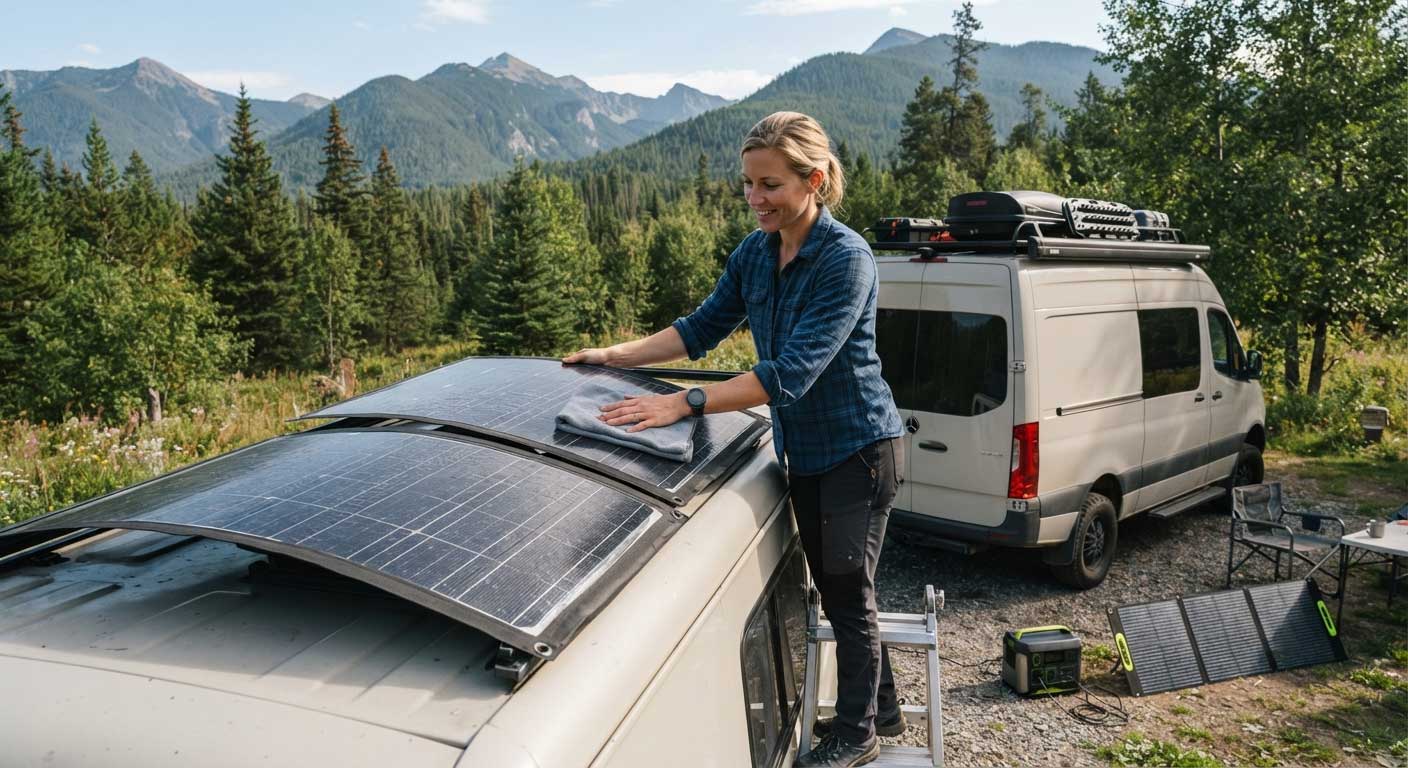
For Bright Solar flexible panels and portable solar solutions, regular surface inspection is especially useful because these products are often installed in outdoor environments such as RVs, boats, and remote locations.
Professional Methods for Cleaning Solar Panels
For larger solar installations, cleaning requires a more systematic approach.
Commercial solar farms, industrial rooftops, and large residential projects usually consider:
- Panel accessibility
- Water quality
- Cleaning frequency
- Labor safety
- Energy loss caused by soiling
Professional maintenance teams often use specialized equipment such as:
- Water-fed cleaning poles
- Soft rotating brushes
- Deionized water systems
- Automated solar cleaning robots
The purpose is not aggressive cleaning. It is controlled removal of surface contamination while protecting photovoltaic modules.
During solar product evaluations, I have found that maintenance planning is often overlooked. Many customers focus heavily on panel wattage and efficiency but forget that long-term performance also depends on keeping the solar surface in good condition.
What Should You Avoid When Cleaning Solar Panels?
Incorrect cleaning methods can create more problems than the dirt itself.
1. Do Not Use High-Pressure Water
Pressure washers may appear effective because they remove dirt quickly.
However, excessive pressure can:
- Stress panel seals
- Affect waterproof protection
- Damage electrical connections
A gentle water flow is usually safer.
2. Do Not Use Harsh Chemicals
Strong cleaners may leave residues or affect protective surface layers.
Avoid:
- Bleach
- Strong acids
- Industrial solvents
- Abrasive cleaners
Clean water is normally sufficient for most solar panel surfaces.
3. Do Not Clean Panels During Extreme Heat
Cleaning hot panels under strong sunlight can create thermal stress.
A better time is:
- Early morning
- Late afternoon
- Cooler weather conditions
This also makes the work safer.
4. Do Not Walk on Solar Panels
Solar panels may look strong, but they are not designed as walking surfaces.
Walking on modules can create:
- Micro-cracks
- Internal cell damage
- Reduced long-term performance
Always use safe access methods when working on rooftop systems.
How to Clean Different Types of Solar Panels?
Different solar applications may require different cleaning approaches.
| Solar Application | Cleaning Consideration |
|---|---|
| Residential rooftop panels | Dust, leaves, bird droppings |
| RV solar panels | Road dust and outdoor debris |
| Marine solar panels | Salt deposits and water exposure |
| Flexible solar panels | Gentle surface cleaning |
| Portable solar panels | Frequent outdoor handling |
Flexible solar panels are often installed in environments where traditional rigid panels are difficult to use.
For example:
- Camping equipment
- Boats
- RV roofs
- Off-grid systems
These applications may collect more outdoor contamination, making regular inspection valuable.
How Bright Solar Recommends Maintaining Solar Panels
At Bright Solar, we recommend a simple maintenance approach instead of unnecessary cleaning.
A practical routine:
Monthly Check
Inspect:
- Surface dirt
- Physical damage
- Cable conditions
- Mounting position
Seasonal Cleaning
Clean when:
- Dust accumulation is visible
- Electricity production drops unexpectedly
- Leaves or debris cover the surface
Annual Performance Review
Compare:
- Current energy output
- Previous production data
- Weather conditions
A sudden production decrease may indicate issues beyond surface dirt.
FAQ About How to Clean a Solar Panel?
How to clean a solar panel without damaging it?
Use clean water, a soft brush, and a microfiber cloth. Avoid abrasive tools, harsh chemicals, and high-pressure washing equipment.
Can I clean solar panels myself?
Yes. Homeowners can clean accessible solar panels safely using gentle methods. For high rooftop systems, professional cleaning may be safer.
What is the best time to clean solar panels?
Early morning or late afternoon is usually best because panels are cooler and easier to clean safely.
How often should I clean solar panels?
Most residential solar systems need inspection and possible cleaning once or twice per year. Dusty or coastal areas may require more frequent maintenance.
Can I use soap to clean solar panels?
Generally, plain water is preferred. If cleaning products are needed, use only solutions specifically designed for photovoltaic modules.
Does dirty solar panels reduce electricity production?
Yes. Dirt and debris can block sunlight and reduce energy generation. The impact depends on climate, contamination level, and panel installation conditions.
Do flexible solar panels need special cleaning?
Flexible solar panels should also be cleaned gently. Their lightweight design makes avoiding scratches and surface damage especially important.
Conclusion: The Best Way to Clean a Solar Panel
How to clean a solar panel? The safest method is using clean water, soft tools, and gentle cleaning techniques to remove dirt without damaging photovoltaic surfaces.
Solar panel maintenance does not need to be complicated. The key is regular inspection and avoiding aggressive cleaning methods that may shorten equipment life.
From residential rooftops to Bright Solar flexible solar applications, keeping photovoltaic surfaces clean helps ensure sunlight reaches solar cells efficiently.
A well-maintained solar panel system is not only cleaner visually; it is better prepared to deliver reliable renewable electricity year after year.
The prev: How Solar Panels Generate Electricity?The next: How To Make Solar Panels?
Related recommendations
-

How Long Does a Flexible Solar Panel Last?
259How long does a flexible solar panel last in real-world conditions? Learn expected lifespan, durability factors, degradation rates, and expert insights from Bright Solar.
View details -
How many amps 200 watt solar panel?
335How many amps 200 watt solar panel produces depends on voltage and conditions. Learn current calculations, charging performance, and solar system sizing tips.
View details -
How Long Do Portable Solar Panels Last?
265How long do portable solar panels last? Learn the real lifespan of portable solar panels, what affects durability, and how to extend performance outdoors.
View details -
will hail damage solar panels?
190will hail damage solar panels? Learn how hail affects PV modules, what hail sizes can cause damage, how to choose stronger panels, and what to inspect after storms.
View details