How Big Is a Solar Panel?
How Big Is a Solar Panel?
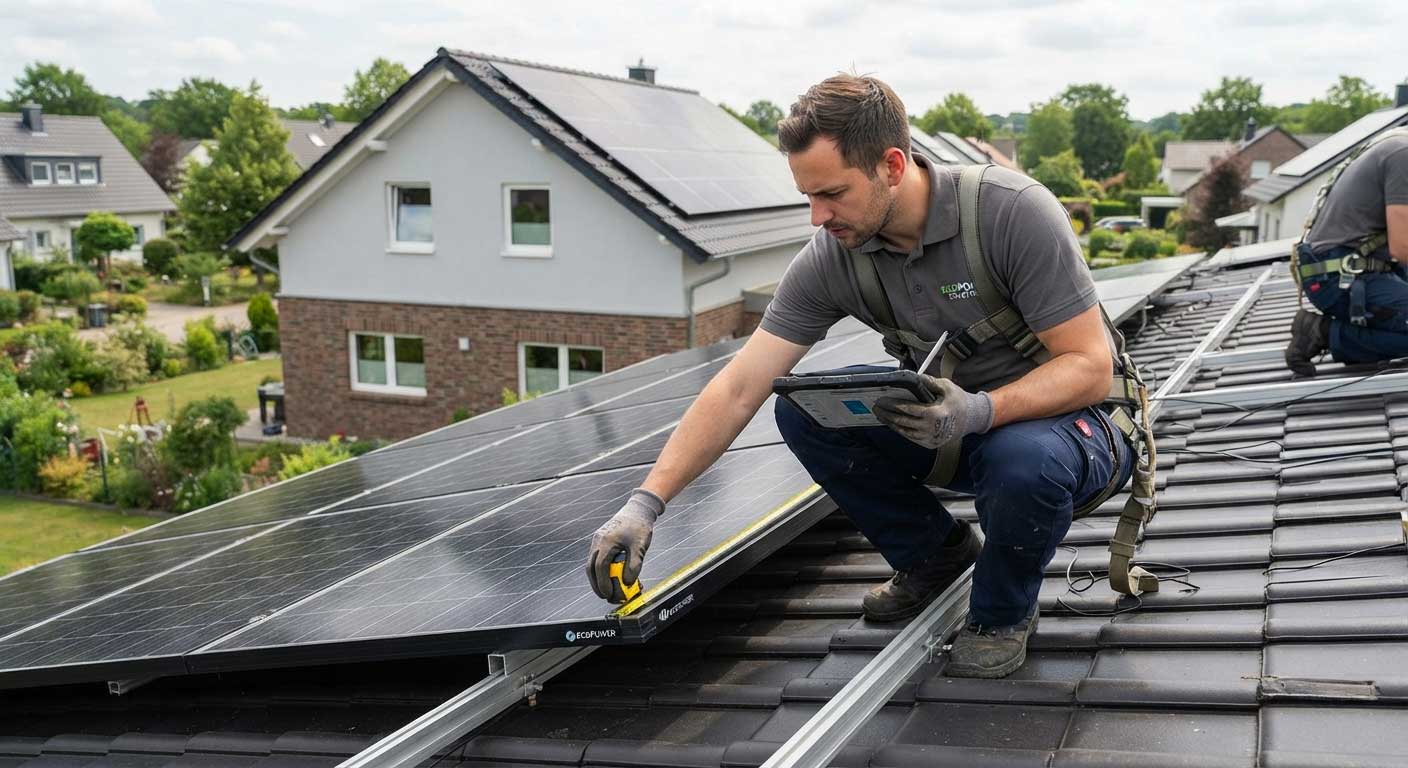
A standard solar panel is usually about 65–72 inches long and 39 inches wide, with residential panels commonly measuring around 5.4–5.9 feet by 3.2 feet. The exact size depends on wattage, cell technology, and whether the panel is designed for homes, RVs, or specialty applications.
When customers ask me how big is a solar panel, they usually expect a simple measurement. The reality is slightly different. After years working with Bright Solar flexible and rigid solar solutions, I have learned that physical size is only one part of the design decision. Power output, installation location, weight limits, and available surface area often matter more.
A homeowner with a large south-facing roof may easily fit standard modules, while an RV owner might need lightweight flexible panels because every inch and every kilogram affects the installation.
What Are the Standard Solar Panel Dimensions?
Most modern residential solar panels follow fairly consistent industry sizing because manufacturers use standardized solar cell layouts.
Typical dimensions include:
| Solar Panel Type | Average Dimensions | Typical Weight |
|---|---|---|
| Residential 60-cell panel | About 65 × 39 inches | 35–45 lbs |
| Residential 72-cell panel | About 77 × 39 inches | 45–55 lbs |
| Modern 400W–450W panel | About 71–79 × 39 inches | 45–55 lbs |
| Flexible solar panel | Varies by wattage | 5–20 lbs |
According to the National Renewable Energy Laboratory (NREL), improvements in photovoltaic module efficiency have allowed manufacturers to increase power output without dramatically increasing the physical footprint of panels.
Source:
https://www.nrel.gov/solar/
This change is noticeable when comparing older 250W panels with today’s 400W+ modules. The panel may only be slightly larger, but the electricity produced from the same roof area has increased significantly.
How Much Space Does a Solar Panel Take Up?
For most residential projects, one standard solar panel requires approximately 17–22 square feet of roof space.
A typical calculation looks like this:
| System Size | Panel Wattage | Approximate Panels | Roof Space Needed |
|---|---|---|---|
| 4 kW system | 400W panels | 10 panels | 170–220 sq ft |
| 6 kW system | 400W panels | 15 panels | 255–330 sq ft |
| 8 kW system | 400W panels | 20 panels | 340–440 sq ft |
However, installation space is rarely used at 100%.
Roof edges, vents, chimneys, maintenance paths, and shading areas must be considered before final design.
During one residential project review in California, I measured a roof that appeared large enough for 24 panels. After accounting for a skylight, HVAC clearance, and morning shading, the practical installation area dropped to 18 panels. The homeowner still achieved the required energy output by selecting higher-efficiency modules.
That experience is why I always recommend measuring usable installation space rather than simply looking at total roof size.
Does Solar Panel Size Depend on Wattage?
Yes. Higher wattage panels are usually slightly larger, but efficiency plays a major role.
For example:
- A 300W panel may use older cell technology and require more modules.
- A 400W–450W panel can produce more electricity from nearly the same installation area.
- Flexible solar panels may have completely different dimensions because they are designed for curved or weight-sensitive surfaces.
For limited spaces such as boats, camper vans, and small cabins, a physically smaller but lightweight solar solution may perform better than traditional glass panels.
How Big Is a Solar Panel for RVs and Flexible Solar Applications?
The answer changes significantly when the installation is not on a traditional rooftop.
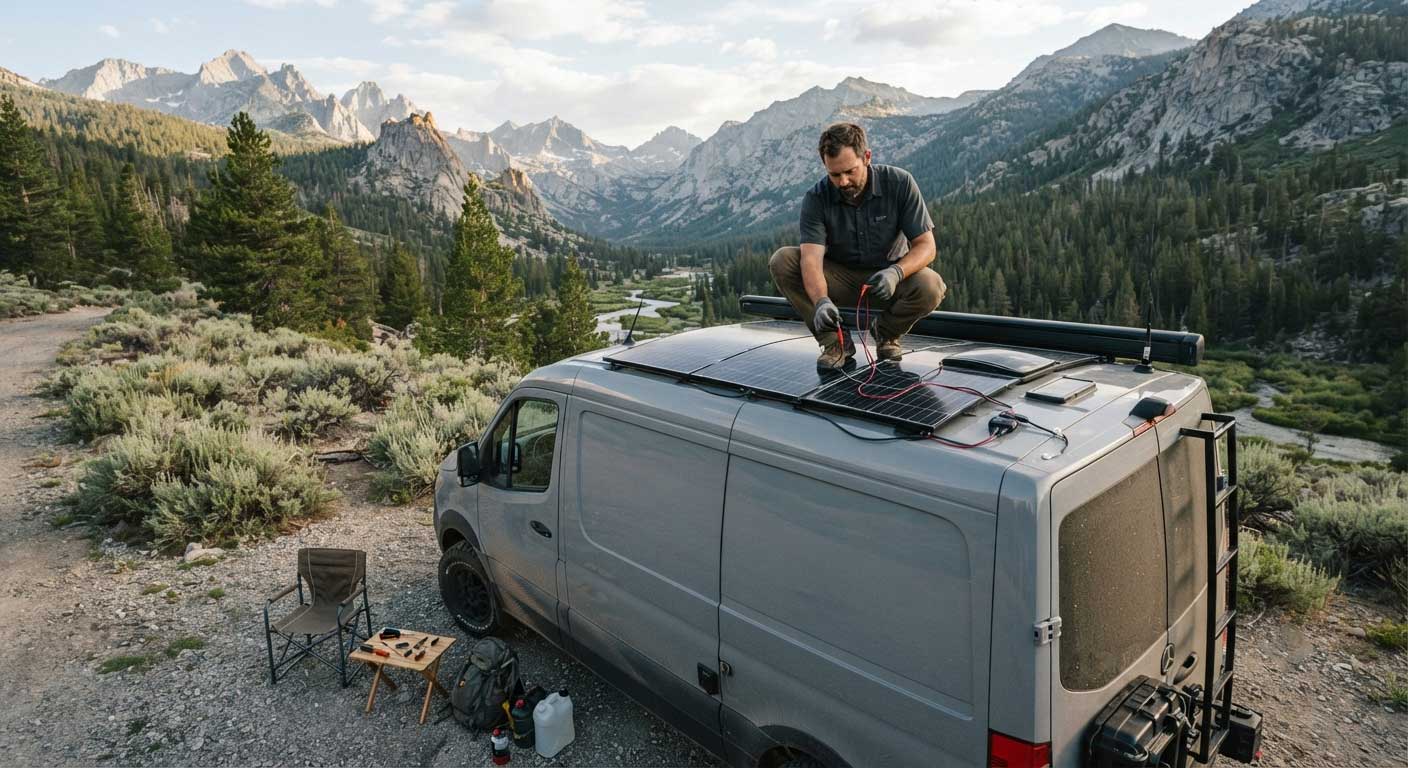
For RVs, boats, and off-grid cabins, available surface area is often the biggest challenge. A rigid glass panel that works perfectly on a house roof may be too heavy or too difficult to mount on a curved camper roof.
At Bright Solar, we have worked with customers who needed solar solutions for vehicles where the available roof area was limited to only a few square meters. In these situations, flexible solar panels often provide more practical options because they reduce weight and adapt better to uneven surfaces.
Typical flexible solar panel sizes include:
| Flexible Panel Power | Approximate Size | Common Applications |
|---|---|---|
| 100W flexible panel | Around 40 × 21 inches | Small RVs, boats, portable systems |
| 200W flexible panel | Around 58 × 27 inches | Camper vans, marine applications |
| 300W flexible panel | Around 65 × 35 inches | Larger RVs, off-grid cabins |
| 400W flexible panel | Around 78 × 40 inches | High-power mobile systems |
The actual dimensions vary between manufacturers because flexible modules are designed around different materials, cell layouts, and mounting requirements.
For example, Bright Solar’s flexible solar solutions are developed for applications where weight and installation flexibility matter as much as power output. A lightweight panel that fits the available surface can sometimes outperform a larger traditional module simply because more usable area can be covered.
What Factors Affect Solar Panel Dimensions?
The physical size of a solar panel is influenced by several technical factors:
Solar Cell Technology
Most modern panels use monocrystalline silicon cells. These cells provide higher efficiency compared with older polycrystalline designs, allowing manufacturers to generate more power from similar dimensions.
Panel Wattage
A 450W panel generally requires more cells or higher-efficiency cells than a 250W panel. However, the size difference is usually smaller than many people expect because photovoltaic technology has improved.
Application Requirements
Different projects require different designs:
- Residential rooftops prioritize efficiency and durability.
- RV systems prioritize weight and flexibility.
- Marine systems require waterproof construction.
- Portable systems prioritize easy transportation.
A panel designed for a warehouse roof is not necessarily the best choice for a camper or boat.
How to Choose the Right Solar Panel Size?
Before choosing a panel based only on dimensions, consider these questions:
- How much electricity do you need daily?
- How much installation space is available?
- Can the roof or structure support the weight?
- Will the panel face shading during the day?
- Do you need a rigid or flexible design?
A common mistake I see is selecting panels first and calculating energy requirements afterward.
The better approach is:
- Calculate electricity demand.
- Measure usable installation space.
- Select panel wattage and technology.
- Confirm weight and mounting requirements.
This method avoids expensive redesigns later.
FQA About How Big Is a Solar Panel?
How big is a solar panel for a typical home?
A standard residential solar panel is usually about 65–72 inches long and approximately 39 inches wide. Most modern panels produce between 350W and 450W.
How much roof space does one solar panel need?
One residential solar panel generally requires around 17–22 square feet of usable roof area, depending on its exact dimensions and installation spacing.
Are 400 watt solar panels bigger than older panels?
Not necessarily. Many 400W panels are only slightly larger than older models because improved solar cell efficiency allows more electricity production from similar physical sizes.
How big is a solar panel for an RV?
RV solar panels vary widely. Flexible 100W–400W panels are commonly used because they are lighter and easier to install on limited roof space.
Do solar panels have standard sizes?
Most residential panels follow common size ranges, but dimensions vary between manufacturers, wattages, and applications.
Are bigger solar panels always better?
No. The best panel size depends on energy needs, available space, weight limits, and installation conditions. A smaller high-efficiency panel may be the better choice for some projects.
Conclusion
A solar panel is not simply a rectangle measured in inches; it is a balance between available space, energy goals, and installation conditions.
After working with Bright Solar customers across residential, RV, marine, and off-grid applications, I have seen projects where the largest panel was not the right solution. A compact high-efficiency module often delivered better results because it matched the real limitations of the installation site.
When someone asks how big is a solar panel, the practical answer depends on where that panel will be used. A homeowner, camper owner, and boat owner may all need completely different dimensions.
The best solar design starts with understanding your space first, then selecting the panel size that delivers reliable power without unnecessary compromises.
The prev: What will a 100 watt solar panel kit run?The next: How Solar Panel Made?
Related recommendations
-

how to clean solar panels on roof automatically?
151Solar panels on a roof can be cleaned automatically with robotic dry brushes, wet cleaning systems, fixed washing devices, or soiling-based controls.
View details -
How do you wire solar panels?
282How do you wire solar panels? Learn series, parallel, and solar panel wiring methods with practical tips, diagrams, and expert advice from Bright Solar.
View details -
How Are Solar Panels Produced?
155Discover how are solar panels produced, from silicon cells to final assembly. Learn the manufacturing process, materials, technology, and quality checks.
View details -
How long do solar panels take to install?
154How long do solar panels take to install? Learn solar installation timelines, preparation steps, and factors affecting project completion with Bright Solar.
View details