How Often Do Solar Panels Need to Be Replaced?
How often do solar panels need to be replaced? Most solar panels do not need replacement for 25–30 years, although their electricity output gradually decreases over time due to natural aging, weather exposure, and material degradation.
When customers ask me about replacing solar panels, they often expect a fixed replacement date like other household equipment. Solar panels work differently. A well-manufactured photovoltaic module can continue producing electricity long after its original warranty period.
During solar product evaluations, I have inspected systems that were installed more than 20 years ago and still generated useful power. In many cases, the issue was not the solar panel itself but aging inverters, damaged wiring, poor installation conditions, or accumulated environmental stress.
At Bright Solar, we approach solar lifespan from a practical engineering perspective. Replacement decisions should be based on actual performance data rather than simply counting years.
How Long Do Solar Panels Usually Last?
Most residential solar panels are designed to operate for 25 years or longer.
However, solar panels do not suddenly stop producing electricity after 25 years. Instead, their output slowly decreases through a process called solar panel degradation.
Typical solar panel lifespan:
| Solar Panel Component | Expected Lifespan |
|---|---|
| Solar modules | 25–30+ years |
| Solar inverter | 10–15 years |
| Mounting structure | 25+ years |
| Solar battery storage | 10–15 years |
The panel itself is usually one of the longest-lasting parts of a solar system.
According to the National Renewable Energy Laboratory (NREL), modern photovoltaic modules typically experience gradual performance decline rather than sudden failure. Many manufacturers design panels to maintain a high percentage of their original power output after 25 years.
Source:
- National Renewable Energy Laboratory (NREL): https://www.nrel.gov
Why Do Solar Panels Need to Be Replaced Eventually?
Solar panels are built to withstand outdoor environments, but they are constantly exposed to:
- Sunlight radiation
- Temperature changes
- Rain and humidity
- Wind
- Dust and pollution
- Mechanical stress
Over many years, these conditions can affect solar module performance.
The main causes of solar panel aging include:
1. Solar Panel Degradation
Solar panel degradation means the gradual reduction of electricity output over time.
A typical degradation rate is around:
0.3%–0.8% per year
For example:
A solar panel producing 400W when new may produce slightly less after 20–25 years.
Example calculation:
| Operating Time | Approximate Remaining Output |
|---|---|
| New panel | 100% |
| After 10 years | Around 92–97% |
| After 20 years | Around 85–94% |
| After 25 years | Around 80–90% |
The exact performance depends on panel quality, materials, climate, and installation conditions.
2. Environmental Damage
Solar panels installed in harsh environments may age faster.
Examples include:
- Coastal areas with salt exposure
- Desert regions with extreme heat
- Locations with frequent storms
- Areas with heavy snowfall
For these applications, choosing durable materials becomes especially important.
Bright Solar designs flexible solar panels with protective surface materials intended for demanding outdoor environments, including mobile and off-grid applications.
3. Manufacturing and Material Quality
Not all solar panels age at the same speed.
Higher-quality modules typically include:
- Better photovoltaic cells
- Stronger encapsulation materials
- Improved moisture protection
- More reliable electrical connections
The initial panel selection can influence replacement timing decades later.
What Are the Signs That Solar Panels Need Replacement?
Homeowners should monitor solar system performance instead of waiting for complete failure.
Common warning signs include:
1. Significant Drop in Electricity Production
A noticeable decrease in energy generation may indicate:
- Panel aging
- Cell damage
- Connection problems
- Inverter issues
Before replacing panels, professionals should check the complete system because the problem may come from another component.
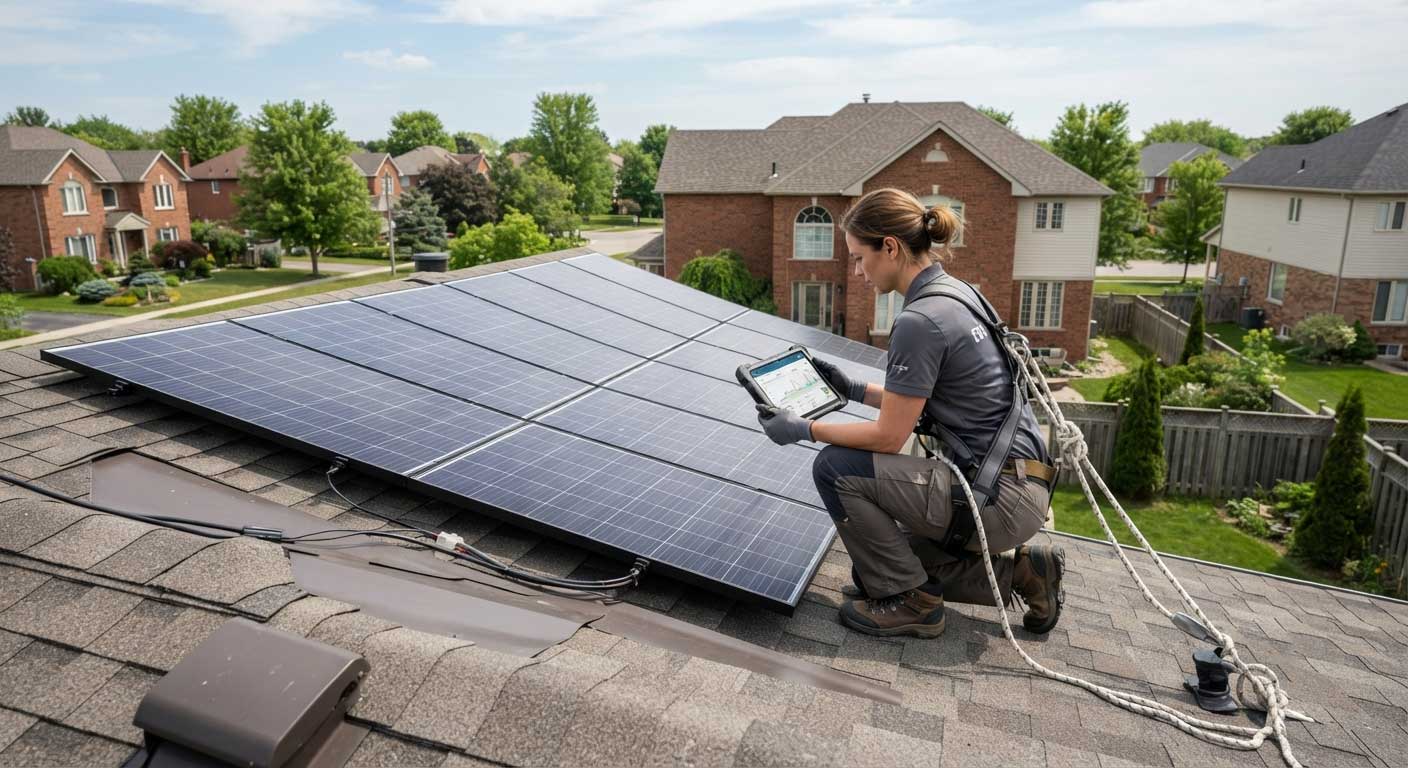
2. Visible Physical Damage
Inspect panels for:
- Cracks in the glass surface
- Delamination
- Discoloration
- Broken frames
- Damaged cables
Physical damage can reduce performance and create safety concerns.
3. Frequent System Errors
If a solar monitoring system repeatedly shows abnormal performance alerts, further inspection may be required.
However, many issues can be repaired without replacing every solar panel.
Do Solar Panels Need Replacement After 25 Years?
Not necessarily.
The 25-year mark is usually related to manufacturer performance warranties, not an automatic replacement requirement.
Many solar panels continue working beyond 25 years if:
- Energy output remains acceptable
- Physical condition is good
- Electrical components function properly
- Maintenance has been performed
A homeowner should compare:
- Current electricity production
- Expected future output
- Replacement cost
- Potential energy savings
Replacing an older solar panel system may make sense when new technology provides significantly better efficiency or when repair costs become too high.
What Affects How Often Solar Panels Need Replacement?
Several factors influence solar panel replacement frequency.
| Factor | Impact on Lifespan |
|---|---|
| Panel quality | Higher quality usually lasts longer |
| Climate conditions | Extreme weather increases stress |
| Installation quality | Poor installation can shorten lifespan |
| Maintenance | Regular checks improve reliability |
| Solar technology | Newer designs may offer better durability |
A properly installed solar panel system in a moderate climate may continue operating efficiently for decades.
How Bright Solar Improves Long-Term Solar Reliability
At Bright Solar, we understand that customers are not only buying solar panels. They are investing in years of renewable energy production.
Our solar solutions focus on:
- Long-term outdoor durability
- Flexible installation possibilities
- Reliable photovoltaic performance
- Practical application design
Flexible solar panels are especially useful when traditional rigid panels are difficult to install, such as:
- RV roofs
- Boats
- Lightweight structures
- Off-grid systems
The goal is not simply creating a solar panel that works today, but developing products that continue delivering value over time.
How Much Does It Cost to Replace Solar Panels?
The cost of replacing solar panels depends on the size of the system, panel type, labor requirements, and whether other components also need replacement.
Typical replacement costs:
| Replacement Item | Estimated Cost Range |
|---|---|
| Single solar panel replacement | $100–$350+ |
| Residential solar panel system replacement | $10,000–$30,000+ |
| Solar inverter replacement | $1,000–$3,000 |
| Professional inspection | $150–$500 |
The final price can vary significantly because replacing solar panels is not always as simple as removing old modules and installing new ones.
Additional costs may include:
- Roof access equipment
- Electrical inspection
- Mounting system upgrades
- New wiring
- Labor fees
- System redesign
In some cases, homeowners may not need a complete replacement. Replacing only damaged panels or upgrading specific components can restore system performance at a lower cost.
Should You Repair or Replace Old Solar Panels?
Not every aging solar system requires complete replacement.
The decision depends on the condition of the equipment and expected future performance.
A simple comparison:
| Situation | Recommended Action |
|---|---|
| Minor cable damage | Repair |
| Dirty or blocked panels | Cleaning and maintenance |
| One damaged module | Replace individual panel |
| Severe physical damage | Consider replacement |
| Very low energy production | Evaluate full system upgrade |
| Old inverter failure | Replace inverter first |
During solar system evaluations, I often find that homeowners assume their panels are failing when the actual issue is an aging inverter or poor electrical connection.
A complete inspection should always come before replacement decisions.
How Can You Extend the Life of Solar Panels?
Although solar panels require little maintenance, several practices can help maximize their operating life.
1. Keep Panels Clean
Dust, leaves, bird droppings, and pollution can reduce sunlight reaching photovoltaic cells.
Cleaning frequency depends on location.
For example:
- Dry desert areas may need more frequent cleaning.
- Rainy climates may require less maintenance.
- Coastal areas may need inspection for salt buildup.
Regular cleaning helps maintain energy production.
2. Schedule Regular Solar Inspections
Professional inspections can identify problems before they become expensive repairs.
Inspection points include:
- Panel surface condition
- Electrical connections
- Mounting structure
- Inverter performance
- Energy monitoring data
A yearly or periodic inspection is often enough for many residential systems.
3. Monitor Solar Production
Modern solar systems often include monitoring platforms that show:
- Daily energy production
- Monthly output trends
- System alerts
- Performance changes
A gradual decline is normal, but a sudden drop may indicate a problem that needs attention.
When Is It Worth Replacing Solar Panels With New Technology?
Technology improvements may encourage some homeowners to upgrade earlier than the end of the panel lifespan.
Newer solar panels may offer:
- Higher efficiency
- Better power output
- Improved temperature performance
- More compact designs
However, replacement should be based on actual benefits.
For example:
A homeowner with 15-year-old solar panels may consider upgrading if newer panels can produce significantly more energy within the same roof area.
But if the existing system still produces sufficient electricity, continuing operation may be the more economical choice.
How Often Do Flexible Solar Panels Need to Be Replaced?
Flexible solar panels generally follow a similar lifespan range as traditional solar modules.
Many quality flexible panels can operate for:
10–25 years depending on materials, installation environment, and usage conditions.
Their lifespan is influenced by:
- Surface protection
- UV resistance
- Waterproof design
- Installation method
- Mechanical stress
Flexible solar panels are often installed in environments where weight and adaptability are important, such as:
- RVs
- Boats
- Camping systems
- Remote power applications
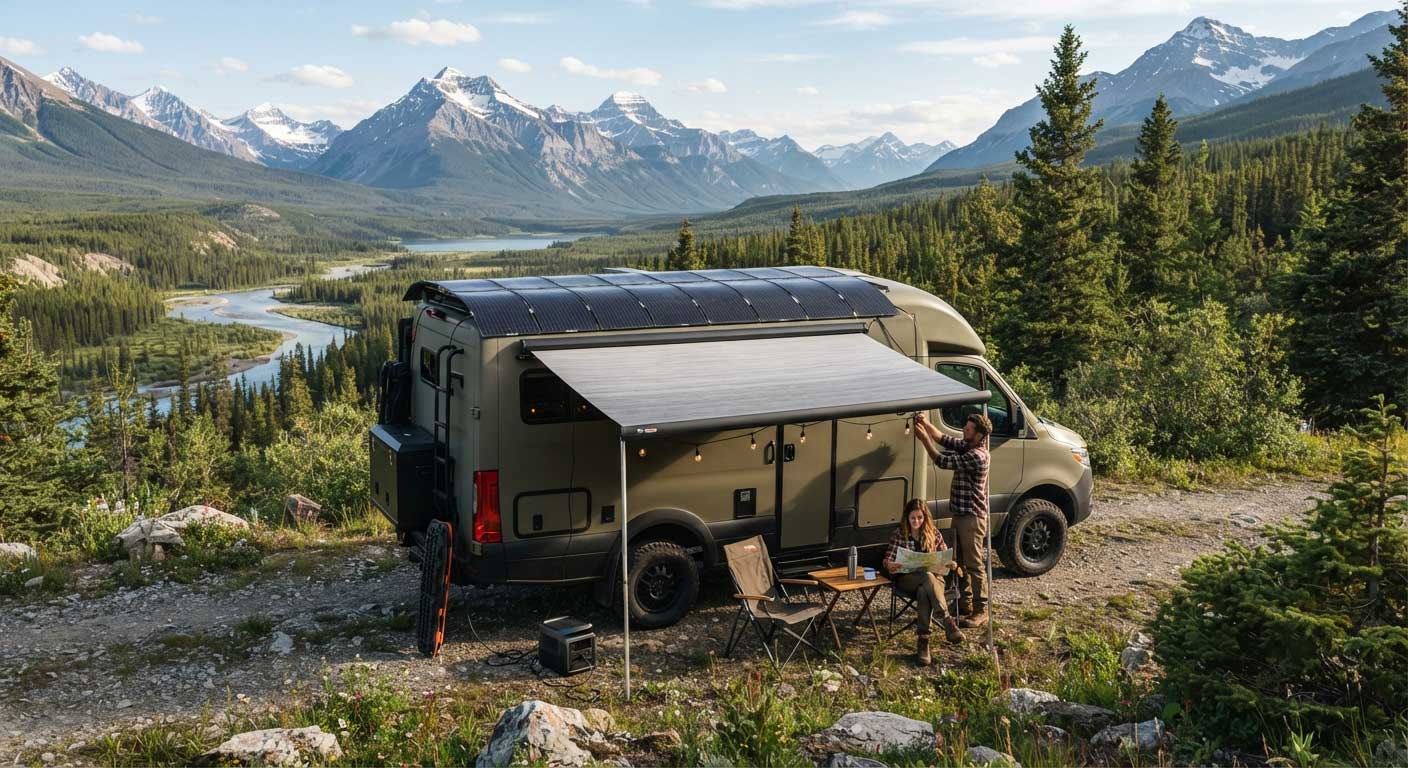
Bright Solar flexible solar panels are designed for customers who need lightweight renewable energy solutions without sacrificing durability.
FAQ About How Often Do Solar Panels Need to Be Replaced?
How often do solar panels need to be replaced?
Most solar panels need replacement after approximately 25–30 years, although many continue producing electricity beyond this period with reduced output.
Do solar panels stop working after 25 years?
No. Twenty-five years is usually a performance warranty period, not an automatic failure point. Many panels continue generating electricity after 25 years.
What is the average solar panel degradation rate?
Modern solar panels typically degrade around 0.3%–0.8% per year, depending on technology, materials, and environmental conditions.
Can damaged solar panels be repaired instead of replaced?
Sometimes. Issues such as wiring problems, loose connections, or installation damage may be repairable. Severely damaged modules usually require replacement.
5. How do I know if my solar panels are failing?
Signs include:
- Lower electricity production
- Visible cracks or damage
- Frequent system alerts
- Reduced performance compared with previous years
A professional inspection can identify the actual cause.
Should I replace my solar panels before they fail?
Not always. Replacement makes sense when energy output drops significantly, repair costs become high, or newer technology provides meaningful benefits.
Do solar panel warranties cover replacement?
Many manufacturers provide product warranties and performance warranties. Coverage depends on the manufacturer, damage type, and warranty terms.
Conclusion: Understanding How Often Do Solar Panels Need to Be Replaced
How often do solar panels need to be replaced? Most solar panels are designed to last 25–30 years, and many continue generating electricity beyond that time with gradually reduced performance.
After reviewing different solar applications, I have found that replacement decisions should not be based only on age. Actual energy production, physical condition, and future energy needs are more important indicators.
Bright Solar focuses on creating durable and adaptable solar solutions that support residential, mobile, and off-grid energy applications.
With proper installation, monitoring, and maintenance, solar panels can provide reliable renewable electricity for decades.
Related recommendations
-

how big are solar panels?
177How big are solar panels? Learn standard solar panel sizes, dimensions, wattage options, and roof space requirements with expert insights from Bright Solar.
View details -
How Flexible Solar Panels Keep From Overheating?
208How flexible solar panels keep from overheating in real-world conditions? Discover heat management technologies, installation tips, and performance insights from Bright Solar.
View details -
What can a 100w solar panel power?
217What can a 100w solar panel power? Discover real device examples, energy output calculations, and practical off-grid applications for RV, camping, and backup systems.
View details -
Do Solar Panels Work With Snow on Them?
178Do solar panels work with snow on them? Learn how snow affects solar output, how winter sunlight works, and when snow removal is necessary for solar panels.
View details