How much energy does solar panels produce?
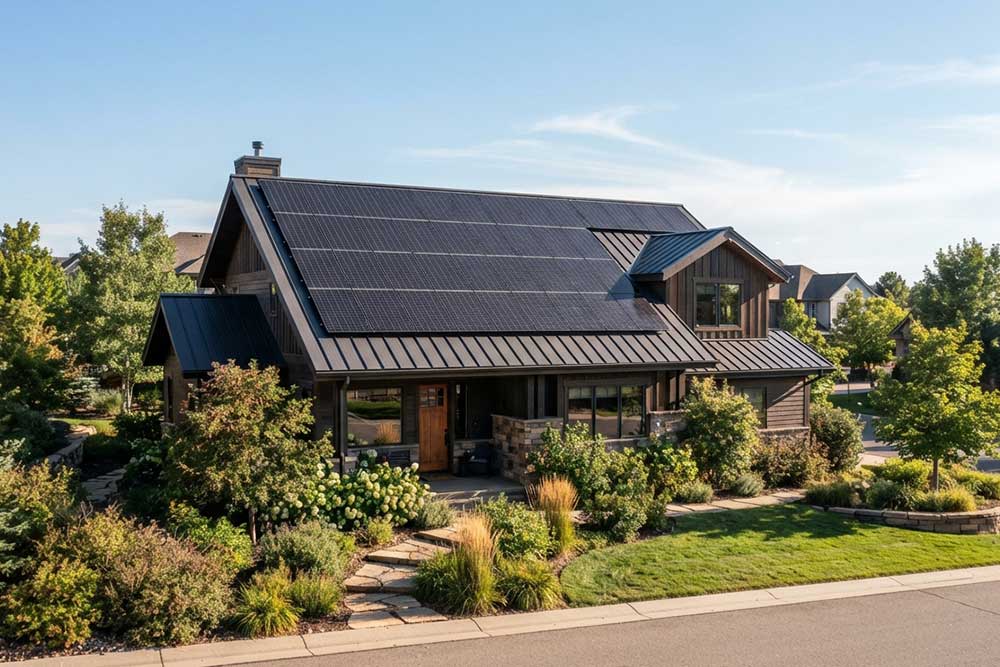
Solar panels produce between 0.3 kWh and several hundred kWh of electricity daily depending on system size, sunlight conditions, panel efficiency, and installation location. A single residential panel commonly generates around 1–2.5 kWh per day.
How much energy does solar panels produce in real-world conditions?
The amount of energy solar panels produce is measured in kilowatt-hours (kWh). While a solar panel’s watt rating shows its maximum power capacity, daily energy production depends on how long the panel receives usable sunlight.
For example:
A 400W solar panel receiving five peak sun hours can theoretically produce:
400W × 5 hours = 2,000Wh = 2kWh per day
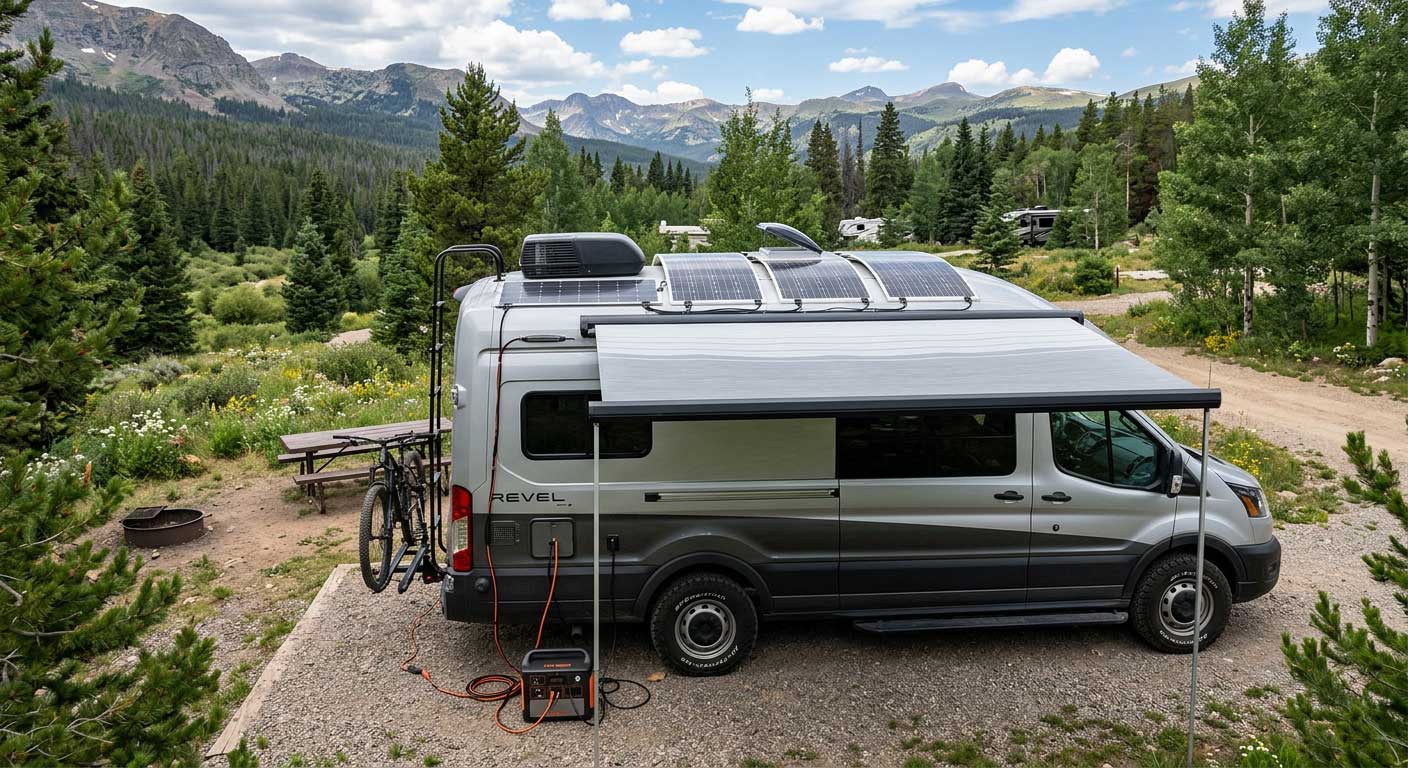
However, field conditions are different from laboratory testing. At Bright Solar, we evaluate flexible solar panels in practical environments including RV roofs, marine surfaces, outdoor equipment, and off-grid installations. A panel mounted on a curved camper roof may experience different airflow, temperature, and sunlight exposure compared with a fixed rooftop installation.
According to the U.S. Department of Energy, photovoltaic electricity production depends on factors such as solar radiation, system orientation, shading, and equipment performance. The National Renewable Energy Laboratory (NREL) PVWatts Calculator is widely used to estimate expected solar energy production based on location-specific conditions.
Typical daily energy production examples:
| Solar Panel System | Approximate Daily Energy Production | Common Use |
|---|---|---|
| 100W solar panel | 0.3–0.6 kWh/day | Portable power, camping |
| 200W solar panel | 0.6–1.2 kWh/day | RV and small off-grid systems |
| 400W solar panel | 1.2–2.4 kWh/day | Residential solar applications |
| 5kW solar system | 20–30 kWh/day | Home electricity supply |
Actual results vary according to weather, season, location, and system design.
What factors determine how much energy solar panels produce?
Solar panel wattage and system size
The first factor is the rated capacity of the solar panel system.
A larger system contains more photovoltaic cells and can convert more sunlight into electricity. A single 100W flexible solar panel cannot generate the same energy as a 5kW rooftop array because the available photovoltaic area is different.
Common system examples:
- 100W–200W: Portable solar applications
- 300W–600W: RV, marine, and residential modules
- 3kW–10kW: Household solar systems
- 50kW+: Commercial solar installations
For mobile applications, Bright Solar often sees customers prioritize usable installation space rather than simply selecting the highest wattage panel. A lightweight flexible module that fits a curved surface can sometimes provide more practical energy than a larger Rigid Solar Panels that cannot be installed effectively.
Sunlight hours and geographic location
Solar energy production changes significantly depending on location.
A solar panel installed in a high-sunlight area such as the southwestern United States generally produces more daily electricity than the same panel installed in regions with frequent cloud cover.
The calculation is:
Solar panel energy production (kWh) = Panel wattage × Peak sun hours ÷ 1000
Example:
A 300W solar panel:
300 × 5 peak sun hours ÷ 1000 = 1.5 kWh/day
This calculation provides an estimate before considering system losses.
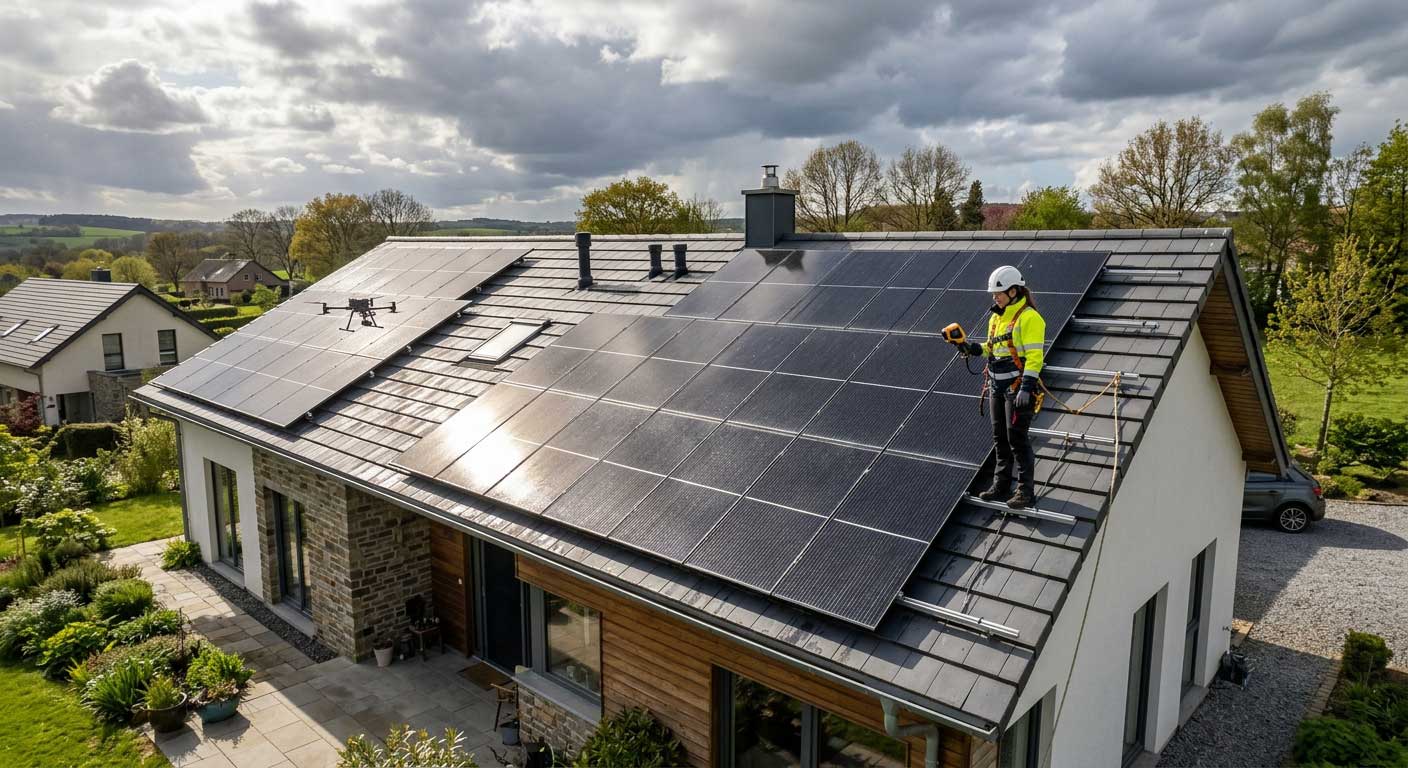
Temperature, shading, and installation conditions
Solar panels work best under strong sunlight, but heat can reduce photovoltaic performance.
During real installation inspections, small details often create noticeable differences:
- A panel partly covered by roof equipment
- Dirt collected after long outdoor exposure
- Poor mounting angle
- Limited ventilation underneath the module
- Longer cable distances causing energy loss
These factors are especially important for RV and marine solar systems because installation areas are usually limited.
How much electricity do solar panels produce per day?
Many users ask about solar production because they want to know whether a solar system can support their actual energy needs.
A typical household uses electricity for:
- Lighting
- Refrigeration
- Heating and cooling
- Electronics
- Appliances
- Electric vehicle charging
A 5kW solar system may produce approximately 20–30kWh per day in favorable sunlight conditions, which can cover a significant portion of household electricity consumption.
For smaller systems, energy planning becomes more application-specific.
Example:
A camper with a 200W flexible solar panel system may use the generated electricity for:
| Device | Approximate Daily Consumption |
|---|---|
| LED lighting | 50–100Wh |
| Phone charging | 10–30Wh |
| Small refrigerator | 500–1000Wh |
| Laptop | 50–100Wh |
The right solar panel size depends on energy demand, battery capacity, and available installation space.
How much power do solar panels generate in different applications?
Solar panels are used in many environments, and energy output expectations are different for each.
| Application | Typical Solar Size | Energy Purpose |
|---|---|---|
| Camping | 100W–200W | Portable electricity |
| RV travel | 200W–600W | Battery charging and appliances |
| Marine systems | 100W–500W | Navigation and onboard power |
| Residential rooftops | 3kW–10kW | Household electricity |
| Commercial projects | 50kW+ | Large-scale generation |
Bright Solar’s engineering team works with OEM customers and system integrators to match solar output requirements with real installation conditions. In flexible solar projects, the available mounting area often determines the final system design.
FAQ About Solar Panel Energy Production
How much energy does a single solar panel produce?
A single solar panel usually produces around 1–2.5kWh per day depending on its wattage, sunlight hours, and installation environment.
How much energy does a 400W solar panel produce?
A 400W solar panel can generate approximately 1.2–2.4kWh per day under typical sunlight conditions.
Do solar panels produce the same energy every day?
No. Daily production changes because weather, seasons, temperature, and sunlight intensity are different throughout the year.
How many kWh does a 5kW solar system produce?
A 5kW solar system commonly produces around 20–30kWh per day in locations with strong sunlight.
Can solar panels produce electricity on cloudy days?
Yes. Solar panels can still generate electricity under cloudy conditions, but output is reduced because less solar radiation reaches the cells.
Does panel efficiency affect daily energy production?
Yes. Higher-efficiency panels can generate more electricity from the same installation area.
Are flexible solar panels suitable for energy generation?
Yes. Flexible solar panels can provide reliable electricity generation for applications where weight, shape, and installation flexibility are important.
Final Answer: How much energy does solar panels produce?
Understanding how much energy does solar panels produce requires looking at the complete system rather than only the panel rating. Solar output depends on wattage, sunlight availability, installation conditions, and application requirements.
Bright Solar provides customized flexible solar panel solutions for RV, marine, portable, and off-grid applications, helping businesses select suitable solar systems based on real-world energy needs.
Related recommendations
-

How Long Do Solar Panels Last?
161Learn how long do solar panels last, what affects solar lifespan, degradation rates, and real-world durability data from long-term solar installations.
View details -
what way should solar panels face?
130In the Northern Hemisphere, solar panels generally face true south; in the Southern Hemisphere, true north is usually preferred.
View details -
how to set up a portable solar panel system?
148Set up a portable solar panel system by positioning the panel in direct sunlight, connecting it to a compatible controller or power station, and checking vol...
View details -
How To Make Solar Panels?
242How to make solar panels explained with each manufacturing step, from silicon materials to finished modules, using expert solar insights from Bright Solar.
View details