How much energy does a solar panel produce per day?
A solar panel typically produces 0.3 kWh to 3 kWh of energy per day, depending on its wattage, sunlight hours, location, installation angle, and system efficiency. Actual daily output varies between applications.
How much energy does a solar panel produce per day in real conditions?
The amount of energy a solar panel produces per day is measured in kilowatt-hours (kWh), not watts. Watts describe the panel’s instant power capacity, while kWh shows the total electricity generated over time.
For example, a 400W solar panel operating under five peak sun hours can theoretically produce:
400W × 5 hours = 2,000Wh = 2kWh per day
However, real-world production is rarely identical to laboratory ratings. During Bright Solar’s flexible solar panel application evaluations, we have seen noticeable differences between panels installed on RV roofs, marine surfaces, and open outdoor testing areas. Heat buildup, mounting angle, cable length, and partial shading can all influence daily energy output.
According to the U.S. Department of Energy, photovoltaic system production depends on solar resource availability, system orientation, shading conditions, and equipment performance. The National Renewable Energy Laboratory (NREL) also provides PVWatts Calculator models that estimate solar energy production based on real geographic conditions.
A practical daily production reference:
| Solar Panel Size | Estimated Daily Energy Production* | Typical Application |
|---|---|---|
| 100W solar panel | 0.3–0.6 kWh/day | Camping, portable power, small devices |
| 200W solar panel | 0.6–1.2 kWh/day | RV systems, off-grid equipment |
| 400W solar panel | 1.2–2.4 kWh/day | Residential and mobile solar systems |
| 500W solar panel | 1.5–3 kWh/day | Commercial solar installations |
*Estimates assume approximately 3–6 peak sun hours and normal system losses.
What factors affect solar panel daily energy production?
Peak sun hours and geographic location
Solar panels do not generate the same amount of electricity every hour. Production depends heavily on available sunlight.
A solar installation in Arizona may receive more usable sunlight than one in a cloudy coastal area. Even identical panels can have different daily energy production because solar radiation changes by region and season.
For calculation:
Daily Energy (kWh) = Solar Panel Wattage × Peak Sun Hours ÷ 1000
Example:
- 300W solar panel
- 5 peak sun hours
Calculation:
300 × 5 ÷ 1000 = 1.5 kWh/day
This simple calculation helps estimate energy needs before designing an RV, marine, or off-grid solar system.
Solar panel efficiency and installation conditions
Efficiency affects how much sunlight is converted into electricity. Higher efficiency panels can generate more power from limited installation space.
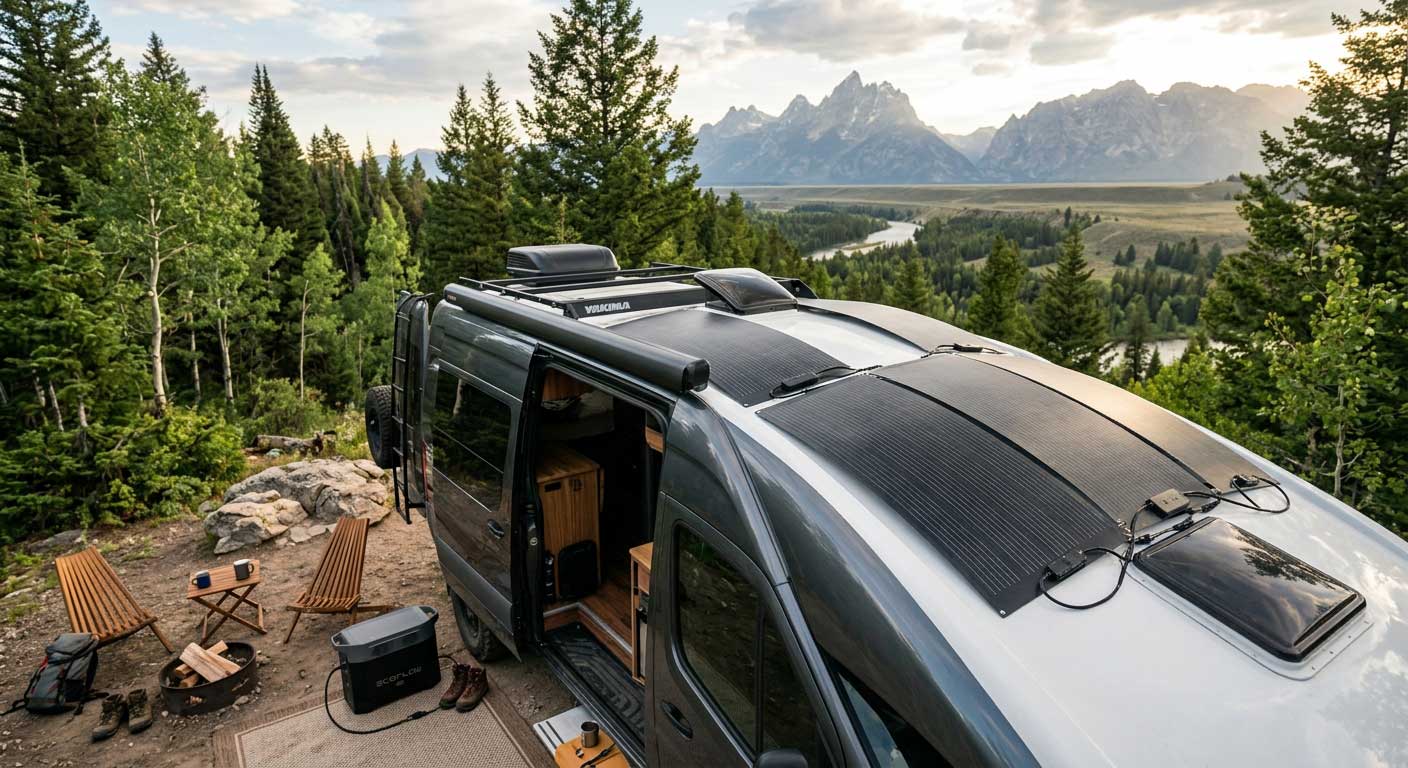
In flexible solar applications, available surface area is often the biggest limitation. A curved RV roof or boat deck may not provide enough flat space for traditional rigid modules. Bright Solar focuses on flexible panel designs that help maximize usable installation areas while maintaining practical power output.
Factors that can reduce daily energy generation include:
- Dust and dirt covering the panel surface
- High operating temperatures
- Incorrect installation angle
- Nearby shading from trees or structures
- Battery and controller conversion losses
How many kWh does a solar panel produce daily?
Many homeowners and off-grid users ask about kWh because electricity bills and battery systems are based on energy consumption.
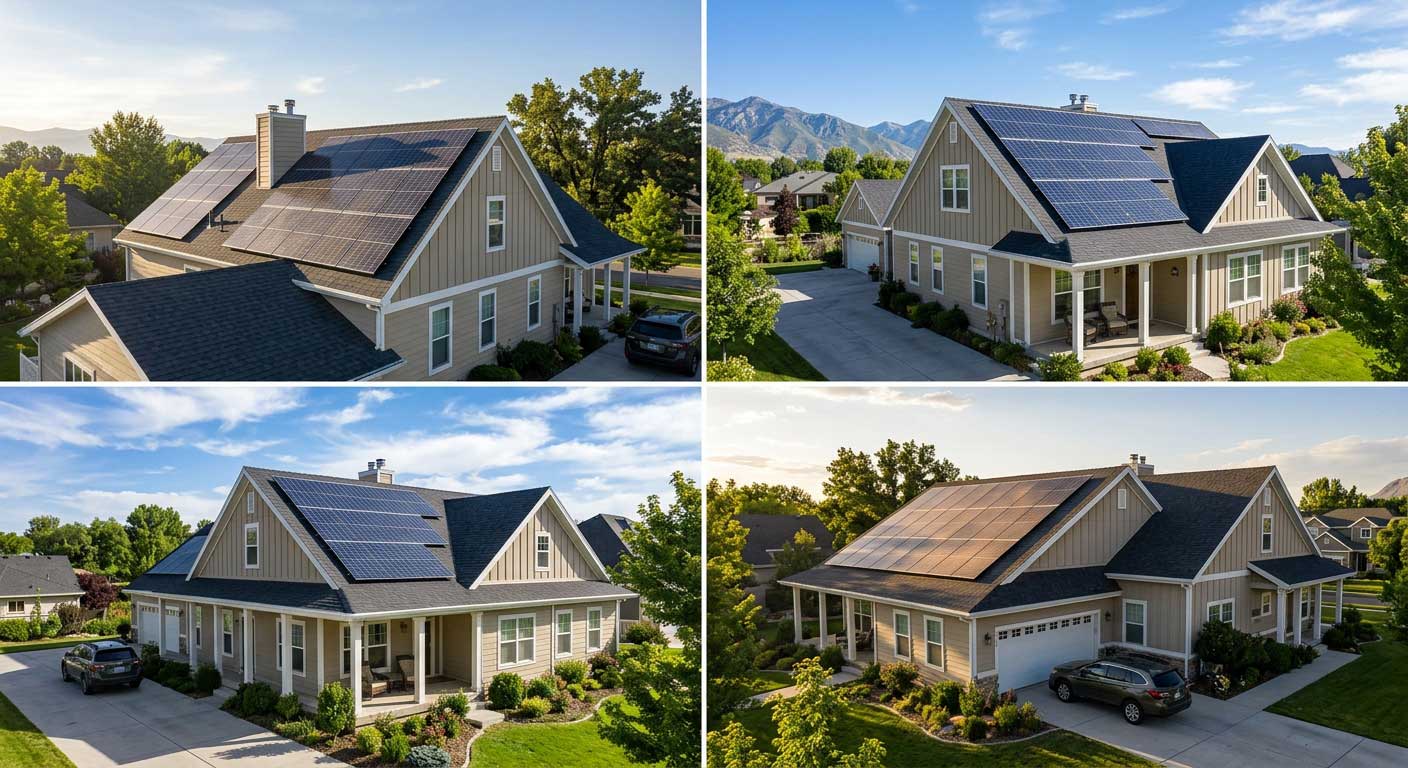
A typical household solar panel system may include multiple panels working together.
Example:
A 5kW solar system using ten 500W panels:
- Total capacity: 5,000W
- Average sunlight: 5 peak sun hours
- Theoretical production: 25kWh/day
After considering inverter efficiency, temperature effects, and other losses, actual usable energy may be lower.
For mobile applications, the calculation is different because space and weight restrictions are more important.
A camper using a Bright Solar 100W flexible solar panel may prioritize:
- Lightweight installation
- Curved roof compatibility
- Reliable charging during outdoor travel
- Easy integration with batteries and portable power stations
The highest wattage panel is not always the best choice. Matching energy production with actual consumption is usually more important.
Solar panel daily energy production by application
| Application | Common System Size | Daily Energy Need Example |
|---|---|---|
| Camping setup | 100W–200W | Phones, lights, small electronics |
| RV solar system | 200W–600W | Refrigerator, lighting, charging |
| Boat solar system | 100W–500W | Navigation and onboard equipment |
| Home solar system | 3kW–10kW | Household electricity supply |
| Off-grid cabin | 1kW–5kW | Lighting, appliances, battery charging |
At Bright Solar, product selection usually begins with the application environment rather than the watt number alone. During discussions with RV builders and solar system integrators, we often evaluate available installation space first, then calculate the required energy output.
FAQ About Solar Panel Daily Energy Production
How much energy does a 100W solar panel produce per day?
A 100W solar panel usually produces around 0.3–0.6 kWh per day under typical sunlight conditions. Actual output depends on location and weather.
How much energy does a 400W solar panel produce per day?
A 400W solar panel can produce approximately 1.2–2.4 kWh daily when exposed to several peak sun hours.
Do solar panels produce energy at night?
No. Solar panels require sunlight to generate electricity. Energy used at night usually comes from batteries or the electrical grid.
Does cloudy weather reduce solar panel daily output?
Yes. Cloudy conditions reduce sunlight reaching photovoltaic cells, which lowers daily energy production.
How can I increase solar panel energy production?
You can improve output by reducing shading, keeping panels clean, optimizing installation angles, and selecting suitable panel technology.
Are flexible solar panels less productive than rigid panels?
Flexible solar panels can achieve similar energy output when using comparable photovoltaic technology. Their main advantage is easier installation on curved or lightweight surfaces.
How do I calculate my solar panel daily energy needs?
Estimate your daily electricity consumption in kWh, then select panel capacity based on sunlight hours, system losses, and battery requirements.
Final Answer: How much energy does a solar panel produce per day?
Understanding how much energy does a solar panel produce per day requires looking beyond the panel rating. A 100W panel, 400W panel, or larger system can produce different daily energy depending on sunlight, installation conditions, and application needs.
Bright Solar helps businesses and system integrators choose flexible solar solutions based on real operating environments, from RV travel and marine applications to off-grid energy systems.
Related recommendations
-

How To Make Solar Panels?
242How to make solar panels explained with each manufacturing step, from silicon materials to finished modules, using expert solar insights from Bright Solar.
View details -
How to keep snow off solar panels?
8Knowing how to keep snow off solar panels helps maintain winter energy production. Proper installation angles, natural melting, and safe snow removal can red...
View details -
Can You Put Solar Panels on a Mobile Home?
205Yes. Solar panels can be installed on a mobile home if the structure, mounting method, electrical system, and applicable requirements support the installation.
View details -
What Is IRC Certificate for Solar Panels?
134An IRC reference for solar panels concerns residential building-code compliance, not a standalone solar product certification.
View details