Can Hail Damage Solar Panels?
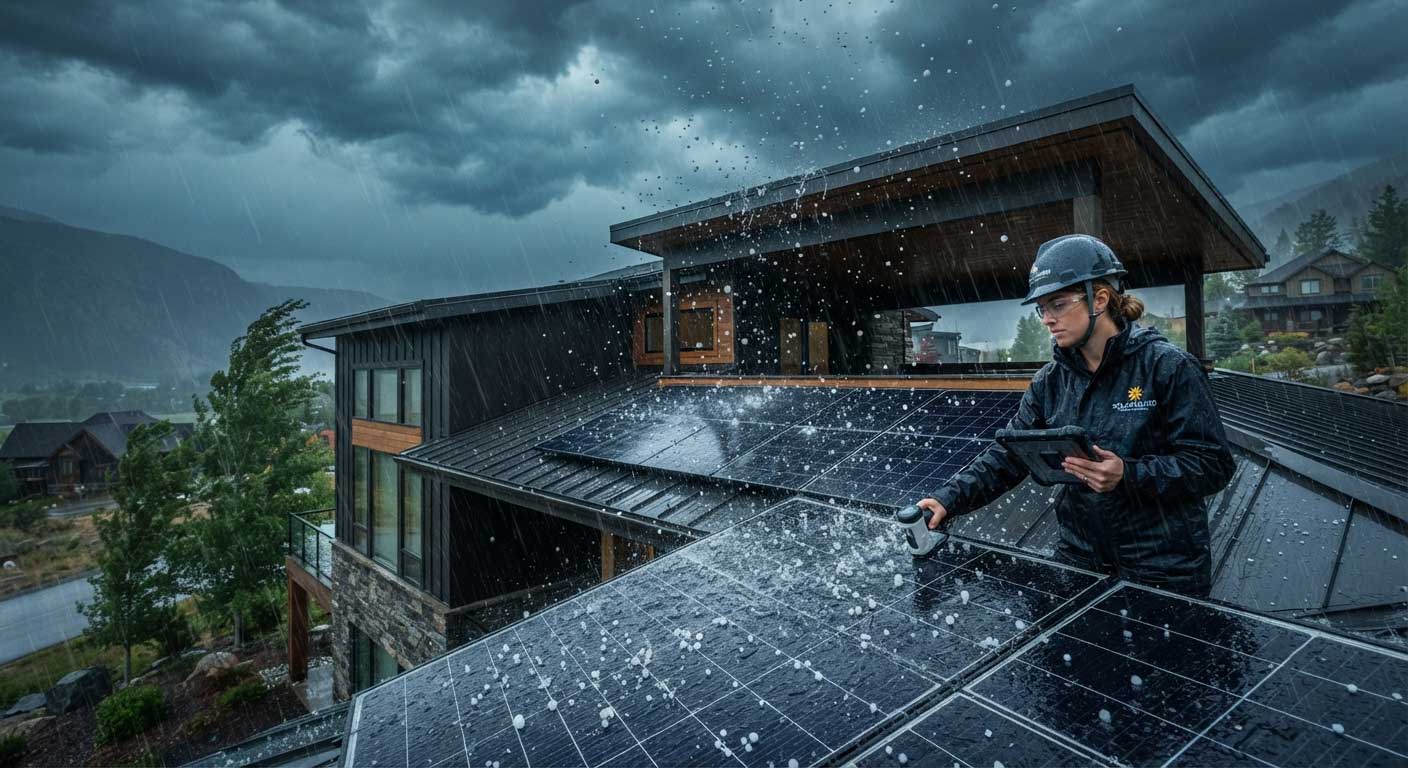
Can hail damage solar panels? Yes, hail can damage solar panels, especially during severe storms with large hailstones and strong wind. However, high-quality solar panels are designed with durable glass and testing standards to withstand common hail impacts.
Solar panels are built for outdoor environments, but no photovoltaic module is completely immune to extreme weather. At Bright Solar, we have evaluated flexible solar panels and traditional photovoltaic modules in different climates, including areas exposed to heavy rain, strong wind, and temperature changes. The biggest difference is usually not whether hail occurs, but whether the panel quality, installation method, and protective materials are suitable for the environment.
Understanding Solar Panel Hail Damage
How Hail Affects Solar Panels
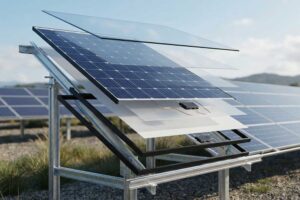
Hail damage occurs when ice particles strike the solar module surface at high speed. The impact can affect different parts of a panel:
- Tempered glass surface
- Solar cells underneath
- Encapsulation layer
- Junction box
- Electrical connections
Small hail often leaves no visible damage, but larger hailstones may create cracks that reduce energy production over time.
According to National Renewable Energy Laboratory (NREL Photovoltaic Reliability Research), photovoltaic modules are tested for environmental stress factors including mechanical loading, temperature cycling, and weather exposure to improve long-term reliability.
How Much Hail Can Solar Panels Handle?
Hail Resistant Solar Panels Testing Standards
Most quality solar panels are tested under international standards to evaluate impact resistance.
The common hail impact test uses:
- Ice balls
- Controlled impact speed
- Different impact locations
- Specific environmental conditions
The International Electrotechnical Commission (IEC) Solar PV Standards includes photovoltaic module testing requirements that help manufacturers evaluate durability and reliability.
Many certified solar modules are designed to withstand hail impacts similar to small-to-medium hail events. However, extreme storms with unusually large hail can still cause damage.
Solar Panel Hail Damage: Common Types of Problems
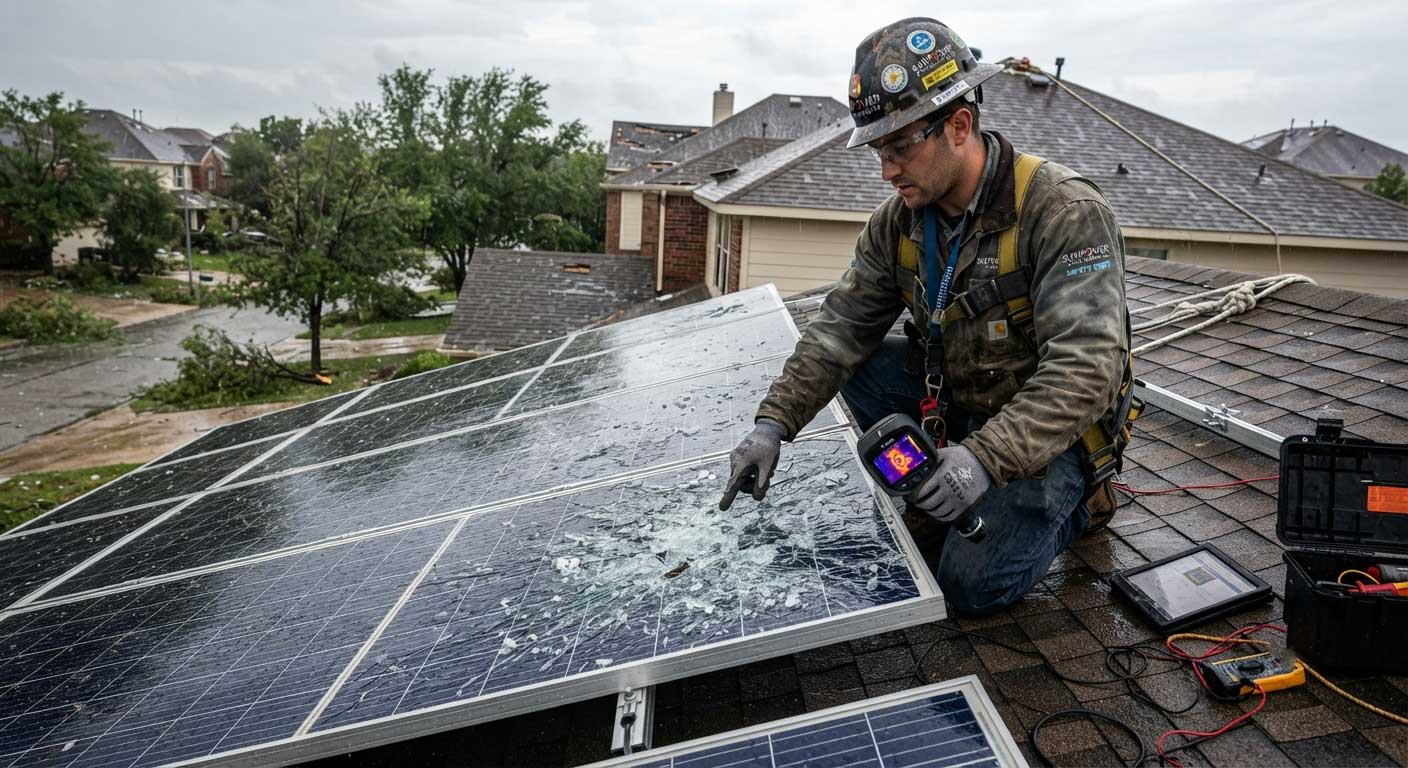
Cracked Solar Glass
The most visible type of damage is cracked front glass.
Signs include:
- Spider-web cracks
- Visible chips
- Broken corners
- Water marks
Even small cracks may allow moisture to enter the module and affect internal components.
Microcracks Inside Solar Cells
Not all solar panel damage is visible.
Microcracks can happen when hail impact creates stress inside photovoltaic cells.
Possible results:
- Lower power output
- Reduced efficiency
- Uneven electrical performance
These issues often require electrical testing because the panel may look normal from the outside.
Damaged Electrical Connections
Strong hail impacts can affect:
- Junction boxes
- Cable connectors
- Internal solder connections
A damaged connection may interrupt current flow even when the solar cells remain intact.
Solar Panels and Hail: What Happens During Severe Storms?
Hail Storm Texas Solar Panels Example
Texas is one of the regions frequently discussed regarding hail risks because some areas experience severe thunderstorms with large hail.
For homeowners researching hail storm Texas solar panels, the main concerns are:
- Large hailstones
- Strong storm winds
- Flying debris
- Roof damage
In real installations, we have found that the surrounding environment often matters as much as the hail itself. A well-mounted panel with proper support may survive conditions that damage poorly installed systems.
Can Solar Panels Be Destroyed by Hail?
Solar Panels Destroyed by Hail: When Does It Happen?
Complete solar panel destruction is uncommon but possible during extreme weather events.
Situations that increase risk:
- Very large hailstones
- Direct impact at high speed
- Poor-quality modules
- Existing panel damage
- Incorrect installation
A damaged panel may not immediately stop working. Some modules continue producing electricity while gradually losing performance.
Factors That Affect Solar Panel Hail Resistance
Panel Material Quality
The front glass plays an important role in impact resistance.
Higher-quality modules typically use:
- Strong tempered glass
- Durable encapsulation materials
- Reliable frame structures
Installation Quality
A strong solar panel installation reduces mechanical stress.
Important factors include:
- Secure mounting brackets
- Correct clamp positioning
- Proper roof attachment
- Suitable spacing
Weather Conditions
The same hailstone can create different results depending on:
- Wind speed
- Impact angle
- Temperature
- Panel position
A hailstone hitting vertically may have a different effect compared with wind-driven hail hitting at an angle.
How to Prevent Solar Panel Hail Damage
Choose Hail Resistant Solar Panels
When installing solar panels in hail-prone regions, consider:
- Certified modules
- Strong protective glass
- Reliable manufacturers
- Proper installation systems
Bright Solar focuses on durable flexible solar solutions designed for outdoor environments, including applications where panels face changing weather conditions.
Install Panels Correctly
Proper installation helps panels handle mechanical stress.
Recommended practices:
- Use suitable mounting hardware
- Follow manufacturer installation guidelines
- Avoid excessive panel movement
- Check mounting points regularly
What To Do After a Hail Storm
Inspect Solar Panels After Severe Weather
After a major hail event:
Check for:
- Visible cracks
- Reduced energy production
- Loose connectors
- Damaged mounting systems
Avoid walking directly on solar panels during inspection because additional pressure may create damage.
How to Check Solar Panels After a Hail Storm
Testing Solar Panels for Hail Damage
After a severe storm, visual inspection is only the first step. Some solar panel hail damage is hidden beneath the glass surface and may not appear immediately.
A complete inspection should include:
- Visual surface check
- Electrical output testing
- Connector inspection
- Inverter performance review
- Mounting system evaluation
At Bright Solar, we recommend checking actual power output after extreme weather instead of replacing panels based only on appearance. A panel with a small surface mark may still operate normally, while an invisible internal crack can reduce production significantly.
How to Tell If Solar Panels Are Damaged by Hail
Check Solar Production Data
The easiest way to identify possible damage is comparing energy production before and after the storm.
Look for:
- Sudden output reduction
- Lower daily generation
- Unexpected inverter warnings
- Individual panel performance differences
For systems with monitoring software, homeowners can often identify problems without climbing onto the roof.
Use a Multimeter for Basic Testing
A multimeter can help check whether a panel is producing expected electrical output.
Basic checks include:
- Open-circuit voltage
- Current output
- Connection continuity
If voltage is normal but current is significantly reduced, the panel may have internal damage or connection problems.
Professional Solar Panel Inspection Methods
Professional technicians may use:
- Thermal imaging cameras
- I-V curve testers
- Electroluminescence testing
- Solar analyzers
These tools can detect:
- Hot spots
- Broken cells
- Microcracks
- Uneven electrical performance
Solar Panel Hail Damage Repair Options
Can Damaged Solar Panels Be Repaired?
In most cases, cracked solar panels cannot be repaired like normal glass products.
Possible solutions include:
Minor Damage
If there are no electrical issues:
- Continue monitoring performance
- Check regularly
- Protect connectors from moisture
Severe Damage
If output decreases significantly:
- Replace affected modules
- Repair damaged wiring
- Inspect mounting components
Replacing one damaged panel is often more practical than attempting internal repairs.
Does Insurance Cover Solar Panel Hail Damage?
Solar Panels Destroyed by Hail and Insurance Claims
Many homeowners insurance policies may cover solar panel hail damage, but coverage depends on:
- Policy type
- Installation ownership
- Location
- Storm severity
- Specific insurance terms
After a severe hail event:
- Take photos of visible damage.
- Record system performance changes.
- Contact your insurance provider.
- Schedule professional inspection.
Keep installation documents and product certifications because they may help during the claim process.
Improving Solar Panel Protection Against Hail
Use Durable Solar Panel Materials
For hail-prone areas, choose panels with:
- Strong surface protection
- Certified impact testing
- Reliable encapsulation
- Quality manufacturing processes
The panel structure matters because the front glass, solar cells, and backing materials work together to absorb mechanical stress.
Consider Solar Panel Placement
Installation location affects hail exposure.
Possible improvements:
- Avoid unnecessary roof edges
- Use strong mounting systems
- Consider roof angle
- Reduce loose installation components
A correctly installed solar system handles weather stress better than a poorly mounted one.
Hail Resistant Solar Panels for Extreme Weather Areas
Choosing Solar Panels for Hail-Prone Regions
Customers in areas with frequent storms should consider:
- Local weather history
- Manufacturer testing
- Warranty conditions
- Installation quality
For example, homeowners researching solar panels and hail in storm-prone regions should focus on total system durability rather than only panel price.
At Bright Solar, we design flexible solar panels for outdoor applications where durability, weight, and environmental resistance are important factors.
FAQ About Can Hail Damage Solar Panels?
Can hail damage solar panels?
Yes, hail can damage solar panels, especially during severe storms with large hailstones. However, quality solar panels are designed with impact-resistant materials to handle normal weather conditions.
Are solar panels hail resistant?
Most certified solar panels are designed to resist hail impacts through durability testing. However, extremely large hailstones and severe storms can still cause damage.
How do I know if hail damaged my solar panels?
Check for cracked glass, reduced power output, inverter warnings, and damaged connectors. Professional electrical testing can identify hidden problems.
Can hail destroy solar panels completely?
Yes, extreme hail events can destroy solar panels, but complete failure is uncommon. Most damage involves cracks, reduced efficiency, or electrical connection issues.
Do solar panels work after hail damage?
Some damaged panels continue producing electricity, but performance may decrease. Testing output is necessary to determine whether replacement is required.
Are flexible solar panels more vulnerable to hail?
Flexible solar panels are designed for outdoor applications, but durability depends on construction materials and installation quality. Properly designed flexible modules can handle many environmental conditions.
Should I cover solar panels before a hail storm?
Permanent covering systems are usually impractical for rooftop solar. Choosing durable panels and proper installation methods provides better long-term protection.
Expert Advice: Protecting Solar Panels From Hail
Hail damage is not only about the size of the hailstone. In real projects, the final result depends on several factors working together:
- Panel quality
- Installation method
- Roof structure
- Weather intensity
- Maintenance condition
A reliable solar system starts with selecting suitable equipment for the local environment.
Bright Solar focuses on flexible solar panel solutions designed for outdoor applications, helping customers build systems that perform reliably through changing weather conditions.Visit product page:Flexible Solar Panels
Conclusion: Can Hail Damage Solar Panels?
Can hail damage solar panels? Yes, severe hail can damage photovoltaic modules, but high-quality panels with proper installation can withstand many common storm conditions.
Solar panel hail damage is usually caused by extreme weather, poor-quality components, or installation issues. Regular inspections, performance monitoring, and choosing hail resistant solar panels help reduce risks and extend system lifespan.
Whether installing solar panels for homes, RVs, or off-grid applications, durability should always be considered alongside efficiency and cost.
The prev: What Direction Should Solar Panels Face?The next: Do Solar Panels Work With Snow on Them?
Related recommendations
-

How Flexible Are Solar Panels Keep From Over Heating?
283How flexible are solar panels keep from over heating? Learn how flexible solar panels manage heat, improve performance, and stay efficient in RV, marine, and off-grid applications.
View details -
What Are Solar Panels Made Out Of?
240Solar panels combine silicon cells with protective, encapsulating, structural, and electrical materials to generate and protect solar power.
View details -
How to Turn Off Solar Panels?
308Learn how to turn off solar panels safely using proper shutdown procedures. Discover real maintenance experience, disconnect methods, and solar safety advice.
View details -
How to Hook Up Solar Panel to Battery?
225Connect the solar panel to a compatible charge controller first, then connect the controller to the battery with correct polarity.
View details