How Much Do Solar Panels Cost for a House?
How much do solar panels cost for a house? A complete residential solar system typically costs $15,000–$30,000 before incentives, while solar panels alone usually range from $0.20–$0.50 per watt. The final price depends on system size, equipment quality, roof conditions, labor costs, and location.
When homeowners ask me about solar costs, many expect the answer to be simply the price of the panels. In real projects, the number on the quotation includes much more than photovoltaic modules. I remember reviewing a residential installation in Texas where the homeowner received three proposals for the same roof. The difference between the lowest and highest quote was over $10,000, mainly because of different inverter choices, installation methods, and service packages.
After years working with solar products and supporting Bright Solar projects, I have learned that the cheapest solar system is not always the most economical. A well-designed system should balance upfront investment, energy production, durability, and long-term return.
What Is the Average Cost of Solar Panels for a House?
The cost of a home solar system depends mainly on how much electricity the household uses and how much solar energy the property can generate.
According to data from the Solar Energy Industries Association (SEIA), residential solar installation prices have continued to decline over recent years as technology improves and installation processes become more efficient.
Source:
- Solar Energy Industries Association (SEIA): https://www.seia.org
A typical cost range looks like this:
| Home Solar System Size | Estimated Installation Cost (Before Incentives) |
|---|---|
| 3 kW system | $9,000–$13,000 |
| 5 kW system | $14,000–$20,000 |
| 7 kW system | $18,000–$27,000 |
| 10 kW system | $25,000–$35,000+ |
The actual cost can vary significantly. A small house with high electricity consumption may need a larger solar system than a larger home with efficient appliances.
What Factors Affect the Cost of Solar Panels for a House?
1. Solar System Size
System size is the biggest factor affecting the total price.
A homeowner using 1,000 kWh of electricity monthly will usually require a larger system than someone using 400 kWh monthly.
For example:
| Electricity Usage | Approximate System Size |
|---|---|
| Low usage home | 3–4 kW |
| Average household | 5–7 kW |
| High usage home | 8–10 kW+ |
More panels mean higher upfront costs, but they can also provide greater electricity savings over time.
2. Solar Panel Type and Efficiency
Not all solar panels have the same price or performance.
Common options include:
| Solar Panel Type | Characteristics |
|---|---|
| Monocrystalline panels | High efficiency, widely used for homes |
| Bifacial panels | Generate electricity from both sides |
| Flexible solar panels | Lightweight and suitable for special installations |
Traditional rooftop systems usually use rigid monocrystalline panels. However, flexible solar panels can be valuable when weight, portability, or installation space becomes a challenge.
Bright Solar develops flexible solar solutions for applications such as RVs, marine projects, portable energy systems, and lightweight structures.
How Much Does Each Part of a Home Solar System Cost?
Many homeowners assume solar panels represent the entire investment. In reality, the photovoltaic modules are only one part of the complete system.
A typical residential solar project includes:
| Component | Approximate Share of Total Cost |
|---|---|
| Solar panels | 20–30% |
| Inverter | 10–15% |
| Mounting equipment | 10% |
| Electrical components | 10–15% |
| Labor and installation | 25–35% |
| Permits and design | 10–15% |
The National Renewable Energy Laboratory (NREL) explains that solar installation costs include hardware, labor, permitting, financing, and other project-related expenses.
Source:
- National Renewable Energy Laboratory (NREL): https://www.nrel.gov
This is why comparing only panel prices can lead homeowners to incomplete conclusions.
How Much Does Installation Add to Solar Panel Costs?
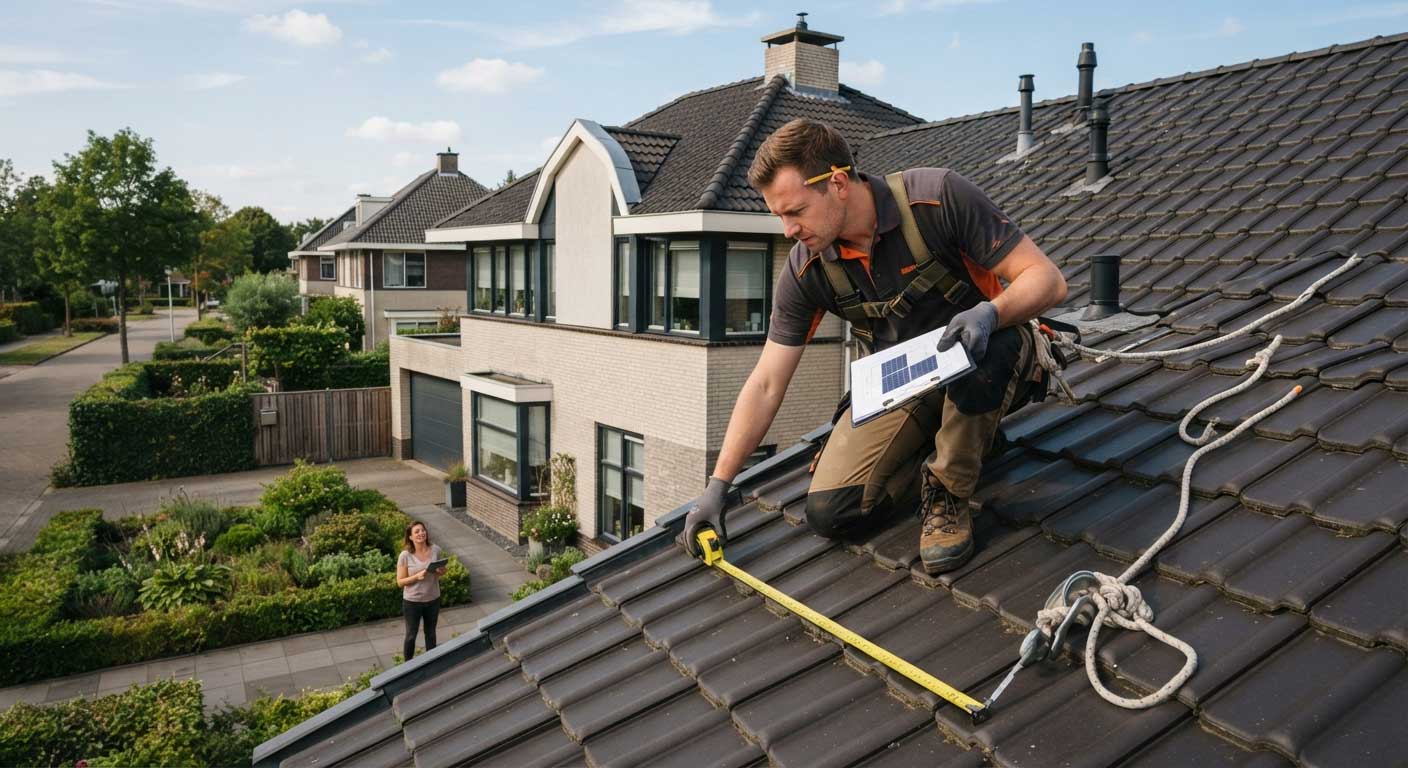
Installation expenses can represent a significant portion of the final solar investment.
Professional installation includes:
- Roof assessment
- Structural evaluation
- Mounting system installation
- Electrical wiring
- Inverter setup
- Safety inspection
- Grid connection procedures
A low-cost installation may appear attractive initially, but poor workmanship can create problems later, including reduced energy production, maintenance issues, or difficult warranty claims.
From my experience reviewing solar projects, the installation company and system design often influence long-term performance as much as the solar panels themselves.
Are Solar Panels Expensive Compared With Their Lifetime Value?
The initial cost of solar panels can seem high, but solar systems are designed for long-term energy production.
Most quality solar panels come with performance warranties of around 25 years, and many systems continue producing electricity beyond that period.
According to the U.S. Department of Energy (DOE), solar photovoltaic technology has become more affordable due to improvements in manufacturing, efficiency, and installation methods.
Source:
- U.S. Department of Energy: https://www.energy.gov
When evaluating solar costs, homeowners should consider:
- Expected electricity savings
- Local electricity prices
- Available incentives
- System lifespan
- Future energy needs
A properly designed solar system is not just a purchase—it is a long-term energy investment.
How Long Does It Take to Recover the Cost of Solar Panels for a House?
The payback period for a residential solar system depends on electricity prices, sunlight availability, system size, incentives, and local regulations.
In many U.S. markets, homeowners may recover their solar investment within several years, but the exact timeline varies from one property to another.
A simplified example:
| Example Factor | Value |
|---|---|
| Solar system size | 6 kW |
| Installation cost | $18,000 |
| Annual electricity savings | $1,500–$2,000 |
| Estimated payback period | Around 9–12 years |
After the payback period, the electricity generated by the solar system can continue reducing energy expenses for many additional years.
However, I always recommend homeowners avoid calculating solar value based only on payback time. During one project review, a customer selected a cheaper system because it had a faster short-term return. After several years, the higher-efficiency system installed by another neighbor had produced more electricity because of better equipment selection and installation quality.
Solar is a long-term asset. Production consistency matters.
How Can You Reduce the Cost of Solar Panels for Your House?
The price of a solar system can often be optimized without choosing the cheapest equipment.
1. Compare Complete Solar Proposals
A proper solar quotation should include:
- Panel model and wattage
- Inverter specifications
- Mounting solution
- Installation details
- Warranty information
- Estimated annual energy production
Comparing only the final price can hide important differences.
2. Choose the Correct System Size
A larger system is not always better.
Oversizing increases upfront costs, while undersizing may leave homeowners depending heavily on grid electricity.
The right size depends on:
- Current electricity consumption
- Future energy plans
- Roof space
- Local sunlight conditions
- Battery storage requirements
3. Consider Different Solar Panel Applications
Traditional rooftop panels are suitable for many homes, but some situations require alternative solutions.
Flexible solar panels can be useful for:
- RV roofs
- Boats
- Off-grid cabins
- Portable power systems
- Lightweight structures
Bright Solar focuses on flexible photovoltaic solutions where traditional rigid panels may not be practical.
Why Choose Bright Solar for Residential Solar Solutions?
At Bright Solar, we believe solar technology should match real-world conditions.
A perfect installation location does not always exist. Many customers deal with:
- Limited roof capacity
- Weight restrictions
- Irregular mounting surfaces
- Outdoor exposure challenges
- Mobile energy requirements
Our experience with flexible solar technology helps customers select solutions based on actual application needs.
Bright Solar solar panels are designed with attention to:
- Lightweight structure
- Reliable photovoltaic performance
- Durable materials
- Flexible installation possibilities
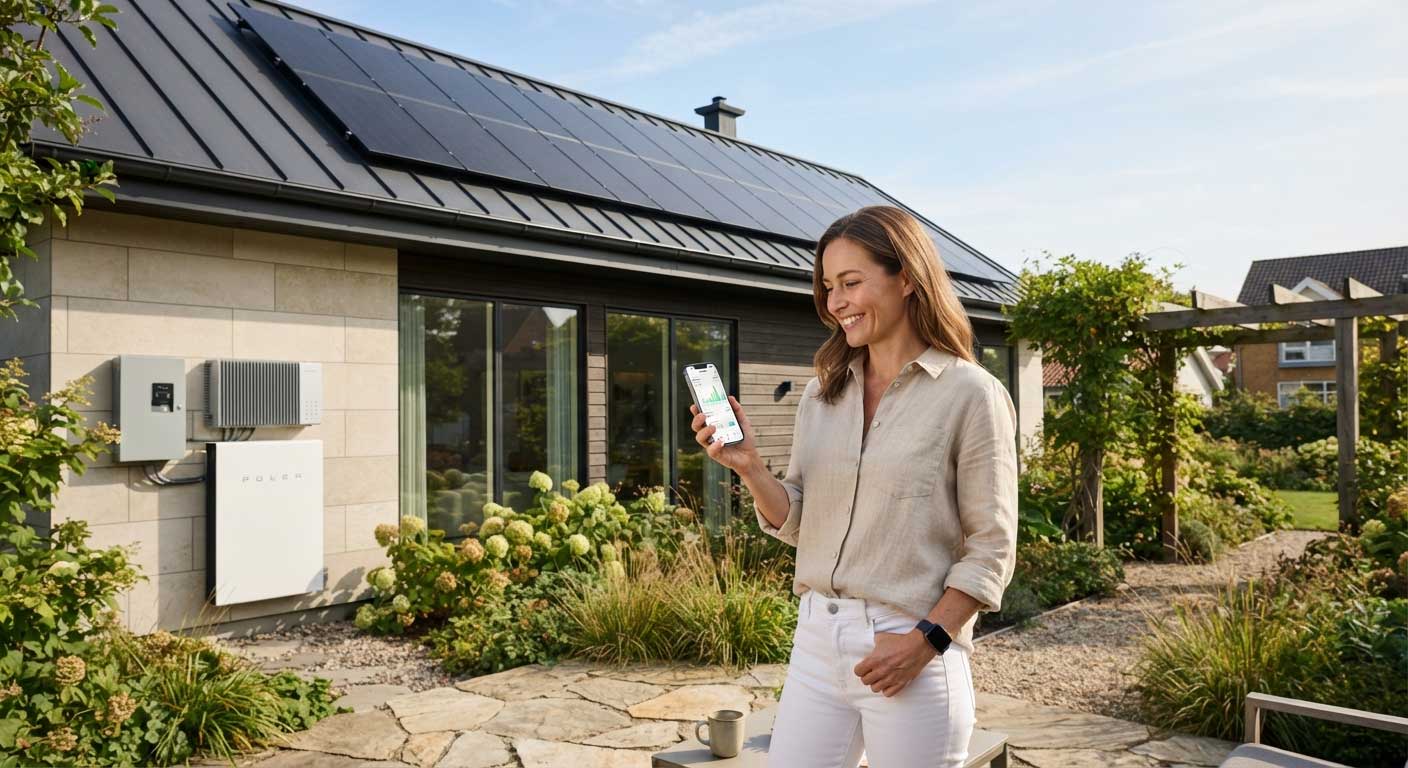
For example, an RV owner may not need the largest possible solar array. A lightweight and efficient system may provide better results because it works within the vehicle’s design limitations.
The best solar system is not always the biggest one. It is the one designed correctly for its environment.
FAQ About How Much Do Solar Panels Cost for a House?
How much do solar panels cost for a house?
Most homeowners spend approximately $15,000–$30,000 before incentives for a complete residential solar system. The final cost depends on system size, equipment, installation conditions, and location.
What is the average cost of solar panels for a home?
The average residential solar installation cost is usually influenced by system capacity. A common 5–7 kW home system may cost around $14,000–$27,000 before incentives.
Does the size of my house determine solar panel costs?
Not directly. Electricity consumption is more important than house size. A smaller home with high energy usage may require a larger solar system.
Are solar panels cheaper if I install them myself?
DIY solar installation can reduce labor costs, but homeowners must consider electrical safety, permits, equipment compatibility, and warranty requirements before choosing this option.
How many solar panels does an average house need?
Many homes require approximately 15–25 panels, depending on panel wattage, electricity usage, roof conditions, and sunlight availability.
Are flexible solar panels good for houses?
Flexible solar panels are useful when weight and installation flexibility are important. They are commonly used for RVs, marine applications, portable systems, and special residential projects.
Do solar panels increase home value?
Solar panels may increase property value because they can reduce future electricity costs and provide renewable energy benefits. The impact depends on local housing and energy markets.
How Much Is A Solar Panel For House?
A single solar panel for a house usually costs between $100 and $500, depending on wattage, technology, and brand. However, a complete home solar system requires multiple panels, inverters, mounting equipment, and installation services.Learn more about “How Much Is A Solar Panel For House“
How Much Are Solar Panels for House?
Solar panels for a house typically cost $15,000–$30,000 before incentives for a complete residential system. The final price depends on electricity usage, system size, panel efficiency, installation conditions, location, and equipment selection.Learn more about “How Much Are Solar Panels for House“
How Much Solar System Cost for Home?
How much solar system cost for home? A complete residential solar system usually costs between $15,000 and $30,000 before incentives, depending on system size, location, equipment quality, installation complexity, and electricity demand. Smaller systems may start near $9,000, while larger homes can exceed $35,000.Learn more about “How Much Solar System Cost for Home“
How Much Is It For Solar Panels On A House?
Solar panels for a house typically cost $15,000 to $30,000 before incentives, including equipment and installation. The final price depends on system size, panel type, roof condition, labor costs, location, and whether battery storage is added.Learn more about “How Much Is It For Solar Panels On A House“
Conclusion: Understanding the Real Cost of Solar Panels for a House
How much do solar panels cost for a house? A typical residential solar system costs around $15,000–$30,000 before incentives, but the final investment depends on energy needs, equipment selection, installation conditions, and location.
After years of working with solar technology, I have seen that successful solar projects are not created by choosing the lowest quotation. They come from matching the right technology with the homeowner’s actual energy requirements.
Bright Solar continues to develop practical solar solutions that help residential and off-grid users achieve reliable renewable energy performance.
Understanding the complete cost—not just the panel price—is the first step toward making a smarter solar investment.
The prev: How Does the Solar Power Work?The next: How Much Does One Solar Panel Cost?
Related recommendations
-

how do solar panels generate power?
227how do solar panels generate power? Learn how photovoltaic cells convert sunlight into electricity, from solar energy absorption to usable home power systems.
View details -
How Much Is a Solar Panel for a House?
117How much is a solar panel for a house? Learn residential solar panel prices, cost factors, installation details, and expert buying insights from Bright Solar.
View details -
how much to have solar panels installed?
117Find out how much to have solar panels installed, including average costs, installation factors, incentives, and expert tips to reduce your solar investment with Bright Solar.
View details -
How many volts should a 100 watt solar panel produce?
229How many volts should a 100 watt solar panel produce? Learn the normal voltage range, testing methods, and real performance data for 100W solar panels with Bright Solar.
View details