How many 300 watt solar panels to run a house?
How many 300 watt solar panels to run a house?
A typical home needs about 17–34 units of 300 watt solar panels to run a house, depending on daily electricity consumption, sunlight hours, and system efficiency. A small energy-efficient home may need fewer panels, while larger homes require more.
At Bright Solar, I have helped evaluate solar requirements for residential, RV, and off-grid projects. The biggest mistake I see is choosing panel numbers based only on house size. Actual electricity usage from utility bills gives a much more accurate starting point.
A solar system should be designed around kilowatt-hours (kWh), not just the number of appliances inside a home.
How to calculate how many 300 watt solar panels a house needs?
The basic calculation is:
Required Solar Panels = Daily Energy Usage ÷ Daily Energy Production per Panel
A 300W solar panel produces:
300 watts × peak sunlight hours × system efficiency
Assuming:
- 5 peak sun hours per day
- 80% system efficiency
Calculation:
300W × 5 hours × 0.8 = 1200Wh
or:
1.2kWh per day per panel
This means one 300W solar panel can generate approximately 1.2kWh daily under good conditions.
For a home using:
30kWh per day
The calculation:
30kWh ÷ 1.2kWh = 25 panels
A 25-panel system:
25 × 300W = 7,500W or 7.5kW solar system
This size is common for average residential applications.
According to U.S. Energy Information Administration (EIA) Residential Electricity Consumption Data, residential electricity consumption varies significantly by location, climate, and household behavior.
How many 300 watt solar panels does an average house need?
The number of panels depends on household electricity usage.
Typical examples:
| Home Energy Usage | Solar System Size | Number of 300W Panels |
|---|---|---|
| 10kWh/day | 2.5–3kW | 8–10 panels |
| 20kWh/day | 5kW | 17 panels |
| 30kWh/day | 7.5kW | 25 panels |
| 40kWh/day | 10kW | 34 panels |
Many U.S. homes consume around 30kWh per day, although actual usage depends on heating, cooling, appliances, and local climate.
For example:
- A home in a mild climate may require fewer panels.
- A home using electric heating or air conditioning may require more.
- A household with energy-efficient appliances may reduce solar requirements.
What factors affect the number of 300W solar panels needed?
A house solar system is influenced by several real-world factors.
1. Daily electricity consumption
This is the most important factor.
Check:
- Monthly electricity bills
- Average kWh usage
- Seasonal changes
A household using 900kWh monthly requires a different solar design than one using 400kWh.
2. Sunlight availability
Solar production depends on location.
Examples:
| Location Condition | Solar Production |
|---|---|
| High sunlight area | Higher output |
| Moderate climate | Average output |
| Cloudy region | Lower output |
A 300W panel installed in Arizona will usually generate more electricity than the same panel installed in a northern region.
3. Roof direction and shading
A south-facing roof in the Northern Hemisphere usually provides strong solar exposure.
Potential issues:
- Trees
- Neighboring buildings
- Roof angles
- Seasonal shadows
During residential assessments, I often find that roof conditions affect system performance more than customers expect.
How much electricity can a 300 watt solar panel produce?
A 300W solar panel does not continuously produce 300 watts all day.
The rated power is measured under laboratory conditions.
Typical daily production:
| Sun Hours | Daily Energy Output |
|---|---|
| 3 hours | 0.7kWh |
| 5 hours | 1.2kWh |
| 6 hours | 1.4kWh |
Annual production:
A single 300W panel may generate approximately:
350–550kWh per year
depending on location and installation conditions.
The National Renewable Energy Laboratory (NREL) Solar Photovoltaic Research provides solar resource data and photovoltaic performance information showing how location and system conditions influence electricity generation.
Can 300 watt solar panels power an off-grid house?
Yes, 300W solar panels can power an off-grid house when combined with batteries, inverters, and proper system sizing.
A typical off-grid setup may include:
| Component | Example Specification |
|---|---|
| Solar Panels | 20–30 × 300W panels |
| Battery Storage | 10–20kWh lithium battery |
| Inverter | 5kW–10kW inverter |
| Charge Controller | MPPT controller system |
Off-grid homes require additional consideration because there is no utility grid backup.
The system must cover:
- Daytime electricity use
- Nighttime loads
- Cloudy weather periods
- Seasonal production changes
At Bright Solar, I usually recommend adding a safety margin instead of designing a system that only works under perfect sunlight.
How many 300 watt solar panels are needed for a 3 bedroom house?
A typical three-bedroom house often requires:
20–30 × 300W solar panels
However, the exact number depends on household habits.
Example:
A three-bedroom home using:
- Refrigerator
- Lighting
- Computers
- Washing machine
- TV
- Air conditioning
may consume:
25–35kWh per day.
Solar requirement:
25kWh ÷ 1.2kWh per panel
≈ 21 panels
For higher energy independence:
25–30 panels may provide better coverage.
How much roof space is needed for 300 watt solar panels?
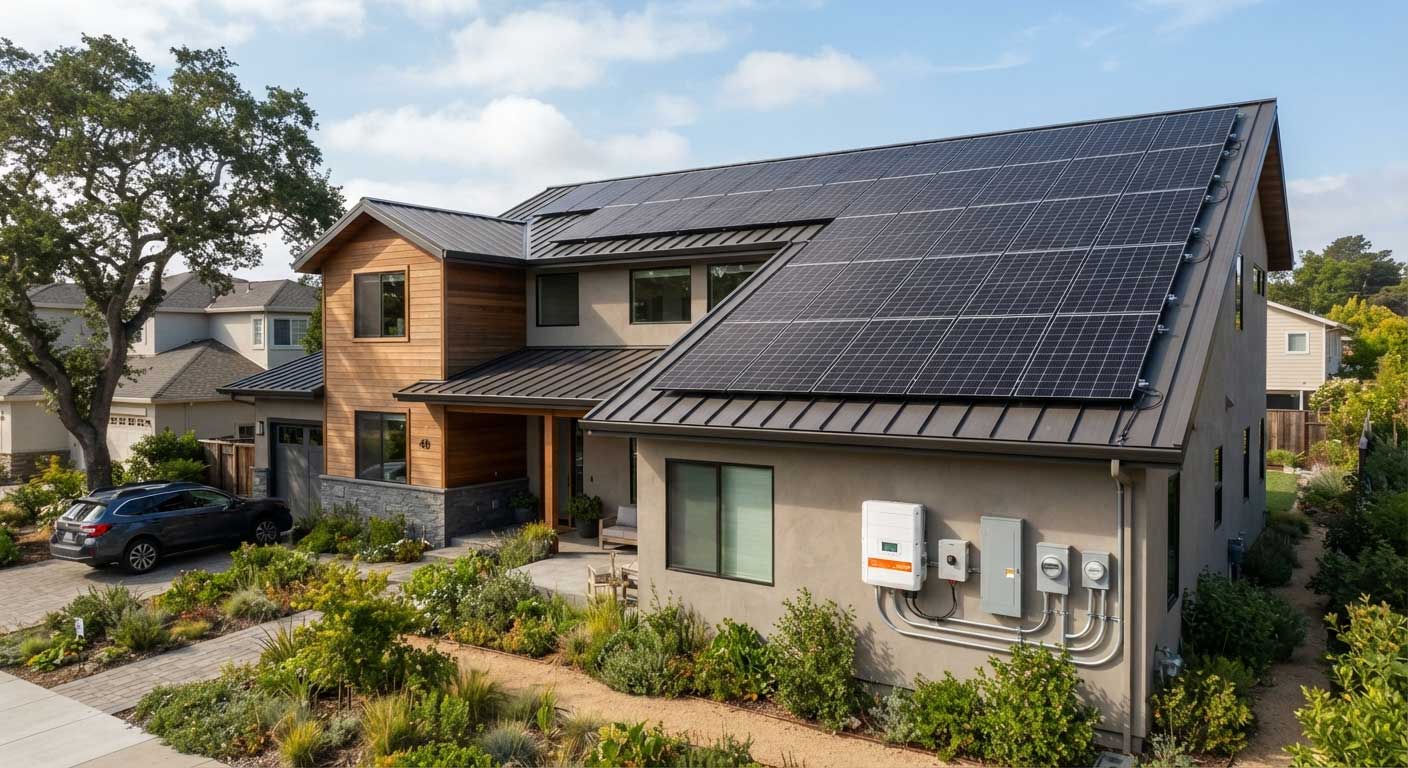
The physical space required depends on the panel dimensions and the total number of panels installed.
A typical 300W solar panel is approximately:
- Length: 64–66 inches
- Width: 39–40 inches
- Area: around 17–18 square feet
Estimated roof area:
| Number of 300W Panels | System Size | Approximate Roof Area |
|---|---|---|
| 10 panels | 3kW | 170–180 sq ft |
| 20 panels | 6kW | 340–360 sq ft |
| 25 panels | 7.5kW | 425–450 sq ft |
| 34 panels | 10.2kW | 580–610 sq ft |
In real installations, additional space may be needed for:
- Panel spacing
- Roof edges
- Maintenance access
- Mounting hardware
When planning residential solar projects, I always recommend measuring usable roof area instead of calculating from total roof size. A large roof does not always mean a large solar capacity if sections are shaded or poorly oriented.
Are 300 watt solar panels still suitable for home solar systems?
Yes, 300W solar panels remain practical for many residential and off-grid applications, although newer panels with higher wattage are becoming more common.
Advantages of 300W panels:
- Easier handling during installation
- Flexible system expansion
- Widely available
- Suitable for smaller rooftops
A homeowner can start with:
10 × 300W panels = 3kW system
and expand later:
20 × 300W panels = 6kW system
This modular approach is useful for customers who want to increase solar capacity gradually.
However, larger modern panels such as 400W–550W modules may reduce installation time because fewer panels are needed for the same system size.
How many 300 watt solar panels do I need with battery storage?
Battery storage does not change the solar energy requirement, but it changes how the system operates.
A battery allows excess daytime solar energy to be stored for:
- Nighttime electricity use
- Power outages
- Cloudy days
Example:
House energy use:
30kWh/day
Solar generation:
25 × 300W panels
Battery storage:
15kWh lithium battery
This setup can provide:
- Daytime solar power
- Evening backup
- Better energy independence
A common mistake is installing a large battery with too few solar panels. The battery needs enough solar input to recharge regularly.
What size inverter is needed for a house with 300W solar panels?
The inverter size depends on total solar capacity and household peak power demand.
Examples:
| Solar System Size | Recommended Inverter |
|---|---|
| 3kW solar system | 3kW inverter |
| 5kW solar system | 5kW inverter |
| 7.5kW solar system | 7.5kW inverter |
| 10kW solar system | 10kW inverter |
The inverter must handle the highest simultaneous electricity demand, not only the solar panel output.
For example:
A home may have:
- Refrigerator
- Air conditioner
- Microwave
- Lighting
running at the same time.
The inverter needs enough capacity to support those loads safely.
Can flexible 300 watt solar panels run a house?
Flexible 300W solar panels can contribute to residential energy systems, especially where traditional panels are difficult to install.
They are commonly used for:
- Tiny homes
- RV houses
- Mobile homes
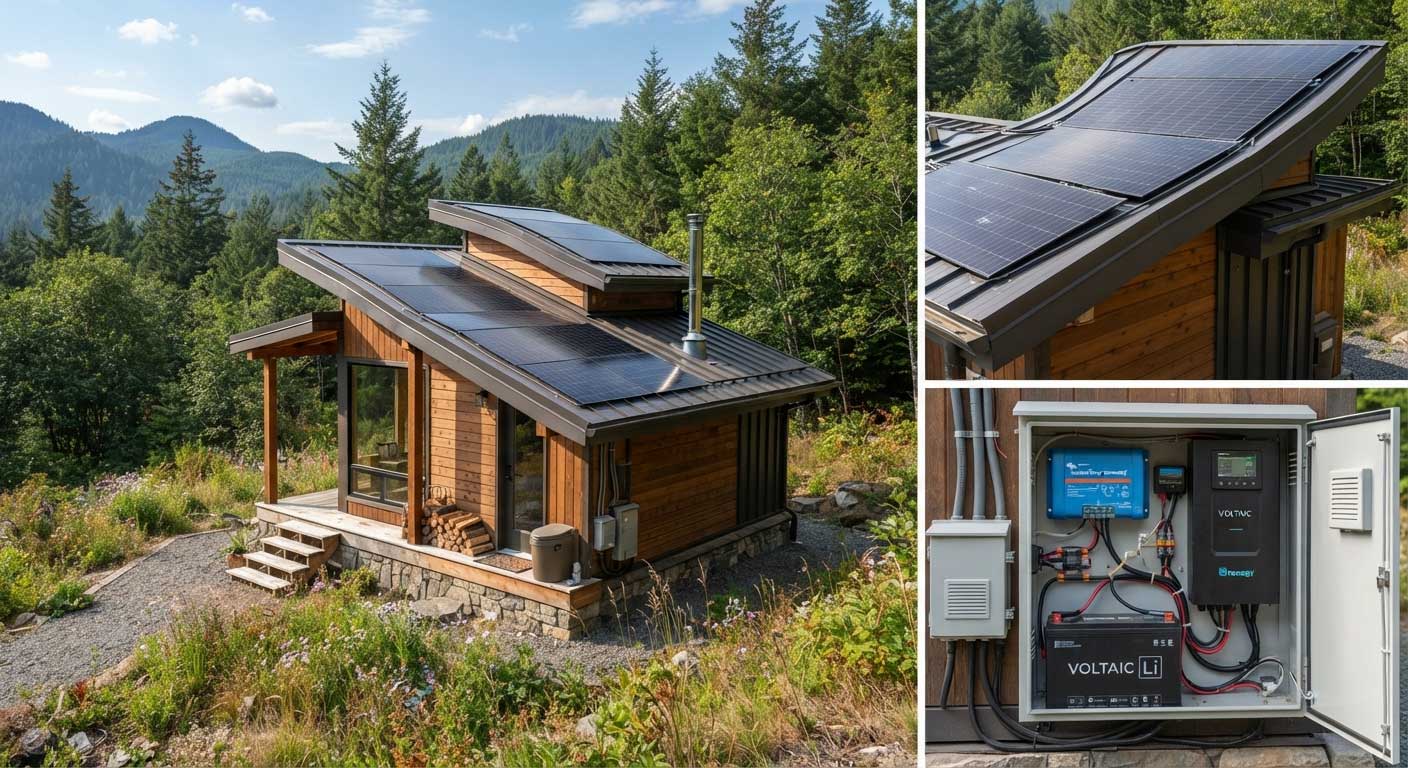
- Off-grid cabins
- Special roof structures
Benefits:
- Lightweight construction
- Easier transportation
- Suitable for curved surfaces
However, for a full residential rooftop system, rigid panels are still more common because they generally provide stronger long-term mechanical protection.
Bright Solar Flexible Solar Panels solutions are designed for applications where installation flexibility and weight reduction are important.
FAQ About how many 300 watt solar panels to run a house?
How many 300 watt solar panels do I need for a normal house?
Most average homes need around 17–34 panels depending on electricity usage, sunlight conditions, and system efficiency.
How many 300W solar panels make a 5kW system?
A 5kW solar system requires approximately:
5,000W ÷ 300W = 16.7
So you need about 17 panels.
Can 300 watt solar panels run a house completely off-grid?
Yes, but the system needs enough panels, battery storage, and inverter capacity to cover daily energy consumption.
How many 300W solar panels are needed for a 2000 sq ft house?
House size alone does not determine solar requirements. A 2000 sq ft home may need approximately 20–30 panels depending on electricity usage.
How much power does one 300 watt solar panel produce?
One 300W solar panel typically produces about 1–1.5kWh per day under good sunlight conditions.
How many batteries are needed with 300W solar panels?
Battery requirements depend on nighttime energy use and backup goals. Many residential systems use 10–20kWh lithium battery storage.
Are 300 watt solar panels enough for air conditioning?
A single 300W panel is not enough for an air conditioner. A complete system with multiple panels and adequate battery capacity is required.
Final Thoughts: How many 300 watt solar panels to run a house?
The answer to how many 300 watt solar panels to run a house depends mainly on electricity consumption, sunlight availability, and system design. Most homes require approximately 17–34 panels for full solar coverage.
A successful residential solar system is not just about adding more panels. Proper calculations for energy demand, roof space, battery storage, and inverter capacity create better long-term performance.
At Bright Solar, we focus on designing practical solar solutions based on real household conditions. Whether the goal is reducing electricity bills, creating backup power, or building an off-grid home, the correct panel quantity is the foundation of a reliable solar system.
Related recommendations
-

How Much Does One Solar Panel Cost?
156How much does one solar panel cost? Discover current solar panel prices, what affects costs, and how to choose the right panel for your home with Bright Solar's expert guide.
View details -
how long does it take to install a solar panel?
173how long does it take to install a solar panel? Learn typical 1–3 day installation times, full project timelines, permitting, inspections, roof complexity, and utility approval.
View details -
How Many Watts in a Volt?
98How many watts in a volt? Learn why volts alone cannot determine watts, how the formula works, and what it means for solar panels, RVs, boats, and battery systems.
View details -
do solar panels store energy?
205do solar panels store energy? Learn how solar panels work with batteries, energy storage options, and how to use solar power after sunset or during outages.
View details