How long do solar panels take to install?
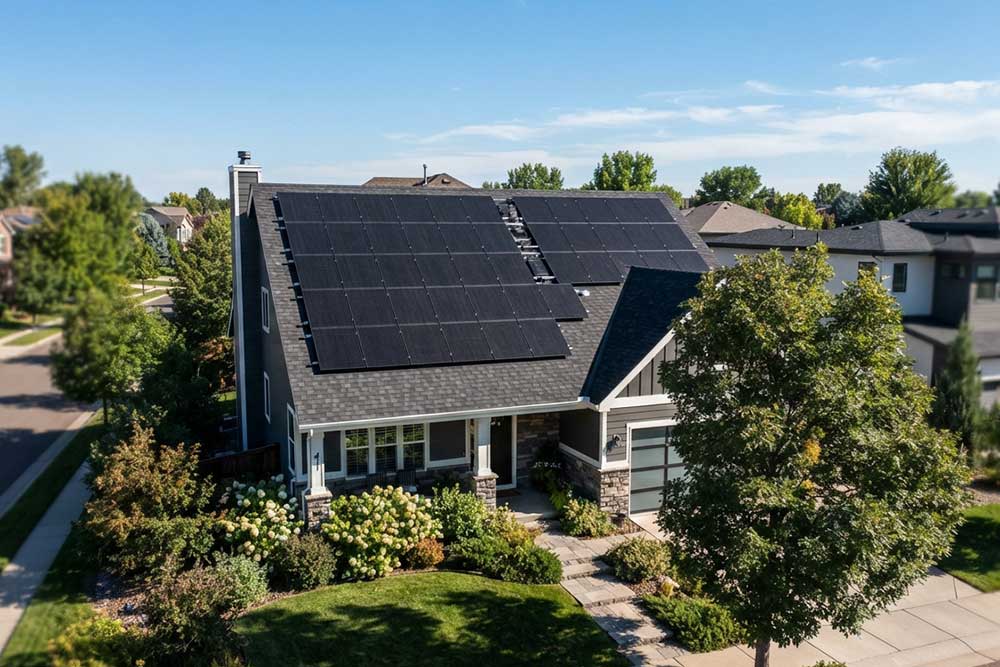
How long do solar panels take to install? Most residential solar installations take 1 to 3 days after permits and preparations are completed. Larger commercial systems or customized solar projects may require several weeks depending on design complexity, inspections, and installation conditions.
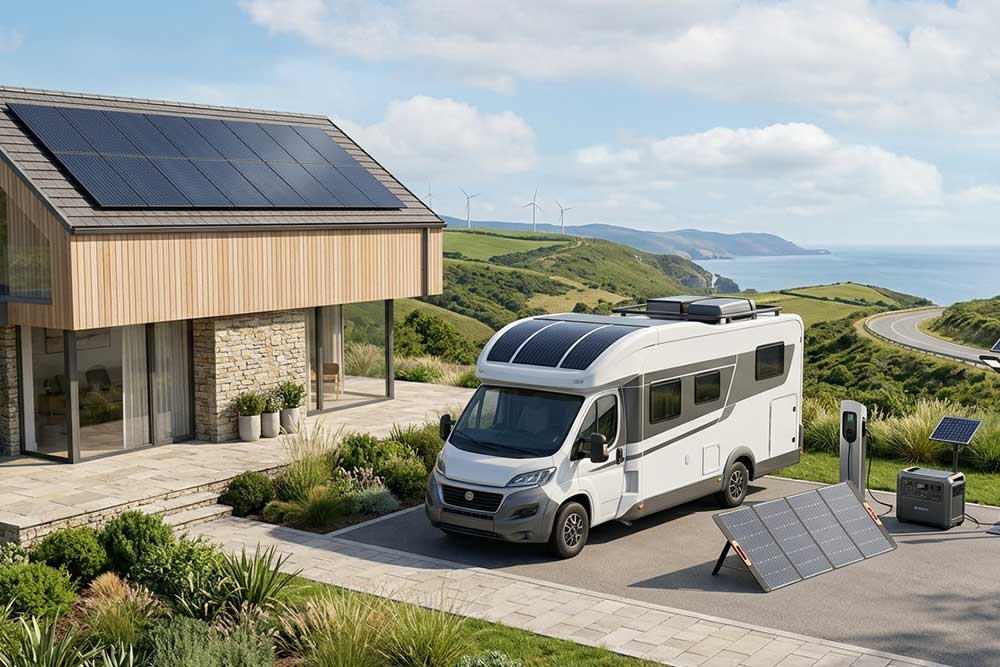
The physical installation of solar panels is usually faster than many customers expect. However, the complete process involves several stages before the first panel reaches the roof. At Bright Solar, we have worked with flexible solar panels, RV systems, marine applications, and customized photovoltaic projects where preparation often determines the final timeline.Visit the product page:Flexible Solar Panel for RV
A common misunderstanding is that installation time depends only on the number of panels. In reality, factors such as roof structure, electrical upgrades, weather conditions, and approval procedures can have a greater impact.
For example, installing ten flexible solar panels on an RV roof may take only a few hours, while a commercial rooftop project with hundreds of modules requires detailed planning, safety checks, and electrical inspections.
Understanding the Solar Installation Timeline
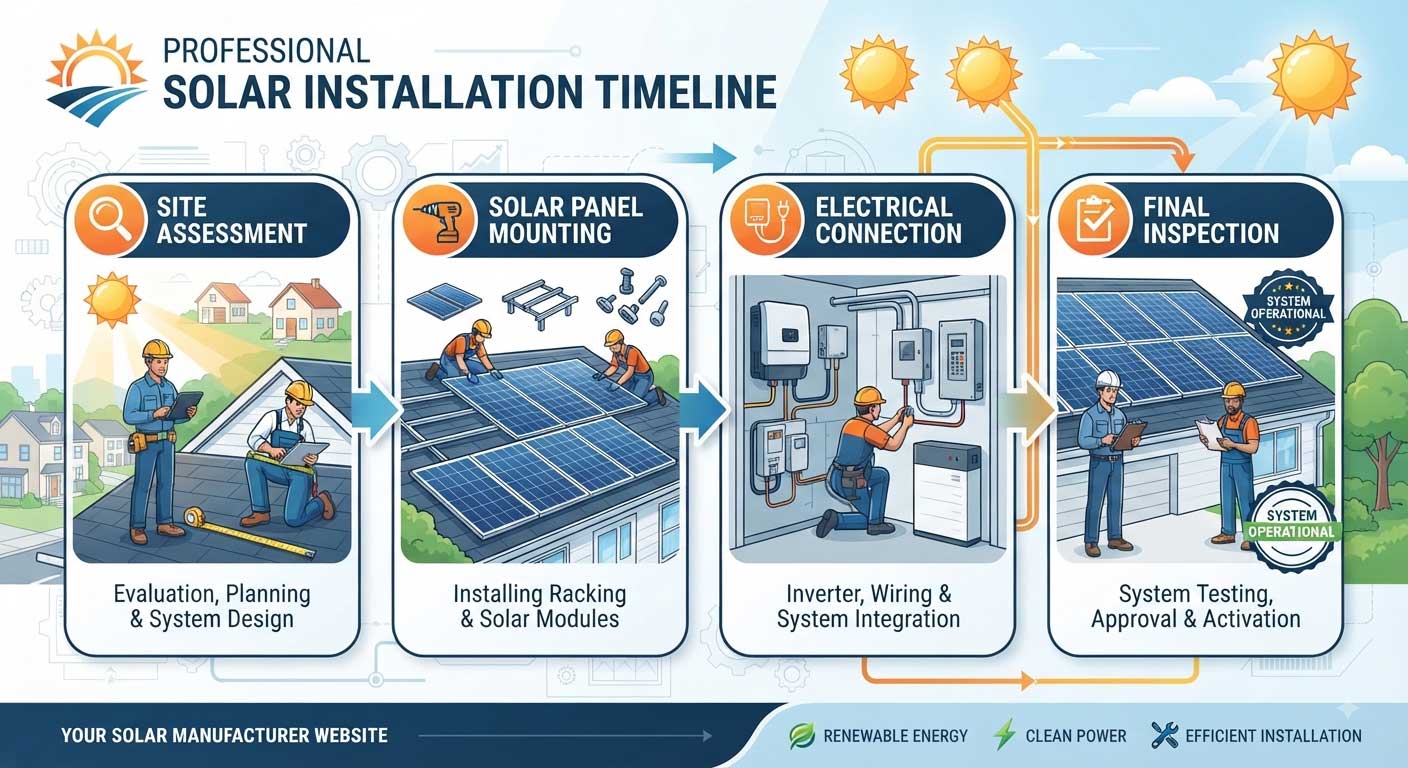
A complete solar installation usually includes several stages:
| Installation Stage | Typical Time Required |
|---|---|
| Site evaluation | 1–7 days |
| System design | Several days to weeks |
| Permits and approvals | 1–8 weeks depending on location |
| Physical installation | 1–3 days for many residential systems |
| Inspection and grid connection | Several days to weeks |
The actual panel mounting is only one part of the project.
According to the U.S. Department of Energy, solar installation timelines can vary significantly depending on permitting, utility requirements, system size, and local regulations. Streamlined permitting processes can reduce delays and improve project completion speed.
Source: https://www.energy.gov/eere/solar
What Happens During Solar Panel Installation?
1. Site Assessment and Planning
Before installation begins, installers evaluate:
- Available roof or mounting area
- Sunlight exposure
- Roof condition
- Electrical system compatibility
- Energy requirements
At Bright Solar, we often start with practical questions:
Where will the system operate?
How much energy is needed?
Will the environment include vibration, saltwater exposure, extreme temperatures, or limited installation space?
These details influence both the design and installation method.
2. Mounting Solar Panels
Once preparation is complete, the installation team mounts the solar panels and connects the electrical components.
For standard rooftop systems, this usually involves:
- Installing mounting brackets
- Positioning solar modules
- Connecting PV cables
- Installing inverters or controllers
- Testing system output
Flexible solar panels can sometimes reduce installation complexity because they are lightweight and adaptable to irregular surfaces.
In RV and marine projects, we have seen installation time reduced because flexible modules eliminate heavy mounting structures required by traditional rigid panels.
How Long Do Solar Panels Last After Installation?
Installation speed is only one concern. Many customers also ask:
How long do solar panels last?
Modern solar panels are designed for long-term operation. According to the National Renewable Energy Laboratory (NREL), photovoltaic modules typically have long service lives, with many manufacturers providing performance warranties of 25 years or more.
Source: https://www.nrel.gov/pv/
The solar panel lifespan depends on:
- Material quality
- Installation environment
- Temperature exposure
- Maintenance
- Manufacturing technology
A well-designed solar system can continue producing electricity decades after installation, although output gradually decreases over time.
How Long Does Solar Energy Last?
Solar energy itself is continuously available as long as sunlight reaches Earth. The limitation is not the energy source but the equipment used to capture and store it.
A complete solar system includes:
- Solar panels
- Inverter
- Charge controller
- Battery storage (if required)
- Electrical connections
Each component has a different operating life.
| Component | Typical Lifespan |
|---|---|
| Solar panels | 25+ years |
| Inverter | Around 10–15 years |
| Battery storage | Around 5–15 years depending on technology |
| Mounting system | 20+ years |
This is why installation quality matters. A poorly installed system may reduce performance long before the solar panels themselves reach the end of their expected lifespan.
Factors That Affect Solar Panel Installation Time
Although many customers ask how long do solar panels take to install, the answer depends heavily on project conditions. Two homes with identical panel numbers can have completely different installation schedules.
The main factors affecting installation time include:
1. System Size and Complexity
A small residential solar system may be completed within a few days, while commercial installations require more preparation.
Large projects often involve:
- Structural analysis
- Multiple electrical circuits
- Additional safety equipment
- More detailed inspections
- Specialized installation teams
A simple rooftop system is usually straightforward. A warehouse, stadium, or industrial site requires a completely different workflow.
2. Roof Condition and Installation Location
The installation surface plays an important role.
Before mounting panels, installers must check:
- Roof strength
- Waterproofing condition
- Available mounting area
- Cable routing options
For flexible solar panels, installation conditions can be different from traditional modules.
At Bright Solar, we have worked on projects where the biggest challenge was not the solar panel itself, but finding the best way to integrate the system into the existing structure.
For example, RV installations often involve limited roof space, curved surfaces, and vibration concerns. The installation method must account for movement, weather exposure, and long-term durability.
3. Permits, Inspections, and Grid Approval
The physical installation may only take a few days, but administrative steps can extend the overall timeline.
Common delays include:
- Permit processing
- Utility approval
- Inspection scheduling
- Local regulations
In some areas, customers wait longer for approval than for the actual installation work.
Solar Panels Environmental Impact: Are Solar Panels Harmful to the Environment?
Many people researching solar energy ask:
Are solar panels harmful to the environment?
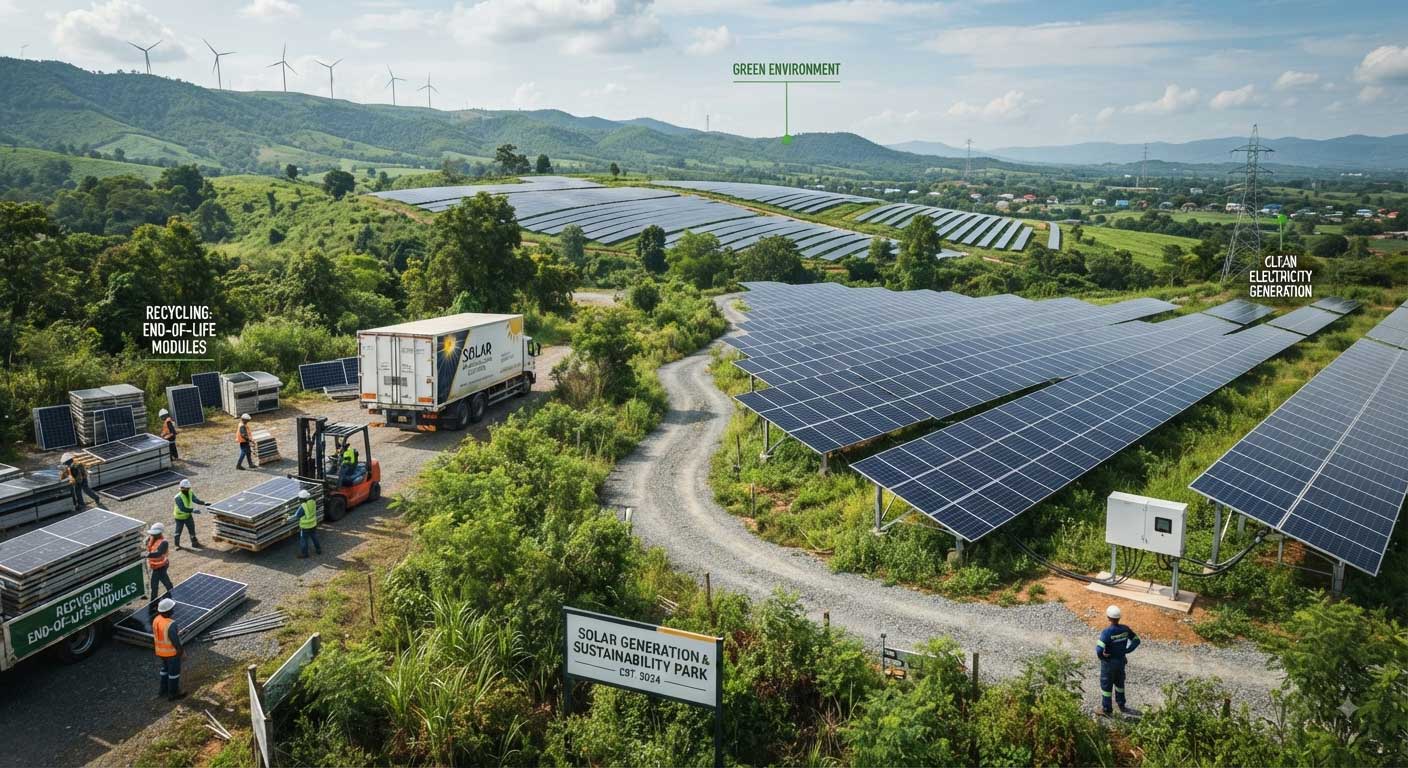
The answer is no when solar systems are responsibly designed, manufactured, and recycled.
Like any manufactured product, solar panels require energy and materials during production. However, during operation they generate electricity without burning fuel or producing direct emissions.
The environmental benefits include:
- Reduced dependence on fossil fuels
- Lower operational carbon emissions
- Renewable electricity generation
- Long operating life
According to the International Energy Agency (IEA), solar PV has become one of the lowest-cost electricity generation technologies globally and plays an important role in reducing power-sector emissions.
Source: https://www.iea.org/energy-system/renewables/solar-pv
Solar Panel Lifespan and Long-Term Performance
The solar panel lifespan is one reason solar energy remains attractive.
Modern photovoltaic modules are generally designed to operate for 25 years or more. Research from the National Renewable Energy Laboratory (NREL) shows that solar modules are expected to continue generating electricity for decades, with gradual performance reduction rather than sudden failure.
A typical degradation pattern means:
| Solar Panel Age | Expected Performance |
|---|---|
| New installation | 100% rated output |
| After 10 years | Slightly reduced output |
| After 25 years | Still producing electricity |
The exact performance depends on:
- Module quality
- Climate conditions
- Installation method
- Maintenance
- Material protection
At Bright Solar, we focus on durability because flexible solar panels often operate in harsher environments, including marine applications, outdoor equipment, and mobile systems.
Bright Solar Experience: Installation Time Is Only the Beginning
After working with different solar applications, we found that customers often focus heavily on installation speed.
But the faster installation is not always the better installation.
A rushed project may overlook:
- Cable protection
- Waterproof sealing
- Panel positioning
- Future maintenance access
A properly planned solar system should continue working efficiently long after installation day.
For Bright Solar projects, we consider the entire lifecycle:
- Installation quality
- Energy production
- Environmental conditions
- Long-term reliability
The goal is not simply installing panels quickly. The goal is creating a solar solution that performs reliably for years.
FAQ About How Long Do Solar Panels Take to Install?
How long do solar panels take to install on a house?
Most residential solar installations take around 1–3 days after all permits and preparation work are completed. Larger systems may require additional time.
How long does the entire solar installation process take?
The complete process can range from several weeks to several months because design, permits, inspections, and utility approvals may take longer than the physical installation.
How long do solar panels last?
Most solar panels have a lifespan of 25 years or more. Many systems continue producing electricity beyond their warranty period with gradual output reduction.
How long does solar energy last?
Solar energy from the sun is continuously available. The practical limitation is the lifespan of solar equipment used to capture and store that energy.
Are solar panels harmful to the environment?
Solar panels are not considered harmful during operation. They produce renewable electricity without direct emissions, although responsible manufacturing and recycling are important.
What affects solar panel lifespan?
The main factors include product quality, installation environment, temperature exposure, weather conditions, and maintenance practices.
Do flexible solar panels last as long as rigid panels?
High-quality flexible solar panels can provide long service life when designed for their application. Material selection, protective coatings, and installation methods are important factors.
Final Thoughts: How Long Do Solar Panels Take to Install?
How long do solar panels take to install? Most systems can be physically installed within a few days, but proper planning, approval, and design determine the complete project timeline.
Solar installation is not only about speed. A reliable system depends on correct engineering, quality materials, and long-term performance planning.
At Bright Solar, we design flexible solar solutions that balance installation efficiency, durability, and real-world energy needs. From mobile applications to customized photovoltaic projects, the best solar system is the one built for the environment where it will operate.
The prev: How large is a solar panel?The next: How to clean solar panels on a roof?
Related recommendations
-

how to install flexible solar panel on rv?
173Learn how to install flexible solar panel on rv with real field-tested RV wiring steps, safety notes, and expert insights from Bright Solar installers.
View details -
How to Install Flexible Solar Panels?
261Learn how to install flexible solar panels correctly on RVs, boats, vans, and roofs. Practical tips, mounting methods, wiring advice, and maintenance insights from Bright Solar.
View details -
how many watts can a solar panel generate?
112Solar panels can range from 50W to over 700W, depending on panel size, cell efficiency, and design. Actual output varies with sunlight, temperature, shading,...
View details -
how many kilowatts will a solar panel produce?
67A solar panel’s kilowatt rating depends on its wattage: 400W equals 0.4 kW, while 500W equals 0.5 kW. Actual output varies with sunlight, temperature, shadin...
View details