How Much To Purchase Solar Panels?
How Much To Purchase Solar Panels?
Purchasing solar panels typically costs $0.20 to $0.50 per watt for standard solar modules, while a complete residential solar system usually requires a much larger investment depending on installation needs. The final price depends on panel type, power rating, technology, and supplier.
The question how much to purchase solar panels is often the first step for homeowners, businesses, and off-grid users considering solar energy. However, the panel price alone does not represent the full cost of a solar project.
At Bright Solar, we work with different solar applications, including flexible solar panels, portable solar systems, and customized energy solutions. Through years of product discussions with customers, we have noticed one common misunderstanding: many buyers compare only the wattage label and ignore efficiency, materials, warranty, and application requirements.
A solar panel is not simply a power-producing sheet.
Its value depends on:
- Energy output
- Installation environment
- Product durability
- Long-term performance
A lower purchase price may look attractive initially, but a reliable panel with better performance can provide stronger value over its operating lifetime.
Average Solar Panel Purchase Cost In 2026
Solar Panel Price Per Watt Explained
Solar panels are commonly priced according to their wattage.
The basic calculation is:
Panel cost = Wattage × Cost per watt
For example:
A 400W solar panel priced at $0.40/W:
400 × $0.40 = $160
Typical solar panel prices:
| Solar Panel Type | Approximate Cost Per Watt | Example Price |
|---|---|---|
| Standard monocrystalline panel | $0.20–$0.40/W | 400W: $80–$160 |
| Bifacial solar panel | $0.25–$0.50/W | 400W: $100–$200 |
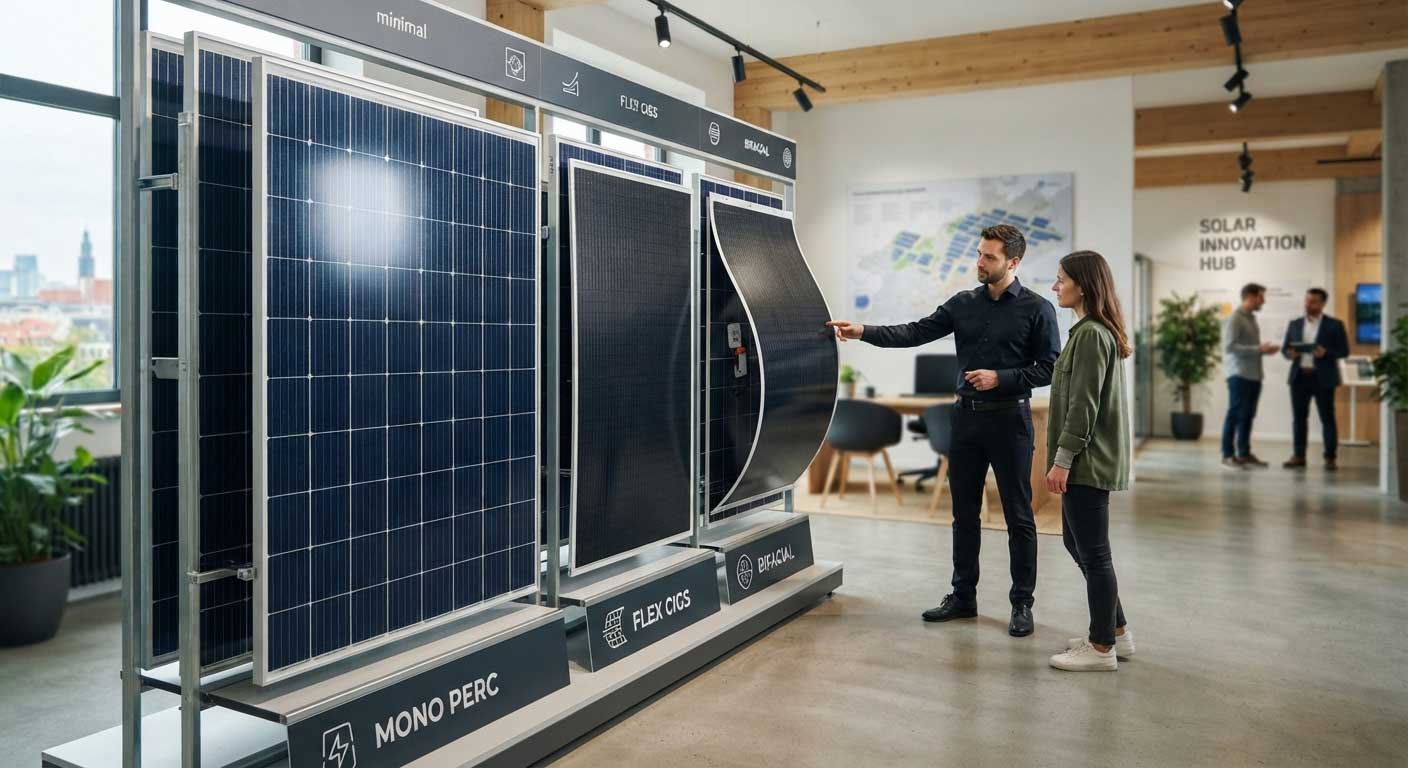
| Flexible solar panel | $0.40–$1.00/W | 400W: $160–$400 |
| Premium high-efficiency panel | $0.45–$0.80/W | 400W: $180–$320 |
Prices vary depending on:
- Manufacturing technology
- Order quantity
- Supplier location
- Certification requirements
- Shipping costs
The National Renewable Energy Laboratory (NREL) tracks photovoltaic technology costs and reports that module pricing continues to change as manufacturing scale and technology improvements develop.
Source:
https://www.nrel.gov/solar/
What Determines Solar Panel Purchase Price?
1. Solar Panel Wattage
Higher wattage panels usually cost more because they produce more electricity.
Common panel sizes include:
| Panel Capacity | Typical Use |
|---|---|
| 100W | Portable systems, small devices |
| 200W | RV and camping applications |
| 300W | Off-grid systems |
| 400W–450W | Residential rooftops |
| 500W+ | Commercial applications |
A higher wattage panel does not always mean a better choice.
For example:
A homeowner with limited roof space may prefer a high-efficiency panel.
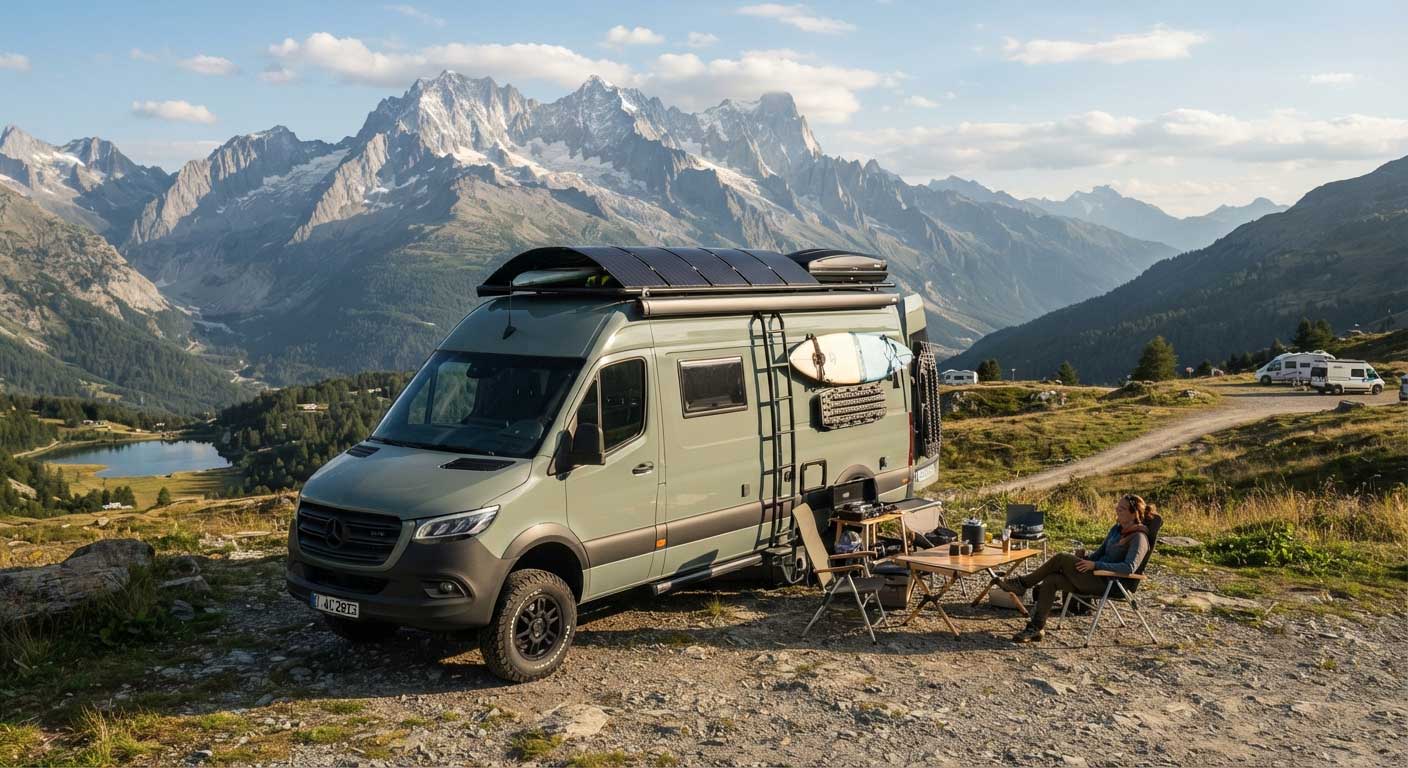
An RV owner may prefer lightweight flexible panels that fit curved surfaces.
2. Solar Cell Technology
The solar cell type directly affects purchase price.
Monocrystalline Solar Panels
Monocrystalline panels are widely used because they offer:
- High efficiency
- Long service life
- Good performance in limited space
They are common for:
- Residential rooftops
- Commercial projects
- Portable solar products
Flexible Solar Panels
Flexible solar panels usually have a higher price per watt because they use specialized materials and manufacturing processes.
Their advantages include:
- Lightweight structure
- Easy transportation
- Installation on curved surfaces
- Lower structural load
Bright Solar flexible panels are designed for applications where traditional rigid modules may not be practical.
Typical applications include:
- RV roofs
- Boats
- Outdoor equipment
- Remote energy systems
How Much Does A 400W Solar Panel Cost?
Understanding A Common Solar Panel Size
A 400W solar panel is one of the most common choices today.
Typical purchase prices:
| 400W Solar Panel Type | Estimated Price |
|---|---|
| Standard panel | $90–$160 |
| Mid-range panel | $140–$220 |
| Premium panel | $220–$350 |
| Flexible 400W panel | $400+ depending on technology |
The final price depends on:
- Brand reputation
- Cell efficiency
- Material quality
- Warranty period
- Certification
For example, panels designed for harsh environments may cost more because they require additional protection against:
- Moisture
- UV exposure
- Temperature changes
- Mechanical stress
Buying Solar Panels In Bulk vs Single Purchase
Does Quantity Affect Solar Panel Price?
Yes.
Solar panel pricing changes significantly depending on order volume.
Typical purchasing differences:
| Purchase Method | Price Impact |
|---|---|
| Single panel purchase | Highest unit cost |
| Small quantity order | Moderate pricing |
| Wholesale purchase | Lower unit cost |
| Large project order | Customized pricing |
Businesses, installers, and distributors often purchase solar panels in bulk because manufacturers can provide better pricing structures.
At Bright Solar, customized solar solutions are often evaluated based on:
- Quantity
- Application
- Technical requirements
- Shipping destination
Solar Panel Purchase Cost vs Total Solar System Cost
Panels Are Only One Part Of The Investment
Many buyers focus only on the solar panel price but forget additional equipment.
A complete solar system may include:
| Component | Function |
|---|---|
| Solar panels | Generate electricity |
| Charge controller | Controls battery charging |
| Battery storage | Stores energy |
| Inverter | Converts DC to AC power |
| Mounting system | Secures panels |
For residential systems, installation and electrical equipment can represent a significant portion of total project costs.
The U.S. Department of Energy explains that photovoltaic system costs include hardware, installation, operation, and other project-related expenses.
Source:
https://www.energy.gov/eere/solar/solar-photovoltaic-technology-basics
How To Choose Cost-Effective Solar Panels
Buying The Right Solar Panel Instead Of The Cheapest One
When evaluating how much to purchase solar panels, price should not be the only consideration.
A solar panel is expected to operate outdoors for many years, so buyers should consider the total value.
Important evaluation points include:
- Energy output per watt
- Product warranty
- Material quality
- Temperature performance
- Certification requirements
- Supplier reliability
A panel that costs slightly more but produces more electricity over time may provide better long-term value.
At Bright Solar, we often discuss this point with customers looking for flexible solar solutions. The lowest quotation is not always the most economical choice because installation conditions and operating environments can affect real performance.
Hidden Costs When Purchasing Solar Panels
Additional Expenses Buyers Should Consider
The solar panel price is only the beginning of the purchase decision.
Depending on the application, additional costs may include:
| Additional Item | Possible Cost Impact |
|---|---|
| Shipping | Depends on distance and quantity |
| Mounting accessories | Required for installation |
| Wiring and connectors | Needed for electrical connection |
| Charge controller | Required for battery systems |
| Inverter | Needed for AC power conversion |
| Installation service | Depends on project complexity |
For example, an RV solar project may require:
- Lightweight panels
- Waterproof connectors
- Solar controller
- Battery integration
A residential rooftop project may require:
- Roof mounting hardware
- Electrical inspection
- Grid connection equipment
The correct budget depends on the complete system design.
How To Buy Flexible Solar Panels At The Right Price
Flexible Solar Panel Purchasing Guide
Flexible solar panels are becoming popular for applications where traditional solar modules are difficult to install.
Common users include:
- RV owners
- Boat owners
- Campers
- Off-grid users
- Portable energy users
Before purchasing flexible solar panels, consider:
1. Panel Weight
Weight matters for mobile applications.
For RVs and boats:
- Lower weight reduces structural load
- Easier installation improves flexibility
2. Surface Compatibility
Flexible panels are designed for surfaces where rigid panels may not work.
Examples:
- Curved RV roofs
- Marine surfaces
- Portable structures
3. Protection Materials
Outdoor solar panels face continuous environmental exposure.
Important materials include:
- ETFE coating
- UV-resistant surfaces
- Waterproof junction boxes
- Durable backing materials
High-quality protection can improve reliability in harsh conditions.
How To Reduce Solar Panel Purchase Costs
Practical Buying Strategies
There are several ways to reduce solar panel purchasing costs while maintaining quality.
1. Purchase The Correct Wattage
Buying a larger panel is not always more economical.
Choose based on:
- Available installation space
- Energy requirements
- System voltage
- Daily electricity consumption
A correctly matched panel avoids unnecessary spending.
2. Compare Specifications, Not Only Prices
Two panels with the same wattage may have different performance.
Compare:
| Specification | Why It Matters |
|---|---|
| Efficiency | Determines energy conversion |
| Warranty | Shows manufacturer confidence |
| Material | Affects durability |
| Temperature coefficient | Affects hot-weather performance |
| Certification | Ensures product compliance |
3. Consider Direct Manufacturer Purchasing
Buying directly from manufacturers may provide advantages:
- Better pricing
- Custom solutions
- Technical support
- Bulk purchasing options
However, buyers should verify:
- Manufacturing capability
- Quality control
- Product certifications
- After-sales service
Bright Solar Experience: Choosing Solar Panels Based On Real Applications
Why Solar Panel Selection Starts With Usage
During our work with solar customers, we have learned that the first question should not be:
“How cheap is the panel?”
The better question is:
“Where will this panel be used?”
Different applications require different priorities.
For example:
Residential Rooftop
Priority:
- High efficiency
- Long lifespan
- Stable output
RV Solar System
Priority:
- Lightweight design
- Flexible installation
- Space efficiency
Marine Application
Priority:
- Waterproof protection
- Corrosion resistance
- Durability
At Bright Solar, we develop solar products for different environments because energy needs are not identical.
A panel that performs well on a house roof may not be the best choice for an RV or marine project.\
FAQ About How Much To Purchase Solar Panels?
How much to purchase solar panels for a home?
The cost depends on panel quantity, wattage, brand, and installation requirements. Individual solar panels may cost from around $100 to several hundred dollars, while complete systems require additional equipment and installation.
How much does one solar panel cost?
A typical solar panel can cost approximately $80–$350 depending on wattage, technology, and quality. Flexible solar panels may have higher prices because of specialized designs.
Are flexible solar panels more expensive than regular panels?
Yes, flexible solar panels usually have a higher cost per watt because they use lightweight materials and specialized manufacturing processes.
Is it cheaper to buy solar panels in bulk?
Yes. Larger orders often receive better pricing because manufacturers can optimize production and logistics costs.
What is the cheapest solar panel option?
Standard monocrystalline panels are usually among the most affordable options for residential systems. However, the cheapest option may not always provide the best long-term value.
How do I know if a solar panel is worth buying?
Evaluate:
- Power output
- Efficiency
- Warranty
- Materials
- Supplier reliability
- Application suitability
The best solar panel is the one that matches your energy requirements.
How Much Is A Solar Panel For House?
A single solar panel for a house usually costs between $100 and $500, depending on wattage, technology, and brand. However, a complete home solar system requires multiple panels, inverters, mounting equipment, and installation services.Learn more about “How Much Is A Solar Panel For House“
Conclusion: How Much To Purchase Solar Panels?
How much to purchase solar panels? Solar panel prices generally range from around $0.20 to $1.00 per watt depending on technology, while the final purchase cost depends on panel type, wattage, quantity, and application requirements.
Buying solar panels is not only a price decision.
A successful purchase considers:
- Energy production
- Installation environment
- Product reliability
- Long-term value
At Bright Solar, we believe choosing the right solar panel starts with understanding the real application.
Whether it is a residential roof, RV, marine project, or portable energy system, the best solution balances performance, durability, and cost.
The prev: How Much Do Solar Panels Cost To Install?The next: How Many Watts Are Solar Panels?
Related recommendations
-

How to Install Solar Panels on Roof?
157Learn how to install solar panels on roof with professional steps, mounting tips, and home solar system guidance. Bright Solar explains safe installation methods.
View details -
How Much Are Solar Panels for a Home?
252How much are solar panels for a home? Explore real solar costs, system pricing, installation factors, and expert insights to plan your home solar investment.
View details -
How to Install Flexible Solar Panel on RV Roof?
227Learn how to install flexible solar panel on RV roof safely and correctly. Discover real-world installation tips, mounting methods, wiring advice, and common mistakes to avoid.
View details -
How Much Electric Does a Solar Panel Generate?
236How much electric does a solar panel generate? Discover daily and yearly solar panel output, real-world performance, and expert insights from Bright Solar with verified industry data.
View details