How effective are solar panels?
How effective are solar panels? Solar panels are highly effective renewable energy solutions that can convert sunlight into usable electricity, reduce electricity costs, and provide reliable power for decades when properly designed and installed. Their real performance depends on panel efficiency, location, sunlight conditions, system design, and maintenance.
At Bright Solar, we have evaluated flexible solar panel applications for RVs, marine equipment, off-grid systems, and customized installations. One thing becomes clear after working with different environments: solar effectiveness is not determined by the panel alone. A high-quality panel installed in the wrong location may perform worse than a properly designed system using fewer modules.Visit the product page:Flexible Solar Panels
Solar technology has improved significantly over the past decade. According to data from the National Renewable Energy Laboratory (NREL), commercial photovoltaic modules have continued increasing in efficiency, while PV performance modeling tools such as PVWatts are widely used to estimate real-world energy production based on location and system design.
Understanding How Effective Solar Panels Really Are
Many people ask how effective are solar panels and expect a simple percentage answer. In practice, effectiveness has several layers:
- How much sunlight reaches the panel
- How efficiently the panel converts sunlight into electricity
- How well the electrical system manages energy losses
- How the installation handles heat, shading, and weather exposure
A modern solar panel does not convert all sunlight into electricity. Most commercial panels operate around the low-to-mid 20% efficiency range, meaning a portion of incoming solar energy becomes usable electrical power while the rest is reflected or lost as heat.
But efficiency is only one measurement.
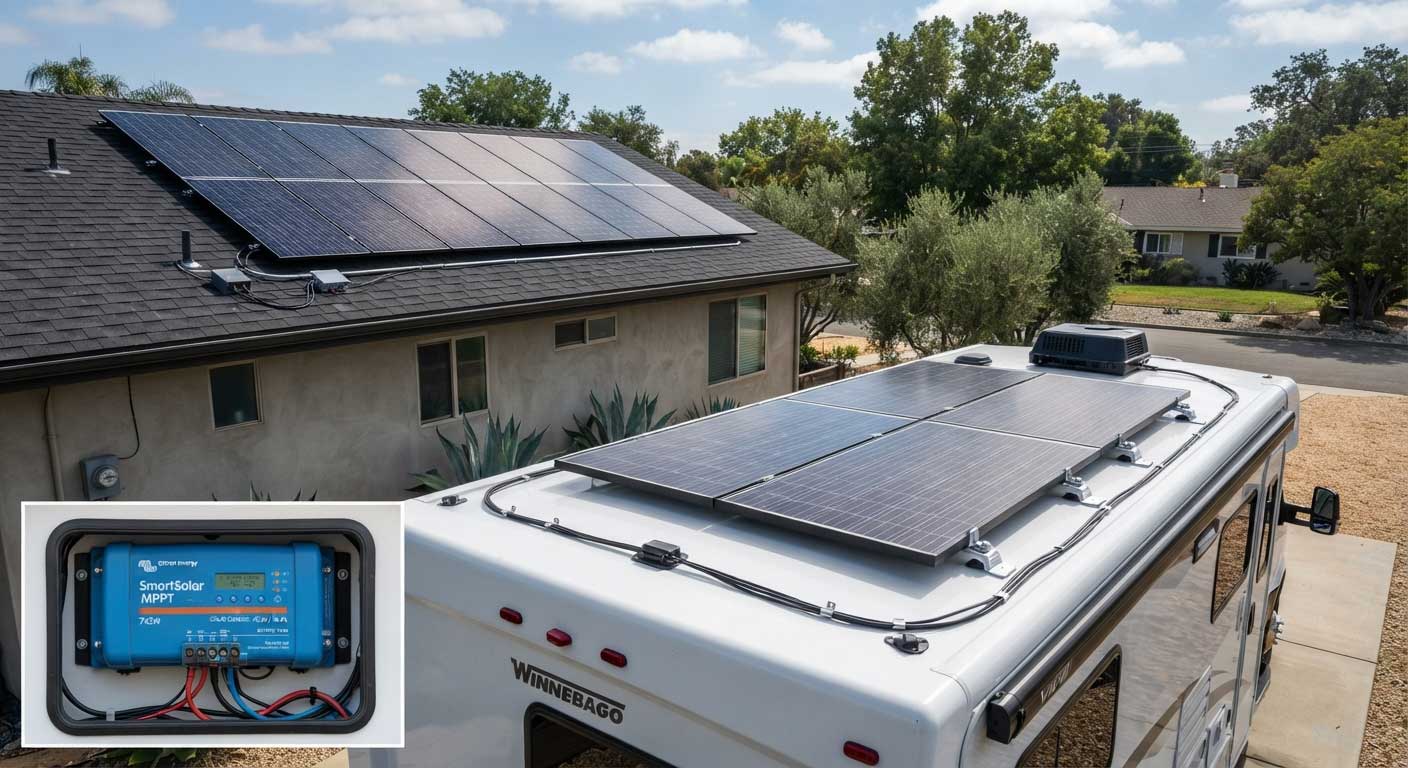
A flexible solar panel installed on an RV roof, for example, may produce more useful energy than a higher-efficiency rigid panel that cannot fit the available surface area. In real projects, available installation space often matters as much as laboratory efficiency numbers.
How Much Energy Does a Solar Panel Produce?
The question how much energy does a solar panel produce depends on the panel wattage, sunlight hours, temperature, orientation, and system losses.
A simple example:
| Solar Panel Size | Average Daily Production* |
|---|---|
| 100W solar panel | About 300–500Wh/day |
| 200W solar panel | About 600–1000Wh/day |
| 400W solar panel | About 1.2–2kWh/day |
*Actual output varies by location, weather, installation angle, and system efficiency.
For example, a 400W solar panel operating under strong sunlight conditions may generate around 1.6kWh per day, but the same panel in cloudy weather or poor positioning may produce significantly less.
At Bright Solar, we often explain this difference to customers designing portable and off-grid systems. The number printed on a panel label is the rated power under laboratory conditions. Field output is a moving target.
What Makes Solar Panels Effective in Real Installations?
The advantages of solar panels are not only related to electricity generation. A successful solar system combines technology, placement, and long-term reliability.
Key factors include:
1. Proper System Design
A correctly sized system prevents wasted capacity. Oversizing or undersizing batteries, controllers, and inverters can reduce overall performance.
2. Good Solar Exposure
Panels need direct sunlight exposure. Even small shading from trees, roof equipment, or antennas can affect output.
3. Quality Materials
Solar panels installed outdoors face:
- UV exposure
- Temperature changes
- Rain and humidity
- Mechanical stress
For flexible solar applications, Bright Solar uses durable materials such as ETFE surface protection to improve outdoor reliability in demanding environments.
Advantages and Disadvantages of Solar Energy
Solar panels have become one of the most widely adopted renewable energy technologies because they offer long-term energy benefits. However, understanding the pros and cons of solar energy is important before investing in a system.
The effectiveness of solar power is not only about producing electricity. It is also about whether the system matches the user’s energy needs, location, and operating conditions.
According to the U.S. Department of Energy, photovoltaic systems generate electricity by converting sunlight into electrical energy through semiconductor materials, and improvements in PV technology continue to increase reliability and reduce costs.
Advantages of Solar Energy
The main advantages of solar energy include energy independence, reduced electricity costs, and flexible installation options.
Lower Electricity Costs
One of the biggest reasons customers choose solar is reducing dependence on grid electricity. The U.S. Department of Energy notes that lowering electricity bills is one of the primary motivations for residential solar adoption, although savings vary depending on location, electricity rates, system size, and usage patterns.
Renewable Power Source
Solar energy uses sunlight, which is naturally available and does not require fuel transportation or combustion. This makes solar systems suitable for homes, commercial buildings, remote areas, RVs, boats, and emergency power applications.
Flexible Installation Options
Modern solar technology is no longer limited to traditional rooftop panels.
Applications include:
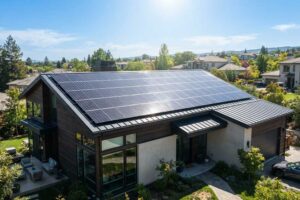
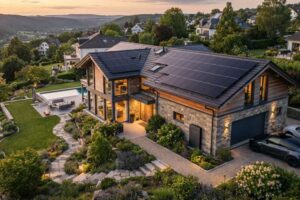
- Residential rooftop systems
- RV solar panels
- Marine solar solutions
- Portable solar chargers
- Off-grid cabins
- Industrial backup systems
At Bright Solar, we have seen flexible solar panels solve installation challenges where traditional modules cannot fit. Curved RV roofs, lightweight structures, and mobile applications often require a different approach.
Disadvantages of Solar Energy
While solar panels are highly effective, they are not perfect. Understanding the disadvantages of solar energy helps create realistic expectations.
Weather and Sunlight Limitations
Solar panels produce less electricity during:
- Heavy cloud cover
- Rainy conditions
- Winter months
- Shaded locations
A well-designed system can reduce these effects, but no photovoltaic system can generate maximum output without sufficient sunlight.
Initial Installation Cost
The upfront investment remains one of the biggest barriers.
Solar equipment costs have decreased significantly over time, but customers still need to consider:
- Solar panels
- Inverters
- Mounting systems
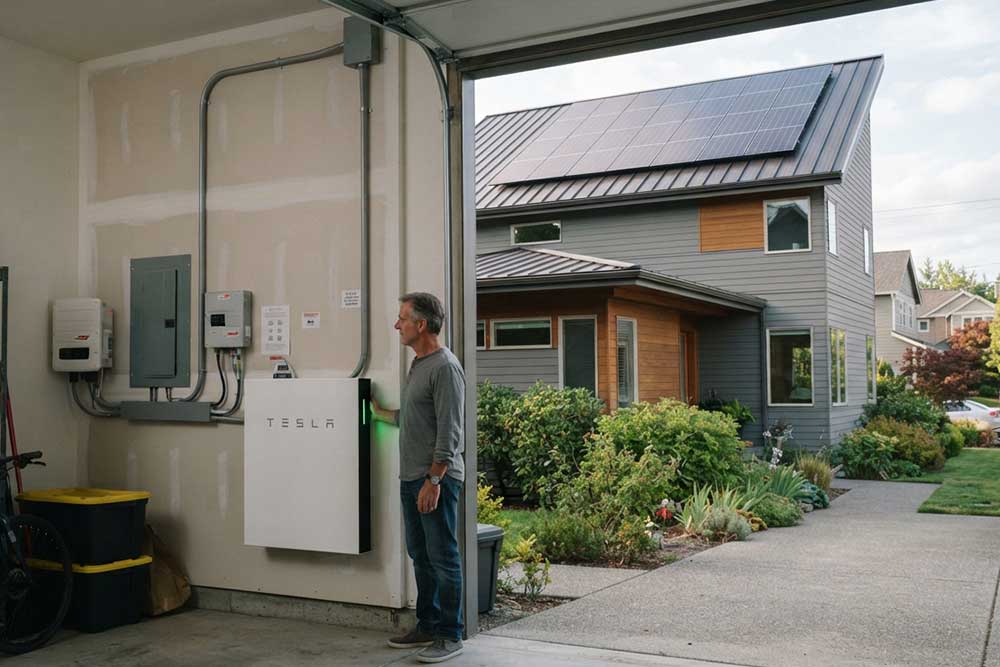
- Batteries (for off-grid systems)
- Installation labor
For commercial and residential projects, a proper return-on-investment calculation is usually more useful than looking only at initial price.
Space Requirements
Solar effectiveness depends on available installation area.
A small roof may not support enough panels to cover high electricity demand. In these situations, higher-efficiency modules or customized flexible panels can help maximize available space.
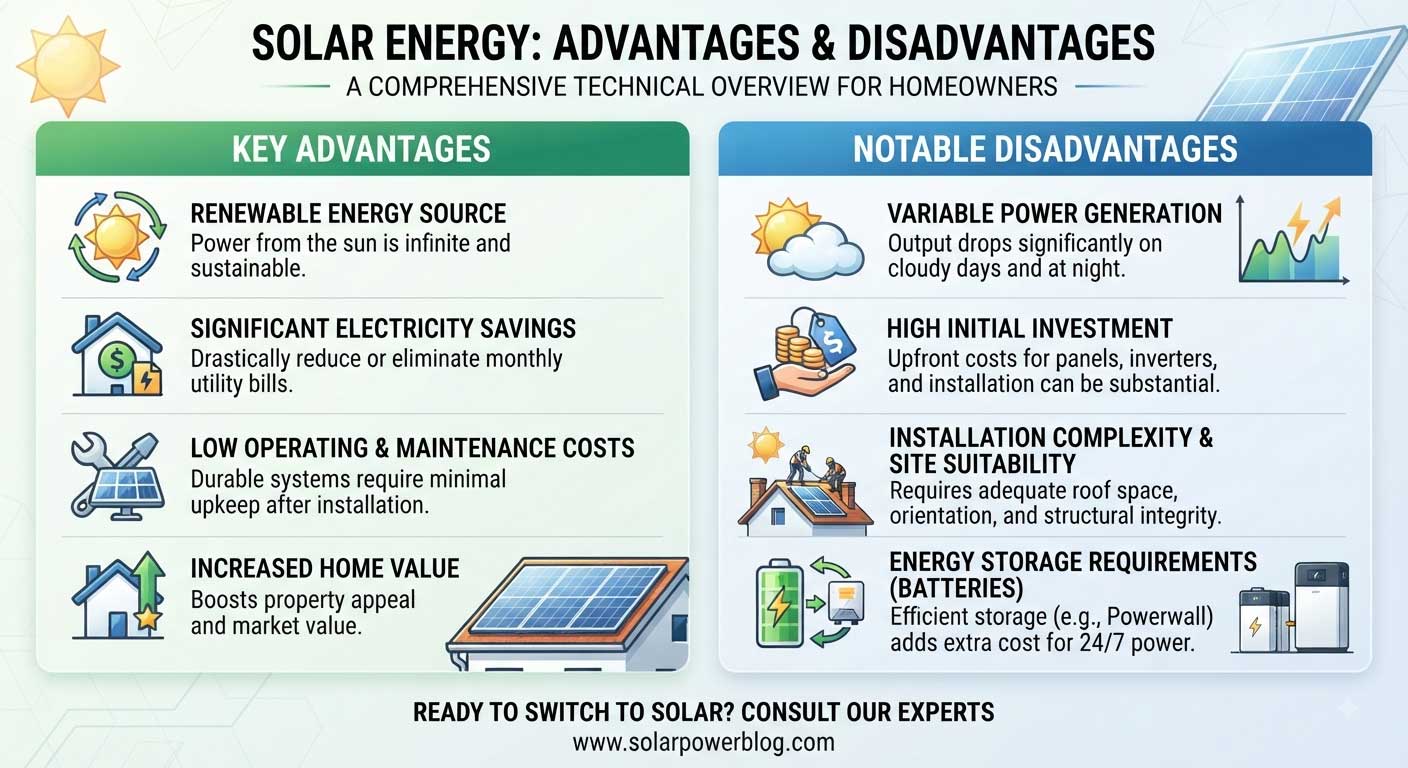
Pros and Cons of Solar Energy Comparison
| Advantages | Disadvantages |
|---|---|
| Reduces electricity dependence | Initial investment required |
| Uses renewable sunlight | Output changes with weather |
| Low operating costs | Requires suitable installation space |
| Supports off-grid applications | Battery storage adds complexity |
| Long service life | Performance decreases over time |
Bright Solar Experience: Measuring Real Solar Effectiveness
After years working with flexible solar panels and customized PV solutions, we have learned that the best-performing systems are not always the ones with the highest rated specifications.
A customer once asked why a smaller flexible solar panel system could outperform a larger traditional setup on an RV application.
The answer was installation efficiency.
The flexible panels followed the available roof shape, reduced unused space, and allowed better panel coverage. The total energy harvested over the trip became more important than the maximum wattage printed on the product label.
This is why Bright Solar evaluates:
- Installation location
- Energy consumption patterns
- Available surface area
- Temperature conditions
- Required charging speed
Solar effectiveness is a combination of engineering decisions, not just panel technology.
FAQ About How Effective Are Solar Panels?
How effective are solar panels on cloudy days?
Solar panels can still generate electricity on cloudy days, but output decreases because less sunlight reaches the photovoltaic cells. The exact reduction depends on cloud thickness and weather conditions.
How much energy does a solar panel produce per day?
A solar panel’s daily production depends on wattage, sunlight hours, temperature, and system losses. A 400W panel may produce roughly 1–2kWh per day under favorable conditions.
What are the main advantages of solar panels?
The advantages of solar panels include lower electricity costs, renewable energy production, reduced grid dependence, and flexible installation for different applications.
What are the disadvantages of solar energy?
The main disadvantages include upfront costs, dependence on sunlight availability, installation space requirements, and the need for additional storage solutions in some off-grid applications.
Are solar panels worth the investment?
Solar panels can be a worthwhile investment when the system is properly designed for the location, electricity usage, and expected operating period.
Do solar panels lose efficiency over time?
Yes. Solar panels gradually lose output over their operating life. Proper installation, quality materials, and regular maintenance help maintain long-term performance.
Are flexible solar panels effective?
Yes. Flexible solar panels can be highly effective when used in applications where weight, shape, or installation flexibility matters, such as RVs, boats, and portable systems.
Final Thoughts: How Effective Are Solar Panels?
How effective are solar panels? Solar panels are one of the most practical renewable energy technologies available today, providing reliable electricity when the system is correctly designed, installed, and maintained.
The real value of solar is not measured only by conversion efficiency. It comes from matching the right technology with the right application.
From residential rooftops to mobile solar solutions, Bright Solar focuses on creating customized photovoltaic systems that balance energy output, durability, and installation flexibility.
A solar panel does not simply generate electricity — a well-designed solar system creates long-term energy independence.
The prev: How do you wire solar panels?The next: How large is a solar panel?
Related recommendations
-

how much power does a solar panel produce?
267Learn how much power does a solar panel produce with real output data, watt examples, energy calculations, and Bright solar expert insights.
View details -
How Much Is a Solar System for a House?
247How much is a solar system for a house? Discover real 2026 home solar costs, system sizes, installation factors, and expert advice from Bright Solar.
View details -
How Much Is Solar Power For Homes?
196How much is solar power for homes? Learn residential solar costs, system prices, installation factors, and expert insights for choosing home solar.
View details -
Can Solar Panels Store Energy?
141No. Solar panels generate electricity but do not store it. A separate battery system can store surplus solar energy for later use.
View details