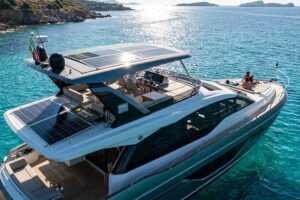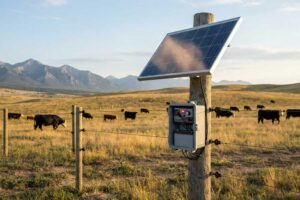
Flexible solar panels 300w: Lightweight High-Power Solar Solution for RV and Off-Grid Use
Flexible solar panels 300w provide a lightweight and efficient solar solution for RVs, boats, campers, and off-grid applications. These 300W flexible panels deliver reliable energy output while fitting curved surfaces where traditional rigid solar modules cannot be installed easily.
When customers ask Bright Solar about 300W flexible solar technology, they usually start with one question:
“How much power can I get from a panel this thin?”
The answer depends on more than wattage.
A solar panel installed on a vehicle roof, boat deck, or portable structure faces completely different conditions compared with a home rooftop system.
Over the years, our team has worked with flexible solar applications where every kilogram mattered.
An RV manufacturer needed more energy without increasing roof load.
A marine customer needed solar power without drilling into a curved fiberglass surface.
An off-grid user wanted a compact system that could be transported into remote locations.
These projects showed us something important:
The value of flexible solar panels 300w is not only the 300-watt output.
It is the ability to bring solar power into places where conventional panels are difficult to use.
What are flexible solar panels 300w?
Flexible solar panels 300w are photovoltaic modules designed to produce approximately 300 watts of electrical power while maintaining a lightweight and bendable structure.
Unlike traditional rigid solar panels that usually include:
- Glass front layers
- Aluminum frames
- Heavy mounting systems
Flexible solar panels use:
- Lightweight photovoltaic materials
- Flexible composite layers
- Protective surface coatings
- Low-profile electrical components
The result is a solar product designed for applications where weight, shape, and installation flexibility are important.
Typical applications include:
| Application | Why 300W Flexible Panels Are Suitable |
|---|---|
| RVs | More energy without heavy roof structures |
| Boats | Adapt to curved marine surfaces |
| Camper vans | Save installation space |
| Off-grid cabins | Portable renewable energy |
| Mobile equipment | Lightweight power source |
A 300W flexible solar panel is often selected because it represents a practical balance:
Enough power for real applications, while still maintaining installation flexibility.
How much electricity can flexible solar panels 300w produce?
A 300W solar panel does not produce exactly 300 watts throughout the day.
The rated power represents peak output under standard test conditions.
Actual energy production depends on:
- Solar radiation
- Installation angle
- Temperature
- Weather
- Shading
The basic calculation is:
Daily Energy Production = Panel Wattage × Peak Sun Hours × System Efficiency
For example:
A 300W flexible solar panel installed in an area with 5 peak sunlight hours may generate:
300W × 5 hours × 80% efficiency
≈ 1.2kWh per day
Typical output:
| Location | Estimated Daily Production |
|---|---|
| Southern USA | 1.2–1.5kWh/day |
| Southern Europe | 1.0–1.4kWh/day |
| Northern Europe | 0.7–1.1kWh/day |
According to the National Renewable Energy Laboratory (NREL), photovoltaic energy production varies significantly based on solar resource availability and geographic location.
Source:
National Renewable Energy Laboratory Solar Resource Data
https://www.nrel.gov/gis/solar-resource-maps.html
For many mobile applications, a 300W flexible solar system can support:
- LED lighting
- Small refrigerators
- Laptop charging
- Communication equipment
- Battery storage systems
Why choose flexible solar panels 300w instead of rigid solar panels?
The biggest difference is not only efficiency.
It is installation freedom.
Lightweight design for mobile applications
Weight is a critical factor for:
- RV owners
- Boat operators
- Camper users
A traditional framed solar panel requires additional structural support.
Flexible solar panels reduce:
- Mounting hardware
- Installation complexity
- Added vehicle weight
This is especially valuable for vehicles where additional weight affects:
- Fuel consumption
- Driving range
- Handling
The U.S. Department of Energy highlights vehicle lightweighting as an important factor for improving transportation energy efficiency.
Source:
U.S. Department of Energy Vehicle Technologies Office
https://www.energy.gov/eere/vehicles
Better installation on curved surfaces
Many solar applications do not have flat surfaces.
Examples:
- RV roofs
- Boat cabins
- Camper shells
- Portable structures
Rigid panels may require:
- Custom brackets
- Additional frames
- Structural modifications
Flexible solar panels can follow the shape of the installation area.
This creates more usable solar space.
A customer in Australia used a 300W flexible solar system on a camper trailer.
The original design considered rigid panels.
However:
- The roof had a slight curve
- Additional brackets increased weight
- Installation time became longer
After switching to flexible modules:
- Installation became simpler
- Roof appearance improved
- Available space was used more effectively
The customer’s main goal was not maximum panel efficiency.
It was creating a reliable energy system that matched the vehicle design.
Applications of flexible solar panels 300w
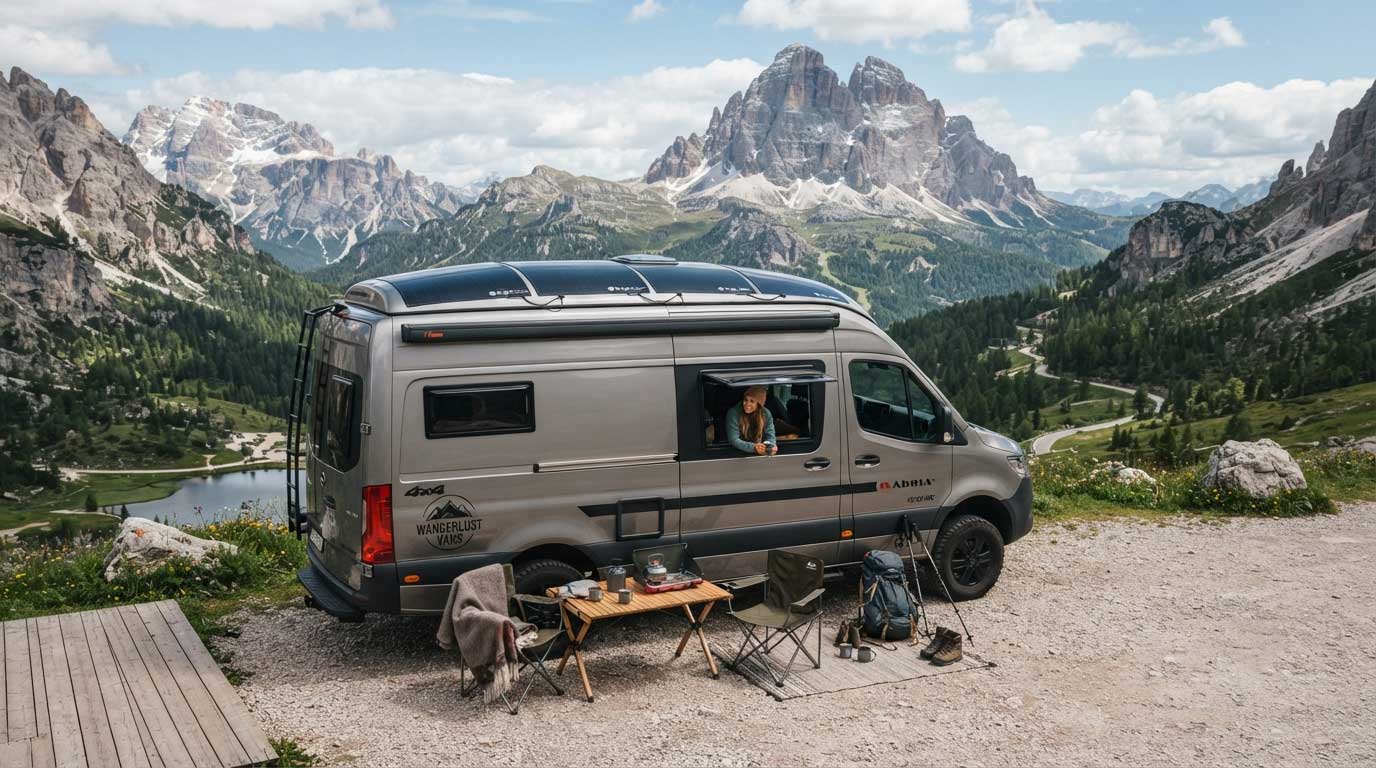
300W flexible solar panels for RV and camper vehicles
RV users are one of the largest groups choosing flexible solar technology.
A 300W flexible solar panel can support:
- Portable refrigerators
- Interior lights
- Fans
- Water pumps
- Mobile devices
The main advantage is energy independence.
Instead of relying only on campground electricity, travelers can generate power during outdoor trips.
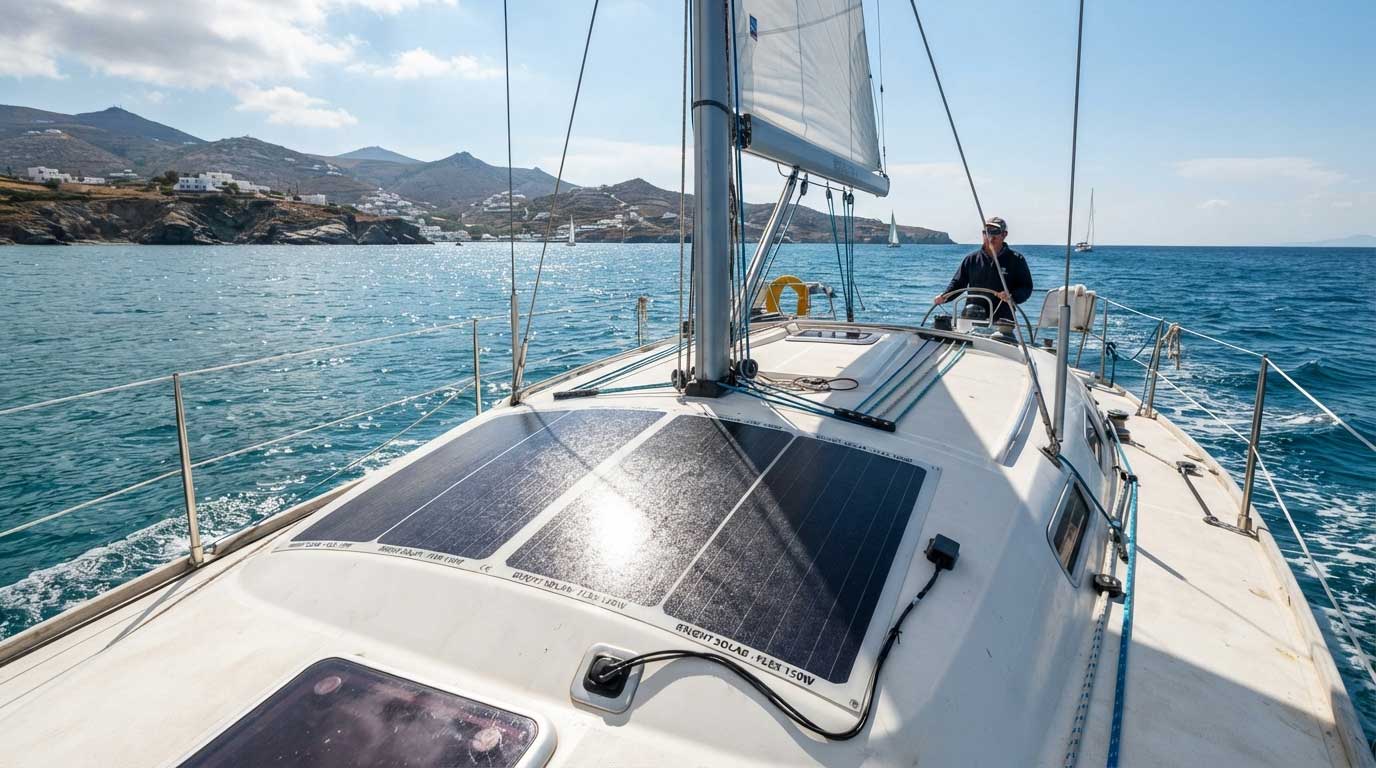
300W flexible solar panels for boats
Marine environments require special solar solutions.
Boats often have:
- Limited deck space
- Curved surfaces
- Weight restrictions
Flexible panels are suitable for:
- Sailing boats
- Fishing boats
- Small yachts
They can provide power for:
- Navigation systems
- Battery charging
- Communication equipment
- Cabin electronics
Off-grid solar systems
Remote locations often require lightweight energy solutions.
Examples:
- Remote cabins
- Field research stations
- Emergency systems
A 300W flexible panel offers a good balance between portability and output.
Technical structure of flexible solar panels 300w
A high-quality 300W flexible solar panel usually includes several important layers.
| Layer | Function |
|---|---|
| Solar cells | Convert sunlight into electricity |
| Protective coating | Improves weather resistance |
| Flexible substrate | Allows bending capability |
| Junction box | Provides electrical connection |
| Encapsulation layer | Protects internal components |
Bright Solar focuses on balancing:
- Power output
- Weight reduction
- Durability
- Outdoor reliability
A flexible panel should not only be easy to install.
It must also survive years of environmental exposure.
How to install flexible solar panels 300w
Installing flexible solar panels 300w is usually simpler than installing traditional framed modules, but correct preparation is still important.
In our experience at Bright Solar, installation failures rarely happen because of the solar cells.
They usually happen because of poor surface preparation, incorrect wiring, or unsuitable installation locations.
A reliable installation follows several practical steps.
Step 1: Check the installation surface
Before installation, inspect the mounting area carefully.
Suitable surfaces include:
- RV roofs
- Fiberglass boat surfaces
- Camper shells
- Metal vehicle roofs
- Portable structures
Check:
| Inspection Item | Reason |
|---|---|
| Surface condition | Ensures strong attachment |
| Available space | Determines panel placement |
| Sun exposure | Improves energy production |
| Cable route | Prevents installation problems |
Avoid locations with:
- Continuous shade
- Water accumulation
- Mechanical interference
- High heat sources
A small shadow from a roof accessory can affect the overall performance of a solar system.
Step 2: Prepare the mounting area
The surface should be:
- Clean
- Dry
- Free from oil or dust
Recommended preparation:
- Wash the surface
- Remove contaminants
- Allow complete drying
- Mark the installation position
For adhesive installations, preparation is especially important.
A clean surface improves:
- Bond strength
- Weather resistance
- Long-term reliability
Step 3: Connect the electrical system
A 300W flexible solar panel normally works together with:
| Component | Purpose |
|---|---|
| Solar panel | Generates DC electricity |
| MPPT controller | Maximizes charging efficiency |
| Battery | Stores energy |
| Inverter | Converts DC to AC |
| Monitoring system | Tracks performance |
For RV and marine systems, lithium batteries are often selected because of their:
- High energy density
- Lower weight
- Longer usable capacity
The solar panel, battery, and controller must be correctly matched.
A larger panel does not automatically mean a better system.
The entire energy chain must work together.
Step 4: Test the system performance
After installation, measure:
- Open circuit voltage
- Charging current
- Battery charging status
- Controller readings
Keep installation records:
- Panel model
- Installation date
- Initial output
- System configuration
This information becomes valuable when troubleshooting after months of outdoor use.
Materials and durability of flexible solar panels 300w
A flexible solar panel designed for outdoor use must handle demanding environments.
Common challenges include:
- UV radiation
- Rain exposure
- Salt spray
- Temperature changes
- Mechanical vibration
For this reason, material selection is critical.
ETFE coating for outdoor protection
Many premium flexible solar panels use ETFE surface coatings.
Advantages include:
- Excellent UV resistance
- Lightweight protection
- Scratch resistance
- Weather durability
For marine and RV applications, this protection is particularly important because panels are exposed continuously to outdoor conditions.
Temperature performance
Solar panels operate in changing temperatures.
A vehicle parked under summer sunlight can experience much higher temperatures than laboratory testing conditions.
Good flexible solar panels consider:
- Heat resistance
- Cell stability
- Encapsulation quality
The International Energy Agency (IEA) reports that photovoltaic system performance is influenced by environmental conditions, module quality, and installation factors.
Source:
International Energy Agency – Solar PV Reports
https://www.iea.org/reports/solar-pv
Water and weather resistance
Outdoor solar products should be designed for:
- Rain
- Humidity
- Dust
- Marine environments
Many flexible solar panels are used in:
- Boats
- RVs
- Outdoor equipment
because they combine lightweight construction with weather protection.
Bright Solar experience with flexible solar panels 300w projects
At Bright Solar, our work with flexible solar solutions has involved customers from different industries:
- RV manufacturers
- Marine equipment suppliers
- Outdoor product companies
- Off-grid energy users
One project involved a European adventure vehicle company developing long-distance travel vehicles.
Their challenge was straightforward:
They needed more electrical capacity, but the roof structure could not support heavy traditional solar modules.
The original design had several limitations:
- Additional aluminum mounting rails
- Increased roof weight
- Longer installation time
After evaluating the vehicle design, the team selected a lightweight flexible solar solution.
The final system:
| Item | Result |
|---|---|
| Solar capacity | 300W flexible solar configuration |
| Installation | Low-profile roof integration |
| Application | Long-distance travel vehicle |
| Main goal | Additional off-grid energy |
The interesting part was not only the power output.
The customer valued the fact that the vehicle maintained its original appearance.
For mobile products, installation design is often just as important as electrical performance.
How much do flexible solar panels 300w cost?
The price of flexible solar panels 300w depends on:
- Solar cell technology
- Protective materials
- Manufacturing quality
- Brand reputation
- Accessories included
Typical market pricing:
| Product Category | Estimated Price Range |
|---|---|
| Basic 300W flexible panel | $250–$400 |
| Premium ETFE flexible panel | $400–$700 |
| Complete 300W solar kit | $700–$1,500+ |
A complete system may include:
- Solar panel
- Charge controller
- Battery
- Wiring
- Mounting accessories
The cheapest panel is not always the lowest-cost solution.
A product with better durability may reduce replacement and maintenance expenses over time.
Maintenance tips for flexible solar panels 300w
Flexible solar panels require limited maintenance, but regular checks help maintain performance.
Keep the surface clean
Dust and dirt reduce sunlight reaching the solar cells.
Recommended cleaning:
- Use clean water
- Use a soft cloth
- Avoid abrasive materials
For marine applications, remove salt residue regularly.
Check cables and connectors
Vehicle and marine environments create movement and vibration.
Inspect:
- Cable insulation
- Connector seals
- Junction box condition
Small issues found early are easier to repair.
Monitor system output
Track:
- Daily energy generation
- Battery condition
- Seasonal changes
A sudden performance drop may indicate:
- Shading
- Dirt buildup
- Connection issues
FAQ About Flexible Solar Panels 300w
How much power can flexible solar panels 300w produce per day?
A 300W flexible solar panel can typically generate around 1kWh or more per day depending on sunlight conditions, installation angle, weather, and system efficiency.
Are flexible solar panels 300w good for RVs?
Yes. They are widely used for RV applications because they provide useful power output while keeping roof weight low.
Can flexible solar panels 300w be installed on boats?
Yes. Their lightweight design and ability to fit curved surfaces make them suitable for many marine applications.
Are 300W flexible solar panels waterproof?
Most outdoor flexible solar panels are designed to resist rain and moisture, but waterproof performance depends on product construction and installation quality.
How long do flexible solar panels 300w last?
High-quality flexible solar panels are designed for long-term outdoor use. Lifespan depends on materials, environmental exposure, and maintenance.
Can a 300W flexible solar panel power a refrigerator?
Yes, when combined with a suitable battery and controller, a 300W solar system can support small RV refrigerators and similar appliances.
Are flexible solar panels better than rigid solar panels?
Neither option is always better. Flexible panels are preferred for lightweight, curved, and mobile applications, while rigid panels may be better for large fixed installations.
Final Thoughts: Choosing Flexible Solar Panels 300w for Mobile Energy
Flexible solar panels 300w provide a practical balance between power generation, lightweight construction, and installation flexibility.
They are especially valuable for:
- RV owners seeking energy independence
- Boat owners needing lightweight solar solutions
- Outdoor users requiring portable electricity
- Mobile businesses needing reliable power
At Bright Solar, we believe solar technology should adapt to real-world applications.
A solar panel should not only perform well in a laboratory.
It should work on a moving vehicle, on a boat deck, or during an outdoor adventure where conditions are unpredictable.
The best solar solution is the one that fits the user’s environment.
For many mobile applications, a 300W flexible solar panel offers the right combination of energy output and practical installation.
Related recommendations
-

Solar Battery Charger for Boat: Reliable Marine Battery Charging Anywhere
121Discover the best solar battery charger for boat applications. Keep marine batteries charged with efficient, waterproof solar charging systems for yachts and fishing boats.
View details -
Flexible RV Solar Panels for Reliable Off-Grid Power
180Flexible RV solar panels deliver lightweight off-grid energy for campers, vans, and motorhomes. Discover durable ETFE solar solutions from Bright Solar.
View details -
Solar Panel for Electric Fence: How to Choose the Right System
255Learn how to choose a solar panel for electric fence systems, size the battery and panel correctly, reduce downtime, and keep remote livestock fencing reliable.
View details -
50 watt flexible solar panel: Compact Solar Power Solution for RV and Off-Grid Use
159Explore the 50 watt flexible solar panel from Bright Solar for RV, marine, camping, and off-grid applications. Learn output, installation, and practical uses.
View details