Do Solar Panels Work With Snow on Them?
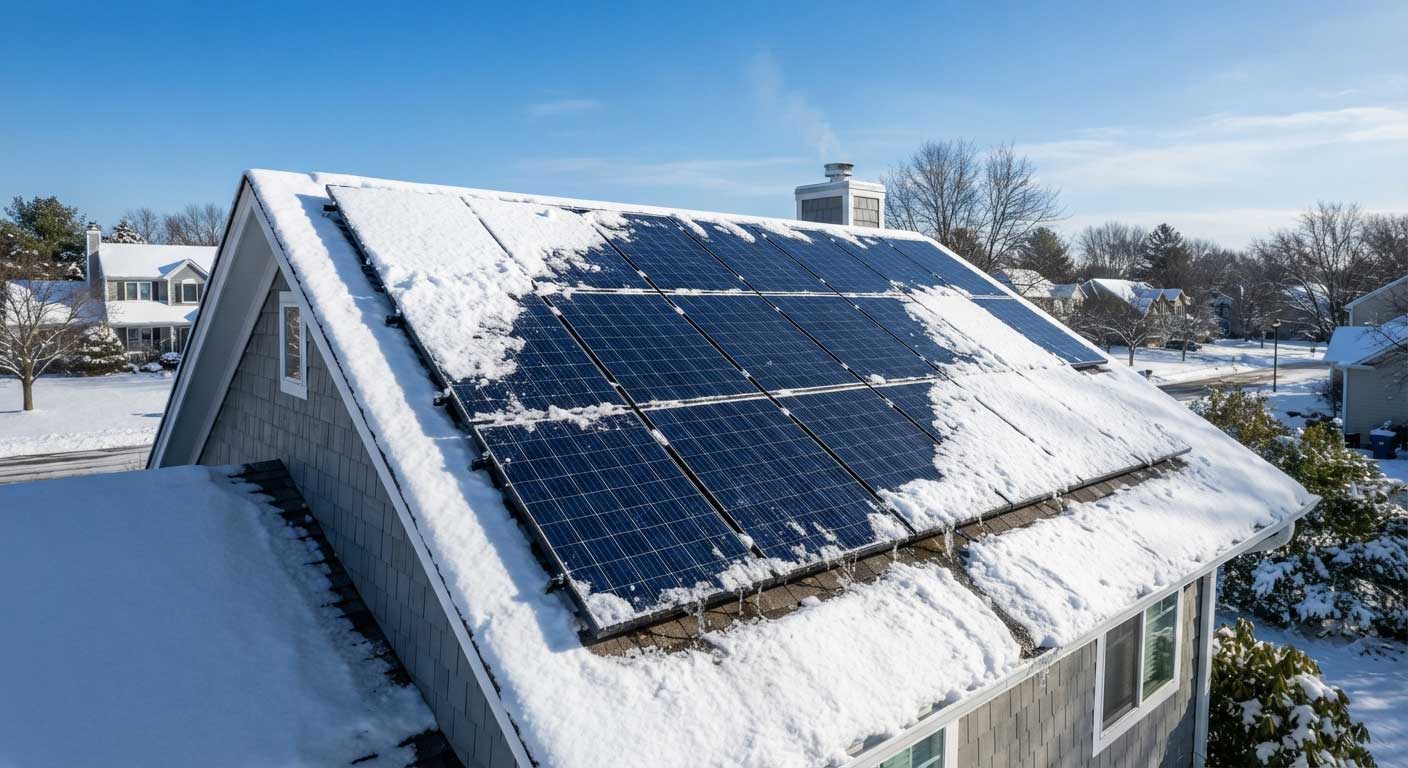
Do solar panels work with snow on them? Yes, solar panels can still produce electricity in winter, but heavy snow covering the photovoltaic surface can temporarily reduce or stop output. Light snow usually slides or melts away as sunlight reaches the panel.
Snow does not automatically make a solar system useless. In fact, cold temperatures can be favorable for photovoltaic performance once sunlight reaches the cells. The real problem is coverage: when snow blocks light, less solar energy reaches the cells.
At Bright Solar, we have worked with flexible solar modules in outdoor applications where temperature, moisture, and changing weather conditions all affect real-world output. Winter performance is rarely as simple as “snow equals no power.” The depth, wetness, roof angle, sunlight, and panel surface all matter.
How Snow Affects Solar Panels
What Happens When Snow Covers Solar Panels?
When snow completely covers a panel, sunlight cannot reach the photovoltaic cells effectively.
The immediate effects are:
- Lower electricity production
- Reduced charging current
- Temporary loss of output when coverage is heavy
- Delayed energy generation until the surface clears
Light powdery snow is different. It may slide off a tilted panel after a period of sunlight, especially when the snow layer becomes wet and heavy.
The U.S. Department of Energy notes that solar photovoltaic systems can generate electricity during winter, although production varies with weather and available sunlight. U.S. Department of Energy – Solar Photovoltaic System Basics
Do Solar Panels Work in Winter?
Solar Panels in Winter Can Still Produce Electricity
Yes. Winter does not stop photovoltaic generation.
Solar panels need light rather than heat. In fact, photovoltaic cells generally operate more efficiently at lower temperatures, provided sufficient sunlight reaches the module.
Winter output is affected by:
- Shorter daylight hours
- Cloud cover
- Snow coverage
- Sun angle
- Roof orientation
- Local climate
This is why a cold, clear winter day can sometimes produce more useful solar energy than a warmer but heavily overcast day.
Snow on Solar Panels: Light Snow vs. Heavy Snow
Light Snow
A thin layer of powder may not remain on the panel for long.
Sunlight can warm the module, while gravity helps snow slide from a tilted surface.
Heavy Snow
Deep or wet snow is different.
It can:
- Completely block sunlight
- Add mechanical loading
- Remain on flatter panels longer
- Delay electricity production
The important distinction is not simply whether snow exists, but whether it prevents sunlight from reaching the cells.
Can Snow Damage Solar Panels?
Snow Load and Solar Module Durability
Snow itself does not normally damage a properly designed solar module. The bigger concern is excessive mechanical loading or poorly installed mounting structures.
When evaluating a snowy installation, check:
- Module mechanical-load rating
- Mounting structure
- Roof snow-load requirements
- Panel installation angle
- Local weather conditions
The National Renewable Energy Laboratory (NREL) Photovoltaic Research Program studies photovoltaic reliability and environmental stresses, including mechanical and weather-related conditions affecting long-term module performance.
Why Solar Panels Can Melt Snow
Does Snow Melt Faster on Solar Panels?
Often, yes, but the explanation is more nuanced than simply saying panels “heat up.”
Solar panels absorb sunlight, and the module surface can become warmer than the surrounding air. Once sunlight reaches enough of the panel, melting can begin.
A sloped roof also helps.
As snow loosens, gravity can pull it downward. Dark module surfaces may then become exposed, allowing more sunlight to reach the cells.
This creates a useful cycle:
Sunlight reaches panel → surface warms → snow loosens or melts → more panel is exposed → electricity production resumes.
Should You Remove Snow From Solar Panels?
When Snow Removal May Be Necessary
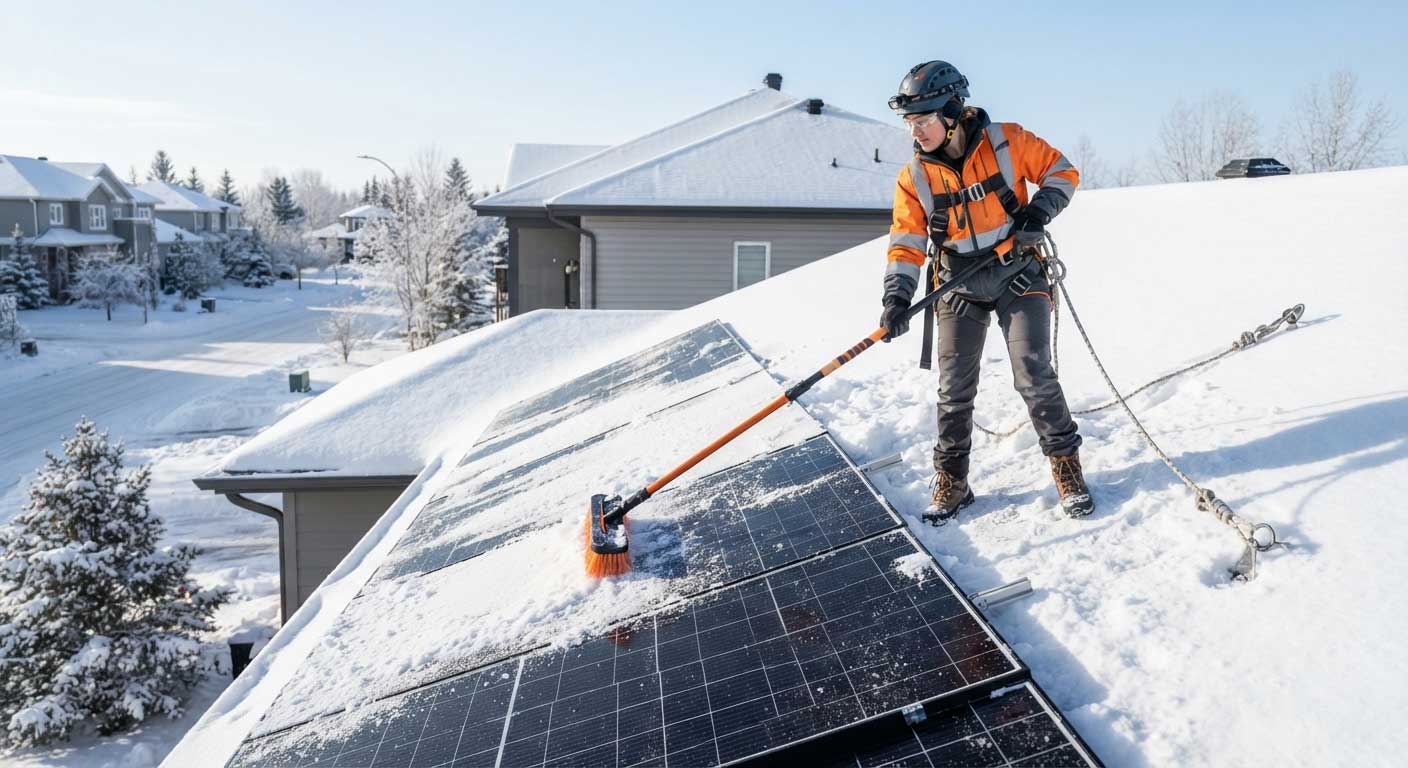
For most residential systems, snow should not be scraped aggressively from the panel surface.
Manual removal may be considered when:
- Heavy snow remains for an extended period
- The system is completely covered
- Winter energy production is critical
- The installation has a shallow roof angle
Never use metal tools or hard objects that can scratch glass or damage the module surface.
For flexible solar panels, extra care is important because excessive pressure can stress the panel or its mounting surface.
Solar Panels Covered in Snow: What Homeowners Should Know
Monitor the System Before Taking Action
Modern solar systems often include monitoring software.
Check:
- Daily energy production
- Inverter status
- Battery charging
- Historical winter output
If production returns after the snow clears, the system is probably operating normally.
A sudden production drop that continues after the panels are exposed should be investigated separately.
Winter Solar Performance Depends on More Than Snow
Sunlight Is the Real Limiting Factor
Snow receives most of the attention in winter, but cloudy skies and shorter daylight hours can have an equally important effect.
A winter solar system may experience several consecutive low-production days because of:
- Thick clouds
- Snow-covered surroundings
- Low sun angle
- Short daylight periods
For system design, it is better to evaluate local solar-resource data than assume winter production from temperature alone.
The National Renewable Energy Laboratory Solar Resource Data provides solar-resource information that can be used when evaluating photovoltaic potential by location.
How to Improve Solar Performance During Winter
Best Practices for Solar Panels in Winter
Winter solar performance depends heavily on installation quality and system design. A well-planned solar system can continue producing useful energy even in cold and snowy climates.
Important considerations include:
- Correct panel tilt angle
- Proper roof orientation
- Reliable mounting systems
- Regular performance monitoring
- Suitable panel technology
At Bright Solar, we have found that installation decisions made before winter arrives often have a bigger impact than snow removal itself. A panel installed at a suitable angle naturally handles snow better than a flat installation where snow accumulates easily.
Solar Panel Angle and Snow Removal
Why Tilt Angle Matters in Snowy Areas
The angle of a solar panel affects how quickly snow can slide away.
Steeper panels usually provide advantages:
- Snow falls off more easily
- Less accumulation remains on the surface
- Rain can help clean the module
Flatter installations may experience:
- Longer snow coverage
- Slower melting
- Reduced winter production
However, increasing the tilt angle only for snow removal is not always the best choice. The ideal design balances annual energy production, roof structure, and local weather conditions.
How to Remove Snow From Solar Panels Safely
Safe Snow Removal Methods
If snow removal is necessary, use methods that protect the photovoltaic surface.
Recommended options:
- Use a soft solar panel snow brush
- Remove only loose snow
- Follow manufacturer instructions
- Work from a safe position
Avoid:
- Metal shovels
- Sharp tools
- Walking directly on panels
- Pouring hot water on cold glass
Rapid temperature changes can create thermal stress and increase the risk of damage.
Do Solar Panels Work Better After Snow?
Snow Reflection Can Increase Solar Output
An interesting winter effect is snow reflection.
Fresh snow can reflect additional sunlight toward solar panels, increasing available light under certain conditions.
This means a system may temporarily benefit from:
- Bright snow-covered surroundings
- Clear winter skies
- Strong reflected sunlight
However, this advantage only exists when the panel surface itself is exposed. A completely snow-covered panel cannot benefit from reflected light effectively.
Solar Panels and Hail, Snow, and Extreme Weather
Designing for Outdoor Conditions
Solar panels operate outdoors for decades, so environmental resistance is an important part of product selection.
A durable solar system should consider:
| Weather Condition | Important Factors |
|---|---|
| Snow | Mechanical load strength and mounting design |
| Hail | Impact resistance and glass quality |
| Wind | Secure mounting structure |
| Rain | Waterproof connectors and sealing |
| Heat | Material durability and temperature performance |
Bright Solar flexible solar panels are designed for outdoor applications where weather changes, transportation, and installation conditions can vary.Visit product page:Flexible Solar Panels
Common Winter Solar Mistakes
Ignoring Snow Accumulation
Some homeowners assume the system will always clear itself.
Self-clearing depends on:
- Roof angle
- Snow type
- Temperature
- Sun exposure
Wet heavy snow may remain longer than light powder.
Cleaning Panels Too Aggressively
Solar panels are durable, but the surface still requires proper care.
Incorrect cleaning can cause:
- Surface scratches
- Seal damage
- Reduced lifespan
Use gentle tools and avoid unnecessary pressure.
Assuming Low Winter Output Means Panel Failure
Lower winter production is normal.
Before replacing equipment, check:
- Seasonal production data
- Weather conditions
- Snow coverage
- Electrical connections
A winter performance drop does not automatically indicate a damaged solar panel.
FAQ About Do Solar Panels Work With Snow on Them?
Do solar panels work with snow on them?
Yes, solar panels can still work in winter, but heavy snow covering the surface reduces or blocks electricity production until sunlight reaches the photovoltaic cells again.
Do solar panels work in winter?
Yes. Solar panels work during winter because they generate electricity from sunlight, not heat. Cold temperatures can even improve photovoltaic efficiency when sunlight is available.
Should I remove snow from solar panels?
Usually, light snow does not require removal because it may slide off naturally. Heavy snow blocking production for long periods may require safe cleaning methods.
What happens when snow covers solar panels?
When snow covers solar panels completely, less sunlight reaches the cells, causing lower energy production. Once snow melts or slides away, output normally returns.
Can snow damage solar panels?
Snow usually does not damage quality solar panels. Problems are more likely from excessive snow loads, poor installation, or improper snow removal methods.
Are solar panels covered in snow still charging batteries?
If sunlight cannot reach the solar cells, charging will be greatly reduced or stop temporarily. Battery charging resumes after the panel surface becomes exposed.
Do solar panels melt snow by themselves?
Solar panels can help melt snow because sunlight warms the module surface. The effect depends on sunlight intensity, temperature, panel angle, and snow thickness.
Expert Recommendations for Winter Solar Systems
Snow should be considered during solar planning, not only after a storm happens.
A reliable winter solar system combines:
- Correct installation angle.
- Durable panel materials.
- Proper mounting design.
- Realistic energy expectations.
- Regular monitoring.
At Bright Solar, we focus on flexible solar solutions designed for different outdoor environments, including cold climates, RV applications, marine systems, and off-grid projects.
Conclusion: Do Solar Panels Work With Snow on Them?
Do solar panels work with snow on them? Yes, solar panels can continue generating electricity in winter, but snow coverage can temporarily reduce output. Light snow often clears naturally, while heavy snow may require careful removal.
Solar panels in winter remain an effective energy solution when the system is properly designed with suitable orientation, tilt angle, and weather-resistant components.
Understanding what happens when snow covers solar panels helps homeowners maintain performance and make better decisions about winter solar operation.
The prev: Can Hail Damage Solar Panels?The next: How Do Solar PV Panels Generate Electricity?
Related recommendations
-

What Direction Should Solar Panels Face?
201Discover what direction should solar panels face for maximum energy output. Learn the best orientation, optimal angle, and installation tips from Bright Solar.
View details -
How Solar Panel Made?
254How solar panel made? Learn how photovoltaic modules are manufactured from silicon cells to final testing with expert solar factory insights from Bright Solar.
View details -
What Is a Bifacial Solar Panel?
272Discover what is a bifacial solar panel, how it works, real energy gains, installation requirements, and expert insights from Bright Solar.
View details -
how to install flexible solar panel on rv?
173Learn how to install flexible solar panel on rv with real field-tested RV wiring steps, safety notes, and expert insights from Bright Solar installers.
View details