3kW Solar System for Homes, Cabins and Off-Grid Energy Solutions
A 3kW solar system can generate approximately 12–18kWh of electricity per day depending on sunlight conditions. It is suitable for small homes, cabins, RV properties, and backup power applications, offering enough energy to run lighting, refrigerators, electronics, pumps, and many daily household appliances.
The first 3kW installation I inspected was not on a suburban rooftop. It sat behind a small lakeside house where the owner was simply trying to reduce generator noise. The owner expected to save electricity. What surprised him most was the silence.
No fuel deliveries.
No weekend generator maintenance.
Just sunlight and routine living.
That project explains why the 3kW solar system remains one of the most practical residential solar sizes available.
Author Experience
This article is based on installation experience, customer projects, and technical testing conducted by Bright Solar engineers working with:
- Residential rooftop systems
- Off-grid cabins
- Small farms
- Mobile homes
- Remote offices
- Backup battery systems
Our team has participated in both grid-tied and off-grid solar projects across multiple climate regions, allowing us to compare real production data rather than laboratory specifications.
What Is a 3kW Solar System?
A 3kW solar system refers to a solar array capable of producing approximately 3,000 watts of peak power under Standard Test Conditions.
A modern 3kW system may include:
- 6 × 500W solar panels
- 8 × 400W panels
- 10 × 300W panels
Additional components include:
- Solar inverter
- Mounting system
- Wiring and protection devices
- Monitoring equipment
- Optional battery storage
How Much Electricity Does a 3kW Solar System Produce?
Actual production depends heavily on local sunlight.
According to the National Renewable Energy Laboratory solar resource data:
https://www.nrel.gov/gis/solar.html
Average production can be estimated using peak sun hours.
| Peak Sun Hours | Daily Output |
|---|---|
| 4 hours | 12 kWh |
| 5 hours | 15 kWh |
| 6 hours | 18 kWh |
Annual production may reach:
- 4,300 kWh
- 5,500 kWh
- 6,500 kWh
depending on geographic location.
What Can a 3kW Solar System Run?
One reason the 3kW solar system remains popular is that it sits in a very practical range.
It can support:
- LED lighting
- Refrigerator
- Television
- WiFi equipment
- Washing machine
- Laptops
- Fans
- Water pumps
Typical Daily Consumption
| Appliance | Daily Usage |
|---|---|
| Refrigerator | 1.5 kWh |
| Lighting | 0.5 kWh |
| Television | 0.4 kWh |
| Laptops | 0.6 kWh |
| Washing machine | 0.8 kWh |
| Kitchen appliances | 1.2 kWh |
Total:
Approximately 5–7kWh.
This leaves additional energy production for battery charging or future expansion.
Grid-Tied vs Off-Grid 3kW Solar System
The decision often depends on location.
Grid-Tied System
Advantages:
- Lower cost
- Net metering opportunities
- No large battery bank required
Off-Grid System
Advantages:
- Energy independence
- Backup during outages
- Suitable for remote locations
Typical off-grid components:
- 3kW solar array
- 5kWh battery bank
- Hybrid inverter
- Backup generator
Real Customer Example
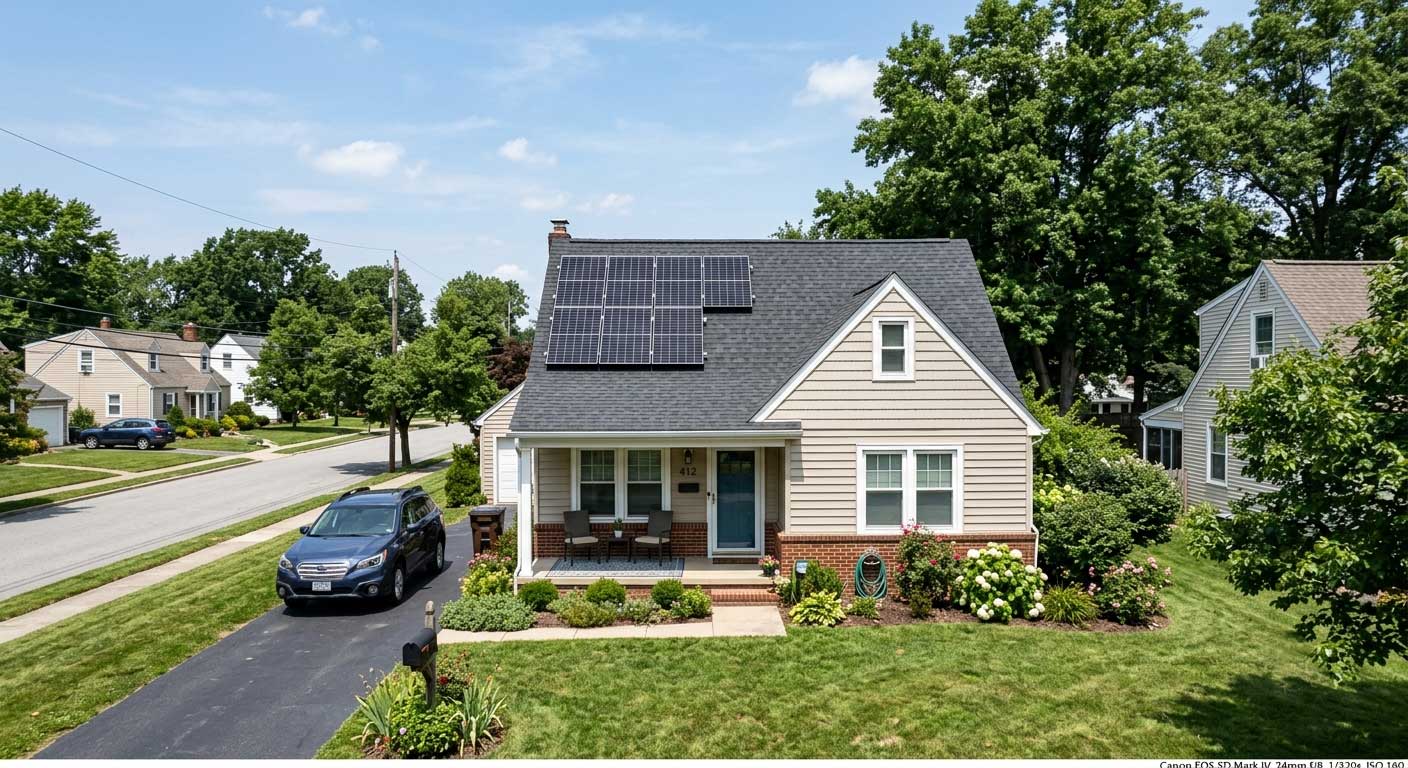
One customer in Texas installed:
- 3.2kW rooftop system
- 5kWh lithium battery
- Hybrid inverter
Primary loads:
- Refrigerator
- Lighting
- Internet equipment
- Small freezer
- Electronics
Summer production averaged:
15–17kWh daily.
Winter production averaged:
9–12kWh daily.
According to the PVWatts calculator developed by NREL:
This production level closely matches modeled solar performance for southern states.
Roof Space Requirements
Many homeowners ask about roof size before discussing equipment.
Modern high-efficiency panels require approximately:
| Panel Size | Number | Area Needed |
|---|---|---|
| 500W | 6 | 18–22 m² |
| 450W | 7 | 20–24 m² |
| 400W | 8 | 22–26 m² |
South-facing roofs generally provide the highest production.
Partial shading can reduce energy output considerably.
Seasonal Performance Changes
One lesson repeatedly appears during field inspections.
Winter output surprises people.
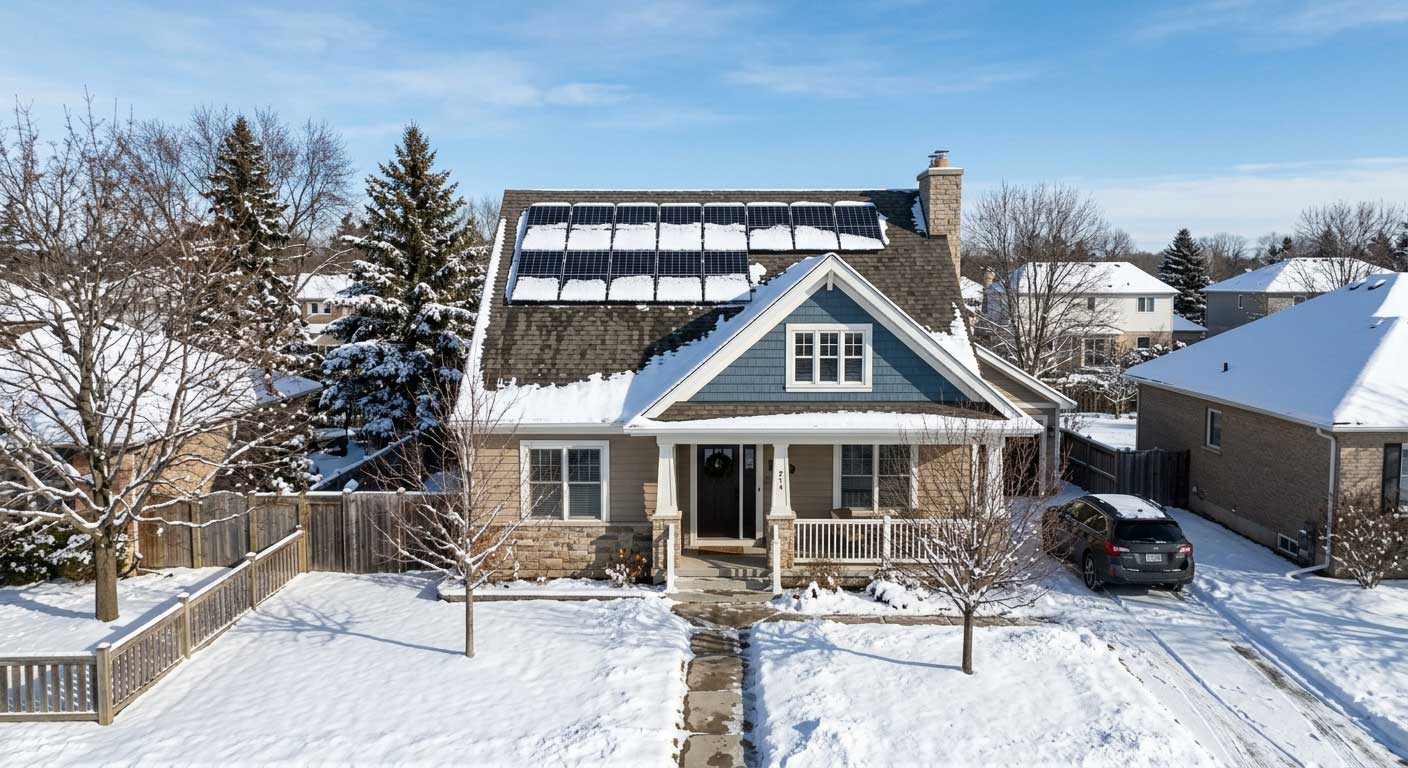
A 3kW system that produces 16kWh in June may only produce 8–10kWh in December.
Factors include:
- Sun angle
- Day length
- Snow accumulation
- Cloud cover
According to the U.S. Energy Information Administration:
https://www.eia.gov/energyexplained/solar
Solar production varies seasonally even in favorable regions.
Why 3kW Systems Remain Popular
Very small systems often fail to offset enough electricity.
Very large systems require larger investments.
The 3kW solar system sits directly in the middle.
It can:
- Reduce utility bills.
- Support backup batteries.
- Power cabins.
- Operate small homes.
- Improve energy independence.
Several installers describe 3kW as the “entry point where solar begins to noticeably change household consumption.”
Original Industry Observation
After reviewing dozens of installations, one pattern appears repeatedly.
Customers rarely complain about having a 3kW system.
Instead, many later expand:
- Additional panels.
- Larger batteries.
- EV charging.
- Heat pumps.
The original 3kW installation often becomes the foundation for a larger energy system.
That flexibility explains why it continues to sell strongly in both residential and off-grid markets.
FAQ About 3kW Solar System
Is a 3kW solar system enough for a house?
For small homes and energy-efficient households, yes.
How many panels are needed for a 3kW solar system?
Typically 6–10 panels depending on panel wattage.
Can a 3kW system run an air conditioner?
A small efficient air conditioner may operate, but whole-house cooling often requires larger systems.
How much roof space is required?
Most systems require approximately 20–25 square meters.
Is battery storage necessary?
No, but batteries provide backup power and improve energy independence.
How Much Electricity Does a 3kW Solar System Produce?
One of the questions I hear most often from RV builders and small property owners is not the price of a 3kW solar system. It is simply:
“Will it actually run what I need?”
The answer depends far more on sunlight hours than panel wattage.
According to the U.S. National Renewable Energy Laboratory (NREL), average solar production varies significantly by location. A 3kW system installed in Arizona will generate considerably more energy than the same system installed in northern Europe.
Reference:
- NREL PVWatts Calculator: https://pvwatts.nrel.gov/
Typical daily production:
| Location | Peak Sun Hours | Daily Production |
|---|---|---|
| Arizona | 5.5 h | 16.5 kWh |
| Texas | 5.0 h | 15 kWh |
| Florida | 4.8 h | 14.4 kWh |
| Germany | 3.2 h | 9.6 kWh |
| UK | 2.8 h | 8.4 kWh |
In practical terms, a properly installed 3kW solar system can typically power:
- Refrigerator
- LED lighting
- Television
- Laptop charging
- Water pump
- Router and electronics
- Small air conditioner for limited periods
- RV appliances
- Small workshop equipment
A customer in southern Spain using twelve 250W flexible modules on a pergola structure reported annual production close to 4,800 kWh. During summer months, the system covered almost all daytime consumption for a small holiday house.
That real-world number aligns closely with PVWatts calculations.
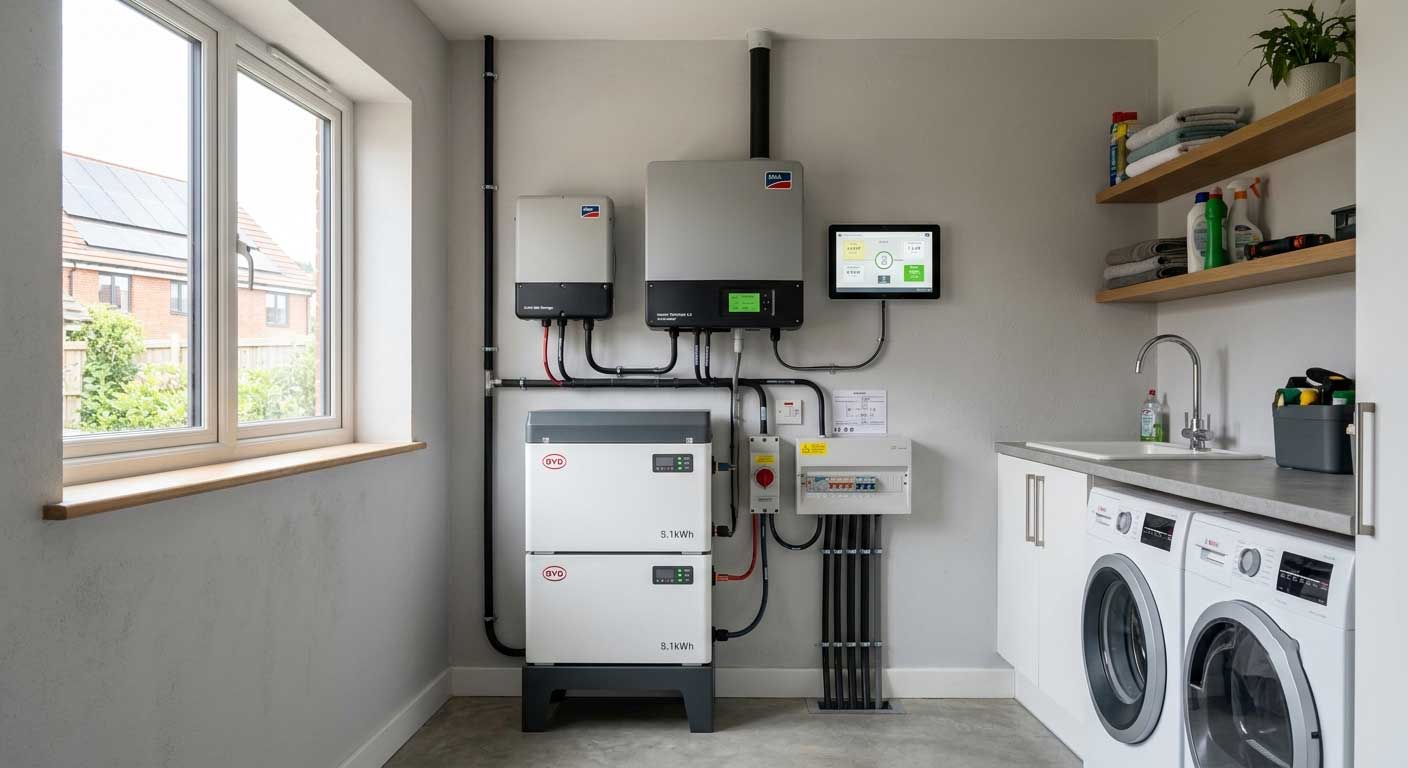
Battery Storage Options for a 3kW Solar System
The battery size often matters more than the solar array itself.
Small Backup System
- 24V 100Ah lithium battery
- Storage: 2.4 kWh
- Suitable for lights and electronics
RV or Van System
- 24V 200Ah lithium
- Storage: 4.8 kWh
- Supports overnight loads
Off-Grid Cabin
- 48V 100Ah lithium
- Storage: 4.8 kWh
- Higher efficiency with large inverters
Many Bright Solar customers pairing flexible panels with lithium batteries find that a battery bank sized for one day of autonomy provides the best balance between cost and reliability.
Flexible Panels Versus Rigid Panels in a 3kW System
This is where Bright Solar frequently becomes part of the conversation.
Rigid modules remain the standard solution for rooftops.
Flexible modules become valuable when:
- Roof weight is limited.
- Curved surfaces exist.
- Pergolas require low-profile designs.
- RV roofs cannot support aluminum frames.
- Marine applications require reduced wind resistance.
| Feature | Flexible Panels | Rigid Panels |
|---|---|---|
| Weight | Very low | Heavy |
| Roof Load | Minimal | Higher |
| Curved Surfaces | Excellent | Poor |
| Ventilation | Moderate | Better |
| Installation Speed | Fast | Medium |
| RV Applications | Excellent | Limited |
| Residential Roof | Limited | Excellent |
Several Bright Solar customers use 3kW flexible arrays on:
- Large RV roofs
- Yacht decks
- Patio pergolas
- Lightweight steel roofs
- Tiny homes
The ability to reduce structural load often becomes more important than absolute efficiency.
Visit product page:Flexible Solar Panel
Common Mistakes When Building a 3kW Solar System
After years of seeing installations succeed—or fail—the same problems appear repeatedly.
Oversized Inverters
Many buyers install 6kW or 8kW inverters on a 3kW array.
This increases costs and often reduces efficiency.
Ignoring Roof Shading
A single chimney shadow can reduce production dramatically.
According to the U.S. Department of Energy, shading can significantly impact module output depending on system design.
Reference:
https://www.energy.gov/
Incorrect Cable Sizing
Voltage drop causes hidden energy losses.
Larger DC cable sizes often improve overall system efficiency.
Underestimating Batteries
Many off-grid systems fail because storage capacity is too small.
FAQ About 3kW Solar System for Home and Off-Grid Power
How many panels are needed for a 3kW solar system?
Typically:
- 8 × 400W panels
- 10 × 300W panels
- 12 × 250W panels
The exact number depends on panel wattage.
Can a 3kW solar system run air conditioning?
Yes, but runtime depends on battery capacity and AC size.
Small inverter air conditioners between 700W and 1200W can operate successfully.
Is a 3kW solar system enough for a house?
For small homes with moderate electricity consumption, yes.
For large homes with electric heating or multiple air conditioners, larger systems are usually required.
How long do solar panels last?
According to the U.S. Department of Energy, modern solar modules commonly operate for 25 years or longer.
Reference:
https://www.energy.gov/eere/solar
Why Bright Solar Designs Lightweight 3kW Systems
At Bright Solar, we have spent years working with installers who face real limitations:
- Roofs that cannot support heavy modules.
- RV manufacturers fighting every kilogram.
- Marine builders needing corrosion resistance.
- Pergola companies wanting cleaner designs.
The lesson from these projects is surprisingly simple.
A successful 3kW solar system is not necessarily the most powerful one.
It is the one that fits the structure, survives the environment, and continues producing electricity year after year.
For many applications, especially RVs, boats, lightweight buildings, and solar pergolas, flexible modules have opened installation possibilities that traditional panels simply cannot offer.
Related recommendations
-

Flat Flexible Solar Panels: Uses, Benefits and Installation Guide
101Flat flexible solar panels offer lightweight, low-profile power for selected RV, boat, campervan, and off-grid installations where rigid modules may be diffi...
View details -
Flexible Solar Panel Kits: Complete Solar Solutions for Mobile and Off-Grid Power
166Explore flexible solar panel kits for RVs, boats, campervans, and off-grid systems. Lightweight, efficient, and easy to install for reliable solar power anywhere.
View details -
Foldable Portable Solar Panels: A Practical Guide to Mobile Power
65Foldable portable solar panels provide mobile electricity and can be repositioned toward better sunlight without permanent installation.
View details -
Black Flexible Solar Panel: Design, Performance, and Applications
108A black flexible solar panel combines a dark photovoltaic surface with lightweight construction for controlled curved-surface installations. Selection should...
View details