300 Watt Solar Panels for RV, Marine and Off-Grid Power Systems
A 300 watt solar panel can reliably charge 12V and 24V battery systems, power RV appliances, support off-grid cabins, and reduce generator use. In real outdoor applications, a quality 300W panel typically produces 1.2–1.8kWh of electricity per day depending on sunlight conditions, making it one of the most practical solar sizes available.
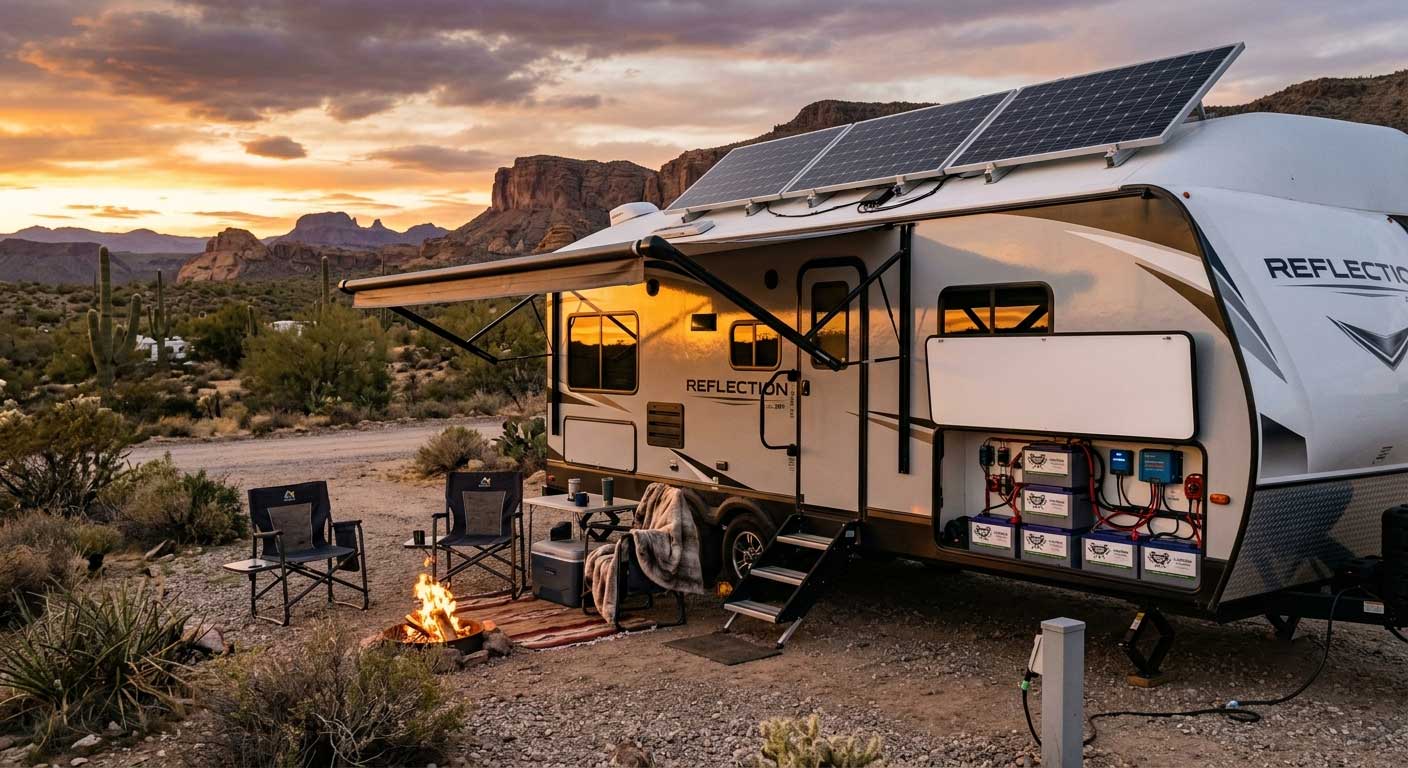
When I first installed a 300W system on a small camper trailer in Arizona, I expected it to keep the lights running. What surprised me was how often the generator simply stayed silent. The refrigerator continued running. Laptops stayed charged. Evening lighting was never a concern.
That experience explains why 300 watt solar panels remain one of the fastest-growing segments in mobile solar.
Author Experience
This article is written from the perspective of engineers and product specialists at Bright Solar, a manufacturer focused on lightweight and flexible solar solutions for RVs, marine applications, mobile homes, and off-grid energy systems.
Our technical team has tested solar modules on:
- Fiberglass RV roofs
- Aluminum camper vans
- Marine decks
- Portable solar systems
- Off-grid battery banks
- Remote telecommunications equipment
Several field installations discussed below come directly from customer projects and product testing.
Why 300 Watt Solar Panels Have Become So Popular
Many buyers start with 100W panels.
Then they discover:
- Battery charging takes too long.
- Cloudy days create problems.
- Refrigerators consume more power than expected.
A 300W system often becomes the turning point.
| Solar Panel Size | Typical Daily Output | Common Application |
|---|---|---|
| 100W | 400-600Wh | Battery maintenance |
| 200W | 800-1200Wh | Weekend camping |
| 300W | 1200-1800Wh | RV and off-grid |
| 400W | 1600-2400Wh | Larger systems |
According to the National Renewable Energy Laboratory, average U.S. solar resources range between 4 and 6 peak sun hours daily.
Source:
https://www.nrel.gov/gis/solar.html
That means a properly positioned 300 watt solar panel may generate:
300W × 4–6 sun hours = 1.2–1.8kWh daily.
What Can 300 Watt Solar Panels Run?
This is usually the first question buyers ask.
Typical Daily Loads
| Appliance | Power | Runtime | Daily Consumption |
|---|---|---|---|
| LED lights | 30W | 5 hrs | 150Wh |
| Laptop | 60W | 4 hrs | 240Wh |
| Refrigerator | 70W | 10 hrs | 700Wh |
| Phone charging | 20W | 3 hrs | 60Wh |
| Water pump | 80W | 1 hr | 80Wh |
Total:
Approximately 1,230Wh.
A properly installed 300 watt solar panel can often cover these loads during good weather.
12V vs 24V Battery Systems
Many people assume 300W automatically means 24V.
It does not.
12V Systems
Common for:
- RVs
- Camper vans
- Small boats
- Portable power systems
Typical charging current:
300W ÷ 14.4V = 20.8A
This requires approximately:
- 30A MPPT controller
24V Systems
Common for:
- Cabins
- Off-grid homes
- Larger battery banks
Charging current:
300W ÷ 28V = 10.7A
Lower current means:
- Smaller cables
- Lower voltage loss
- Higher efficiency
Flexible vs Rigid 300 Watt Solar Panels
This discussion appears in almost every customer conversation.
| Feature | Flexible | Rigid |
|---|---|---|
| Weight | Very low | Heavy |
| Roof drilling | No | Often required |
| Curved surfaces | Yes | No |
| Air cooling | Lower | Better |
| Installation speed | Fast | Moderate |
| Appearance | Low profile | Raised |
On one customer project in Florida, a fiberglass camper roof could not support traditional aluminum-framed modules.
A lightweight flexible 300W solution reduced roof weight by nearly 70%.
That installation has now operated for more than three years.
Visit product page:300 Watt Flexible Solar Panel
Real Production in Different Locations
Production varies dramatically.
| Location | Average Daily Energy |
|---|---|
| Arizona | 1.8kWh |
| California | 1.6kWh |
| Texas | 1.5kWh |
| Florida | 1.4kWh |
| Washington | 1.1kWh |
Solar resource data:
The same 300 watt solar panels behave differently depending on:
- Latitude
- Temperature
- Orientation
- Shading
- Dust
- Season
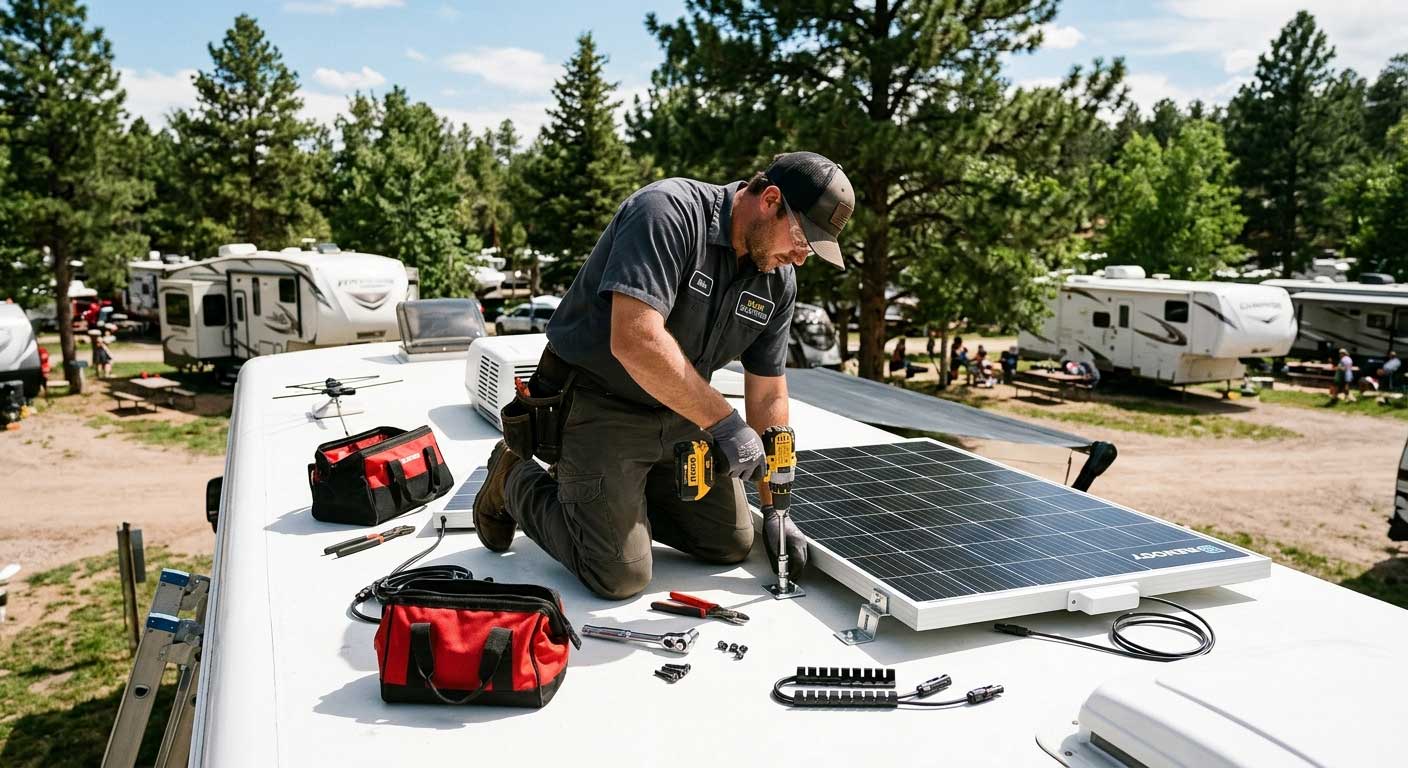
Installation Mistakes We Frequently See
Using PWM Controllers
A 300W panel deserves MPPT technology.
The U.S. Department of Energy identifies maximum power point tracking as one of the primary methods of improving system efficiency.
Source:
Undersized Wiring
Voltage drop often becomes invisible energy loss.
Partial Roof Shading
One roof vent can reduce output more than expected.
Incorrect Battery Size
A 300W system paired with a very small battery frequently wastes available energy.
Original Insight from Field Projects
After observing dozens of installations, one pattern appears repeatedly:
Buyers rarely regret purchasing a 300W system.
What they regret is buying something smaller.
The difference between 200W and 300W often determines whether:
- Batteries reach full charge.
- Refrigerators stay cold.
- Generators remain unused.
That additional capacity creates comfort rather than simply more electricity.
Frequently Asked Questions
Is a 300 watt solar panel enough for an RV?
For many couples and weekend travelers, yes.
Can 300 watt solar panels charge lithium batteries?
Absolutely. MPPT controllers work especially well with lithium systems.
How many batteries can a 300W panel charge?
Typically:
- One 100Ah battery
- Two 100Ah batteries
- Small lithium banks
Can a 300W panel run an air conditioner?
Generally no. Air conditioners usually require larger solar systems and battery storage.
Marine Applications for 300 Watt Solar Panels
A surprising number of 300 watt solar panels are not installed on houses at all. Many end up on sailboats, fishing boats, and small cruising vessels.
During a customer visit in coastal Florida, a 26-foot sailboat owner explained why he replaced two older 100W panels with a single 300W flexible module.
The previous system looked adequate on paper:
- Two 100W panels
- 200Ah AGM batteries
- Small inverter
Yet the refrigerator frequently shut down after cloudy days.
After switching to a higher-efficiency 300W panel, daily battery recovery improved enough that shore charging became rare during weekend trips.
Marine environments introduce several challenges:
- Salt corrosion
- Limited mounting space
- Curved surfaces
- Partial shading from masts
- Constant vibration
This is why lightweight and flexible modules have become increasingly popular in marine applications.
According to the U.S. Department of Energy:
https://www.energy.gov/eere/solar
Proper system sizing remains the most important factor affecting solar performance.
Off-Grid Cabin Case Study
A customer in northern Michigan installed:
- One 300 watt solar panel
- One 100Ah LiFePO4 battery
- 30A MPPT controller
- 1000W inverter
The cabin was occupied primarily on weekends.
Power requirements included:
| Device | Daily Consumption |
|---|---|
| LED lighting | 180Wh |
| Mini refrigerator | 650Wh |
| Laptop | 220Wh |
| Phone charging | 50Wh |
| Water pump | 90Wh |
Total consumption averaged approximately 1,190Wh.
During spring, summer, and early autumn, the system operated without a generator.
The owner later added a second 300W panel mainly for winter operation.
How Long Does It Take to Charge Batteries?
Battery charging remains one of the highest search-volume topics surrounding 300 watt solar panels.
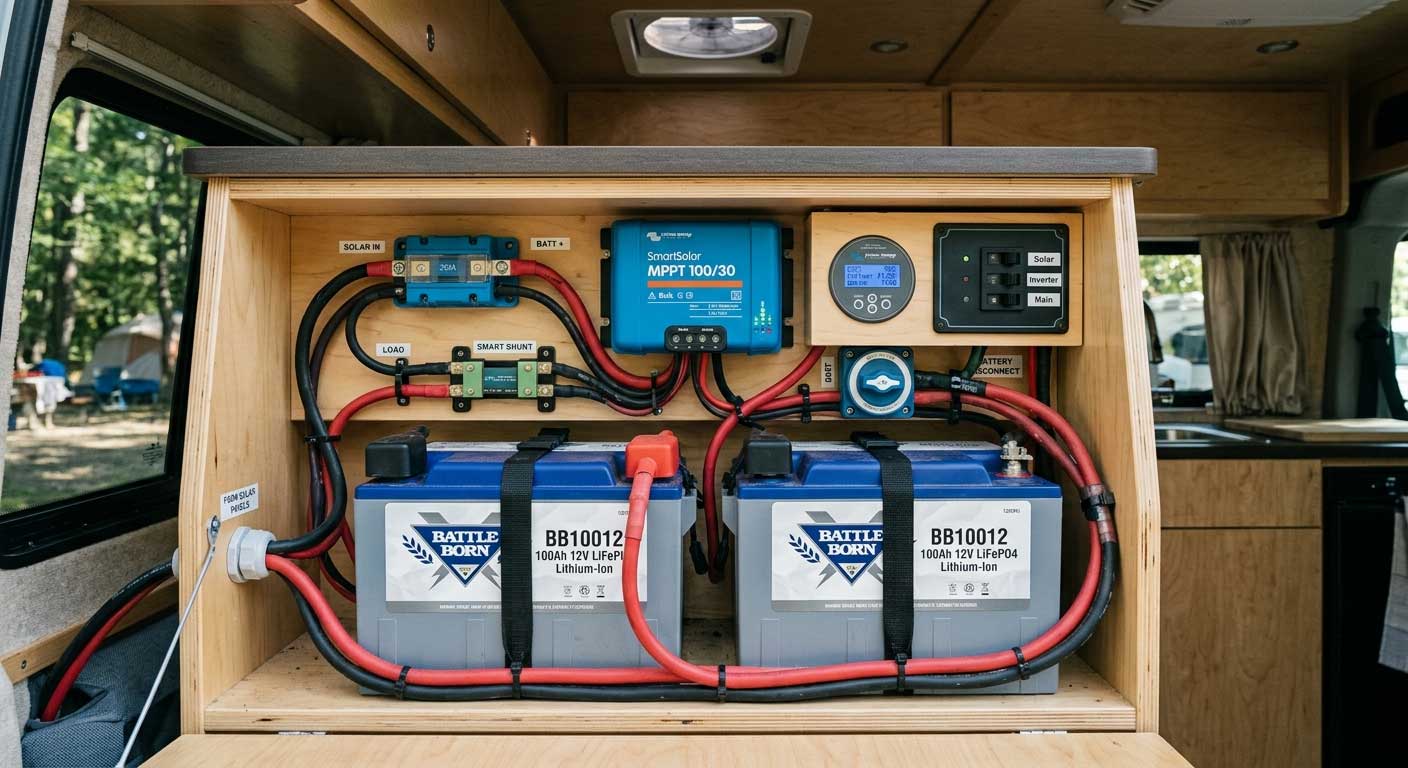
100Ah 12V Battery
Battery capacity:
100Ah × 12V = 1,200Wh
Real charging output:
- Good sun: 250–280W
- Average conditions: 220–250W
Estimated charging time:
| Battery Size | Approximate Charging Time |
|---|---|
| 50Ah | 3–4 hours |
| 100Ah | 5–7 hours |
| 200Ah | 9–12 hours |
Actual results depend on:
- Temperature
- Controller efficiency
- Solar angle
- Battery chemistry
Cost of a 300 Watt Solar System
The solar module itself is only part of the investment.
Typical system costs:
| Component | Estimated Price |
|---|---|
| 300W panel | $180–400 |
| MPPT controller | $80–250 |
| Battery | $250–900 |
| Wiring and fuses | $50–150 |
| Mounting materials | $50–200 |
Complete systems often fall between:
$600–1,800
depending on battery chemistry and installation complexity.
According to the National Renewable Energy Laboratory, solar system prices continue declining as module efficiencies improve.
Source:
Choosing the Right 300 Watt Solar Panel
Not all 300W modules behave the same.
When evaluating products, pay attention to:
Efficiency
Higher efficiency means:
- Smaller installation area
- Better low-light production
Weight
For RVs and boats, weight matters.
Cell Technology
- PERC cells
- TOPCon cells
- Monocrystalline technology
Surface Material
- Tempered glass
- ETFE
- Composite laminates
Warranty
Long-term performance support often matters more than advertised wattage.
Original Industry Observation
One pattern repeatedly appears during customer consultations.
Many buyers initially focus on wattage.
Experienced installers focus on energy production.
A well-positioned 300 watt solar panel can outperform a poorly installed 400W system.
Factors such as:
- Roof angle
- Shade
- Controller quality
- Cable sizing
often determine real-world performance more than the panel label itself.
This becomes especially obvious in RV installations where space is limited.
Final Thoughts
The reason 300 watt solar panels remain so popular is simple.
They occupy a practical middle ground.
Small systems frequently disappoint.
Large systems increase cost and complexity.
A properly designed 300W installation can:
- Charge batteries reliably.
- Reduce generator usage.
- Support RV travel.
- Power small cabins.
- Improve energy independence.
For many mobile applications, 300 watt solar panels represent the point where solar stops being a backup and becomes a primary power source.
FAQ About 300 Watt Solar Panels
Are 300 watt solar panels good for RVs?
Yes. They are among the most popular sizes for camper vans, travel trailers, and small motorhomes.
Can a 300W panel charge lithium batteries?
Yes. MPPT controllers are highly compatible with LiFePO4 batteries.
How many amps does a 300W panel produce?
A typical 12V charging system can deliver approximately 20–22 amps.
Can one 300W panel run a refrigerator?
In many cases, yes, particularly energy-efficient RV refrigerators.
Are flexible 300 watt solar panels worth it?
For curved roofs, marine decks, and weight-sensitive applications, flexible panels can offer significant advantages.
Related recommendations
-

Solar Panel Series vs Parallel: Which Connection Method Is Better?
218Compare solar panel series vs parallel wiring methods to choose the right setup. Learn voltage, current, shading, and RV solar solutions with Bright Solar.
View details -
Flexible Folding Solar Panels: Portable Power, Design and Buying Guide
126Flexible folding solar panels provide portable solar power in a compact package that unfolds into a larger photovoltaic array.
View details -
Portable Solar Generator for RV: Complete Buying and Setup Guide
287A portable solar generator for RV stores solar energy in a battery and provides power through an inverter for compatible RV appliances and electronics.
View details -
Foldable Solar Panel for Camping: How to Choose and Use One
65A foldable solar panel for camping provides portable electricity for compatible devices and power stations. Choosing the right panel requires matching wattag...
View details