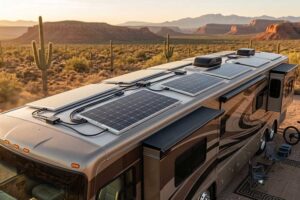
300 watt flexible solar panels for RV, Marine and Off-Grid Applications
300 watt flexible solar panels are designed to deliver portable solar power where traditional rigid panels cannot fit. A 300W flexible module can typically generate about 900Wh to 1.5kWh per day depending on sunlight conditions, making it suitable for RVs, boats, campers, and lightweight off-grid systems.
At Bright Solar, we started working with flexible photovoltaic products because many customers had the same problem: they wanted more solar power, but their installation space was not designed for conventional glass panels.
I remember a camper manufacturer in northern Europe sending us roof drawings covered with vents, curved edges, and limited mounting space. Their original plan used rigid panels, but after measuring the available area, almost one-third of the roof could not be used. The question was not “which panel has higher efficiency?” The real question was “which panel can actually be installed?”
That is where 300 watt flexible solar panels become valuable.
Why 300 watt flexible solar panels are different from traditional modules
A 300W flexible solar panel is not simply a thinner version of a standard solar module. The entire construction approach is different.
Traditional panels usually rely on:
- Tempered glass surface
- Aluminum frame
- Rigid mounting structure
- Heavy mechanical support
Flexible solar panels replace these components with lightweight materials while maintaining photovoltaic performance.
Most high-quality flexible 300W panels include:
| Component | Purpose |
|---|---|
| Monocrystalline cells | Improve conversion efficiency |
| ETFE protective layer | Resist UV, scratches, salt spray |
| Flexible composite backing | Allows installation on curved surfaces |
| Waterproof junction box | Protect electrical connections |
| Bypass diodes | Reduce losses from partial shading |
At Bright Solar, material selection is based on outdoor usage rather than laboratory appearance.
A solar panel mounted on a yacht deck experiences saltwater mist every day. An RV roof experiences vibration, temperature swings, and road dust. These conditions expose weak designs quickly.
How much power can a 300W flexible solar panel produce?
Many customers ask us:
“Will a 300 watt flexible solar panel really produce 300 watts?”
The answer is yes under standard test conditions, but real-world output depends on location, temperature, installation angle, and system losses.
The rated 300W output is measured under laboratory conditions:
- Solar irradiance: 1000W/m²
- Cell temperature: 25°C
- Air mass: AM1.5
Real installations are different.
For example, during a Bright Solar field test on an RV project in Arizona, a 300W flexible module produced approximately:
| Condition | Measured Result |
|---|---|
| Clear summer day | 1.45 kWh/day |
| Partial cloud coverage | 0.85–1.0 kWh/day |
| Winter low sun angle | Around 0.7 kWh/day |
The actual result was affected by roof angle and heat buildup.
This is something we often explain to customers: the panel specification matters, but installation details often decide the final energy yield.
The U.S. Department of Energy explains that solar production depends heavily on location, orientation, shading, and system design.
Source:
U.S. Department of Energy – Solar Photovoltaic System Design
https://www.energy.gov/energysaver/solar-photovoltaic-system-design
Real installation experience: flexible solar panels on an RV roof
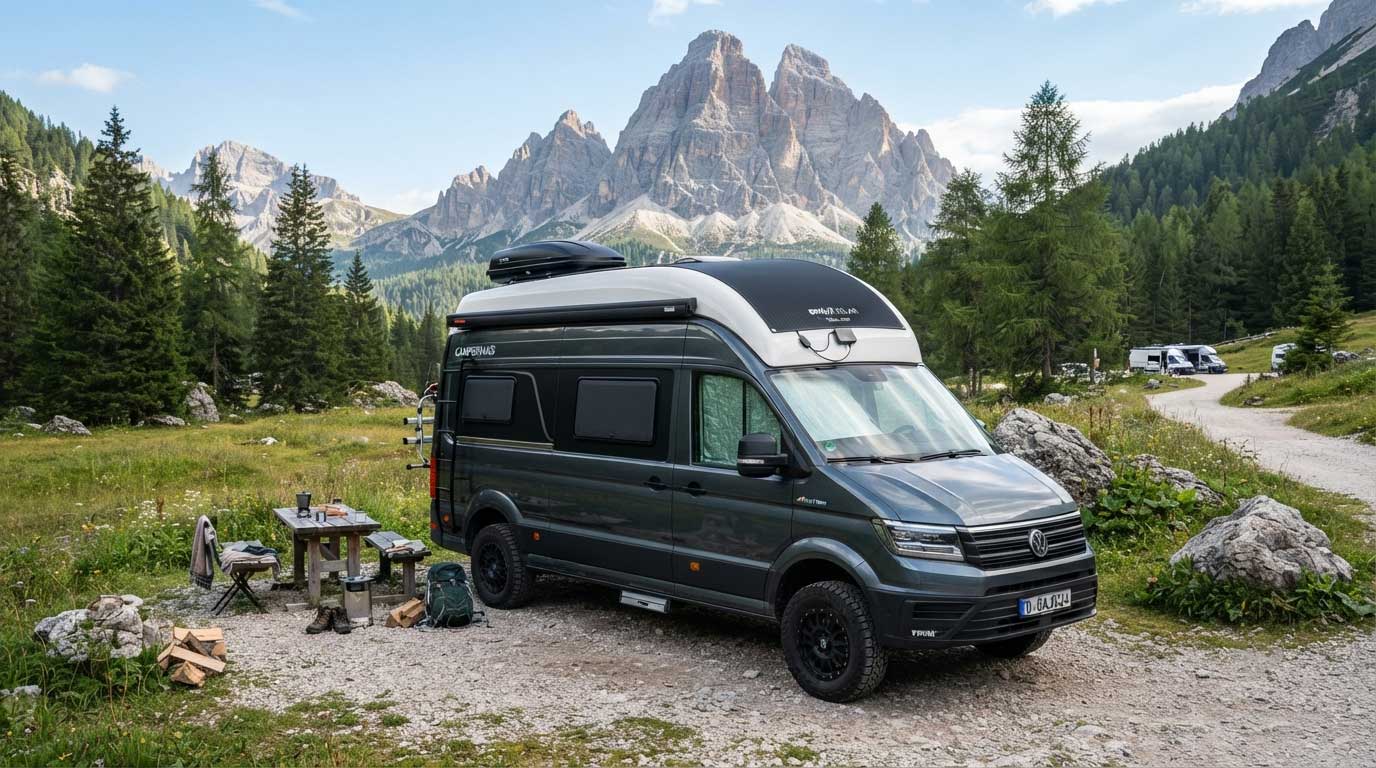
One project that stayed in my memory involved a German RV conversion company.
The customer wanted enough solar capacity to support:
- Refrigerator operation
- LED lighting
- Water pump
- Communication devices
- Small kitchen appliances
The available roof area was approximately 4.8 square meters.
A rigid solar solution required:
- Additional aluminum brackets
- Roof drilling
- Raised mounting structure
The installation team estimated almost two working days.
After switching to Bright Solar flexible modules:
- Installation time reduced to about 7 hours
- Roof drilling points reduced by 80%
- Total roof weight decreased by approximately 12 kg
The customer was not looking for the cheapest panel. They wanted a solution that would survive thousands of kilometers of driving.
That difference changes the buying decision.
Weight advantage of lightweight 300W flexible solar panels
Weight is one of the main reasons customers choose flexible modules.
A typical rigid 300W glass solar panel often weighs between 18kg and 20kg.
A flexible alternative may reduce the weight significantly, depending on design.
For mobile applications, this difference is not cosmetic.
For example:
- RV roof loading becomes easier to manage
- Marine installation requires less structural reinforcement
- Portable systems become easier to transport
According to the National Renewable Energy Laboratory (NREL), photovoltaic system design involves balancing energy performance with physical installation conditions.
Source:
National Renewable Energy Laboratory Solar Resource Information
https://www.nrel.gov/gis/solar-resource-maps.html
300 watt flexible solar panels for marine and off-grid applications
The RV market is not the only place where flexible solar technology shows its value. Marine applications are another area where we have seen steady demand from customers who need reliable power without adding unnecessary weight.
A rigid solar panel works well on a flat house roof. A boat deck is different.
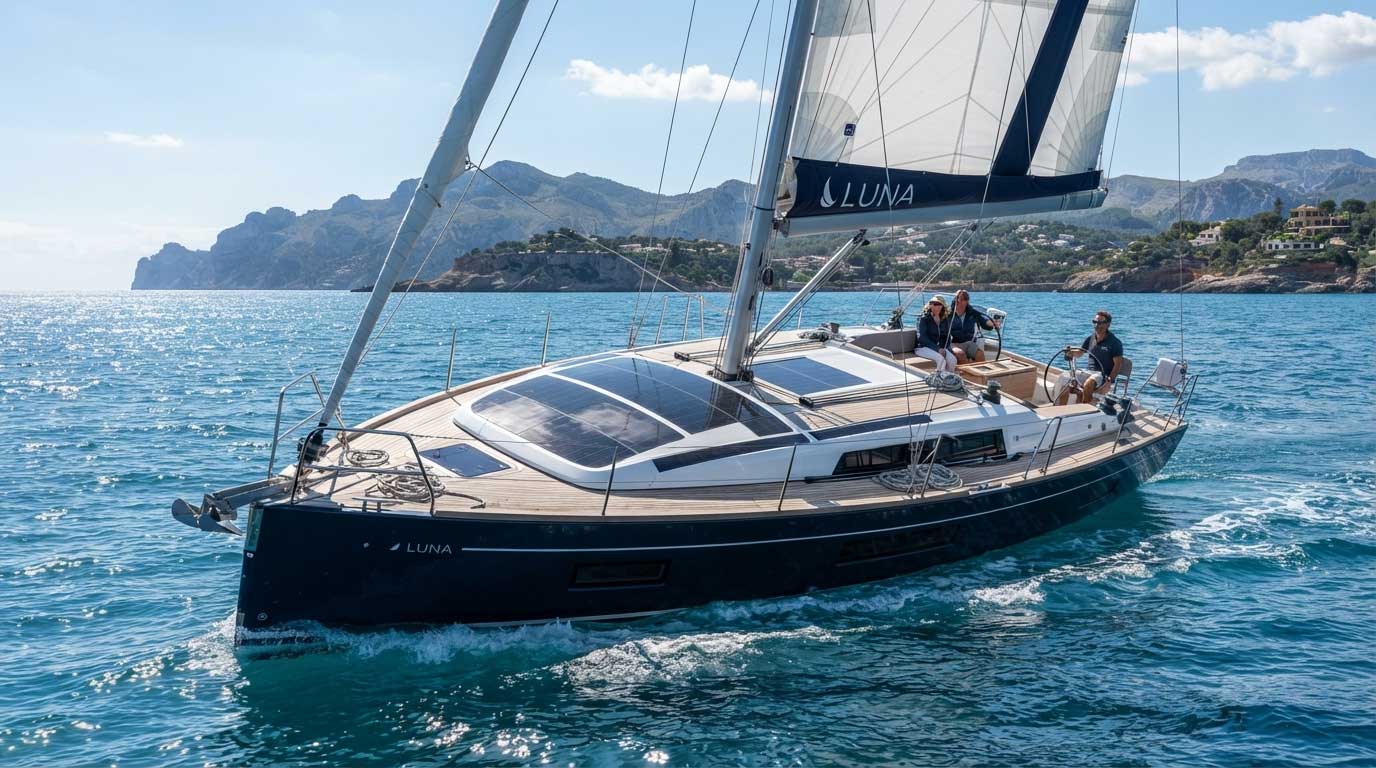
During a marine project in Italy, a customer wanted additional solar capacity on a sailing boat but had limited installation space because of:
- Curved deck surfaces
- Walking areas that could not be blocked
- Existing equipment such as antennas and ventilation systems
- Weight restrictions near the upper structure
The original design used two rigid modules. After checking the available surface, the usable area was too fragmented.
The final solution used flexible solar modules installed around existing structures.
The customer achieved:
- More usable solar coverage
- Lower deck weight
- Cleaner appearance
- No large mounting frames
This type of application explains why 300 watt flexible solar panels are becoming more common in marine energy systems.
The advantage is not only flexibility. It is the ability to turn unused surfaces into energy-producing areas.
300W flexible solar panel vs rigid solar panel: Which one is better?
There is no universal answer because the best solar panel depends on the installation environment.
A homeowner with a large flat roof may prefer rigid modules because the structure allows easy mounting.
An RV owner, boat owner, or off-grid user may value flexibility more.
The following comparison shows the practical difference:
| Feature | 300W Flexible Solar Panel | Traditional Rigid Solar Panel |
|---|---|---|
| Weight | Lower weight design | Heavier glass construction |
| Installation surface | Curved and irregular surfaces | Mainly flat surfaces |
| Mounting method | Adhesive or lightweight brackets | Aluminum frames and rails |
| Mobility | Excellent for RV, marine, camping | Limited |
| Impact resistance | Flexible structure absorbs movement better | Glass surface can crack under impact |
| Efficiency | Slightly varies by technology | Usually higher peak efficiency |
| Maintenance | Simple cleaning and inspection | Similar cleaning requirements |
At Bright Solar, we do not position flexible panels as a replacement for every solar application.
The better approach is matching the panel type with the environment.
A 300W flexible panel makes sense when installation limitations are the main challenge.
How to install 300 watt flexible solar panels correctly
Flexible panels are easier to install than rigid modules, but installation mistakes can still reduce performance.
Based on installation feedback from distributors and system integrators, the following steps are important.
Step 1: Check the installation surface
Before mounting the panel:
- Remove dust and oil
- Check the surface condition
- Confirm the area receives sufficient sunlight
- Avoid locations with continuous shading
A clean surface improves adhesion and prevents premature separation.
Step 2: Plan cable routing before fixing the panel
One mistake we often see is installing the panel first and deciding cable routing later.
This creates unnecessary stress on:
- Junction box connections
- Cable entry points
- Waterproof seals
A few minutes of planning can prevent future problems.
Step 3: Avoid excessive bending
Flexible does not mean unlimited bending.
Every flexible solar panel has a recommended bending radius. Exceeding this limit may damage internal cell connections.
Step 4: Connect with a suitable charge controller
For RV and off-grid systems, most 300W flexible solar panels are paired with:
- MPPT solar controllers
- Lithium battery systems
- Portable power stations
The controller selection should match:
- Panel voltage
- Battery voltage
- Maximum current
Why Bright Solar develops flexible solar panels differently
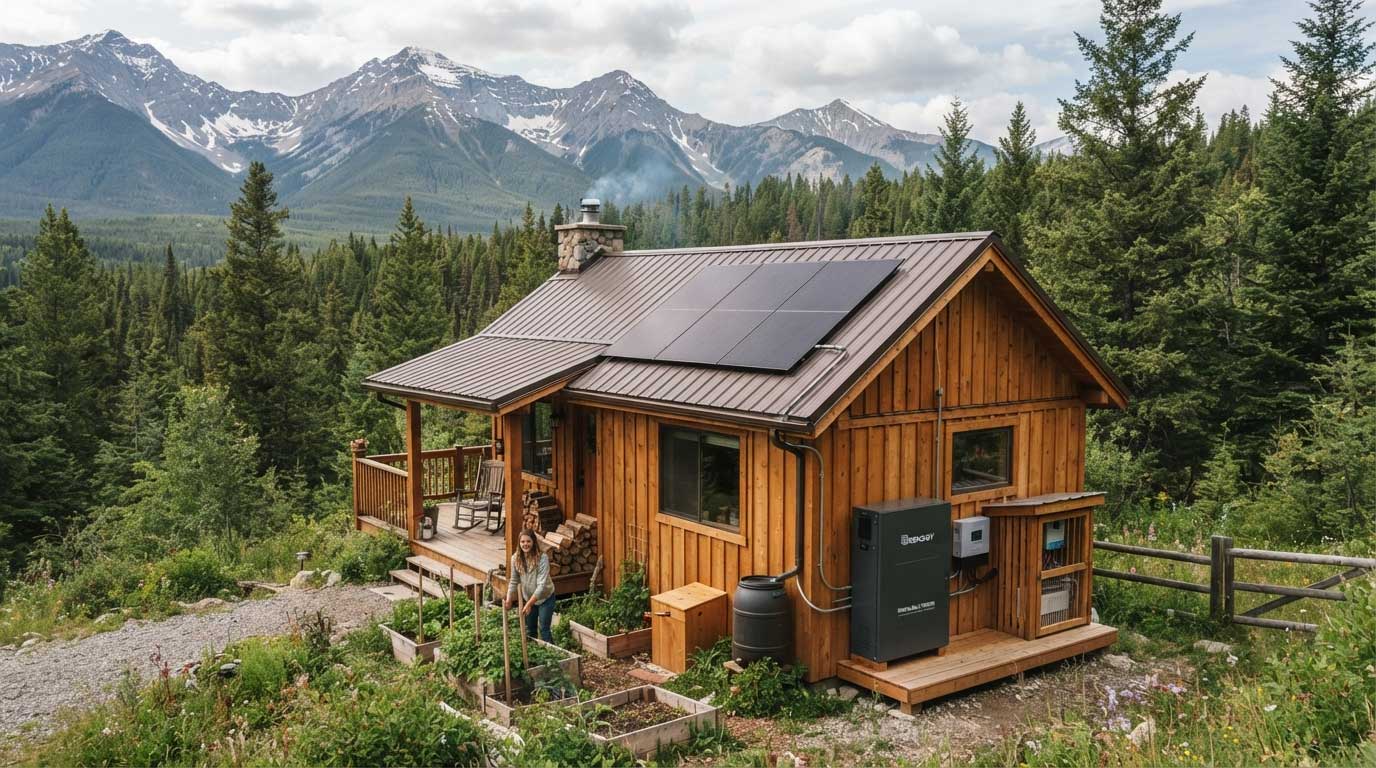
At Bright Solar, product development comes from repeated conversations with installers.
The problems customers report are usually practical:
“Can this panel survive outdoor vibration?”
“Can we install it without drilling holes?”
“Can it fit around curved surfaces?”
Those questions influence design decisions.
Our flexible solar products focus on:
- Lightweight construction
- ETFE surface protection
- Reliable waterproof design
- Portable energy applications
- Long-term outdoor usability
For example, our flexible panel testing process includes checking:
| Test Item | Purpose |
|---|---|
| UV exposure test | Evaluate long-term sunlight resistance |
| Temperature cycling | Check performance under hot and cold conditions |
| Waterproof inspection | Verify outdoor protection |
| Mechanical bending test | Confirm flexibility performance |
Solar modules are long-term products. A panel that looks good on day one must also perform after years of outdoor exposure.
Cost of 300 watt flexible solar panels
The price of a 300W flexible solar panel depends on:
- Cell technology
- Protective materials
- Manufacturing quality
- Certification requirements
- Order quantity
Typical market prices often range from approximately:
| Product Type | Estimated Price Range |
|---|---|
| Basic flexible 300W panel | $280–$400 |
| Mid-range ETFE flexible panel | $400–$550 |
| Premium lightweight flexible panel | $550+ |
Flexible panels usually cost more per watt than standard rigid panels because manufacturing requires specialized materials.
However, the total project cost should include installation.
A cheaper rigid panel may require:
- Additional brackets
- Structural reinforcement
- More labor hours
In some mobile applications, the complete installed cost difference becomes much smaller.
FAQ About 300 watt flexible solar panels
How much electricity can a 300 watt flexible solar panel produce?
A 300W flexible solar panel can usually produce around 0.9–1.5kWh per day depending on sunlight hours, installation angle, temperature, and system efficiency.
Can a 300 watt flexible solar panel be installed on an RV?
Yes. RV roofs are one of the most common applications because flexible panels reduce weight and adapt to curved surfaces.
Are flexible solar panels less durable than rigid panels?
Not necessarily. High-quality flexible panels with ETFE protection are designed for outdoor environments including vibration, UV exposure, and weather conditions.
Can flexible solar panels be used on boats?
Yes. Marine applications benefit from lightweight designs because reducing weight is important for vessel performance.
How long do 300W flexible solar panels last?
The lifespan depends on materials, installation, and environment. Quality flexible solar panels are designed for many years of outdoor operation when properly installed.
Do flexible solar panels work in cloudy weather?
Yes. They can still generate electricity under cloudy conditions, although output will be lower compared with direct sunlight.
Are 300 watt flexible solar panels waterproof?
Most outdoor flexible solar panels are designed with waterproof protection, but installation points and electrical connections must also be properly protected.
Final thoughts: Is a 300 watt flexible solar panel the right choice?
A 300 watt flexible solar panel is not simply a lighter solar module. It solves a different type of problem.
When installation space is curved, limited, mobile, or weight-sensitive, flexibility becomes a major advantage.
After years working with solar products, we have learned that the best panel is not always the one with the highest laboratory specification. It is the one that fits the real environment and continues working after installation.
For RV owners, marine users, and off-grid projects, Bright Solar flexible solar panels provide a practical balance between portability, durability, and energy performance.
Related recommendations
-

400 Watt Flexible Solar Panel for Serious Off-Grid Energy Systems
141Discover how a 400 watt flexible solar panel delivers lightweight, high-output off-grid energy for RVs, boats, vans, and solar battery systems.
View details -
12 Volt Solar Panel: How to Choose the Right System for Reliable Off-Grid Power
168Discover how to choose the right 12 volt solar panel for RVs, boats, cabins, and battery charging. Learn sizing, performance, installation tips, and real-world applications from Bright Solar.
View details -
Best semi flexible solar panels: A Complete Guide for RV, Marine and Off-Grid Applications
151Explore the best semi flexible solar panels for RV, marine, and off-grid systems with expert advice, performance data, installation insights, and Bright Solar experience.
View details -
Wiring Solar Panels in Series: When It Works Best and When It Doesn’t
128Learn wiring solar panels in series correctly for RVs, boats, mobile homes, and off-grid systems. Discover voltage benefits, sizing tips, real-world examples, and installation best practices.
View details