Is my house good for solar panels?
Yes, most homes can use solar panels if the roof receives enough sunlight, has suitable space, and supports proper installation. Roof angle, shading, location, and electricity usage determine solar suitability.
How to know if my house is good for solar panels
The question “is my house good for solar panels” depends on more than simply having a roof. A suitable solar home needs a combination of sunlight exposure, structural condition, available installation space, and household energy demand.
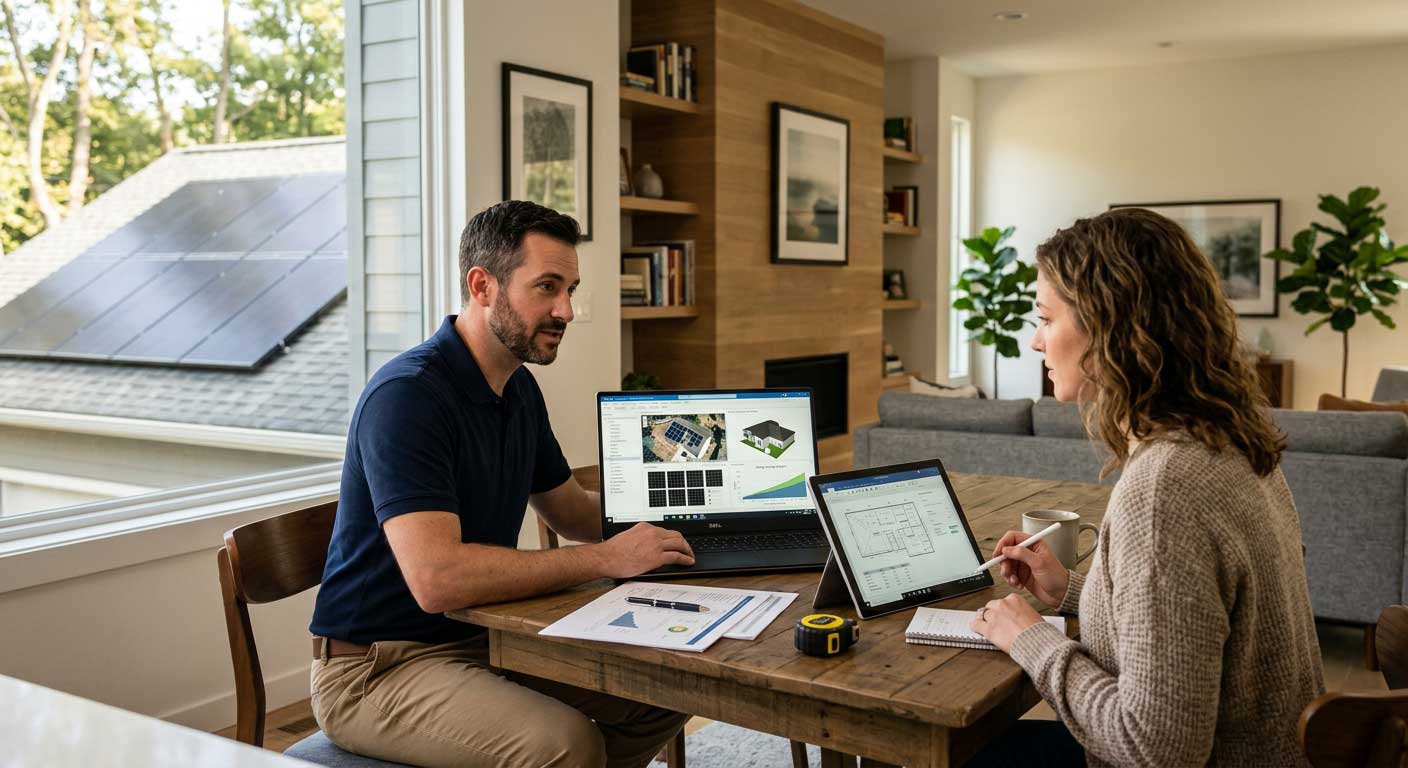
At Bright Solar, we evaluate solar applications from a practical installation perspective. When reviewing residential and off-grid projects, our engineers usually look beyond satellite images. A roof that appears perfect online may have afternoon shadows from nearby trees, uneven surfaces, or limited cable routes that affect the final system design.
A home is generally a good candidate for solar panels when it has:
- Several hours of direct sunlight each day
- A roof area without major shading
- A structurally sound mounting surface
- Electrical usage that matches solar production potential
The National Renewable Energy Laboratory (NREL) explains that solar energy potential depends heavily on location, available sunlight, system orientation, and installation conditions. Solar suitability is therefore different for every property.
Key factors that determine if your home is suitable for solar
Roof direction and sunlight exposure
Roof orientation plays an important role in solar production.
In the Northern Hemisphere:
- South-facing roofs usually receive strong sunlight exposure
- East-facing roofs can capture morning sunlight
- West-facing roofs can capture afternoon sunlight
However, roof direction alone does not decide the answer.
A west-facing roof with excellent sunlight can sometimes outperform a south-facing roof with heavy shading.
During actual project reviews, Bright Solar engineers often check:
- Morning sunlight
- Afternoon sunlight
- Seasonal shadow changes
- Nearby buildings
- Tree growth patterns
Roof angle and installation space
Solar panels perform best when they receive sunlight at effective angles.
Common residential considerations include:
| Factor | Why It Matters |
|---|---|
| Roof size | Determines available panel quantity |
| Roof slope | Affects sunlight angle and mounting |
| Roof condition | Ensures long-term installation safety |
| Roof material | Influences mounting method |
Most standard residential solar panels are installed on pitched roofs, flat roofs, and ground-mounted structures.
For homes with limited roof space, lightweight or flexible solar solutions can provide additional installation options.
Shading from trees and buildings
Shade is one of the most common reasons a home produces less solar energy than expected.
Possible shading sources:
- Large trees
- Neighboring buildings
- Chimneys
- Roof structures
- Utility equipment
Even partial shading can affect solar production because photovoltaic modules contain interconnected cells.
A quick daytime check helps:
- Observe the roof in the morning
- Check sunlight around noon
- Review afternoon shadows
A roof that receives consistent sunlight throughout the day usually has better solar potential.
How electricity usage affects solar suitability
Match solar production with household demand
A suitable solar home should also have energy consumption that matches the planned solar system.
Common household electricity users include:
- Air conditioning
- Heating systems
- Water heaters
- Appliances
- Electric vehicles
A larger electricity bill does not mean solar is unsuitable. It may actually mean solar can provide greater financial benefits by offsetting more electricity consumption.
Homeowners should review:
- Monthly electricity usage
- Seasonal energy changes
- Future electricity needs
For example, a family planning to add an electric vehicle may require a larger solar system compared with their current household demand.
Roof conditions before installing solar panels
Check roof age and structure
Before installation, homeowners should consider roof condition.
Important questions include:
- Is the roof near replacement age?
- Are there leaks or damage?
- Can the structure support solar equipment?
Installing solar panels on an aging roof may create additional costs if the roof needs replacement later.
Consider different solar installation options
Not every suitable solar home uses the same installation method.
Options include:
| Installation Type | Suitable For |
|---|---|
| Rooftop solar | Standard homes with available roof space |
| Ground-mounted solar | Properties with open land |
| Flexible solar panels | Curved surfaces, RVs, special applications |
Bright Solar develops flexible solar panel solutions for applications where traditional rigid modules may not fit, including lightweight and customized installations.
How professionals evaluate a home for solar panels
Solar assessment checklist
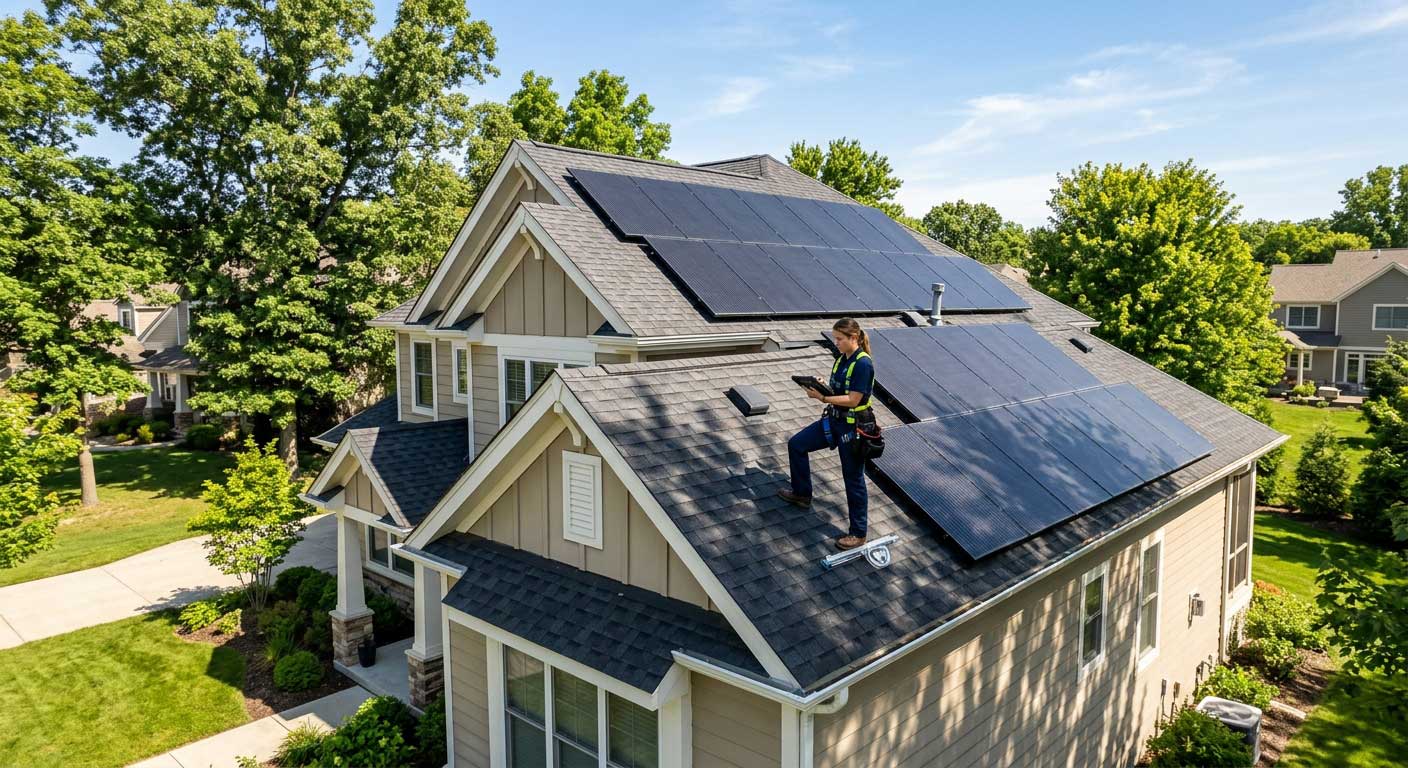
A professional evaluation usually includes:
- Location analysis
- Roof inspection
- Shade evaluation
- Energy consumption review
- System sizing calculation
The purpose is not only to install panels but to design a system that performs reliably for many years.
According to the U.S. Department of Energy, photovoltaic system performance is affected by equipment selection, installation quality, and operating conditions.
Questions homeowners should ask before installation
Before choosing a solar solution, consider:
- How much electricity does my home use?
- How much roof space is available?
- Will trees grow and create future shade?
- Does my roof need repair?
- What solar technology fits my property?
These questions help avoid oversizing or underbuilding a solar system.
FAQ About Home Solar Suitability
Is every house suitable for solar panels?
No. Solar suitability depends on sunlight, roof condition, available space, and energy requirements.
Does my roof need to face south for solar panels?
No. South-facing roofs are often favorable, but east and west-facing roofs can also work well.
Can I install solar panels if my house has shade?
Yes, but heavy shading may reduce energy production and require careful system design.
How much roof space do I need for solar panels?
The required space depends on panel size, electricity demand, and system capacity.
Can old roofs have solar panels installed?
Possibly, but roof condition should be checked before installation.
Are flexible solar panels suitable for homes?
They can be useful for special applications where lightweight or adaptable solar solutions are needed.
How can I check my home solar potential?
Start by reviewing sunlight exposure, roof condition, electricity usage, and professional solar assessment results.
Final Answer: Is my house good for solar panels?
Understanding is my house good for solar panels starts with evaluating sunlight, roof conditions, and household energy needs. A suitable home is not defined by one factor but by how these elements work together.
Bright Solar helps customers explore flexible solar solutions designed for different installation environments, including residential, RV, marine, and off-grid applications.
The prev: How to wire solar panels in parallel?The next: what are the best portable solar panels?
Related recommendations
-

How Much Are Solar Panels for My House?
203How much are solar panels for my house? Discover real 2026 installation costs, pricing by home size, expert insights, and practical ways to estimate your residential solar investment with Bright Solar.
View details -
how to install flexible solar panel on rv?
191Learn how to install flexible solar panel on rv with real field-tested RV wiring steps, safety notes, and expert insights from Bright Solar installers.
View details -
How Much To Purchase Solar Panels?
282How much to purchase solar panels? Explore real solar panel prices, wattage costs, installation factors, and expert buying advice from Bright Solar.
View details -
How many amps 200 watt solar panel?
376How many amps 200 watt solar panel produces depends on voltage and conditions. Learn current calculations, charging performance, and solar system sizing tips.
View details