Do Solar Panels Make Noise?
No, do solar panels make noise? The panels themselves operate essentially silently because photovoltaic cells have no motors or moving parts. In a complete solar installation, however, the inverter, cooling fans, transformers, or mounting hardware can produce a faint hum, buzz, or airflow sound during operation.
Do Solar Panels Make Noise During Normal Operation?
The solar modules on your roof are not normally a source of mechanical noise. Photovoltaic generation happens inside the cells as sunlight is converted into electricity; there is no spinning motor inside a conventional PV module.
The component homeowners are more likely to hear is the inverter.
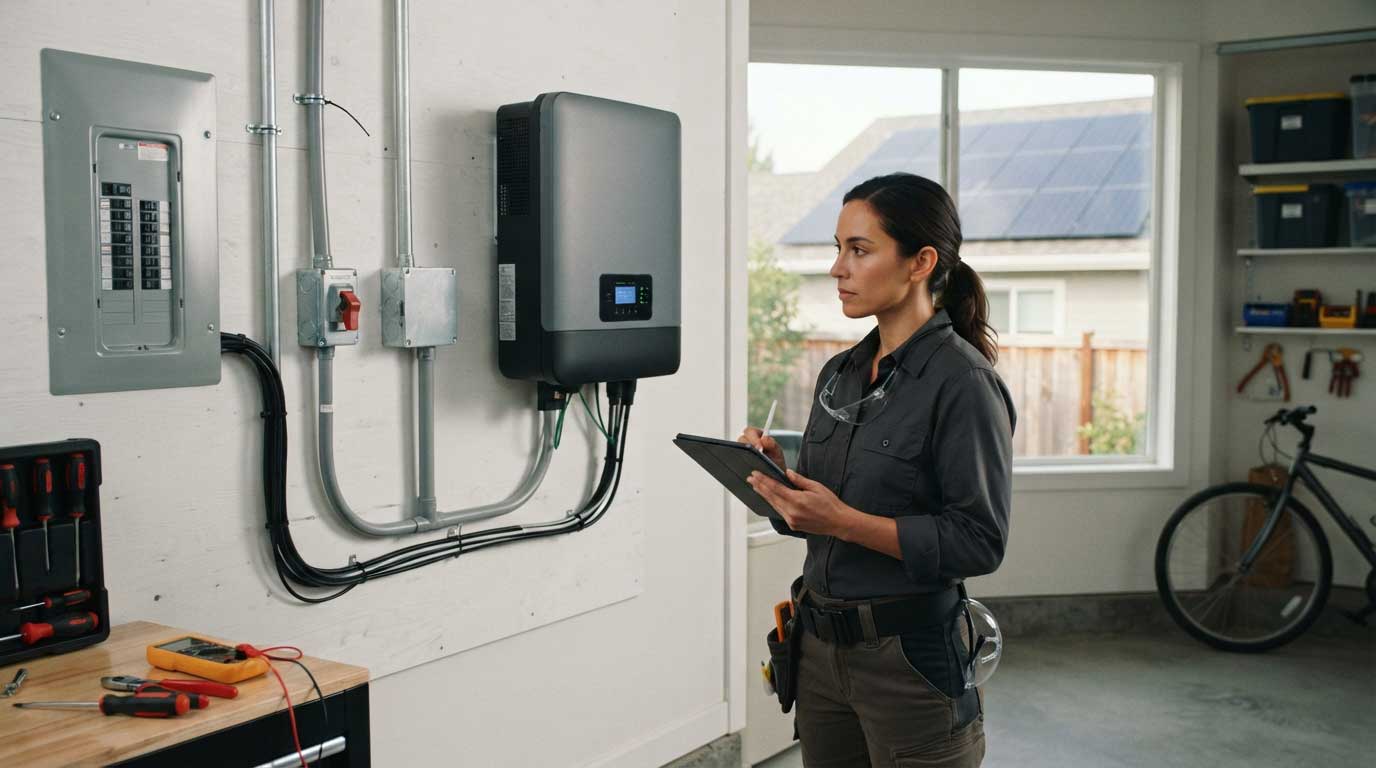
The inverter converts DC electricity from the panels into AC electricity that can be used by the home or supplied to the grid. Depending on its design, it may produce a very soft electrical hum or use fans for thermal management.
This distinction is easy to miss when someone says “solar panels are noisy.” Technically, the sound is usually coming from another part of the system.
NREL has documented inverter noise as a consideration in solar installations. One NREL training resource describes inverter sound at approximately 45 dB at 10 meters, characterizing it as slightly quieter than a refrigerator.
Actual residential inverter specifications vary considerably. For example, Delta lists 20 dB for its H2.5-5A residential photovoltaic inverter, while GoodWe publishes models with noise levels below 20 dB.
So there is no single “solar panel noise level.” The inverter model, cooling method, installation location, and operating conditions matter.
What Parts of a Solar System Can Make Noise?
| Component | Possible sound | Typical situation |
|---|---|---|
| Solar panels | Essentially silent | No moving mechanical parts |
| String inverter | Low hum, buzz, or fan noise | Usually during daylight operation |
| Microinverter | Very low electrical/electronic noise | Located close to individual modules |
| Cooling fan | Soft airflow or whirring | More noticeable when equipment is warm |
| Transformer | Low-frequency hum | Depends on system design |
| Mounting structure | Rattle or vibration | Usually associated with wind or loose hardware |
| Tracking system | Motor/mechanical movement | Mainly larger tracking installations |
The last two deserve attention. A persistent rattling sound from a rooftop array is not the normal “sound of solar.” Wind acting on loose hardware, cable clips, flashing, or another roof component can create noise that should be inspected.
Why Does a Solar Inverter Make a Humming Sound?
Inverters contain electrical and electronic components that can vibrate at audible frequencies. Some systems also use active cooling fans.
The sound may be more noticeable around midday on a hot, sunny day because the inverter is processing substantial power and may need more cooling. It can become much less noticeable when solar production falls.
Modern inverter design is moving toward quieter equipment as well. Delta’s residential H2.5-5A, for example, is specified at 20 dB, while GoodWe’s XS G3 series is also specified at less than 20 dB. GoodWe’s larger ESA energy-storage system publishes operating noise as low as 30 dB at 25°C ambient temperature for specified configurations.
These numbers are manufacturer specifications for particular products, not a universal measurement for all solar installations.
Can You Hear Solar Panels at Night?
Normally, no.
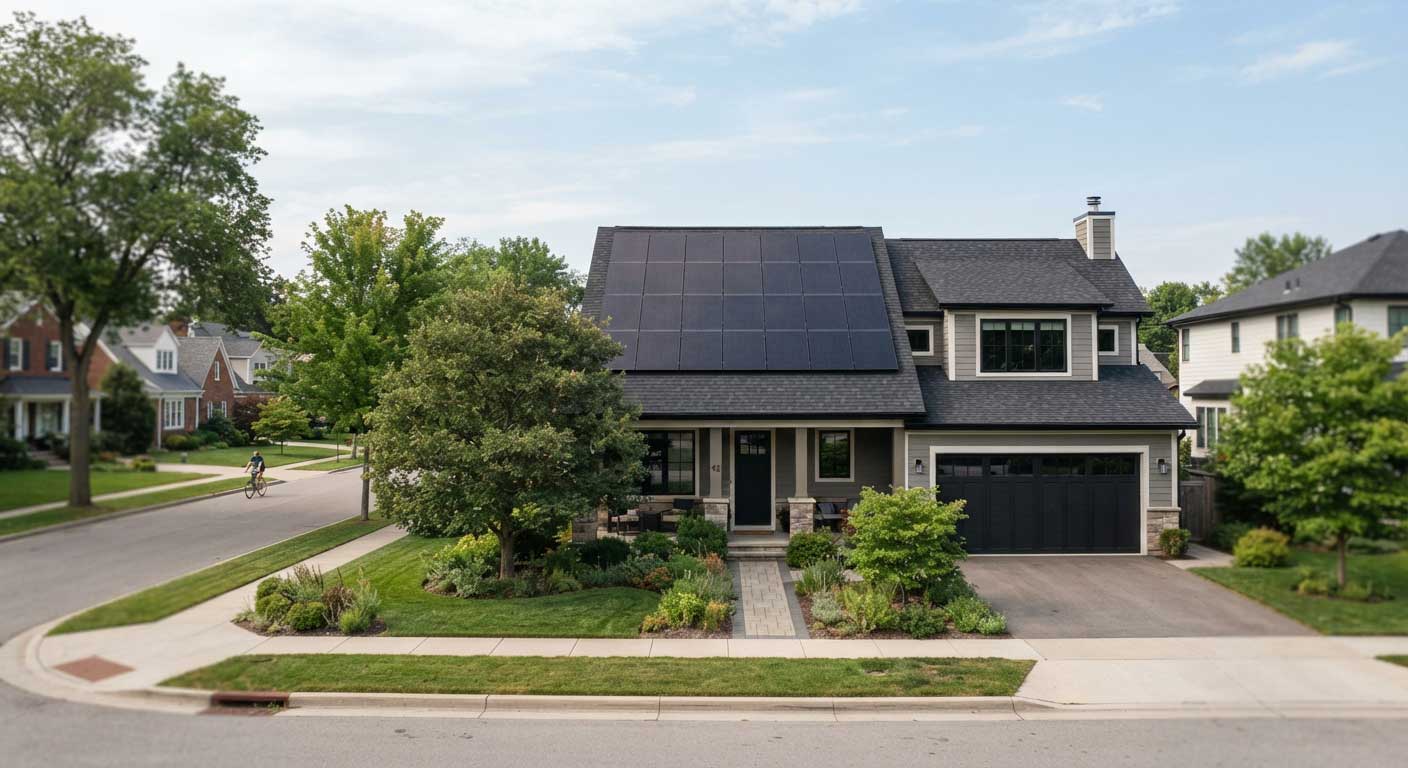
Solar modules stop producing electricity from sunlight after dark, so the inverter in a conventional grid-connected system may also become inactive or enter standby. Any sound associated with daytime power conversion generally decreases or stops.
However, this depends on the complete system. A battery energy-storage system can continue operating after sunset, and its inverter, cooling equipment, or other electronics may still be active.
That is why “solar panels are silent at night” is technically less useful than asking which components remain energized.
For homeowners particularly sensitive to sound, the equipment location matters. An inverter installed beside a bedroom wall may be more noticeable than the same inverter mounted in a garage or suitable utility area.
What If My Solar System Suddenly Becomes Loud?
A faint hum can be normal. A new, loud, intermittent, rattling, grinding, or vibrating sound deserves attention.
Start by identifying where the sound originates.
Possible causes include:
- An inverter cooling fan operating at higher speed.
- A loose mounting component.
- Wind-induced vibration from the roof structure.
- A fan bearing or other mechanical component developing a fault.
- Electrical equipment producing an unusual buzzing sound.
- A transformer or other power-conversion component operating outside normal conditions.
Do not open an inverter or attempt electrical repairs yourself. Record when the sound occurs, whether it changes with sunlight or temperature, and where it appears to come from. That information is much more useful to an installer than simply reporting that “the solar panels are noisy.”
How Loud Are Solar Inverters Compared With Everyday Sounds?
Decibel values are useful because human perception of sound is relative.
For context, NREL‘s cited 45 dB at 10 meters for inverters is a relatively low sound level compared with many ordinary household and outdoor sources.
But distance changes what you actually hear. A manufacturer measuring noise close to the inverter and a homeowner standing several meters away are not making the same measurement.
| Situation | What to consider |
|---|---|
| Inverter beside living space | Choose low-noise equipment and appropriate placement |
| Inverter inside garage | Structure and distance can reduce perceived sound |
| Outdoor inverter | Check manufacturer noise rating and ventilation requirements |
| Battery storage system | Consider inverter plus battery cooling noise |
| Rooftop rattling | Inspect mounting and roof components |
| Sudden electrical buzzing | Contact a qualified installer |
For Bright Solar projects, particularly residential, RV, marine, and off-grid applications, the complete system design matters more acoustically than the photovoltaic module alone. Panel selection, inverter choice, mounting, ventilation, and equipment placement should be considered together.
FAQ About Do Solar Panels Make Noise?
Do solar panels make noise when generating electricity?
No. Conventional photovoltaic panels operate essentially silently because they contain no motors or other moving mechanical components.
Why can I hear my solar system humming?
The sound is usually associated with the inverter or another electrical component rather than the PV modules themselves. Some inverters also use cooling fans.
Are solar panels noisy in the rain?
Rain itself can create sound when it strikes the panels or roof, but that is environmental noise rather than the panels generating mechanical noise.
Do solar panels make noise at night?
The panels themselves remain silent. A conventional PV inverter typically has little or no solar-generation activity after sunset, although battery-storage systems may continue operating.
Are microinverters quieter than string inverters?
Noise depends on the specific equipment. Some microinverters are designed for very quiet operation, but it is better to compare the published acoustic specification of the actual models being considered rather than assume one architecture is always quieter. NREL identifies string inverters and microinverters as different system architectures with different equipment configurations.
What should I do if my solar panels suddenly become noisy?
First identify whether the sound comes from the panels, inverter, roof structure, or another component. A new rattling, grinding, or unusually loud electrical sound should be inspected by a qualified solar professional.
Conclusion
Do solar panels make noise? The panels themselves are essentially silent. What homeowners may hear is normally the inverter, cooling fan, transformer, or—occasionally—wind-induced movement around the installation. Choosing appropriately rated equipment and locating the inverter thoughtfully can make a noticeable difference in residential comfort. Bright Solar recommends evaluating the complete PV system rather than treating the solar module itself as a source of operating noise.
The prev: Do Solar Panels Work in Cloudy Weather?The next: Do Solar Panels Charge on Cloudy Days?
Related recommendations
-

How Much To Install Solar Panels On My House?
253How much to install solar panels on my house? Learn real solar installation costs, system factors, and expert advice from Bright Solar for homeowners.
View details -
Do Solar Panels Work With Snow on Them?
234Do solar panels work with snow on them? Learn how snow affects solar output, how winter sunlight works, and when snow removal is necessary for solar panels.
View details -
How Is Solar Energy Made Into Electricity?
145How is solar energy made into electricity? Learn how sunlight becomes usable power through solar cells, inverters, and real photovoltaic systems.
View details -
how to clean solar panels on roof automatically?
151Solar panels on a roof can be cleaned automatically with robotic dry brushes, wet cleaning systems, fixed washing devices, or soiling-based controls.
View details