How Long Does It Take to Install Solar Panels?
How Long Does It Take to Install Solar Panels?
Installing solar panels on a typical home usually takes one to three days for the physical installation. However, the complete process—including design, permitting, inspections, and utility approval—often takes four to twelve weeks, depending on local regulations and project complexity.
When homeowners ask Bright Solar how long solar installation takes, they are often surprised that climbing onto the roof is actually one of the shortest stages of the project. The visible work may finish in a day or two, while the preparation behind the scenes often takes much longer.
After reviewing residential solar projects of different sizes, we’ve found that installation speed depends less on mounting the panels and more on planning. Engineering drawings, permit approvals, utility coordination, and equipment availability usually determine the overall timeline.
A well-organized installation is rarely rushed. Careful planning reduces delays, improves safety, and helps ensure the system performs as designed for decades.
What Is the Typical Solar Panel Installation Timeline?
Although every project is different, most residential solar installations follow a similar sequence.
| Project Stage | Typical Time Required |
|---|---|
| Initial consultation | 1–3 days |
| Site survey | 1 day |
| System design | 3–10 days |
| Permit approval | 1–6 weeks |
| Equipment delivery | Several days to 2 weeks |
| Rooftop installation | 1–3 days |
| Inspection | 1–14 days |
| Utility approval (Permission to Operate) | 1–4 weeks |
As shown above, the rooftop installation itself represents only a small portion of the total project schedule.
According to the U.S. Department of Energy, permitting, inspections, and utility interconnection frequently account for much of the overall residential solar installation timeline.
Reference:
https://www.energy.gov/eere/solar/homeowners-guide-going-solar
Step 1: Site Assessment and Solar Design
Every successful installation begins with understanding the property.
A professional assessment typically includes:
- Roof measurements.
- Roof orientation.
- Pitch evaluation.
- Structural condition.
- Shading analysis.
- Electrical panel inspection.
- Annual electricity consumption review.
Rather than immediately recommending a panel count, experienced designers calculate expected energy production based on actual site conditions.
At Bright Solar, our engineering team also reviews future household electricity needs. Homeowners planning to purchase an electric vehicle or install a heat pump may benefit from designing additional system capacity from the beginning.
This planning stage often prevents expensive modifications later.
Step 2: Engineering Drawings and Permit Approval
Once the system design is complete, detailed engineering documentation is prepared.
Typical documents include:
- Roof layout.
- Structural calculations.
- Electrical diagrams.
- Equipment specifications.
- Safety documentation.
These plans are submitted to local permitting authorities before installation begins.
Permit approval times vary significantly.
For example:
| Region | Possible Permit Timeline |
|---|---|
| Smaller municipalities | Several days |
| Medium-sized cities | 2–4 weeks |
| Large metropolitan areas | 4–8 weeks or longer |
The waiting period often depends on local government processing rather than installer availability.
According to the Solar Energy Industries Association (SEIA), permitting and administrative processes remain important contributors to overall residential solar project timelines and costs.
Reference:
Step 3: Ordering Equipment and Preparing the Installation
After permits are approved, installers coordinate material delivery.
A complete residential system usually includes:
- Solar panels.
- Inverter.
- Mounting rails.
- Roof attachments.
- Junction boxes.
- Electrical wiring.
- Monitoring equipment.
- Safety disconnects.
Delivery schedules depend on product availability.
While standard residential equipment is often available within days, premium modules or specialized inverters may require additional lead time.
Planning deliveries before installation helps minimize interruptions once work begins.
How Long Does the Actual Roof Installation Take?
The rooftop installation is usually the fastest part of the project.
Typical installation durations include:
| System Size | Estimated Installation Time |
|---|---|
| 4–6 kW | 1 day |
| 6–10 kW | 1–2 days |
| 10–15 kW | 2–3 days |
| Large residential projects | 3–5 days |
Weather, roof complexity, and crew size all influence the final schedule.
Simple asphalt-shingle roofs with good access are generally completed faster than steep roofs, tile roofs, or homes requiring electrical upgrades.
In our experience at Bright Solar, projects rarely experience delays because of panel installation itself. More often, scheduling changes result from weather forecasts or final inspection availability.
What Happens During Installation Day?
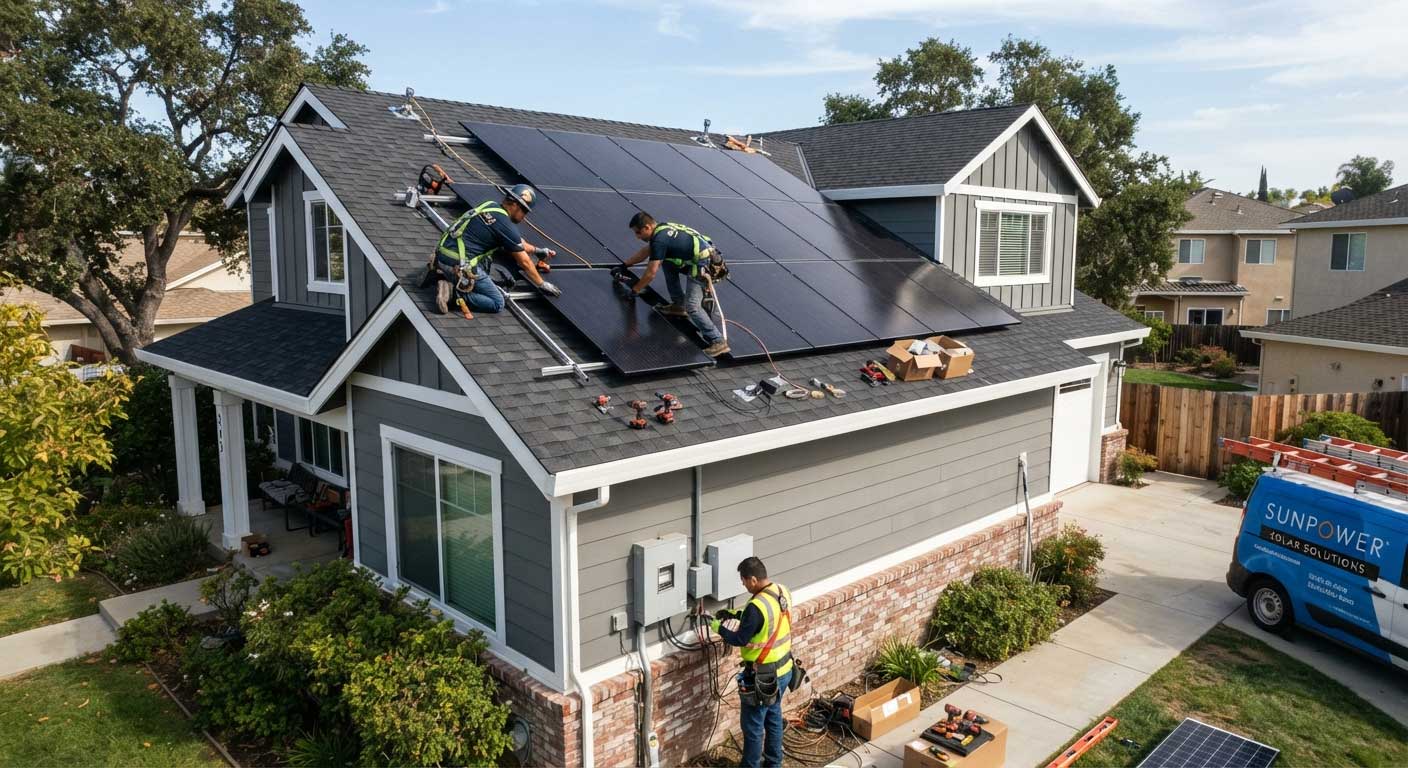
Although each installer has its own workflow, a typical installation day follows several major steps:
Roof Preparation
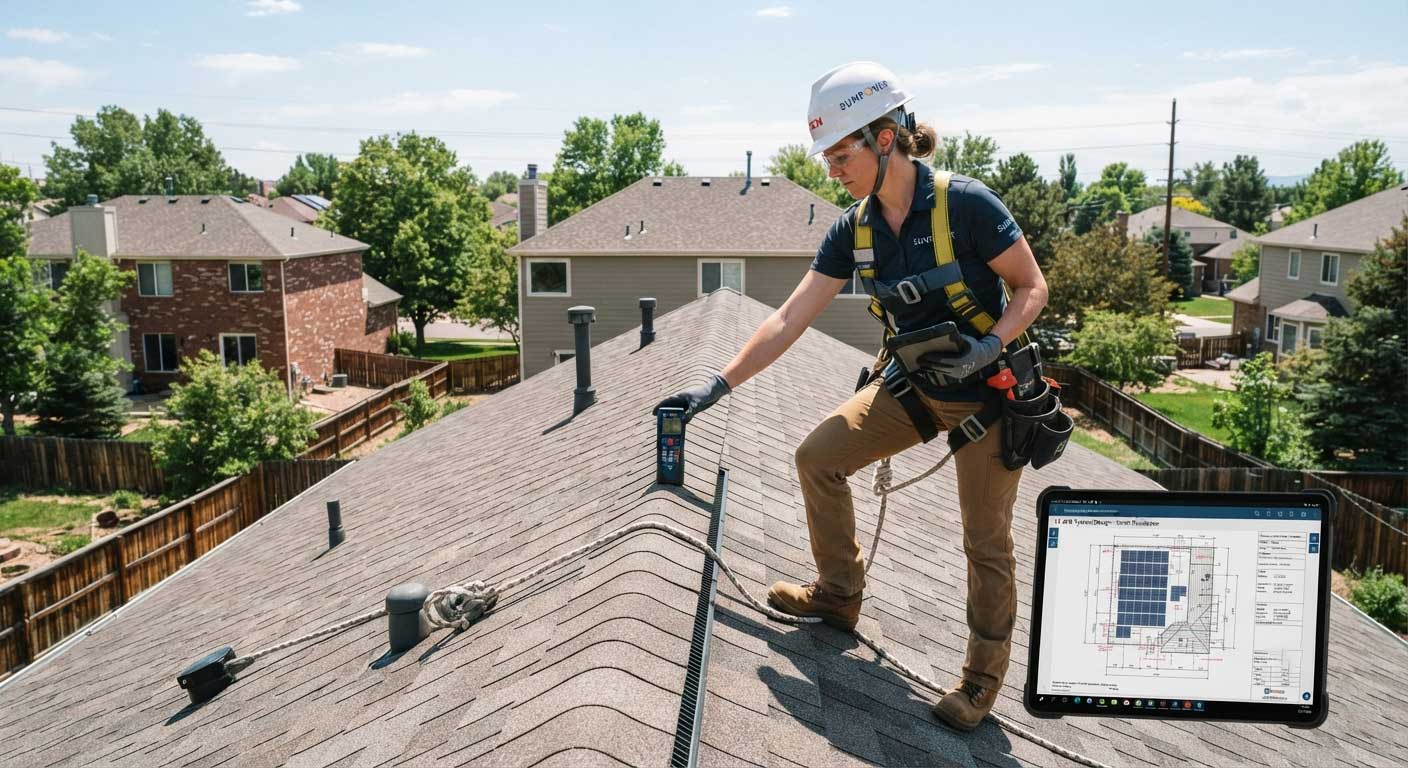
The installation team verifies roof attachment locations, safety equipment, and structural conditions before mounting hardware is installed.
Mounting System Installation
Rails and roof attachments are secured according to engineering plans while maintaining proper waterproofing.
Solar Panel Placement
The photovoltaic modules are positioned, fastened to the mounting rails, and connected into electrical strings.
The visible transformation often happens surprisingly quickly. By the end of the first day, many homeowners can already recognize the finished appearance of their rooftop solar array.
Step 4: Electrical Connection and Inverter Installation
After the solar panels are secured to the roof, installers complete the electrical portion of the project.
This stage typically includes:
- Connecting panel strings.
- Installing the inverter.
- Mounting AC and DC disconnects.
- Running conduit and wiring.
- Connecting the monitoring system.
- Integrating the system with the home’s electrical panel.
For homes requiring a main service panel upgrade, this stage may take additional time. Older electrical systems sometimes need modifications to meet current electrical codes before the solar system can be energized.
At Bright Solar, we always verify electrical safety before commissioning the system. A properly designed electrical installation is just as important as the solar panels themselves.Visit the product page: Flexible Solar Panel
Step 5: Inspection and Utility Approval
Even after the physical installation is complete, the system usually cannot begin producing electricity immediately.
Before operation, several final steps remain:
- Local building inspection.
- Electrical inspection (where required).
- Utility review.
- Permission to Operate (PTO).
The utility company confirms that the installation complies with interconnection requirements before allowing the system to export electricity to the grid.
Typical approval timelines vary:
| Final Stage | Typical Time |
|---|---|
| Local inspection | 1–14 days |
| Utility review | 1–4 weeks |
| Permission to Operate | After approval is issued |
According to the U.S. Department of Energy Solar Energy Technologies Office, interconnection procedures and utility processing times differ between utilities and regions, making this one of the most variable phases of a residential solar project.
Reference:
https://www.energy.gov/eere/solar
What Can Delay a Solar Panel Installation?
Many homeowners expect the entire project to finish within a few days because the roof work appears straightforward.
In reality, delays are usually unrelated to the installation crew.
Common causes include:
Permit Processing
Municipal approval timelines vary widely depending on local workloads.
Weather Conditions
Heavy rain, snow, high winds, or lightning can temporarily stop rooftop work for safety reasons.
Electrical Upgrades
Homes requiring breaker panel replacement or service upgrades often need additional scheduling.
Equipment Availability
Specialized inverters or premium solar modules occasionally have longer delivery times.
Utility Scheduling
Inspection appointments and utility approvals depend on third-party availability rather than installer schedules.
These variables explain why two similar homes can have noticeably different project timelines.
How to Prepare Before Solar Installation Day
Good preparation helps the installation proceed efficiently.
Homeowners can assist by:
- Ensuring installers have access to the property.
- Parking vehicles away from work areas.
- Clearing attic or electrical panel access if required.
- Informing installers about recent roof repairs.
- Discussing planned future electrical upgrades, such as EV chargers or battery storage.
These small preparations often prevent unnecessary interruptions during installation.
Is Faster Solar Installation Always Better?
Not necessarily.
A one-day installation may sound impressive, but speed should never come at the expense of workmanship.
A quality installation emphasizes:
- Accurate roof measurements.
- Secure mounting.
- Proper waterproofing.
- Code-compliant electrical work.
- Thorough system testing.
At Bright Solar, we prioritize precision over speed. Completing a project correctly the first time helps homeowners avoid costly service visits and supports reliable system performance over the coming decades.
FAQ About How Long Does It Take to Install Solar Panels?
How long does it take to install solar panels?
The physical installation usually takes one to three days for a typical residential system. The complete project, including permits and utility approval, often takes four to twelve weeks.
Can solar panels be installed in one day?
Yes. Smaller residential systems with straightforward roof layouts can often be installed within a single working day, although inspections and utility approval are still required before operation.
Why does permitting take longer than installation?
Permits require review by local authorities to verify structural, electrical, and safety compliance. Processing times depend on municipal procedures rather than installer speed.
Does bad weather delay solar installation?
Yes. Rain, snow, high winds, or other unsafe conditions may postpone rooftop work until weather improves.
How soon can I use my solar panels after installation?
Most homeowners must wait until inspections are complete and the utility grants Permission to Operate (PTO) before the system begins supplying electricity to the grid.
What is the longest part of the solar installation process?
For many projects, permitting, inspections, and utility approval take longer than the actual rooftop installation.
Conclusion
The answer to how long does it take to install solar panels depends on whether you’re referring to the physical installation or the entire project timeline. While most residential rooftop installations are completed in just one to three days, planning, permitting, inspections, and utility approvals typically extend the overall process to several weeks.
At Bright Solar, we believe a successful installation is measured not only by speed but also by engineering quality, electrical safety, and long-term performance. Careful planning before installation helps reduce delays and ensures the system delivers reliable clean energy for many years.
For homeowners considering solar, understanding each stage of the process makes it easier to set realistic expectations and confidently prepare for installation day.
The prev: How Long Does a Solar Panel Last?The next: How Long Does Solar Panels Last?
Related recommendations
-

how to keep portable solar panels from being stolen?
165Secure portable solar panels with a physical cable lock and a fixed anchor, avoid leaving them unattended, and store them inside the RV when practical.
View details -
How Much Are Solar Panels for My House?
142How much are solar panels for my house? Discover real 2026 installation costs, pricing by home size, expert insights, and practical ways to estimate your residential solar investment with Bright Solar.
View details -
How to Clean Solar Light Panels?
199Learn how to clean solar light panels properly, remove dirt from garden solar lights, improve charging performance, and extend solar lighting lifespan.
View details -
How Much Do Solar Panels Cost for a House?
183How much do solar panels cost for a house? Explore 2026 solar installation prices, system size costs, expert insights, and real factors affecting home solar investment.
View details