How Expensive Are Solar Panels for a Home?
How Expensive Are Solar Panels for a Home?
Solar panels for a home typically cost between $15,000 and $30,000 before incentives, depending on system size, equipment quality, location, and installation requirements. Smaller systems may cost less, while larger homes with higher electricity demand require greater investment.
The question “how expensive are solar panels for a home” cannot be answered by looking at the panel price alone. A complete residential solar system includes modules, inverter equipment, mounting structures, electrical components, labor, permits, and inspection fees.
At Bright Solar, we approach residential solar pricing from an engineering perspective. During project evaluations, we look beyond the initial quotation and analyze electricity consumption, roof conditions, expected annual production, and long-term system performance.Visit the product page: Flexible Solar Panel
A lower upfront price may look attractive, but the real value comes from how much electricity the system produces over its operating life.
Average Cost of Solar Panels for a Home
Residential solar costs vary depending on system size and location.
A typical home solar installation may include:
| System Size | Approximate Cost Before Incentives |
|---|---|
| 3 kW system | $9,000–$15,000 |
| 5 kW system | $15,000–$25,000 |
| 8 kW system | $24,000–$40,000 |
| 10 kW system | $30,000–$50,000 |
These figures represent complete systems, not individual solar panels.
According to the U.S. Department of Energy, total solar installation costs depend on hardware, labor, financing, permitting, and local market conditions.
Reference:
https://www.energy.gov/eere/solar
The final price can differ significantly between regions because labor costs, incentives, electricity rates, and building requirements vary.
What Makes Home Solar Panels Expensive?
Many homeowners assume solar panel cost is mainly determined by the panels themselves. In reality, several components contribute to the total investment.
Solar Modules
Solar panels usually represent a significant portion of equipment costs.
Pricing depends on:
- Panel wattage
- Efficiency rating
- Cell technology
- Manufacturer
- Warranty period
Modern residential modules commonly range from 350W to over 600W per panel.
Higher-efficiency panels generally cost more but may produce more electricity when roof space is limited.
Solar Inverter
The inverter converts DC electricity generated by solar panels into usable AC electricity for household appliances.
Common inverter options include:
- String inverters
- Microinverters
- Hybrid inverters
The inverter is one of the most important components because it directly affects system reliability and monitoring capability.
Mounting and Electrical Equipment
A complete installation requires additional hardware, including:
- Roof mounting rails
- Brackets and clamps
- DC cables
- AC wiring
- Safety disconnects
- Monitoring equipment
These components are essential for safe and reliable operation.
How Much Does Solar Installation Labor Cost?
Installation labor is another major factor influencing residential solar prices.
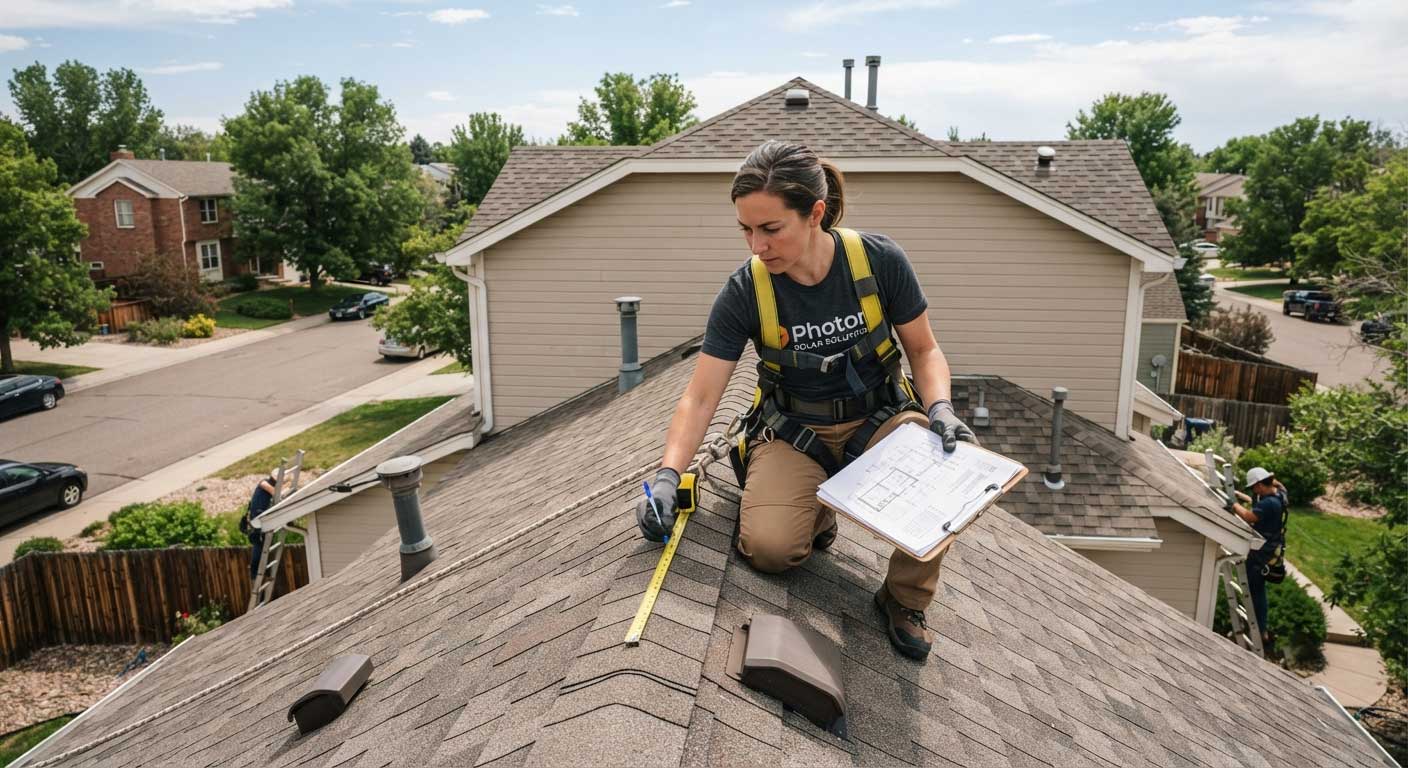
A professional installation involves:
- Site assessment
- Structural roof evaluation
- System design
- Electrical connection
- Safety inspection
- Grid connection approval
The complexity of the property can significantly affect labor costs.
For example:
- A simple single-story roof may require fewer installation hours.
- A steep roof may require additional safety equipment.
- Older electrical systems may need upgrades.
- Difficult access areas may increase labor requirements.
At Bright Solar, we consider installation conditions early in the design stage because unexpected site challenges can affect both project timing and total cost.
How System Size Changes Home Solar Cost
The size of the solar system is one of the biggest factors affecting price.
A larger system costs more initially but may generate more electricity and reduce a larger portion of household energy bills.
System sizing depends on:
- Annual electricity consumption
- Roof available area
- Local sunlight conditions
- Electricity prices
- Future energy plans
For example, a household using air conditioning frequently may require a larger system than a smaller home with lower electricity consumption.
A common mistake is choosing a system based only on available roof space. The correct approach is matching solar production with actual household energy needs.
How Incentives Affect the Final Solar Price
The advertised price of a solar system is often different from the final amount homeowners pay.
Financial incentives may include:
- Federal tax credits
- State incentives
- Local rebates
- Utility programs
In the United States, solar incentives vary by location and policy changes.
The Solar Energy Industries Association (SEIA) provides updated information about solar market policies, incentives, and industry trends.
Reference:
Homeowners should review available incentives before comparing installation quotes because they can significantly change the final investment.
Is Installing Solar Panels Worth the Cost for a Home?
The answer depends on electricity usage, local energy prices, available sunlight, and how long the homeowner plans to stay in the property.
From our experience at Bright Solar, the strongest solar projects are not always the largest ones. A correctly sized system that matches household consumption often performs better financially than an oversized installation.
For example, a homeowner with moderate electricity usage may not benefit from covering every available roof area. Instead, a system designed around annual consumption can provide a better balance between investment and energy production.
Important factors affecting long-term value include:
- Current electricity rates
- Expected utility price increases
- Solar production capacity
- Equipment lifespan
- Maintenance requirements
- Available incentives
According to the National Renewable Energy Laboratory (NREL), photovoltaic systems can continue producing electricity for decades, with module performance gradually decreasing over time rather than stopping suddenly.
Reference:
Hidden Costs to Consider Before Installing Home Solar Panels
When homeowners ask how expensive are solar panels for a home, they often focus only on the installation quotation. However, several smaller costs may influence the final budget.
Roof Preparation
A roof inspection should happen before installation.
Potential additional expenses include:
- Roof repairs
- Structural reinforcement
- Removing old roofing materials
- Improving roof accessibility
Installing solar panels on a roof that needs replacement soon may create unnecessary future costs.
Electrical System Upgrades
Older homes may require electrical improvements before connecting solar.
Examples include:
- Main panel upgrades
- Additional circuit protection
- Wiring improvements
These upgrades are not required for every project, but they should be considered during the design stage.
Solar Monitoring and Maintenance
Modern solar systems often include monitoring platforms that allow homeowners to track:
- Daily energy production
- Historical performance
- Equipment alerts
- System efficiency
Routine maintenance is usually limited, but periodic inspections help identify issues such as dirt accumulation, shading changes, or equipment problems.
Ways to Reduce Home Solar Installation Costs
A lower solar investment does not always mean choosing the cheapest equipment. Better planning can reduce unnecessary expenses.
Practical approaches include:
1. Choose the Correct System Size
Oversizing a system increases upfront cost without always providing additional financial benefit.
A detailed electricity analysis helps determine the appropriate capacity.
2. Compare Complete System Quotes
Instead of comparing only panel prices, compare:
- Total installed cost
- Equipment specifications
- Warranty coverage
- Estimated annual production
Two systems with similar prices may deliver very different long-term results.
3. Install During Planned Home Improvements
If roof replacement or electrical upgrades are already planned, coordinating these projects can reduce duplicated labor costs.
4. Select Reliable Equipment
A slightly higher initial investment in quality modules and reliable inverters may reduce replacement risks over the system lifetime.
FAQ About How Expensive Are Solar Panels for a Home?
How expensive are solar panels for a home?
A complete residential solar system usually costs between $15,000 and $30,000 before incentives, although larger homes, premium equipment, and complex installations can increase the total investment.
Are solar panels expensive compared with traditional electricity costs?
Solar panels require a higher upfront investment, but they can reduce dependence on grid electricity over many years. The financial benefit depends on electricity prices, system performance, and local incentives.
What is included in the cost of home solar panels?
A complete solar installation typically includes photovoltaic modules, inverter equipment, mounting hardware, wiring, monitoring systems, labor, permits, and inspection costs.
How many solar panels does an average home need?
Many homes require approximately 15 to 25 panels, depending on household electricity consumption, panel wattage, roof space, and local sunlight conditions.
Do solar panels increase home value?
Solar systems may increase property appeal by reducing future electricity expenses. The impact depends on location, ownership structure, system quality, and local housing market conditions.
How long do residential solar panels last?
Most modern solar panels are designed to operate for 25 years or more, with gradual efficiency reduction over time rather than sudden failure.
How Much Is Solar Panels?
Solar panels typically cost between $100 and $350 per panel, while complete home solar systems usually range from $15,000 to $30,000 before incentives. The final price depends on panel type, system size, installation conditions, and local labor costs.Learn more about “How Much Is Solar Panels“
Conclusion
Understanding how expensive are solar panels for a home requires looking beyond the initial installation price. A residential solar system is a combination of photovoltaic modules, electrical equipment, engineering design, installation quality, and long-term energy performance.
At Bright Solar, we believe the most valuable solar investment is not simply the cheapest system available. The right system is one that matches household energy needs, performs reliably in local conditions, and continues generating electricity year after year.
A careful evaluation of equipment quality, installation requirements, incentives, and expected production helps homeowners make a more informed solar decision.
The prev: what do solar panels do?The next: How Much To Install Solar Panels On House?
Related recommendations
-

what do solar panels do?
161Discover what do solar panels do with real field insights, energy conversion data, and Bright solar engineering experience explaining how sunlight becomes electricity.
View details -
How to Mount Flexible Solar Panel?
362Learn how to mount flexible solar panel systems safely on RVs, vans, boats, and curved roofs. Expert installation tips, mistakes to avoid, and real-world mounting advice from Bright Solar.
View details -
Will Solar Panels Work on a Cloudy Day?
185Yes, solar panels work on cloudy days because photovoltaic cells can use diffuse daylight, although thicker clouds usually reduce electricity production.
View details -
how to use portable solar panels?
243Use portable solar panels by placing them in unobstructed sunlight, connecting them to a compatible power station or charge controller, and checking voltage,...
View details